Category: Health Insights

  • You May Be Able to Test Yourself for Cervical Cancer Risk. New 2026 Screening Guidelines Explained.

    You May Be Able to Test Yourself for Cervical Cancer Risk. New 2026 Screening Guidelines Explained.


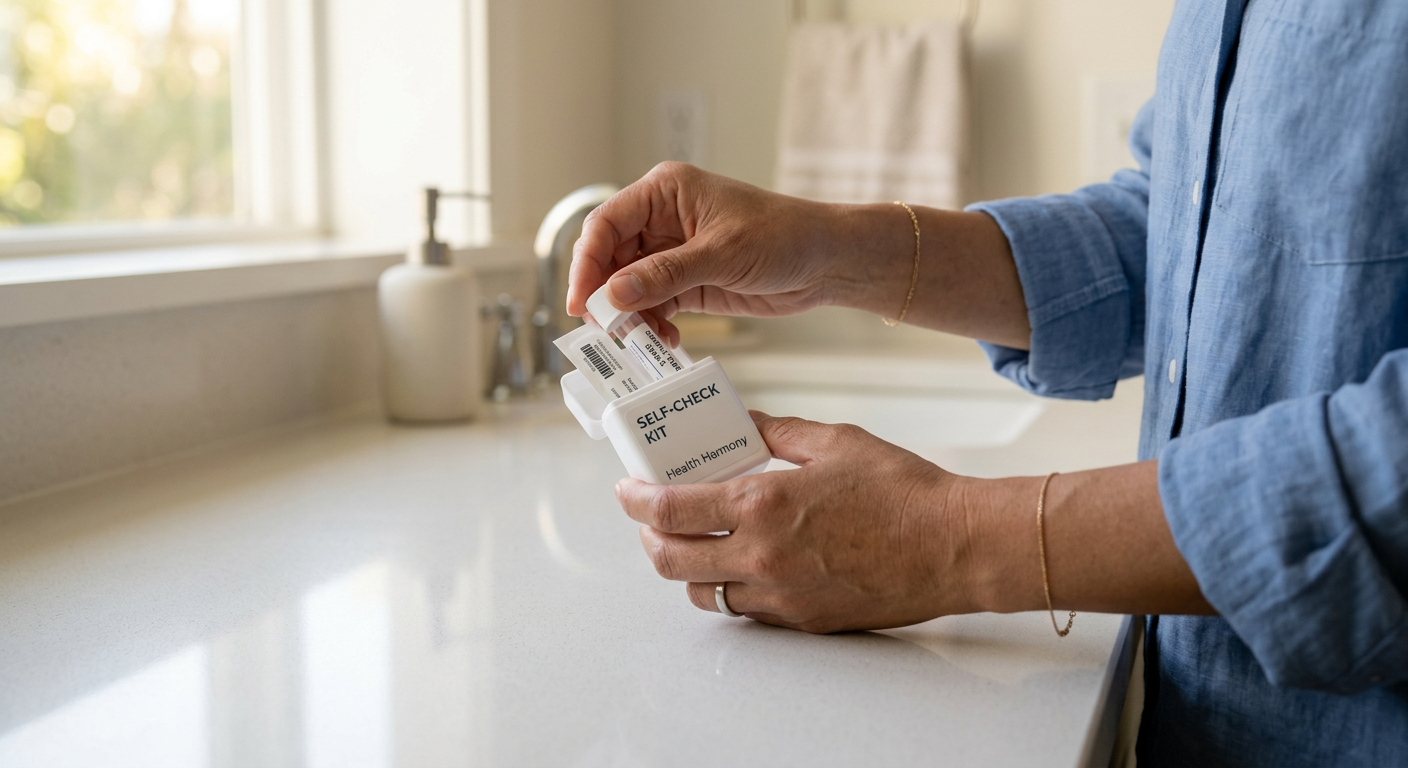
    📌 The key update at a glance On January 5, 2026, updated Women’s Preventive Services Guidelines added self-collection as a recognized option for cervical cancer screening. Women ages 30 to 65 at average risk can now collect their own vaginal sample for high-risk HPV (hrHPV) testing without a clinician-performed pelvic exam. hrHPV testing is designated as the preferred screening approach for this age group. The update was published in JAMA and is effective immediately. A companion insurance coverage requirement covering follow-up testing after a positive result takes effect January 1, 2027. This post explains what changed, who it applies to, and what to do now.

    Cervical cancer is one of the most preventable cancers we have. Screening works. The HPV vaccine works. And yet, in the United States, roughly 13,000 women are diagnosed with cervical cancer each year, and about 4,000 die from it. Most of those women were either never screened or hadn’t been screened recently enough.

    The barriers are real: no insurance, no regular doctor, not enough time, anxiety about pelvic exams, or living too far from a clinic that offers them. For a lot of women, the Pap smear is not inaccessible in theory. It’s inaccessible in practice.

    New guidelines published on January 5, 2026, updated the Women’s Preventive Services Guidelines to include self-collection as an option for cervical cancer screening. Women ages 30 to 65 at average risk can now collect their own vaginal sample for hrHPV testing. The update was published in JAMA and is effective immediately.

    Here is what the updated guidelines actually say, what the science behind HPV-based screening shows, and what this change means in practical terms for women who are overdue for screening.


    What Changed: The Key Updates in Plain Language

    The updated HRSA guideline designates high-risk HPV (hrHPV) testing as the preferred screening modality for average-risk women ages 30 to 65, whether collected by the patient or a clinician, while retaining the option for cervical cytology (Pap) testing. For average-risk women ages 21 to 29, cervical cancer screening using cervical cytology remains the recommendation. No change for that group.

    The insurance coverage piece is equally significant. The guideline includes new language requiring most insurance plans to cover any additional testing needed to complete the screening process after an abnormal result, with coverage beginning January 1, 2027.

    What Changed in the January 2026 HRSA UpdateWhat It Means for Patients
    Self-collection is now a recognized option for average-risk women ages 30 to 65You can collect your own vaginal sample for hrHPV testing without a clinician-performed pelvic exam
    hrHPV testing designated as preferred screening method for women ages 30 to 65HPV testing every 5 years is the primary recommended approach for this age group; the Pap remains available
    Women ages 21 to 29 continue to screen with Pap smear every 3 yearsNo change for this age group
    Insurance coverage for follow-up testing required from January 1, 2027Colposcopy, biopsy, and follow-up after an abnormal result will be required to be covered by most plans

    A note on guideline bodies: The American Cancer Society has separately recommended hrHPV-primary screening starting at age 25 since 2020. That is existing guidance, not a 2026 change. The January 2026 HRSA update discussed throughout this post applies specifically to women ages 30 to 65. If you are between 25 and 29, ask your provider about hrHPV testing options, because your age group sits at the intersection of two different guideline recommendations.


    Why HPV Testing Instead of the Pap Smear?

    This is worth understanding, because many women are more familiar with the Pap smear, and the shift to HPV-primary screening is not just a convenience update. It reflects a genuinely better test for this purpose.

    Cervical cancer is caused almost entirely by persistent infection with high-risk strains of human papillomavirus (HPV). Not every HPV infection causes cancer; most clear on their own. But when certain high-risk strains (HPV 16 and 18 are the most dangerous) persist in cervical cells over time, they can trigger changes that progress to cancer if not detected and treated.

    The Pap smear detects abnormal cell changes that have already happened. HPV testing detects the underlying viral cause before those changes necessarily occur. This is why HPV testing catches more cases earlier, generates fewer false negatives, and allows for longer intervals between screenings.

    TestWhat It DetectsScreening IntervalSensitivity for CIN2+Self-Collection Validated?
    Pap smear (cytology)Abnormal cervical cellsEvery 3 years (ages 21 to 65)~55 to 60%No, clinician collection required
    hrHPV test aloneHigh-risk HPV strainsEvery 5 years (ages 25 to 65 per ACS; 30 to 65 per HRSA)~90 to 95%Yes
    Co-test (Pap + HPV)BothEvery 5 years (ages 30 to 65)HighPartial

    Sensitivity estimates for CIN2+ detection based on meta-analyses including Koliopoulos et al., Cochrane Database of Systematic Reviews, 2017 and subsequent validation studies.


    How Self-Collection Works

    Self-collected samples for HPV testing use a vaginal swab, not a cervical swab. This is an important distinction. You are not performing a Pap smear on yourself. You are collecting cells from the vaginal wall, which also carry HPV and have been validated in extensive research as an accurate way to detect high-risk strains.

    In clinical validation studies, self-collected vaginal samples detect high-risk HPV with sensitivity comparable to clinician-collected cervical samples, particularly for detecting CIN2+ (the precancerous cell changes that matter most for preventing cancer).

    How it works in practice:

    1. A self-collection kit contains a vaginal swab, similar in size and feel to a tampon applicator.
    2. You insert the swab a few inches into the vagina, rotate it, and remove it.
    3. The swab is sealed in the provided container and either mailed to a lab or returned to a clinic.
    4. The sample is tested for high-risk HPV strains.

    Most women describe the process as quick and straightforward. No speculum. No stirrups. No need to undress.

    Self-collection kits are not yet universally available through all U.S. healthcare systems. The 2026 guidelines establish the framework, but distribution will expand over time. The insurance coverage requirement starting in 2027 is expected to accelerate availability.


    Who These Guidelines Apply To

    Women ages 30 to 65 at average risk are the primary group for whom self-collection is now a recognized option. “Average risk” means no history of high-grade cervical precancer or cervical cancer, no immunocompromising conditions such as HIV, and no prior DES exposure in utero.

    Women ages 21 to 29: No change. Pap smear every 3 years remains the recommendation. Self-collection is not recommended for this group because HPV infections in younger women are more commonly transient, and the Pap smear, which detects actual cell changes, is more clinically actionable for this age group.

    Women ages 25 to 29, a note on the ACS guideline: The American Cancer Society’s preferred approach recommends hrHPV-primary testing starting at age 25. If you are in this age range and interested in HPV testing rather than a Pap smear, talk to your provider. The 2026 HRSA update does not cover this group for self-collection, but the ACS guideline supports HPV-primary screening beginning at 25 with clinician-collected samples.

    Women with higher-than-average risk (HIV, history of cervical cancer, immunosuppression) require individualized schedules. These general guidelines do not apply to them.

    Women who have had a hysterectomy that removed the cervix and have no history of cervical cancer or high-grade lesions generally do not need routine cervical cancer screening. Confirm with your provider.


    What About the Insurance Coverage Change?

    Previously, most insurance plans covered the initial screening test at no cost under the ACA. But if that test came back abnormal and required follow-up, such as a colposcopy, genotyping, or biopsy, patients often owed cost-sharing for those procedures. This created a situation where the screening was free but the follow-up it triggered was not, and some women skipped follow-up care as a result.

    The updated guideline now includes language requiring most insurance plans to cover the additional testing needed to complete the screening process, with coverage beginning January 1, 2027.

    This removes a key financial barrier. If your hrHPV test comes back positive, you should no longer face unexpected bills for the colposcopy or biopsy it necessitates, at least not starting next year.


    Why This Matters for Screening Equity

    Cervical cancer rates in the United States are not evenly distributed. Black women and Hispanic women have higher cervical cancer incidence and mortality rates than white women. Women in rural areas and women without a primary care provider are less likely to be up to date on screening.

    Self-collection directly addresses several of these gaps. It removes the requirement for a clinical pelvic exam, which is a barrier for women who have experienced trauma, women who avoid clinical settings for cultural reasons, and women in areas with provider shortages. It enables screening to happen at home, through mailed kits, at community health events, or in non-clinical settings.

    Research supports this. Studies in underscreened populations have consistently found that offering self-collection substantially increases participation. In some analyses, uptake increased by more than double compared to standard clinic-based reminders alone.

    This guideline change is part of a broader shift in women’s health toward evidence-based updates that close access gaps. The same pattern is visible in other areas: earlier this year, ACOG updated its diagnostic guidance for endometriosis to remove the requirement for surgical confirmation before treatment begins, reducing barriers for women who had been undertreated for years. We covered that development and what it means for the endometriosis treatment pipeline here.


    A Note on the HPV Vaccine

    Screening guidelines are separate from vaccination, but they are part of the same prevention story. The HPV vaccine (Gardasil 9) protects against the high-risk strains most likely to cause cervical cancer. It is recommended for all children at age 11 or 12, teens and young adults through age 26 who were not vaccinated earlier, and adults ages 27 to 45 on a shared decision-making basis.

    Vaccination does not eliminate the need for screening. Even vaccinated women should continue following cervical cancer screening guidelines, because the vaccine does not protect against all HPV strains and does not help those who were already infected before vaccination.


    What to Do Now

    If you are a woman between 30 and 65 and have not been screened in the last 5 years, this is the right moment.

    • Contact your primary care provider or OB-GYN and ask about hrHPV testing, including whether self-collection is available through their practice.
    • If you don’t have a regular provider, community health centers offer cervical cancer screening regardless of insurance status.
    • Ask specifically about self-collection kits. Availability is expanding but not yet universal.
    • If you are ages 21 to 29, follow the current Pap smear recommendation: every 3 years.
    • If your test comes back positive, follow up. Starting in 2027, most insurance plans are required to cover that follow-up testing.

    Quick Reference: 2026 Cervical Cancer Screening by Age

    Age groupRecommendation
    Ages 21 to 29Pap smear every 3 years. Self-collection not recommended.
    Ages 25 to 29 (ACS guideline)hrHPV testing every 5 years with clinician-collected sample is the ACS preferred approach. Discuss with your provider.
    Ages 30 to 65 (HRSA 2026 update)hrHPV testing every 5 years. Self-collection now a recognized option.
    Ages 30 to 65 (alternative)Pap + HPV co-test every 5 years, or Pap alone every 3 years.
    Over 65May be able to stop if adequately screened in the prior 10 years. Confirm with provider.

    Sources

    HRSA press release: New Cervical Cancer Screening Guidelines Strengthen Women’s Preventive Health. January 5, 2026.

    Federal Register: Update to the Women’s Preventive Services Guidelines. January 5, 2026.

    JAMA publication: jamanetwork.com/journals/jama/fullarticle/2843501

    AACR Blog: Updated Guidelines Can Help Make Cervical Cancer Screening and HPV Vaccination More Convenient. January 12, 2026.

    American Cancer Society guidelines: cancer.org/cancer/types/cervical-cancer

    Sensitivity data: Koliopoulos G, et al. Cytology versus HPV testing for cervical cancer screening in the general population. Cochrane Database of Systematic Reviews. 2017.

    Find a health center: findahealthcenter.hrsa.gov

    Disclaimer: Health Evidence Digest provides general information about screening guideline updates and health research for educational purposes. This content is not a substitute for professional medical advice. Cervical cancer screening decisions should be made in consultation with a qualified healthcare provider based on your individual health history.

  • One in Three Women with Premature Ovarian Insufficiency Gets the Hormone Therapy They Need. Here Is Why That Number Should Be Much Higher.

    One in Three Women with Premature Ovarian Insufficiency Gets the Hormone Therapy They Need. Here Is Why That Number Should Be Much Higher.


    📌 The essentials A study published in Menopause, the journal of The Menopause Society, analyzed data from more than 255,000 patients and found that only 36% of women diagnosed with premature ovarian insufficiency (POI) received hormone therapy, despite consistent international guidelines recommending it. The study was conducted in tertiary hospitals in Saudi Arabia, providing real-world prescribing data from a region where HT underuse is documented but less studied. The gap matters because women with POI who do not receive hormone therapy until the average age of natural menopause face substantially higher risks of osteoporosis, cardiovascular disease, cognitive decline, and mood disorders compared with women who reach menopause naturally after age 40. The finding is consistent with what the NIH and multiple research groups have documented in U.S. and European populations: HT underuse in POI is a global problem, not a regional one.

    Premature ovarian insufficiency is not the same as early menopause, though the terms are often used interchangeably. It is a clinical diagnosis made when a woman loses normal ovarian function before the age of 40, with ovarian function sometimes fluctuating rather than ceasing entirely. About 1 in 100 women is affected. Many are in their 20s and 30s. Some are teenagers. Most receive a diagnosis only after months or years of being told their irregular periods are stress, overexercise, or a thyroid issue.

    When the diagnosis finally arrives, it carries consequences that extend well beyond infertility, which tends to dominate the conversation. Women with POI face the same estrogen deficiency that women in natural menopause experience, but they face it decades earlier, and they face it for far longer. The cumulative health burden of that estrogen deficit over 10 to 20 additional years is substantial, and it is largely preventable with hormone therapy.

    A new study published in Menopause in January 2026 quantifies how large the treatment gap actually is. Only 36% of women diagnosed with POI received hormone therapy. That means roughly two out of three women with a condition that consistently generates international guideline recommendations for HT are not getting it.


    What POI Is and Why It Is Different from Natural Menopause

    Premature ovarian insufficiency is defined by two criteria: age younger than 40, and biochemical confirmation of ovarian dysfunction, typically elevated follicle-stimulating hormone (FSH) levels on two measurements taken at least four weeks apart. The ovaries have not failed completely in most cases. Intermittent ovarian activity and even spontaneous pregnancy can occur in 5 to 10% of women after diagnosis. But sustained, predictable hormone production has been disrupted.

    The distinction from natural menopause matters for treatment and prognosis. In natural menopause, the gradual decline in estrogen production reflects a process that unfolds over the expected lifespan, and cardiovascular, bone, and neurological systems have had decades to adapt. In POI, the estrogen deficit arrives abruptly and at an age when those systems have not yet had that adaptation. The resulting long-term risks are not equivalent.

    The long-term health consequences of untreated POI Bone: Osteoporosis risk is substantially elevated in women with POI, driven by the loss of estrogen’s protective effect on bone mineral density. Women with POI have significantly lower bone density than age-matched peers, and the risk of fragility fractures accumulates with each decade of untreated estrogen deficiency. Even in the study reviewed here, which found that 6.8% of participants had a documented diagnosis of osteopenia and 4.9% had osteoporosis, hormone therapy uptake in those women remained low. Cardiovascular: Estrogen has cardioprotective effects, and its premature loss is associated with higher rates of cardiovascular disease, hypertension, and adverse lipid profiles in women with POI compared with age-matched controls. Women with POI who do not receive HT have been shown to have cardiovascular risk profiles closer to those of age-matched men than to age-matched women who entered menopause at the expected time. Cognitive and neurological: There is growing evidence that estrogen plays a role in brain health and cognitive function, and some studies suggest increased risk of cognitive decline and dementia in women with untreated POI. The mechanism is not fully established, but the long window of estrogen deficiency is a plausible contributor. Mood and mental health: Depression, anxiety, and sexual dysfunction occur at higher rates in women with POI than in age-matched controls. Estrogen has direct effects on neurotransmitter systems involved in mood regulation, and the psychological burden of the diagnosis itself, including grief over fertility loss and uncertainty about long-term health, compounds the biological effects.

    What the Study Found

    The study, published in the January 2026 issue of Menopause, was conducted across tertiary hospitals in Saudi Arabia. Researchers analyzed data from more than 255,000 patients with the objective of determining how often hormone therapy is prescribed for women with POI and what factors are associated with receiving it.

    Key findings:

    The prevalence of POI among women who underwent FSH testing was 5.05%. This is higher than the 3.5% global estimate from prior systematic reviews, though the difference likely reflects selection bias: women being tested for FSH in tertiary settings are more likely to have symptoms suggestive of ovarian dysfunction than the general population.

    Of women diagnosed with POI, only 36% received hormone therapy. That is the central number, and it is consistent with underuse estimates from other regions. A previous systematic review found that across multiple countries, hormone therapy initiation rates in women with POI range from approximately 35 to 50%, with wide variation based on geography, healthcare system, and provider specialty.

    Amenorrhea (absence of menstrual periods) was the most common presenting symptom, affecting 42.4% of participants. This is clinically important context: amenorrhea is the symptom most likely to prompt FSH testing and subsequent POI diagnosis, but it is also a symptom that can persist for years without triggering a formal workup in healthcare systems where irregular periods are routinely attributed to stress, thyroid dysfunction, or other causes.

    Hormone therapy uptake remained low even in the subset of women who already had a documented diagnosis of bone density loss: 6.8% with osteopenia and 4.9% with osteoporosis were identified in the cohort, and HT use remained below expected rates in these groups. This finding is particularly striking because bone protection is one of the most clearly established benefits of HT in POI and one where the risk-benefit calculation most clearly favors treatment.

    Geographic context: This study was conducted in Saudi Arabia, and regional differences in hormone therapy use are well established and real. Cultural, religious, and healthcare system factors influence prescribing patterns in ways that limit direct extrapolation. However, the authors note that the NIH and multiple U.S.-based research groups have documented comparably low HT utilization in American women with POI, and the ESHRE POI guideline explicitly addresses the underuse problem as a global phenomenon.


    The WHI Shadow: Why Fear of Hormone Therapy Has Outlasted the Evidence That Created It

    To understand why two-thirds of women with POI are not receiving a treatment that guidelines consistently recommend, you need to understand what happened in 2002.

    The Women’s Health Initiative (WHI) was a large, landmark study of hormone therapy in postmenopausal women. In 2002, the combined estrogen-progestin arm of the trial was stopped early after researchers found increased risks of breast cancer, heart disease, stroke, and blood clots. The results generated enormous media coverage and fundamentally shifted prescribing behavior. HT use in menopausal women plummeted within months and has never fully recovered.

    The problem is that the WHI findings were widely misapplied. The study enrolled women with an average age of 63, the majority of whom were more than 10 years past menopause. The findings were about hormone therapy initiated years after menopause in women for whom estrogen replacement was not restoring a physiological state but adding hormones to a body that had long since adapted to their absence. The results do not apply to women in their 20s and 30s with POI, in whom HT is restoring estrogen levels to what would naturally be present at their age.

    Major medical organizations have tried to correct this misapplication. The Menopause Society’s 2023 position statement explicitly states that for women younger than 40 with POI, HT is recommended until the average age of natural menopause (approximately 51) in the absence of contraindications, and that the risks identified in the WHI do not apply to this population. The ESHRE POI guideline, the NICE guideline on menopause, and the Royal Australian and New Zealand College of Obstetricians and Gynaecologists all say the same thing.

    The message has not reached clinical practice consistently, and it has reached patients even less.


    What the Guidelines Actually Say

    International clinical guidelines on POI are consistent in their core recommendation: hormone therapy should be offered to women with POI until approximately the average age of natural menopause, roughly 51 years in most populations, unless there is a specific contraindication.

    The rationale is straightforward. HT in POI is not pharmacological intervention in the way that HT in a 60-year-old is. It is replacement of hormones that the body would naturally be producing at that age but is not. The risks associated with HT in older postmenopausal women do not apply because the frame of reference is different: POI in a 28-year-old is not the same biological situation as menopause in a 63-year-old.

    The specific formulation of HT in POI is also distinct from what is typically used in natural menopause. Estrogen doses needed to restore physiological levels in women with POI are generally higher than standard low-dose HT formulations used in natural menopause. Many standard preparations are designed for symptom management in older postmenopausal women at the lowest effective dose. Women with POI need estrogen levels comparable to what their peers have naturally, which may require different dosing strategies and routes of administration.

    Women with an intact uterus also need progestogen to protect the uterine lining from unopposed estrogen stimulation. The choice of progestogen formulation matters: micronized progesterone (body-identical progesterone) appears to carry a lower breast cancer risk signal than synthetic progestins based on current evidence, though the absolute risk differences in young women are small.


    Barriers to Treatment: What the Research Points To

    The study’s authors identify two primary drivers of HT underuse in POI: provider knowledge gaps and patient fears. The research literature supports both.

    Provider factors: Many women with POI are seen by general practitioners or gynecologists without subspecialty training in reproductive endocrinology or menopause medicine. Studies in multiple countries have found that a substantial proportion of providers are unfamiliar with current POI guidelines, underestimate the long-term health risks of untreated POI, or have not updated their prescribing practices since the 2002 WHI publication. Diagnosis itself is often delayed: the average time from first symptom to POI diagnosis has been estimated at 4 to 6 years in some studies, reflecting both the intermittent nature of ovarian function in some cases and the tendency to attribute symptoms to other causes.

    Patient factors: Fear of breast cancer is the dominant barrier on the patient side, a direct legacy of the 2002 WHI coverage. Women who decline HT for POI often cite cancer risk as their primary concern, even though the evidence does not support elevated breast cancer risk from physiological estrogen replacement in a young woman with POI. Addressing this misunderstanding requires time, clear communication, and a provider who is confident explaining why the WHI findings do not apply to a 32-year-old whose ovaries stopped working.

    Fertility concerns can also complicate the HT conversation in a counterproductive way. Some women with POI delay hormone therapy out of concern that it will reduce their already limited chances of spontaneous pregnancy. Current evidence does not support this concern: HT does not suppress the intermittent ovarian activity that underlies spontaneous ovulation in POI, and the cardiovascular and bone protection benefits of starting HT early outweigh theoretical fertility concerns in most cases.


    What Women with POI Should Know

    If you have been diagnosed with POI, or are being evaluated for it, here is what the current evidence supports:

    Hormone therapy is recommended. Every major international guideline recommends HT for women with POI until approximately age 51, unless a specific contraindication exists such as a personal history of hormone-receptor-positive breast cancer or a known high-risk thrombophilia.

    The WHI does not apply to you. The risks identified in that study are not relevant to estrogen replacement in women whose ovaries stopped functioning before age 40. This is worth discussing explicitly with your provider if concern about those findings is part of the conversation.

    The dose may need to be higher than standard HT. Low-dose preparations designed for older postmenopausal women may not restore your estrogen to physiological levels. Ask your provider whether the formulation and dose is appropriate for your age rather than simply the lowest available option.

    Delaying treatment has real consequences. Every year without HT in POI is a year of accelerated bone loss, cardiovascular risk accumulation, and potential neurological effects. The benefits of starting HT early and continuing it to the average age of natural menopause are well established in the guideline literature.

    Seek a provider with POI or reproductive endocrinology experience. Not all gynecologists have current, guideline-concordant knowledge about POI management. The Menopause Society’s practitioner finder can help identify providers with menopause medicine certification. If you are also navigating fertility questions, a reproductive endocrinologist is the appropriate specialist.

    For related women’s health coverage on Health Evidence Digest, see our posts on GLP-1 medications and PCOS fertility research in 2026, new 2026 cervical cancer screening guidelines including self-collection, and the first non-hormonal endometriosis drug entering clinical trials.


    Sources

    Primary study: Use of hormone therapy in patients with premature ovarian insufficiency in tertiary hospitals in Saudi Arabia. Menopause. Published January 21, 2026.

    The Menopause Society press release: Hormone Therapy Underused in Women With Premature Ovarian Insufficiency. menopause.org. January 21, 2026.

    ESHRE POI Guideline: Management of women with premature ovarian insufficiency. European Society of Human Reproduction and Embryology. 2024.

    Menopause Society position statement: The 2023 Menopause Society Position Statement on Hormone Therapy. menopause.org.

    NICE guideline on menopause: Menopause: diagnosis and management. NICE guideline NG23. nice.org.uk.

    POI systematic review and long-term outcomes: Golezar S, et al. The global prevalence of primary ovarian insufficiency and early menopause: a meta-analysis. Climacteric. 2019.

    POI clinical review: Webber L, et al. POI: pathophysiology, presentation, diagnosis, and management. BMJ. 2016.

    Cognitive effects of early menopause: Phung TK, et al. Dementia risk in women with premature ovarian insufficiency and early menopause. PMC9585583.

    WHI overview: Women’s Health Initiative. National Heart, Lung, and Blood Institute.

    NICHD POI resource: Premature Ovarian Insufficiency. nichd.nih.gov.

    Menopause Society practitioner finder: Find a Menopause Healthcare Practitioner. menopause.org.

    Disclaimer: Health Evidence Digest provides general information about health research for educational purposes. This content is not a substitute for professional medical advice, diagnosis, or treatment. Decisions about hormone therapy for premature ovarian insufficiency should be made in consultation with a qualified healthcare provider who can evaluate individual health history, contraindications, and treatment goals.

  • Younger Endometrial Cancer Survivors Face Years of Unnecessary Suffering. New Evidence Says One Treatment Has Been Wrongly Withheld.

    Younger Endometrial Cancer Survivors Face Years of Unnecessary Suffering. New Evidence Says One Treatment Has Been Wrongly Withheld.

    📌 The essentials A study published in Menopause, the journal of The Menopause Society, on March 4, 2026 analyzed data from more than 2,800 women aged 18 to 51 with endometrial cancer across 68 U.S. healthcare organizations. The key finding: local, low-dose vaginal estrogen therapy was not associated with elevated risk of endometrial cancer recurrence compared to women who did not use it. Only 5.6% of eligible women in the dataset had initiated vaginal estrogen therapy, despite its documented benefits for genitourinary symptoms of menopause. This is the largest known U.S. study to examine this specific question. The study population: women aged 18 to 51, meaning younger survivors experiencing treatment-induced early menopause. Mean treatment duration in the vaginal ET group: 1.88 years. Important context: the FDA removed the boxed warning from low-dose vaginal estrogen products in 2023, a regulatory change that preceded this study and that this data now supports clinically.

    There is a specific kind of suffering that is common enough to have a clinical name but uncommon enough that it tends to fall through the cracks of oncology care. Women who survive endometrial cancer at younger ages, typically through hysterectomy that removes both ovaries, experience sudden, complete estrogen loss. Not the gradual perimenopausal transition that most women navigate. Abrupt menopause, overnight, in their 30s or 40s.

    The symptoms can be severe. Genitourinary syndrome of menopause (GSM), the clinical term for the collection of vaginal, vulvar, and urinary symptoms caused by estrogen deficiency, does not improve on its own. Vaginal tissue atrophies. Intercourse becomes painful or impossible. Urinary urgency, frequency, and recurrent infections become chronic. Hot flashes disrupt sleep. And the women dealing with all of this are often told they cannot use estrogen because they have had a hormone-sensitive cancer.

    A study published in Menopause on March 4, 2026 is the largest U.S. analysis to date addressing whether that restriction is justified for low-dose vaginal estrogen specifically. The finding is reassuring: among younger survivors of endometrial cancer who used local, low-dose vaginal estrogen therapy, the risk of cancer recurrence was not elevated compared to survivors who did not use it.


    Endometrial Cancer in Younger Women: The Problem This Study Is Addressing

    Endometrial cancer is the most common gynecologic malignancy in the United States, with approximately 67,000 new diagnoses annually. It is predominantly a postmenopausal disease, but incidence in younger women has been rising steadily. The press release accompanying this study cited an increase in early-onset endometrial cancer from 2.2 to 3.3 per 100,000 women in those aged 50 and younger between 2000 and 2019 in the United States. That is a 50% increase in incidence over two decades in a population that was previously considered relatively low-risk.

    The reasons for the increase are not fully established, but the association with obesity and metabolic syndrome is well documented. Excess adipose tissue converts androgen precursors to estrone, producing chronically elevated estrogen levels without the counterbalancing effect of progesterone, which is the endometrial carcinogen driving most endometrioid-type endometrial cancers.

    Most early-stage endometrial cancers are treated with hysterectomy, often including bilateral salpingo-oophorectomy (removal of both ovaries and fallopian tubes). For premenopausal women, oophorectomy causes immediate surgical menopause. Some patients also receive radiation therapy or chemotherapy, which can further damage ovarian function and exacerbate menopausal symptoms.

    The result is that a woman who is 38, or 44, or 50, who has just finished cancer treatment and is in remission, may be experiencing menopausal symptoms that are more severe than what most women in natural menopause experience, with fewer treatment options available because of the cancer history.


    Why Vaginal Estrogen Has Been Avoided — and Why That May Be Changing

    The reluctance to prescribe estrogen of any kind to endometrial cancer survivors is rooted in a legitimate biological concern. Most endometrial cancers are estrogen-receptor positive, meaning estrogen exposure is implicated in their development. The standard thinking has been that restoring any estrogen after treatment might stimulate residual or occult cancer cells.

    That concern has been compounded for years by labeling: until 2023, all estrogen-containing products, including low-dose vaginal formulations, carried an FDA boxed warning stating risks that were established from studies of systemic, higher-dose hormonal therapy. The warning did not differentiate between oral estrogen pills taken systemically and a small estradiol tablet inserted vaginally, even though the pharmacokinetics are fundamentally different.

    Low-dose vaginal estrogen products work locally. A vaginal estradiol tablet or ring at the lowest available doses produces serum estradiol levels that remain within the normal postmenopausal range, because the product is absorbed primarily through vaginal tissue to act locally, with minimal systemic absorption. This is pharmacologically distinct from swallowing an estrogen pill that circulates throughout the body.

    In 2023, the FDA recognized this distinction and removed the boxed warning from low-dose vaginal estrogen products, updating their labeling to reflect that the systemic exposure and associated risks documented for systemic hormone therapy do not apply to these preparations. The clinical study published in March 2026 now provides real-world evidence supporting that regulatory decision specifically in the context of endometrial cancer survivors.


    The Study: Design, Population, and Results

    The study, published in the March 2026 issue of Menopause, drew on electronic health records and insurance claims data from 68 healthcare organizations across the United States. Researchers identified women aged 18 to 51 who had been diagnosed with endometrial cancer.

    From that dataset of more than 2,800 women, they created a matched cohort design: 1,412 survivors who had initiated local, low-dose vaginal estrogen therapy were matched 1:1 with 1,412 survivors who had not used it. The matching approach controls for confounding by ensuring the two groups were comparable in relevant baseline characteristics.

    The mean duration of vaginal ET use in the treatment group was 1.88 years. This is important context that the original stub post did not provide: nearly two years of use, not a brief test course. That duration makes the non-elevated recurrence finding more clinically meaningful, because it addresses the question of sustained exposure rather than just initial use.

    Primary findingVaginal ET use was not associated with elevated risk of endometrial cancer recurrence compared to matched non-users
    Matched cohort size1,412 ET users matched 1:1 with 1,412 non-users
    Overall study populationMore than 2,800 women aged 18 to 51 with endometrial cancer across 68 U.S. healthcare organizations
    Mean treatment duration1.88 years
    Vaginal ET initiation rateOnly 5.6% of eligible younger survivors
    Study scopeLargest known U.S. analysis of endometrial cancer recurrence with local, low-dose vaginal ET in this population

    Source: Vaginal estrogen therapy utilization and associated outcomes in younger survivors of endometrial cancer. Menopause. March 4, 2026.

    The 5.6% initiation rate is the second major finding and arguably the more actionable one. If only about 1 in 18 eligible younger survivors is using a therapy that the evidence now suggests is safe and that addresses symptoms the press release describes as rarely improving without treatment, there is a large gap between what the data supports and what is happening in clinical practice.


    What the Study Does and Doesn’t Tell Us

    The finding is reassuring, but several limitations are worth understanding before interpreting it as a definitive clearance for vaginal estrogen in all endometrial cancer survivors.

    Study design limitations: This is a retrospective cohort study using electronic health records and insurance claims data, not a randomized controlled trial. Matched cohort designs control for measured confounders, but unmeasured confounding is always possible. Women who received vaginal ET may have had systematically different disease characteristics, follow-up patterns, or oncologist preferences than those who did not, even after matching.

    Short-term follow-up: A mean treatment duration of 1.88 years is meaningful but may not capture recurrence events that occur at later timepoints. Endometrial cancer recurrence can happen years after treatment, and longer-term follow-up data from this population would be valuable.

    Histologic heterogeneity: Endometrial cancers are not all the same. Endometrioid adenocarcinoma (Type I), the most common subtype, is strongly estrogen-driven. Type II tumors, including serous, clear cell, and carcinosarcoma, are not estrogen-driven in the same way and carry a worse prognosis. The press release does not report subtype-specific recurrence rates, and understanding whether the safety finding holds equally across all subtypes matters for individual patient counseling.

    Stage distribution: Similarly, the study’s population spans early and potentially more advanced stages. Whether the non-elevated recurrence finding holds for women with higher-stage disease at diagnosis is not fully reported in the press release summary.

    These limitations do not undermine the study’s value. They are the normal caveats that attend any real-world evidence study in a rare clinical situation where a randomized trial is not feasible. The appropriate interpretation is that the largest available U.S. evidence base is reassuring, not that the question is fully settled.

    How vaginal estrogen is different from systemic hormone therapy: the pharmacokinetics that matter Systemic hormone therapy, whether oral tablets, transdermal patches, or injectable formulations, is absorbed into the bloodstream and distributes estrogen throughout the body. This systemic exposure is what drives the risks of blood clots, breast cancer, and cardiovascular events documented in studies like the Women’s Health Initiative. Low-dose vaginal estrogen works differently. Products such as low-dose vaginal estradiol tablets (e.g., Vagifem), estradiol vaginal rings at the lowest dose (Estring), and vaginal cream at low doses act primarily on the local vaginal tissue. Studies measuring serum estradiol levels in postmenopausal women using these products have found that systemic absorption is minimal, with levels remaining in the normal postmenopausal range rather than rising to premenopausal levels. This pharmacokinetic difference is the basis for the FDA’s 2023 decision to remove the systemic HT boxed warning from these products, and it is the biological rationale for why vaginal estrogen may be safer in cancer survivors than systemic formulations.

    What This Means for Younger Survivors of Endometrial Cancer

    Genitourinary syndrome of menopause (GSM) includes vaginal dryness, vaginal atrophy, pain during intercourse (dyspareunia), urinary urgency, frequency, and recurrent urinary tract infections. It is one of the most bothersome and least discussed consequences of cancer treatment in younger women, and unlike hot flashes, which tend to diminish over time for many women, GSM does not improve without treatment. It often worsens.

    The nonhormone options for GSM, including vaginal moisturizers, lubricants, and in some cases ospemifene (an oral selective estrogen receptor modulator for dyspareunia), provide partial relief for some women but not the tissue restoration that estrogen produces. Laser and radiofrequency-based treatments for vaginal atrophy are also available but lack the long-term evidence base of vaginal estrogen.

    Dr. Monica Christmas, associate medical director for The Menopause Society, noted in the study commentary that genitourinary symptoms associated with menopause rarely improve without treatment and are exacerbated in the context of abrupt, early menopause. She emphasized that helping survivors of endometrial cancer make evidence-based decisions about their care is empowering, especially during a vulnerable time, and that expanding treatment options to include local, low-dose vaginal estrogen will have long-lasting benefits for this population.

    If you are a younger survivor of endometrial cancer experiencing genitourinary symptoms, here is what the current evidence supports:

    Vaginal estrogen has now been studied in this specific population. This is no longer an area with no data. The largest U.S. study to examine this question found no elevated recurrence risk with mean nearly two-year use.

    The conversation with your oncologist is evidence-based now. If you have been told vaginal estrogen is off-limits because of your cancer history, this study is directly relevant to that conversation. The appropriate clinical decision involves your specific cancer type, stage, time since treatment, and current health status, but the blanket restriction is increasingly unsupported by the available evidence.

    The FDA removed the boxed warning in 2023. This regulatory change means low-dose vaginal estrogen no longer carries the same warning label as systemic hormone therapy. Your pharmacist or prescriber may not have updated you on this.

    Initiation rates are low, but they should not be. Only 5.6% of eligible younger survivors in this large dataset had used vaginal estrogen. That number is likely a reflection of the fear and misinformation that this and future studies are meant to address.

    What to ask your care team: Whether local, low-dose vaginal estrogen is appropriate for your specific cancer type and stage; which formulation (tablet, ring, or cream) is appropriate; what monitoring is reasonable during use; and whether referral to a gynecologic oncologist or menopause specialist is indicated for this conversation.

    The Menopause Society’s practitioner finder can help locate clinicians with menopause medicine certification who are familiar with hormone therapy decisions in cancer survivors. The Society of Gynecologic Oncology is the primary professional organization for gynecologic cancer specialists and maintains patient resources on endometrial cancer survivorship.

    This study is part of a broader shift in women’s health toward evidence-based approaches that address the full consequences of cancer treatment rather than simply managing the tumor. For related coverage, see our posts on the first approved immunotherapy for ovarian cancer, hormone therapy underuse in women with premature ovarian insufficiency, and the first non-hormonal endometriosis drug entering human trials.


    Sources

    Primary study: Vaginal estrogen therapy utilization and associated outcomes in younger survivors of endometrial cancer. Menopause. March 4, 2026.

    The Menopause Society press release: Vaginal Estrogen Therapy Not Linked to Cancer Recurrence in Survivors of Endometrial Cancer. menopause.org. March 4, 2026.

    FDA boxed warning removal: FDA Removes Boxed Warning from Low-Dose Vaginal Estrogen Products. FDA.gov. 2023.

    Endometrial cancer overview: Uterine Cancer. National Cancer Institute.

    Endometrial cancer and estrogen receptor biology: Endometrial Cancer: Molecular Subtypes and Hormonal Sensitivity. PMC7698737.

    Genitourinary syndrome of menopause: Genitourinary Syndrome of Menopause: An Overview of Clinical Manifestations, Pathophysiology, Etiology, Evaluation, and Management. PMC7349626.

    ACOG hysterectomy resource: Hysterectomy: FAQs. American College of Obstetricians and Gynecologists.

    Obesity and endometrial cancer: Obesity and Cancer. National Cancer Institute.

    Metabolic syndrome overview: Metabolic Syndrome. StatPearls. NCBI.

    Ospemifene FDA approval: FDA approves ospemifene for vaginal dryness and pain during sex due to menopause. FDA.gov.

    Menopause Society practitioner finder: Find a Menopause Healthcare Practitioner.

    Patient resources: The Menopause Society | Society of Gynecologic Oncology | American Cancer Society: Endometrial Cancer | National Cancer Institute: Uterine Cancer

    Disclaimer: Health Evidence Digest provides general information about health research for educational purposes. This content is not a substitute for professional medical advice, diagnosis, or treatment. Decisions about hormone therapy use in endometrial cancer survivors should be made in consultation with a gynecologic oncologist and/or a clinician experienced in menopause medicine, taking into account individual cancer type, stage, treatment history, and current health status.
  • Cancer Outcomes Are Worse for LGBTQ+ Patients. The Research Infrastructure to Address That Is Just Getting Started.

    Cancer Outcomes Are Worse for LGBTQ+ Patients. The Research Infrastructure to Address That Is Just Getting Started.

    📌 What this post covers In 2024, the American Cancer Society published its first dedicated report on cancer in LGBTQ+ people, and the findings were stark: LGBTQ+ individuals are more likely to develop certain cancers, face more barriers to screening and diagnosis, and report worse experiences of care than their heterosexual and cisgender counterparts. A central driver of these disparities is a problem that sounds administrative but has real clinical consequences: most health systems still do not routinely collect sexual orientation and gender identity (SOGI) data. Without that data, oncology teams cannot identify these patients, tailor their care, or study outcomes in any systematic way. This post covers what the evidence shows about LGBTQ+ cancer disparities, why the data collection gap is central to the problem, and what the research community is doing to address it, including a new national research center funded by the American Cancer Society specifically to improve outcomes in this population.

    Approximately 7.6% of U.S. adults identify as LGBT or something other than heterosexual, according to the most recent Gallup data. Applied to the ACS’s 2024 estimate of more than 2 million new cancer diagnoses annually, that translates to approximately 152,000 sexual and gender minority (SGM) people receiving a cancer diagnosis each year in the United States. That is a large population. It is also a population for which the evidence base is thin, clinical guidelines are largely unadapted, and routine care is frequently inadequate.

    This is not a new observation. The National Institutes of Health formally designated sexual and gender minorities as a population experiencing health disparities for research purposes in 2016. The Institute of Medicine called for increased research investment in SGM health in 2011. A decade and a half later, the research infrastructure to support that work is only now beginning to reach the scale the problem requires.


    What the Evidence Shows: LGBTQ+ Cancer Disparities Are Real and Understudied

    The 2024 ACS Cancer Facts and Figures Special Section on Cancer in LGBTQ+ People is the most comprehensive synthesis of this evidence to date. Its findings point to disparities across three dimensions: higher cancer risk, lower screening uptake, and worse experiences of care.

    Higher cancer risk driven by modifiable factors

    LGBTQ+ individuals have higher rates of several modifiable cancer risk factors compared to heterosexual and cisgender populations. The disparities are not uniform across all subgroups, but the patterns are consistent enough to be clinically meaningful.

    Tobacco use: LGBTQ+ individuals have higher rates of smoking than the general population. Tobacco is the leading preventable cause of cancer, responsible for at least 30% of all cancer deaths. Higher tobacco prevalence in LGBTQ+ communities is a downstream consequence of stress, social marginalization, and targeted marketing by the tobacco industry to LGBTQ+ communities over decades.

    Alcohol use: Lesbian, gay, and bisexual individuals are more likely to engage in heavy alcohol consumption than heterosexual peers, according to the ACS report. Alcohol use increases risk for liver, esophageal, colorectal, oral, stomach, and breast cancers.

    Excess body weight: Lesbian and bisexual individuals assigned female at birth are more likely to have excess body weight than their heterosexual counterparts, with lower rates of leisure-time physical activity contributing to the disparity. Excess weight is a risk factor in at least 12 types of cancer.

    HIV status: Gay and bisexual men have substantially higher rates of HIV infection, and people living with HIV have elevated risk for multiple cancers, including non-Hodgkin lymphoma, Kaposi sarcoma, and anal cancer, as well as certain non-AIDS-defining cancers.

    The ACS authors were careful to frame these risk factors as products of social and structural conditions, not inherent properties of LGBTQ+ identity. The minority stress model, which documents how chronic exposure to discrimination, stigma, and social marginalization produces downstream health consequences, is the framework that best explains these patterns.

    Lower screening rates and later-stage diagnoses

    The disparities are not limited to risk exposure. They extend to cancer detection.

    At the 2024 ASCO Annual Meeting, researchers presented findings from a study of 817 LGBTQ+ cancer patients: 80% had not received appropriate cancer screening for their age. The reasons were not primarily attitudinal. They reflected structural barriers: the provider did not mention screening, the patient did not have a provider for routine care, and lack of insurance. Avoidance of healthcare settings due to prior experiences of discrimination was also a significant contributing factor.

    NCI’s Cancer Currents Blog summarized the evidence clearly: there is consistent evidence that SGM people are less likely to seek care for possible cancer symptoms, and as a result their cancers may be diagnosed at more advanced stages. Later-stage diagnosis is one of the most powerful predictors of worse outcomes in most cancer types.

    Worse experiences during cancer care

    A 2025 study from the Moffitt Cancer Center published in JNCI Monographs analyzed real-world SOGI data collected at an NCI-designated comprehensive cancer center and found that SGM individuals with a history of cancer report significantly greater distress, relationship difficulties, substance use, dissatisfaction with cancer care, and lower quality of life compared with heterosexual and cisgender counterparts.

    A 2023 study in JAMA Oncology examining breast cancer in sex and gender minority groups found disparities in diagnosis, treatment, and outcomes compared to cisgender women. And a 2025 review in PMC covering breast cancer disparities in LGBTQ+ communities concluded that disparities exist from screening through survivorship and lead to measurably worse outcomes.


    The Root Cause: You Cannot Fix What You Cannot Measure

    If there is a single structural problem behind LGBTQ+ cancer disparities, it is the routine failure to ask patients who they are.

    Sexual orientation and gender identity (SOGI) data refers to the collection of patients’ sexual orientation and gender identity in clinical intake and electronic health records. Most health systems in the United States do not do this consistently or at all. When oncology teams do not know a patient is gay, bisexual, transgender, or nonbinary, they cannot screen for subgroup-specific risks, connect the patient to appropriate support services, or enroll them in research studies that could generate knowledge about their population.

    The consequences are not merely administrative. A transgender woman who presents with breast symptoms may receive different clinical attention than a cisgender woman. A gay man’s partner may not be included in care conversations in the same way as a heterosexual spouse. A nonbinary patient’s need for survivorship support that accounts for their identity may simply not be addressed.

    A 2025 JNCI Monographs paper on SOGI data collection in oncology described the problem directly: a standardized approach to collecting accurate SOGI data is critical to best serving LGBTQ+ patients’ cancer care needs, fully understanding the scale of disparities, and generating the research needed to address them. The paper called for best practices for SOGI collection and dissemination across cancer centers.

    Why SOGI data collection is harder than it sounds, and why it is still the right target Healthcare providers sometimes resist SOGI data collection out of concern that patients will find the questions intrusive or that the data will be used inappropriately. The research does not support this concern. Multiple studies have shown that most patients, including LGBTQ+ patients, are willing to disclose SOGI information when asked in a respectful, standardized clinical context, and that they consider it important for their care. The barriers are primarily on the provider and system side, not the patient side. Implementation requires: standardized, validated questions in intake workflows (the “Do Ask, Do Tell” framework from The Fenway Institute); training staff in respectful, inclusive communication; integrating SOGI fields into electronic health record systems; and using the data for clinical decision support rather than collecting it and ignoring it. None of these steps are technically complex. They require institutional commitment.

    What the Research Community Is Doing About It

    The evidence base for LGBTQ+ cancer disparities has grown substantially in the past five years, but the research infrastructure to support it has lagged behind. Several developments are beginning to address that gap.

    The Q Cancer Research Center

    In Spring 2026, the American Cancer Society funded a new Cancer Health Research Center (CHERC) at the University of Rochester: the Q Cancer Research Center. It is designed as a national center without walls, meaning its scope extends beyond a single institution.

    The Q Cancer Research Center’s funded projects specifically address three of the gaps identified above: improving the standardized collection of SOGI data in clinical settings, developing survivorship programs tailored to LGBTQ+ patients’ specific needs and identities, and training a new generation of researchers with expertise in LGBTQ+ cancer health equity. The center’s structure as a national collaborative rather than a site-specific program is designed to generate findings and tools that can be implemented broadly.

    NCI investment in SGM cancer research

    The National Cancer Institute has developed a dedicated funding opportunity for research on cancer care and outcomes in SGM cancer survivors, and launched the SGM Cancer CARE program to train 150 early-career investigators over five years. The first national conference dedicated to SGM cancer research was held in October 2023, with nearly 200 attendees, marking a recognition within the research community that this field needs its own infrastructure.

    Growing clinical recognition

    The American Society for Clinical Oncology (ASCO) has recognized SGM communities as a population experiencing health disparities and has increasingly incorporated SGM health equity into its conference programming and clinical guidance development. The Fenway Institute maintains the “Do Ask, Do Tell” SOGI data collection framework and training resources for clinical teams. The National LGBT Cancer Network provides patient navigation and provider education specifically focused on LGBTQ+ cancer care.


    What This Means for Patients and Clinicians

    For LGBTQ+ patients navigating cancer screening and care

    The disparities documented in the research are real but they are not inevitable. They are products of structural barriers, not immutable characteristics of LGBTQ+ identity. Several resources exist specifically to support LGBTQ+ patients in cancer prevention and care:

    If you have experienced discrimination or inadequate care in oncology settings because of your sexual orientation or gender identity, that experience is well-documented and not isolated. Seeking a second opinion from a provider with LGBTQ+ health expertise is a reasonable step.

    For oncology clinicians and care teams

    The single most actionable change most clinical settings can make is implementing standardized SOGI data collection at intake. The Fenway Institute’s “Do Ask, Do Tell” resources provide validated question formats and implementation guidance. Collecting this data is not sufficient on its own; care teams need to use it to inform clinical conversations, support navigation to LGBTQ+-specific resources, and report it in ways that can be aggregated for research.

    Survivorship care plans should explicitly address LGBTQ+ patients’ specific needs, including the intersection of gender-affirming hormone therapy with cancer treatment decisions, the mental health burden associated with minority stress, and the importance of including chosen family and partners in care conversations.

    For related women’s health and cancer coverage on Health Evidence Digest, see our posts on the first approved immunotherapy for ovarian cancer, cervical cancer screening guidelines for 2026, and AI-supported mammography and the MASAI trial findings.


    Sources

    ACS 2024 LGBTQ+ Cancer Special Section: American Cancer Society. Cancer Facts and Figures 2024 Special Section: Cancer in People Who Identify as Lesbian, Gay, Bisexual, Transgender, and/or Queer. cancer.org.

    ACS LGBTQ+ Report press release (2024): American Cancer Society Releases Pioneering LGBTQ+ Cancer Report. pressroom.cancer.org. May 2024.

    NCI Cancer Currents LGBTQ+ disparities: Cancer Health Disparities Among LGBTQ+ People. cancer.gov. May 2024.

    Moffitt SOGI data study (JNCI Monographs 2025): Zamani SA, Pérez-Morales J, et al. Sexual orientation and gender identity data reveals real-world cancer disparities among sexual and gender minorities at an NCI-Designated Comprehensive Cancer Center. JNCI Monographs. 2025;69:76-87. doi:10.1093/jncimonographs/lgaf017. PMC12268166.

    SOGI data collection best practices (JNCI Monographs 2025): Developing, implementing, and disseminating best practices for SOGI collection among cancer patients. JNCI Monographs. 2025;69:96. doi:10.1093/jncimono/lgaf016.

    ASCO 2024 LGBTQ+ screening abstract: Maingi S, Schabath MB, Dewald I, et al. Disparities uncovered: LGBTQ+ patients report on their cancer care journey. ASCO 2024. Abstract 1516.

    Breast cancer LGBTQ+ disparities (JAMA Oncology 2023): Eckhert E et al. Breast cancer diagnosis, treatment, and outcomes of patients from sex and gender minority groups. JAMA Oncol. 2023;9(4):473-480.

    Breast cancer LGBTQ+ review (PMC 2025): Breast Cancer Disparities in the LGBTQ+ Community. PMC12320750.

    Gallup LGBTQ+ identification data: LGBT Identification in U.S. Ticks Up to 7.6%. Gallup.

    Minority stress model reference: Meyer IH. Prejudice, Social Stress, and Mental Health in Lesbian, Gay, and Bisexual Populations. Psychol Bull. 2003.

    Do Ask, Do Tell SOGI framework: The Fenway Institute. Do Ask, Do Tell.

    ACS research grant programs: American Cancer Society Institutional Research Grants and CHERC Awards. cancer.org.

    Patient resources: National LGBT Cancer Network | GLMA Provider Directory | The Fenway Institute | NCI Cancer Screening

    Disclaimer: Health Evidence Digest provides general information about health research and cancer equity for educational purposes. This content is not a substitute for professional medical advice. Cancer screening and treatment decisions should be made in consultation with a qualified healthcare provider.