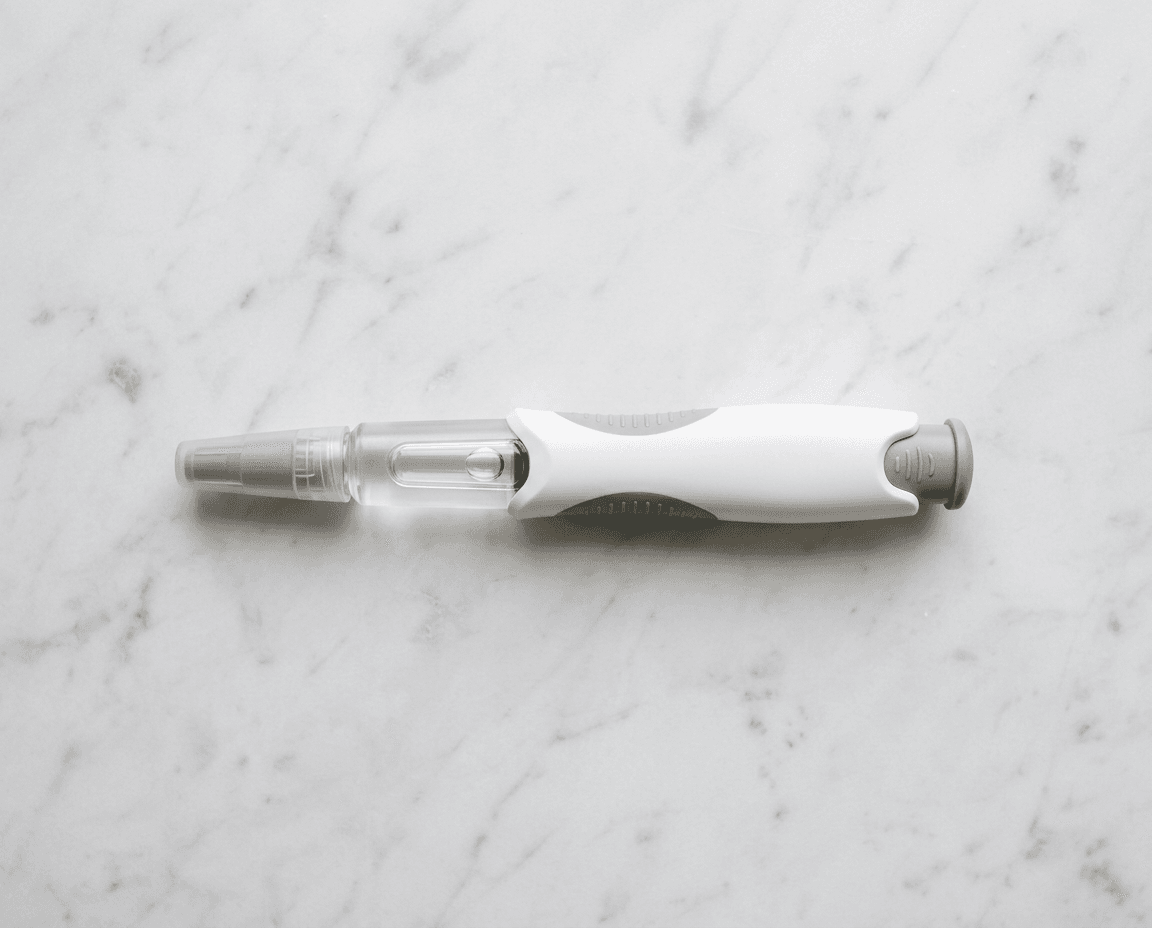
| 📌 The essentials On May 15, 2026, the FDA approved Immgolis (golimumab-sldi, Accord BioPharma) as an interchangeable biosimilar to Simponi (golimumab, Janssen), and Immgolis Intri (golimumab-sldi) as an interchangeable biosimilar to Simponi Aria (golimumab, Janssen). These are the first FDA-approved biosimilars to either reference product. Both share the same INN suffix: golimumab-sldi. Developed by Bio-Thera Solutions; commercialized in the U.S. by Accord BioPharma (a subsidiary of Intas Pharmaceuticals). Immgolis approved indications: adults with moderately to severely active rheumatoid arthritis (RA) in combination with methotrexate, and adults with moderately to severely active ulcerative colitis (UC). Immgolis Intri approved indication: adults with moderately to severely active RA in combination with methotrexate only. Administration: Immgolis is subcutaneous injection (prefilled syringe); Immgolis Intri is intravenous infusion (single-dose vial). Both carry interchangeable designation, meaning pharmacists may substitute them at the counter without calling the prescriber, subject to state law. Critical caveat for patients: Accord BioPharma plans to make both products commercially available in Q4 2026. Launch is uncertain due to active BPCIA patent litigation filed by Janssen. Janssen filed a motion for preliminary injunction on May 6, 2026. A hearing is expected August to September 2026. |
|---|
Golimumab (Simponi, Simponi Aria) is a fully human monoclonal antibody that blocks tumor necrosis factor alpha (TNF-alpha), the inflammatory cytokine that drives joint destruction in rheumatoid arthritis and the mucosal inflammation in ulcerative colitis. It is one of five TNF inhibitors currently approved in the United States. It generated approximately $1.19 to $1.2 billion in U.S. sales in 2025, making it a significant commercial target for biosimilar entry. And until May 15, 2026, not a single FDA-approved biosimilar existed for either formulation.
That changed when the FDA granted approval to Immgolis and Immgolis Intri, both developed by Bio-Thera Solutions and to be commercialized in the United States by Accord BioPharma. Both carry the coveted interchangeable designation, meaning pharmacists can substitute them for a Simponi or Simponi Aria prescription at the counter without contacting the prescriber first, in states where such substitution is permitted.
Whether patients will actually be able to access these products in the near term is a different question entirely. Active patent litigation filed by Janssen, including a preliminary injunction motion already before a federal court, means the actual launch date is uncertain even though the regulatory hurdle has been cleared.
This post covers what golimumab is and who uses it, what makes Immgolis and Immgolis Intri different from each other, what the interchangeable designation means in practice, why the Janssen lawsuit matters for access, and what patients on Simponi or Simponi Aria should know right now.
What Golimumab Is and Why It Matters in Autoimmune Disease
Golimumab is a fully human IgG1 monoclonal antibody that binds with high affinity and specificity to both soluble and transmembrane forms of human TNF-alpha, preventing it from interacting with its receptors on cell surfaces. TNF-alpha is a central mediator of the inflammatory cascade in multiple immune-mediated conditions. By neutralizing TNF-alpha, golimumab interrupts the downstream signaling that produces joint inflammation, synovial destruction, and intestinal mucosal damage.
When golimumab binds TNF-alpha, multiple pro-inflammatory biomarkers fall measurably: C-reactive protein (CRP), interleukin-6 (IL-6), intercellular adhesion molecule 1 (ICAM-1), matrix metalloproteinase 3 (MMP-3), and vascular endothelial growth factor (VEGF) all decline. These reductions reflect the broad anti-inflammatory effect of TNF blockade at multiple downstream steps.
Golimumab is currently approved under two brand names with distinct delivery formats:
Simponi (golimumab) is a subcutaneous injection given once monthly using a prefilled syringe or autoinjector. It is approved for:
- Moderately to severely active rheumatoid arthritis in combination with methotrexate
- Active ankylosing spondylitis
- Active psoriatic arthritis
- Moderately to severely active ulcerative colitis in adults who have had inadequate response to conventional therapy
Simponi Aria (golimumab) is an intravenous infusion given at weeks 0 and 4, then every 8 weeks thereafter. It is approved for:
- Moderately to severely active rheumatoid arthritis in combination with methotrexate
The two formulations are not interchangeable with each other: the same molecule is used at different doses and via different administration routes for different indications. This distinction carries through to the biosimilars as well.
Immgolis vs. Immgolis Intri: Two Products, One Molecule, Important Differences
Both Immgolis and Immgolis Intri share the same INN (international nonproprietary name): golimumab-sldi. They are derived from the same manufacturing process. However they are distinct products with distinct approved indications and routes of administration, and they should not be used interchangeably with each other.
| Immgolis (golimumab-sldi) | Immgolis Intri (golimumab-sldi) | |
|---|---|---|
| Reference product | Simponi (golimumab) | Simponi Aria (golimumab) |
| Route of administration | Subcutaneous injection (prefilled syringe) | Intravenous infusion (single-dose vial) |
| Approved for RA | Yes, in combination with methotrexate | Yes, in combination with methotrexate |
| Approved for UC | Yes (moderately to severely active) | No |
| Approved for ankylosing spondylitis | No (not part of current approval) | No |
| Approved for psoriatic arthritis | No (not part of current approval) | No |
| Interchangeable designation | Yes | Yes |
| Commercially available | Q4 2026 (pending litigation outcome) | Q4 2026 (pending litigation outcome) |
The indication scope of Immgolis and Immgolis Intri does not cover all of the indications currently on Simponi’s and Simponi Aria’s labels. Specifically, ankylosing spondylitis and psoriatic arthritis indications from the Simponi label are not included in the current Immgolis approval. Patients using Simponi for ankylosing spondylitis or psoriatic arthritis should not assume Immgolis is interchangeable for their specific indication until confirmed with their prescriber and insurer.
What Interchangeable Designation Means Here
Both Immgolis and Immgolis Intri received interchangeable designation from the FDA, the highest standard available for a biosimilar. This requires not only demonstrating biosimilarity (highly similar structure, function, and safety to the reference product) but also completing switching studies showing that patients who alternate between the biosimilar and the reference product do not experience greater risk or reduced efficacy compared to patients who remain on either product alone.
In practical terms, interchangeable designation means:
- A pharmacist can substitute Immgolis for a Simponi prescription without contacting the prescriber first, in states that permit pharmacy-level substitution
- A pharmacist can substitute Immgolis Intri for a Simponi Aria prescription under the same conditions
- The FDA has determined that switching between the biosimilar and the reference product is clinically appropriate
The evidence basis for both approvals was described by the FDA as a comprehensive review of structural and functional product quality attributes, including those known to affect safety and efficacy, plus a human pharmacokinetic similarity study showing comparable drug exposure and immunogenicity results between Immgolis and Simponi.
For a broader explanation of how biosimilar and interchangeable designations work and why the distinction matters at the pharmacy counter, see our post on PONLIMSI and the denosumab biosimilar landscape, which covers this regulatory framework in detail.
Safety: The Boxed Warning and What Patients and Clinicians Need to Know
Immgolis and Immgolis Intri carry the same boxed warnings as their reference products. These warnings apply to the golimumab molecule regardless of which manufacturer produces it.
| Boxed warning: serious infections and malignancy TNF inhibitors including golimumab increase the risk of serious infections that may lead to hospitalization or death, including tuberculosis (TB), bacterial sepsis, invasive fungal infections, and infections due to other opportunistic pathogens. Testing for latent tuberculosis is required before initiating therapy. Treatment of latent TB must be completed before starting golimumab in most cases. Monitor all patients for signs and symptoms of active infection during treatment. Lymphoma and other malignancies, some fatal, have been reported in children and adolescent patients treated with TNF blockers. Immgolis and Immgolis Intri are not approved for use in pediatric patients. In adult patients, an increased rate of lymphoma relative to the general population has been observed. The overall benefit-risk profile remains favorable for the approved indications, but the malignancy risk is a labeled concern requiring monitoring. |
|---|
Additional warnings and precautions:
- Hepatitis B reactivation: Screen for HBV infection before initiating treatment. Patients who are HBV surface antigen positive require antiviral prophylaxis in most cases. Fatal HBV reactivation has been reported with TNF inhibitors.
- Demyelinating disorders: New onset or exacerbation of central and peripheral demyelinating disorders, including multiple sclerosis, have been reported with TNF blockers. Discontinue if these develop.
- Heart failure: Worsening or new-onset congestive heart failure has been reported. Avoid use in patients with moderate to severe heart failure.
- Autoimmune reactions: Drug-induced lupus-like syndrome is rare but reported. Discontinue if suspected.
- Live vaccines: Do not administer live vaccines to patients receiving golimumab products. The diminished immune response may make vaccines less effective and live vaccines may cause infections.
- Concomitant biologics: Use with abatacept, anakinra, or other biologic DMARD combinations increases the risk of serious infections and is generally not recommended.
Common adverse events from golimumab clinical experience include upper respiratory tract infections, nasopharyngitis, and injection site reactions for the subcutaneous formulation, and infusion-related reactions for the IV formulation.
The Janssen Patent Litigation: Why the Launch Date Is Uncertain
This is the most important practical piece of information for patients considering these products.
Regulatory approval and commercial availability are two distinct things, and the gap between them in this case is substantial.
The timeline of the litigation:
- March 3, 2026: Janssen Biotech Inc. and Janssen Sciences Ireland UC filed a BPCIA (Biologics Price Competition and Innovation Act) patent infringement complaint against Bio-Thera Solutions and Accord BioPharma in the U.S. District Court for the District of Delaware (Case No. 1:26-cv-00222). The complaint asserts infringement of 17 patents related to golimumab, spanning manufacturing claims, method-of-treatment claims, and composition claims.
- March 20, 2026: Accord, Intas, and Bio-Thera filed four inter partes review (IPR) petitions at the USPTO challenging four of the Janssen patents. The challenged patents cover method-of-treatment claims related to intravenous golimumab dosing.
- May 6, 2026: Janssen filed a motion for preliminary injunction, seeking a court order that would block Accord and Bio-Thera from launching Immgolis and Immgolis Intri in the United States while the patent case is decided.
- June 8, 2026: Accord BioPharma and Bio-Thera’s responsive brief to the preliminary injunction motion is due.
- August to September 2026: Preliminary injunction hearing expected.
- Q4 2026: Accord BioPharma’s stated launch target, which is contingent on the litigation outcome.
| What a BPCIA preliminary injunction means The Biologics Price Competition and Innovation Act created specific procedures for patent disputes between reference product sponsors (like Janssen) and biosimilar applicants. A preliminary injunction is a court order that can halt commercial launch while the underlying patent dispute is resolved, even after FDA approval. If the court grants Janssen’s motion, Immgolis and Immgolis Intri could not be sold in the United States until the litigation concludes or the injunction is lifted, even though the FDA approval is final. If the court denies the motion, Accord and Bio-Thera can proceed with their planned Q4 2026 launch while litigation continues. The court’s decision on the preliminary injunction will depend on Janssen’s ability to show a likelihood of success on the merits of its patent claims and that irreparable harm would result from allowing the launch to proceed. Given that 17 patents are asserted, the litigation is likely to be complex and prolonged regardless of the preliminary injunction outcome. |
|---|
The Alvotech/Teva context: A competing golimumab biosimilar (AVT05, golimumab) developed by Alvotech and Teva received a Complete Response Letter from the FDA in November 2025 following manufacturing concerns at Alvotech’s facility in Reykjavik, Iceland. Alvotech planned resubmission in Q2 2026. If AVT05 is ultimately approved, it would be the second golimumab biosimilar and would add competitive pricing pressure to the market.
What This Means for Patients on Simponi or Simponi Aria
Should you switch right now?
No. Immgolis and Immgolis Intri are approved but not yet commercially available. Accord BioPharma has stated a Q4 2026 launch target, which is subject to the litigation outcome. Patients currently stable on Simponi or Simponi Aria should remain on their current regimen until their rheumatologist initiates a conversation about any formulary change.
What will change when these products launch?
When Immgolis and Immgolis Intri become available, several things may happen depending on your insurance plan:
- Your insurer may add one or both biosimilars to its preferred formulary tier, potentially lowering your copay if you switch
- Your pharmacy may substitute the biosimilar for a Simponi or Simponi Aria prescription at the counter, given the interchangeable designation, and must notify you and your prescriber
- Step therapy requirements could shift, with insurers potentially requiring biosimilar trial before covering the originator
What to do if your pharmacist substitutes a biosimilar
If your pharmacist substitutes Immgolis for your Simponi prescription or Immgolis Intri for your Simponi Aria prescription, they are required by law in most states to notify you of the substitution and to notify your prescriber. The FDA has determined these products are clinically interchangeable. If you have concerns about a substitution, you or your prescriber can request “dispense as written” on your prescription to prevent automatic substitution.
What cannot be substituted for what
Immgolis (subcutaneous) is interchangeable with Simponi, not with Simponi Aria. Immgolis Intri (intravenous) is interchangeable with Simponi Aria, not with Simponi. The two Immgolis products cannot be substituted for each other, because they have different routes of administration, doses, and indications.
Additionally, Immgolis and Immgolis Intri do not yet carry indications for ankylosing spondylitis or psoriatic arthritis. Patients using Simponi for either of those conditions should discuss with their rheumatologist before any switch is considered.
The Broader Context: The Simponi Market and TNF Inhibitor Biosimilars
Simponi and Simponi Aria generated combined U.S. sales of approximately $1.19 to $1.2 billion in 2025, making golimumab one of the last major TNF inhibitors to face biosimilar competition. Adalimumab (Humira) now has more than a dozen approved biosimilars and has seen substantial price competition. Etanercept (Enbrel) and infliximab (Remicade) have also seen biosimilar market entry. Golimumab has remained relatively insulated until now.
The arrival of interchangeable biosimilars is typically the moment at which meaningful price competition can begin, because interchangeability allows formulary switching at the pharmacy level without the prescriber friction that limits non-interchangeable biosimilars. Whether Immgolis and Immgolis Intri produce Simponi price reductions comparable to what adalimumab biosimilars achieved with Humira will depend on the litigation outcome, Accord’s pricing strategy, and the pace of formulary decisions by major pharmacy benefit managers.
Patients with rheumatoid arthritis and ulcerative colitis who are currently priced out of golimumab therapy have the most to gain from effective biosimilar competition. For those on Simponi for ankylosing spondylitis or psoriatic arthritis, the current Immgolis approval does not directly apply, though the existence of approved biosimilars may influence Janssen’s own pricing decisions over time.
For related HED coverage of the biosimilar market dynamics in other drug classes, see our post on PONLIMSI and why FDA biosimilar approvals do not automatically translate to patient savings and our post on interchangeable basal insulin biosimilars and what the approval of Langlara means for insulin access.
Sources
FDA approval announcement: FDA approves first interchangeable biosimilars to Simponi and Simponi Aria (golimumab) to treat rheumatoid arthritis and ulcerative colitis. FDA.gov. May 15, 2026.
Accord BioPharma press release: FDA Approves IMMGOLIS (golimumab-sldi) and IMMGOLIS INTRI (golimumab-sldi), First Biosimilars to Simponi (golimumab) and Simponi Aria (golimumab); Accord BioPharma to Lead U.S. Commercialization. PRNewswire. May 18, 2026.
Bio-Thera Solutions press release: Bio-Thera Solutions’ Golimumab Biosimilars Receive FDA Approval as First Biosimilars to Simponi and Simponi Aria. BioSpace. May 18, 2026.
Medscape clinical coverage: FDA Approves First Golimumab Biosimilars to Treat Rheumatoid Arthritis and Ulcerative Colitis. Medscape. May 18, 2026.
BioPharm International: FDA Approves First Golimumab Biosimilars from Accord BioPharma. biopharminternational.com. May 2026.
Drug Topics clinical summary: FDA Approves Golimumab-Sldi as First Biosimilar for Simponi. drugtopics.com. May 2026.
Patent litigation (Big Molecule Watch): FDA Approves First Interchangeable Biosimilars to Simponi and Simponi Aria; Janssen Seeks a Preliminary Injunction to Block Their Launch. bigmoleculewatch.com. May 22, 2026.
Janssen BPCIA complaint (Bloomberg Law): J&J’s Janssen Targets Accord Simponi Biosimilars in Patent Suit. bloomberglaw.com. March 2026.
Accord/Bio-Thera IPRs: Accord and Bio-Thera File Four IPRs Challenging Janssen Simponi Patents. biologicshq.com. March 27, 2026.
Pearce IP litigation summary: Bio-Thera/Accord BioPharma Secure First FDA Approval of Golimumab Biosimilars. pearceip.law. May 2026.
Simponi reference FDA approval: FDA approves golimumab (Simponi). FDA.gov.
Simponi Aria reference FDA approval: FDA approves golimumab (Simponi Aria). FDA.gov.
Golimumab mechanism: Golimumab. StatPearls. NCBI.
TNF-alpha biology: Tumor Necrosis Factor. StatPearls. NCBI.
CRP reference: C-Reactive Protein. StatPearls. NCBI.
BPCIA framework: Biosimilar Development, Review, and Approval. FDA.gov.
FDA interchangeable biosimilars: Biosimilar and Interchangeable Products. FDA.gov.
NIAMS RA overview: Rheumatoid Arthritis. niams.nih.gov.
NIAMS ankylosing spondylitis: Ankylosing Spondylitis. niams.nih.gov.
NIAMS psoriatic arthritis: Psoriatic Arthritis. niams.nih.gov.
NIDDK ulcerative colitis: Ulcerative Colitis. niddk.nih.gov.
TB testing before biologics: Testing for Latent TB Infection. CDC.
Patient resources: Arthritis Foundation | Crohn’s and Colitis Foundation | NIAMS Rheumatoid Arthritis
| Disclaimer: Health Evidence Digest provides general information about FDA approvals and health research for educational purposes. This content is not a substitute for professional medical advice. Immgolis and Immgolis Intri are FDA-approved but not yet commercially available; planned Q4 2026 launch is subject to ongoing patent litigation. Decisions about switching between golimumab products should be made in consultation with a qualified rheumatologist or gastroenterologist familiar with your complete treatment history and indication. |
|---|