Tag: rheumatoid arthritis

  • Xeljanz Was the First Oral JAK Inhibitor Approved in the U.S. And Then a Mandatory Safety Trial Changed How the Entire Class Is Used. Its Generic Is Already Here. Here Is What the Science, the Safety Data, and the LOE Mean for Patients.

    Xeljanz Was the First Oral JAK Inhibitor Approved in the U.S. And Then a Mandatory Safety Trial Changed How the Entire Class Is Used. Its Generic Is Already Here. Here Is What the Science, the Safety Data, and the LOE Mean for Patients.

    The essentials: Xeljanz (tofacitinib, Pfizer) was the first-in-class oral JAK inhibitor approved in the world, receiving FDA approval in November 2012 for rheumatoid arthritis. Five indications now: moderate to severe rheumatoid arthritis (RA), psoriatic arthritis (PsA), ulcerative colitis (UC), ankylosing spondylitis (AS), and polyarticular course juvenile idiopathic arthritis (pcJIA). Mechanism: oral small-molecule inhibitor of JAK1, JAK2, JAK3, and to a lesser extent TYK2, blocking the intracellular signaling pathway that dozens of pro-inflammatory cytokines share. Xeljanz generated approximately $625 million in U.S. sales in 2025. The pivotal safety trial: ORAL Surveillance (NCT02092467), a mandated post-marketing Phase 3b/4 trial (n=4,362), found tofacitinib was associated with higher rates of MACE, malignancy, and all-cause mortality compared to TNF inhibitors in RA patients aged 50 and older with cardiovascular risk factors. This resulted in a boxed warning encompassing serious infections, mortality, malignancy, MACE, and thrombosis, and repositioned tofacitinib as a second-line option only after TNF inhibitor failure in RA and PsA. The FDA extended this class-level boxed warning to all JAK inhibitors. Generic entry: the FDA approved the first generic tofacitinib citrate from Ajanta Pharma in August 2025. Full generic competition is now underway. Current Xeljanz list price: approximately $5,000 to $6,000 per month for standard 5 mg twice-daily RA dosing. Expected generic price with multi-source competition: approximately $1,000 to $1,200 per month initially, declining further as competition deepens. The safety warning applies to generic tofacitinib identically to the brand. Generic availability does not make the drug safer for high-cardiovascular-risk patients.
    📚 About this series: the 2026 Loss of Exclusivity Watch This is the final post of HED’s 2026 Loss of Exclusivity series, tracking the ten major drugs losing U.S. exclusivity this year. The full series covers: Xolair (omalizumab)Pomalyst (pomalidomide)Opsumit (macitentan)Januvia/Janumet (sitagliptin)Simponi (golimumab)Mavenclad (cladribine)Gattex (teduglutide)Trintellix (vortioxetine)Briviact (brivaracetam) • Xeljanz (tofacitinib). Each post follows the same format: what the drug is and how it works, what the clinical evidence shows, who uses it and why, and what the entrance of competition means for patients, prescribers, and the market.

    When tofacitinib received FDA approval in November 2012, it was the first oral small-molecule disease-modifying antirheumatic drug approved in the United States in more than a decade and the first-in-class JAK inhibitor anywhere in the world. The approval was the culmination of a genuinely novel drug discovery effort: identifying a target inside the immune cell rather than outside it, designing a molecule small enough to cross cell membranes and block the enzyme, and demonstrating that blocking this enzyme could match the efficacy of the injectable biologics that had dominated inflammatory disease treatment for the preceding decade.

    The JAK inhibitor class built on the Xeljanz foundation quickly became one of the most scientifically exciting and clinically contested drug classes in modern medicine. The excitement came from oral administration, rapid onset, broad efficacy across multiple autoimmune diseases, and a reversible mechanism that offered a different risk-benefit profile from continuous biologic immunosuppression. The controversy came from a mandatory post-marketing safety trial, ORAL Surveillance, whose results landed in 2021 and fundamentally reshaped how the entire class is prescribed.

    The FDA concluded, based on its completed review of the ORAL Surveillance trial data, that there is an increased risk of serious heart-related events such as heart attack or stroke, cancer, blood clots, and death with tofacitinib, and required a boxed warning for major adverse cardiovascular events, mortality, malignancy, and thrombosis.

    Xeljanz generated approximately $625 million in U.S. sales in 2025, down substantially from its peak, with the revenue decline driven by both the prescribing restrictions that followed the safety warning and the early entry of generic competition. The first generic tofacitinib was approved by Ajanta Pharma in August 2025. As of 2026, full generic entry is underway, with prices expected to fall approximately 80%, mirroring the trajectory seen with JAK inhibitor generics in international markets.

    This final post in the 2026 LOE series covers tofacitinib’s path from first-in-class JAK inhibitor to a heavily scrutinized drug now entering a generic market, the JAK-STAT pathway it targets, what the ORAL Surveillance data actually says and what it does not say, what it means to prescribe or take tofacitinib in the context of those safety findings, how it compares to the newer and more selective JAK inhibitors that followed it, and what the generic transition means for patients who have been well-controlled on it for years.


    What Tofacitinib Treats: Five FDA-Approved Indications

    Tofacitinib is FDA-approved for five indications. The breadth of that indication portfolio reflects the JAK-STAT pathway’s central role across multiple immune-mediated inflammatory diseases: the same molecular bottleneck drives inflammation in RA synovium, psoriatic joints, ulcerative colitis mucosa, and the axial skeleton in ankylosing spondylitis.

    Rheumatoid arthritis is the primary indication and the one with the deepest evidence base. Since the ORAL Surveillance safety update in December 2021, tofacitinib is specifically indicated for adults with moderate to severe active RA who have had inadequate response or intolerance to one or more TNF blockers. It is no longer a first-line option for RA.

    Psoriatic arthritis follows the same post-TNF-failure positioning. Tofacitinib is approved for adults with active PsA who have had inadequate response or intolerance to one or more TNF blockers.

    Ulcerative colitis is approved at a higher induction dose (10 mg twice daily for the induction phase, then 5 mg twice daily maintenance, or 10 mg maintenance in patients who do not achieve adequate control), making the UC indication pharmacologically distinct from RA and PsA in terms of dose management.

    Polyarticular course juvenile idiopathic arthritis (pcJIA) extends the approved population to children aged 2 years and older, one of the few JAK inhibitor indications in a pediatric population.

    Ankylosing spondylitis received its U.S. approval in 2021, positioning tofacitinib as an oral alternative to the TNF inhibitor and IL-17 inhibitor biologics that had previously been standard for biologic-eligible axial spondyloarthritis patients.


    The JAK-STAT Pathway: How Tofacitinib Works

    To understand tofacitinib’s mechanism and why blocking it suppresses inflammation so broadly, it helps to understand the JAK-STAT signaling pathway, one of the most fundamental communication systems in the immune cell.

    When cytokines bind to their receptors on the surface of immune cells, they trigger a cascade of intracellular signaling events. The first step after receptor activation is the cross-phosphorylation of Janus kinase (JAK) proteins, which are bound to the intracellular portion of the cytokine receptor. There are four JAK family members: JAK1, JAK2, JAK3, and TYK2. Different cytokine receptors pair different JAK family members; the specific JAK pair activated determines which downstream signaling molecules are engaged.

    Once activated, JAKs phosphorylate STAT proteins, signal transducers and activators of transcription. Phosphorylated STATs form dimers, translocate to the nucleus, and directly activate transcription of genes involved in immune cell proliferation, survival, differentiation, and cytokine production. The result is rapid amplification of the inflammatory signal that began at the cell surface.

    Tofacitinib exerts its mechanism by inhibiting intracellular nonreceptor tyrosine kinase JAK enzymes. It inhibits JAK1, JAK2, JAK3, and to a lesser extent TYK2. In cellular settings where JAK kinases signal in pairs, tofacitinib preferentially inhibits signaling by heterodimeric receptors associated with JAK3 and JAK1, with functional selectivity over receptors that signal via pairs of JAK2.
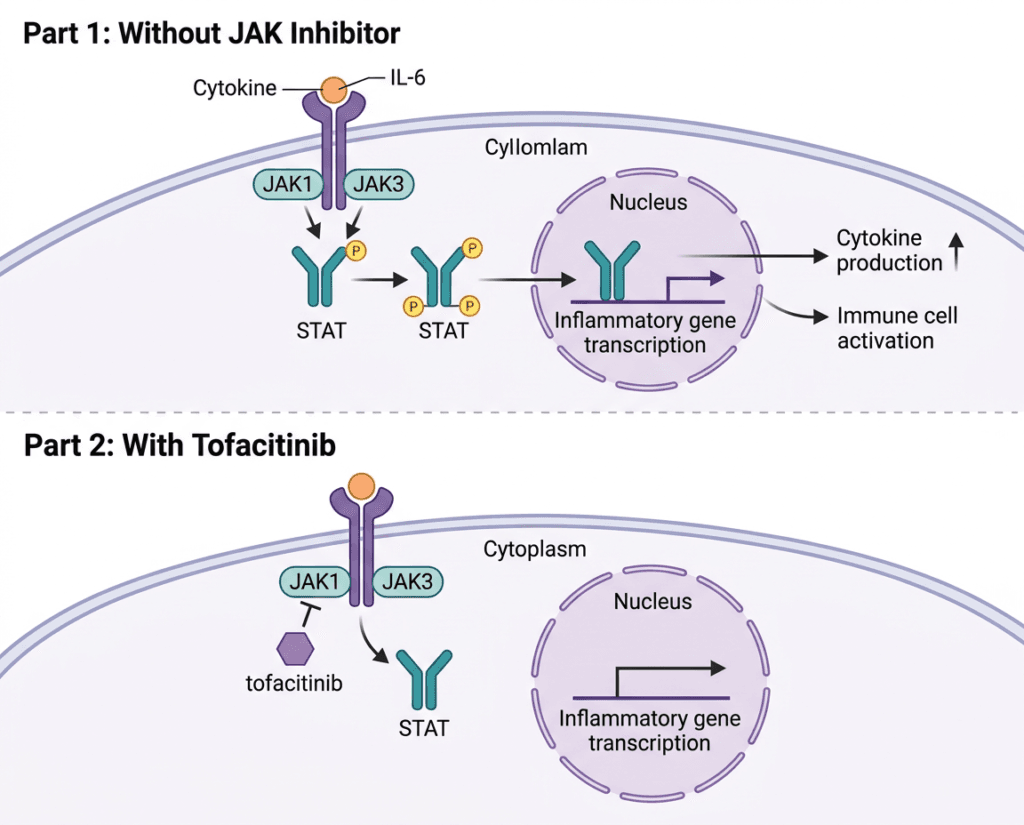
    Inhibition of JAK1 and JAK3 blocks signaling through the common gamma chain-containing receptors for several cytokines, including interleukin-2, -4, -7, -9, -15, and -21. These cytokines are integral to lymphocyte activation, development, proliferation, and function. Rather than targeting one cytokine extracellularly the way a biologic monoclonal antibody does, tofacitinib enters the cell and blocks a signaling enzyme that multiple cytokine pathways share. The breadth of that blockade is both the source of its efficacy across multiple diseases and the mechanistic explanation for some of its safety concerns.

    JAK pair inhibitedCytokines affectedClinical relevance
    JAK1/JAK3 (primary targets)IL-2, IL-4, IL-7, IL-9, IL-15, IL-21Lymphocyte activation and proliferation; adaptive immunity modulation
    JAK1/JAK2IL-6, IL-10, IL-11, IFN-alpha, IFN-betaAcute phase response, inflammatory signaling, innate immunity
    JAK2/TYK2IL-12, IL-23T-helper cell differentiation; relevant in psoriasis and IBD
    JAK1/TYK2Type I interferonsAntiviral defense; relevant to infection risk

    The ORAL Surveillance Story: What the Data Actually Shows

    No discussion of tofacitinib in 2026 can be complete without a thorough and honest account of ORAL Surveillance. It is the single most consequential clinical trial in the history of the JAK inhibitor class and the source of the boxed warning that now governs every tofacitinib prescription.

    What the trial was: ORAL Surveillance (NCT02092467) was a Phase 3b/4 open-label, randomized post-marketing safety study mandated by the FDA. The trial enrolled 4,362 patients with moderate to severe rheumatoid arthritis on methotrexate background therapy, all aged 50 years or older and with at least one additional cardiovascular risk factor. Patients were randomized to tofacitinib 5 mg twice daily, tofacitinib 10 mg twice daily, or a TNF inhibitor (adalimumab in North America, etanercept elsewhere).

    What the primary endpoint was: Non-inferiority of tofacitinib to TNF inhibitors for two co-primary endpoints: major adverse cardiovascular events (MACE, defined as cardiovascular death, myocardial infarction, and stroke) and malignancy (excluding non-melanoma skin cancer). The pre-specified non-inferiority margin was an upper bound of 1.8 for the hazard ratio confidence interval.

    What the results showed: ORAL Surveillance failed to demonstrate non-inferiority of tofacitinib to TNF inhibitors for both MACE and malignancy. Tofacitinib was associated with numerically higher rates of MACE and malignancy than TNF inhibitors in this high-cardiovascular-risk population.

    At the FDA-approved 5 mg twice-daily dose, the number needed to harm was 567 patient-years for MACE and 276 patient-years for malignancy, translating to one additional MACE per approximately 113 patients and one additional cancer per approximately 55 patients treated with tofacitinib instead of a TNF inhibitor over a five-year period. Cancer risk was higher in patients over age 65 (HR 1.70; 95% CI 1.00 to 2.90) than in younger patients (HR 1.36; 95% CI 0.85 to 2.17).

    The critical limitations that honest interpretation requires:

    First, ORAL Surveillance enrolled a deliberately high-risk population, patients aged 50 and older with established cardiovascular risk factors. The trial lacked a group that was neither a JAK inhibitor nor a TNF inhibitor, meaning it can only compare tofacitinib to TNF blockers, not to placebo or to the underlying disease-related risk. The results therefore quantify the difference in risk between tofacitinib and TNF inhibitors in high-risk patients, not the absolute risk in a typical tofacitinib patient population.

    Second, the FDA’s decision to extend the boxed warning to all patients and all JAK inhibitors, not just the high-risk RA population in ORAL Surveillance, was a policy judgment that has been debated in the rheumatology community. Real-world registry data from the Corrona registry, comparing the safety of tofacitinib to other biologics in a broader patient population, found no differences in MACE, serious infection events, malignancy, or death, representing some of the longest-term real-life safety data available for tofacitinib.

    Third, the 10 mg twice-daily dose showed more pronounced safety signals than the 5 mg dose, specifically for pulmonary embolism and all-cause mortality. The 10 mg dose is not approved for RA or PsA; its use is limited to the ulcerative colitis induction period. The class warning effectively applied findings from a dose used in RA only in the trial to clinical contexts where that dose would never be used.

    The honest clinical summary: ORAL Surveillance demonstrated a real safety signal for cardiovascular events and malignancy in a high-cardiovascular-risk population of RA patients aged 50 and older when comparing tofacitinib to TNF inhibitors. That signal is clinically meaningful for patient selection. It does not characterize the risk-benefit profile in all patients across all indications, and the magnitude of risk in lower-risk patients is substantially less certain.


    The Safety Profile: What the Prescribing Information Requires

    The Xeljanz prescribing information contains one of the most extensive boxed warning sections in rheumatology, encompassing six distinct categories of serious risk. The infection screening requirements parallel those for the biologic TNF inhibitors discussed in Post 5 of this series on golimumab and the Simponi LOE: tuberculosis screening before initiating, hepatitis B screening, and updated vaccination status are all required. Live vaccines are contraindicated during tofacitinib therapy.

    Safety categoryDetailsClinical guidance
    Serious infections (boxed warning)Increased risk of bacterial, fungal, viral, and opportunistic infections including tuberculosis. Risk is elevated with concomitant immunosuppressives.Screen for latent TB before initiating. Evaluate for active infection before each refill. Hold tofacitinib during active serious infection.
    Mortality (boxed warning)Higher rate of all-cause mortality including sudden cardiovascular death compared to TNF blockers in ORAL Surveillance RA patients.Use only after failure of TNF inhibitor in RA and PsA. Avoid in patients at high cardiovascular risk unless no suitable alternatives exist.
    Malignancy (boxed warning)Higher rates of lymphoma and lung cancer with tofacitinib versus TNF blockers. Risk increased in patients 65 and older, current or past smokers, and those with known malignancy risk factors.Avoid in patients with known malignancy other than treated non-melanoma skin cancer. Consider alternatives in patients with significant cancer risk factors, especially current or past smokers over 65.
    MACE (boxed warning)Higher rate of MACE (cardiovascular death, MI, stroke) versus TNF blockers in ORAL Surveillance, particularly in patients 65 and older, smokers, and those with cardiovascular risk factors.Use with caution in patients with cardiovascular disease. Avoid in patients at high CV risk unless no suitable alternatives are available.
    Thrombosis (boxed warning)Increased incidence of pulmonary embolism, venous thrombosis, and arterial thrombosis, primarily at the 10 mg twice-daily dose.Use with caution in patients with risk factors for VTE. Promptly evaluate patients reporting signs of DVT or PE.
    Herpes zoster reactivationRates of herpes zoster higher with tofacitinib than with TNF inhibitors.Ensure zoster vaccination before starting tofacitinib where possible. Monitor during treatment.
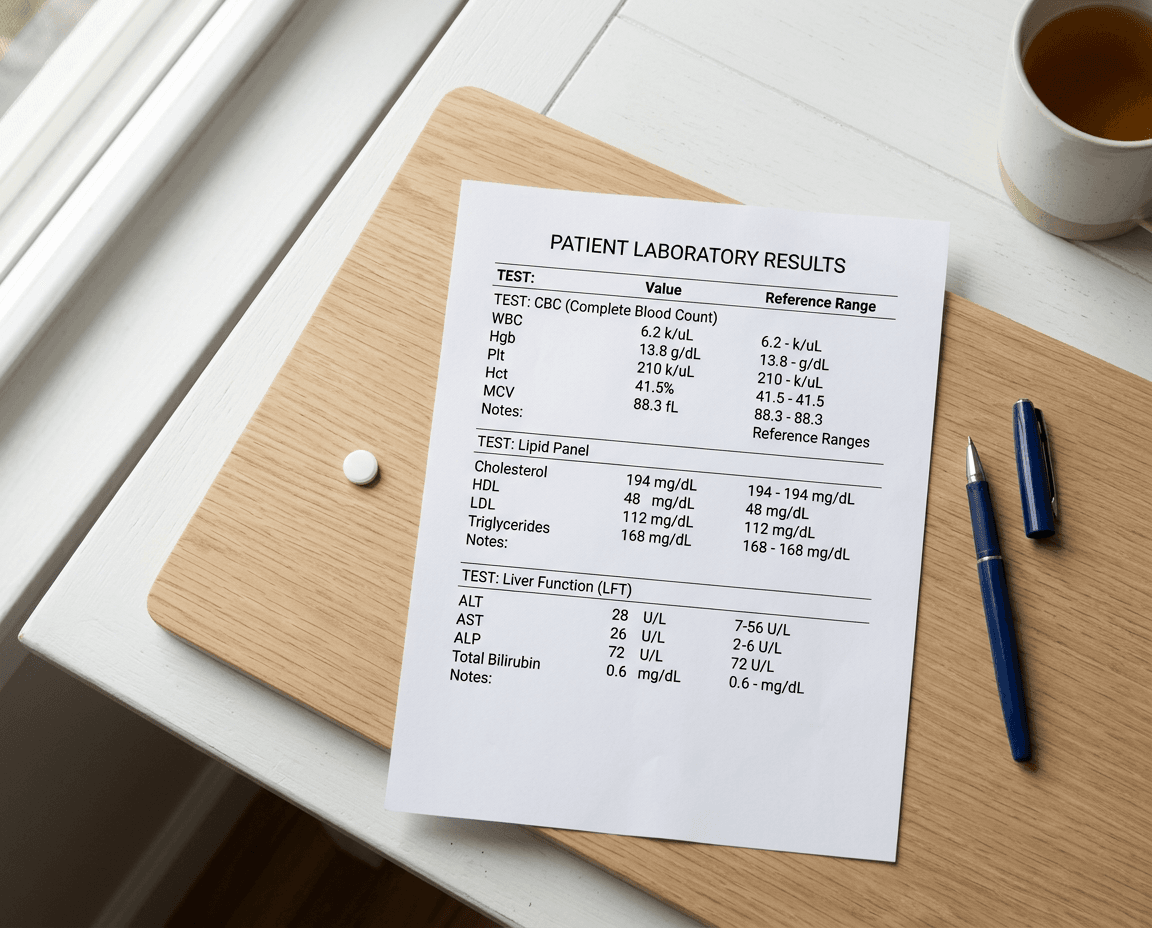
    HyperlipidemiaDose-dependent increases in total cholesterol, LDL, and HDL.Monitor lipid levels 4 to 8 weeks after initiating. Manage dyslipidemia per standard clinical guidelines.
    AnemiaHemoglobin decreases observed; avoid initiating in patients with hemoglobin below 9 g/dL.Monitor CBC during treatment.
    GI perforationsCases of GI perforation reported, particularly in patients with Crohn’s disease or diverticulitis.Use with caution in patients at increased risk for GI perforations.
    Renal and hepatic impairmentDose reduction required in moderate renal impairment (eGFR 30 to 60 mL/min) or moderate hepatic impairment. Avoid in severe impairment.Assess renal and hepatic function at baseline and periodically.

    How Tofacitinib Compares to the Newer JAK Inhibitors

    Tofacitinib’s approval opened the door to a JAK inhibitor generation that has continued to evolve. Baricitinib (Olumiant), upadacitinib (Rinvoq), and filgotinib (Jyseleca, approved in Europe but not the U.S.) are more selective for specific JAK isoforms, primarily JAK1, compared to tofacitinib’s broader JAK1/JAK2/JAK3 inhibition.

    AgentPrimary targetKey indicationsSelectivity profileSafety class warning
    Tofacitinib (Xeljanz)JAK1/JAK3RA, PsA, UC, AS, pcJIABroad: inhibits JAK1, 2, 3Full boxed warning (class)
    Baricitinib (Olumiant)JAK1/JAK2RA, alopecia areata, COVID-19Preferential JAK1/JAK2Full boxed warning (class)
    Upadacitinib (Rinvoq)JAK1-selectiveRA, PsA, AS, AD, UC, Crohn’sHighest JAK1 selectivity in classFull boxed warning (class)

    The theoretical advantage of JAK1 selectivity is that JAK3 inhibition disrupts common gamma chain cytokine signaling (IL-2, IL-7, IL-15) more dramatically and may contribute to a broader immunosuppressive effect that is not necessary for anti-inflammatory benefit in most autoimmune diseases. Whether this translates to meaningful real-world safety differences between agents in the class is still being studied. The FDA extended the class-level boxed warning to all JAK inhibitors in 2021 based on ORAL Surveillance findings, pending further evidence from the class.

    For patients: the arrival of generic tofacitinib does not make it the automatic choice over newer, still-branded JAK inhibitors. The prescribing decision should still be driven by individual patient characteristics, cardiovascular risk, prior treatment history, specific indication, and comorbidities, with the rheumatologist or gastroenterologist making a risk-stratified recommendation. What the generic does mean is that tofacitinib becomes far more accessible for patients in whom it is the appropriate choice and for whom cost has been a barrier.


    The Generic Entry: What Has Already Happened

    The primary composition-of-matter patent for tofacitinib expired in December 2025. In August 2025, the FDA approved the first generic tofacitinib citrate from Ajanta Pharma, Ltd., marking the first generic entry into the Xeljanz market.

    As of 2026, full generic entry is underway. Multiple manufacturers have filed ANDAs for generic tofacitinib tablets and extended-release tablets (Xeljanz XR). The immediate-release 5 mg and 10 mg tablets are the highest-volume products; the extended-release 11 mg once-daily tablet has its own separate patent profile and may follow a slightly different generic timeline.

    As a small molecule, Xeljanz is far more straightforward to replicate than the monoclonal antibodies used in similar indications. Unlike the biologics covered in this series, golimumab (Simponi) and omalizumab (Xolair), which require complex manufacturing, stability verification, and specialized storage, generic tofacitinib tablets are produced through conventional pharmaceutical chemistry and distributed through standard pharmacy channels. This raises the prospect of rapid substitution, particularly in healthcare systems under cost pressure.

    The current Xeljanz list price is approximately $5,000 to $6,000 per month for standard 5 mg twice-daily RA dosing. At approximately 80% price erosion, generic tofacitinib would reach approximately $1,000 to $1,200 per month initially, falling further as competition deepens. For health systems globally where JAK inhibitors have often been reserved for patients with access to payer-negotiated or government-reimbursed pricing, generic availability may meaningfully expand treatment reach.

    Pfizer’s response to the LOE includes a branded copay assistance program. As with most specialty drug LOE events in this series, commercial copay assistance for insured patients slows but does not prevent market conversion, with the main beneficiaries of the generic being uninsured patients, Medicare patients, and health systems negotiating formulary contracts.


    What Patients Currently on Xeljanz Should Know

    If you are currently taking Xeljanz and your disease is well controlled, the generic transition is clinically straightforward. Generic tofacitinib citrate is the same molecule, at the same dose, with the same mechanism. Your disease-modifying benefit, your infection risk, and your safety monitoring requirements are unchanged by the switch from brand to generic.

    What does change is cost, in your favor, as formularies transition to preferring the lower-cost generic. Expect formulary notifications about generic tofacitinib in 2026 and into 2027. When that notification arrives, discuss it with your rheumatologist or gastroenterologist at your next visit, not as a cause for alarm, but to confirm your dose and monitoring schedule remain appropriate.

    If you are in the high-cardiovascular-risk population that ORAL Surveillance studied, aged 65 or older with cardiovascular risk factors, or a current or past smoker, the prescribing conversation with your rheumatologist should specifically address whether tofacitinib remains the best option for you given the ORAL Surveillance findings, or whether a TNF inhibitor might be more appropriate for your individual risk profile. Generic availability does not change the safety data. It does not make the drug safer for high-risk patients. The boxed warning applies to the generic exactly as it applies to the brand.

    For patients newly diagnosed with RA, PsA, or AS: the label now requires demonstrating inadequate response or intolerance to at least one TNF blocker before starting tofacitinib. The generic’s arrival does not change that positioning. It remains a drug for the second-line and later autoimmune treatment setting.

    For related HED coverage on other JAK inhibitor approvals and autoimmune disease treatment developments in 2026, see our post on the Simponi (golimumab) LOE and the Immgolis biosimilar litigation and our post on Fasenra (benralizumab) receiving a new indication for hypereosinophilic syndrome.


    📌 A note on the completed series This post closes out HED’s 2026 Loss of Exclusivity Watch, a 10-post series covering drugs that generated over $17 billion in combined annual U.S. sales now entering the competitive generic and biosimilar market. The series spanned four therapeutic areas and three drug modalities: small molecules (sitagliptin, cladribine, vortioxetine, brivaracetam, tofacitinib, macitentan), a peptide biologic (teduglutide), and injectable biologics (golimumab, omalizumab, pomalidomide). What runs through every post — from Xolair’s interchangeable biosimilar to generic cladribine’s patent invalidation to Xeljanz’s generic entry — is the same fundamental tension in pharmaceutical markets. The periods of exclusivity that fund drug development are real and often necessary. The prices those exclusivity periods produce are frequently out of reach for the patients who need the drugs most. And the generic and biosimilar transitions that eventually bring prices down are complicated, incomplete, and slower in the U.S. than in most other developed health systems. The 2026 patent cliff does not resolve that tension. But for millions of patients currently priced out of Januvia, Trintellix, Mavenclad, Briviact, and Xeljanz, it moves the needle in a meaningful direction.

    Sources

    Xeljanz FDA approval: FDA approves tofacitinib for rheumatoid arthritis. FDA.gov. November 2012.

    FDA boxed warning update (December 2021): FDA requires warnings about increased risk of serious heart-related events, cancer, blood clots, and death for JAK inhibitors. FDA.gov. December 2021.

    First generic tofacitinib approval (Ajanta Pharma, August 2025): ANDA Drug Approval Database. FDA.gov.

    Patent expiry and generic pricing: XELJANZ patent and generic information. DrugPatentWatch. | The next pharma patent cliff: how 2026 to 2032 will reshape revenue. Labiotech. March 2026.

    ORAL Surveillance trial registration: NCT02092467. ClinicalTrials.gov.

    ORAL Surveillance primary publication: Ytterberg SR et al. Cardiovascular and Cancer Risk with Tofacitinib in Rheumatoid Arthritis. NEJM. 2022;386(4):316–326. doi:10.1056/NEJMoa2109927.

    ORAL Surveillance NNH analysis: JAK inhibitors and black box warnings: what is the future for JAK inhibitors? PMC10615860.

    Lancet Rheumatology editorial (FDA class warning debate): FDA expands JAK inhibitors warning: going beyond the data? Lancet Rheumatology. 2021.

    Corrona registry real-world safety data: Curtis JR et al. Real-world comparative risks of herpes virus infections in tofacitinib and biologic-treated patients with rheumatoid arthritis. Annals of the Rheumatic Diseases. 2021. PMID 34185363.

    Tofacitinib mechanism (StatPearls): Tofacitinib. StatPearls. NCBI.

    JAK-STAT pathway review: JAK-STAT Signaling Pathway. PMC8440069.

    Tofacitinib JAK selectivity in RA: Tofacitinib Suppresses Several JAK-STAT Pathways in RA In Vivo. Frontiers in Immunology. 2021.

    JAK inhibitor selectivity comparison: Molecular Modeling Insights into Upadacitinib Selectivity. PMC8778839.

    Baricitinib FDA approval: FDA approves baricitinib for moderately to severely active rheumatoid arthritis. FDA.gov.

    Upadacitinib FDA approval: FDA approves upadacitinib for moderate to severe rheumatoid arthritis. FDA.gov.

    Latent TB screening: Testing for Latent TB Infection. CDC.

    Herpes zoster: Herpes Zoster. StatPearls. NCBI.

    Xeljanz prescribing information: XELJANZ (tofacitinib) Prescribing Information. Pfizer.

    NIAMS disease overviews: Rheumatoid Arthritis | Psoriatic Arthritis | Ankylosing Spondylitis | Juvenile Arthritis

    NIDDK ulcerative colitis: Ulcerative Colitis. niddk.nih.gov.

    HED internal references: LOE Post 5: Simponi (golimumab) | Fasenra HES approval post

    Patient resources: Arthritis Foundation | Crohn’s and Colitis Foundation | Pfizer RxPathways patient assistance | Good Days Patient Assistance

    Disclaimer: Health Evidence Digest provides general information about FDA approvals, loss of exclusivity events, and health research for educational purposes. This content is not a substitute for professional medical advice. Tofacitinib carries a boxed warning for serious infections, mortality, malignancy, major adverse cardiovascular events, and thrombosis. Decisions about initiating, continuing, or transitioning from brand-name to generic tofacitinib must be made in close collaboration with a board-certified rheumatologist or gastroenterologist who can assess the patient’s individual cardiovascular risk, infection history, and overall benefit-risk profile. Never stop a DMARD without medical guidance.
  • Simponi Has Been Treating Rheumatoid Arthritis, Psoriatic Arthritis, Ankylosing Spondylitis, and Ulcerative Colitis for 15 Years. Its Biosimilars Are Caught in Litigation. Here Is What the Science Shows and Why This LOE Story Is Playing Out Differently.

    Simponi Has Been Treating Rheumatoid Arthritis, Psoriatic Arthritis, Ankylosing Spondylitis, and Ulcerative Colitis for 15 Years. Its Biosimilars Are Caught in Litigation. Here Is What the Science Shows and Why This LOE Story Is Playing Out Differently.

    The essentials: Simponi (golimumab, Janssen/Johnson and Johnson) is a fully human anti-TNF-alpha monoclonal antibody approved for four indications: moderately to severely active rheumatoid arthritis (RA) in combination with methotrexate; active psoriatic arthritis; active ankylosing spondylitis; and moderately to severely active ulcerative colitis (UC) in patients who have had an inadequate response to prior therapy. Simponi Aria is an IV formulation approved for RA only. Simponi generated $1.19 billion in U.S. sales in 2025. Clinical basis: the GO-series Phase 3 trials (GO-FORWARD for RA, GO-RAISE for AS, GO-REVEAL for PsA) and the PURSUIT program for UC. ACR20 response at Week 14 in GO-FORWARD: 55.1% with golimumab 50 mg plus methotrexate versus 28.4% with placebo plus methotrexate. Five-year persistence: 69.8% of patients on golimumab as first-line therapy remained on treatment at Year 5 across all three arthritis indications. Why this LOE is different from others in this series: two biosimilar candidates exist, but both face significant obstacles as of mid-2026. AVT05 (Alvotech/Teva) received a Complete Response Letter from the FDA in November 2025 for manufacturing deficiencies at Alvotech’s Reykjavik facility; resubmission is planned. Immgolis and Immgolis Intri (golimumab-sldi, Bio-Thera/Accord) received FDA approval on May 15, 2026, making them the first approved biosimilars to Simponi and Simponi Aria — but commercial launch is currently blocked by a preliminary injunction motion Janssen filed on May 6, 2026. A hearing is expected August to September 2026. The practical result: no golimumab biosimilar is commercially available in the U.S. as of mid-2026, and the timeline for market entry remains uncertain.
    📚 About this series: the 2026 Loss of Exclusivity Watch This is Post 5 of HED’s 2026 Loss of Exclusivity series, tracking the ten major drugs losing U.S. exclusivity this year. The full series covers: Xolair (omalizumab)Pomalyst (pomalidomide)Opsumit (macitentan)Januvia/Janumet (sitagliptin) • Simponi (golimumab) • Mavenclad (cladribine) • Gattex (teduglutide) • Trintellix (vortioxetine) • Briviact (brivaracetam) • Xeljanz (tofacitinib). Each post follows the same format: what the drug is and how it works, what the clinical evidence shows, who uses it and why, and what the entrance of competition means for patients, prescribers, and the market.

    The TNF inhibitor story is one of the most consequential chapters in modern medicine. Before etanercept launched in 1998, rheumatoid arthritis was a disease that reliably destroyed joints, disabled hands, ended careers, and shortened lives. The treatment options were methotrexate, sulfasalazine, hydroxychloroquine, and corticosteroids, agents that helped many patients but left a substantial proportion with progressive, irreversible damage regardless. The biological agents that followed — infliximab, etanercept, adalimumab, then golimumab (aka Simponi) — did not just improve outcomes. For many patients, they changed the entire trajectory of what the disease would do to them.

    Golimumab is a fully human TNF-alpha inhibitor approved for moderate-to-severe rheumatoid arthritis in combination with methotrexate, active psoriatic arthritis, active ankylosing spondylitis, and moderately to severely active ulcerative colitis in patients with an inadequate response to prior therapy. Simponi generated $1.19 billion in U.S. sales in 2025, making it one of the largest drugs in the TNF inhibitor class and one of the ten biggest LOE stories of 2026.

    But unlike most drugs in this series, Simponi’s transition to biosimilar competition is not proceeding on a simple timeline. As of mid-2026, no golimumab biosimilar is commercially available in the U.S. The first approved biosimilars, Immgolis and Immgolis Intri, received FDA approval on May 15, 2026 but are currently blocked from launch by active patent litigation. A second candidate, AVT05, received a manufacturing-related Complete Response Letter in November 2025 and is awaiting resubmission. Our dedicated post on the Immgolis approval covers the litigation and access timeline in full detail.

    This post covers what golimumab is and how it works, what the GO-series clinical trials showed across all four indications, what makes golimumab distinctive among TNF inhibitors, what the safety requirements mean in practice, and what the litigation-constrained biosimilar landscape means for patients and payers.


    What Golimumab Treats: Four Indications, One Mechanism

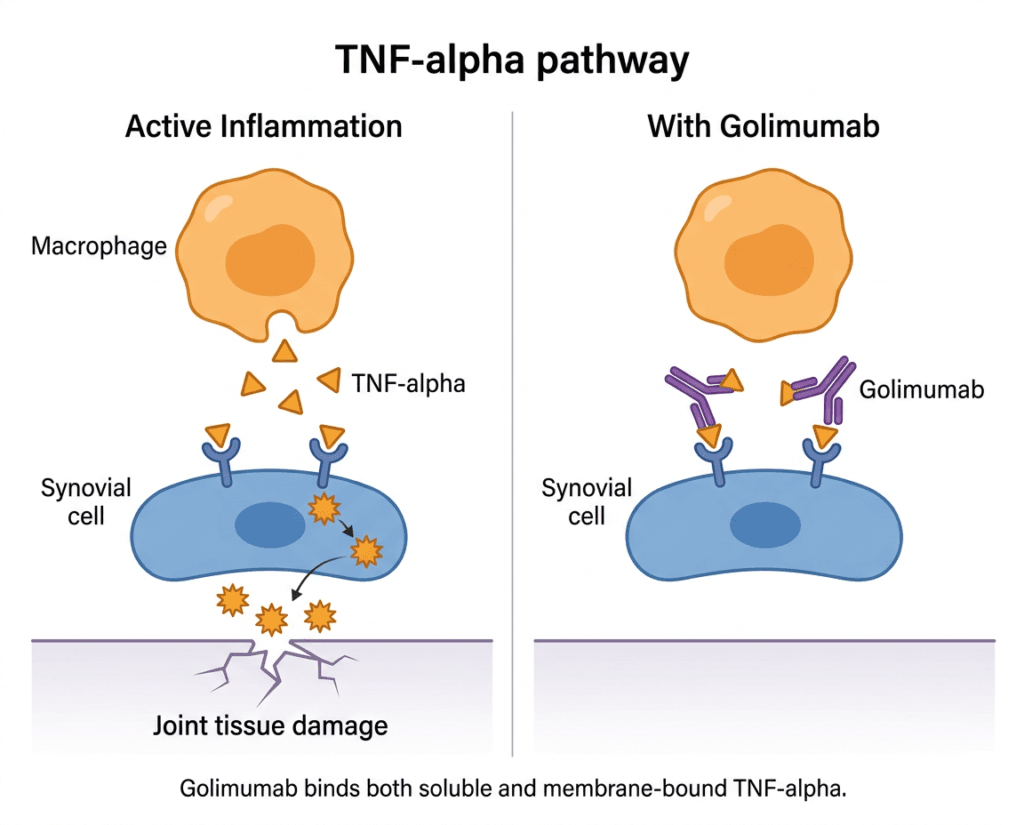
    Tumor necrosis factor-alpha (TNF-alpha) is a pro-inflammatory cytokine whose overexpression is implicated in the pathophysiology of several chronic immune-mediated inflammatory diseases. Golimumab is a transgenic anti-TNF monoclonal antibody that binds both soluble and transmembrane forms of TNF-alpha, preventing binding to its receptors and inhibiting downstream inflammatory activity. Understanding each approved indication separately matters because the patients who use golimumab for RA are clinically, demographically, and therapeutically quite different from those who use it for ulcerative colitis, even though the drug’s mechanism is the same.

    Rheumatoid arthritis (RA) is a chronic autoimmune disease in which the immune system attacks the synovial lining of joints, producing inflammation, pain, swelling, and, without adequate treatment, progressive joint destruction and disability. It affects roughly 1.5 million Americans, with a strong female predominance, and typically presents in middle age. TNF-alpha is one of the primary cytokines driving synovial inflammation in RA. Golimumab is approved for use with methotrexate in adults with moderate-to-severe active RA.

    Psoriatic arthritis (PsA) is an inflammatory arthritis that occurs in approximately 30% of people with psoriasis. It has a heterogeneous clinical presentation: peripheral joint inflammation, axial disease, enthesitis, and dactylitis can all occur. TNF-alpha is elevated in psoriatic joint tissue, making TNF inhibition effective for both the skin and joint manifestations.

    Ankylosing spondylitis (AS) and non-radiographic axial spondyloarthritis (nr-axSpA) are inflammatory conditions primarily affecting the spine and sacroiliac joints. Ankylosing spondylitis involves visible structural changes on imaging and can cause progressive spinal fusion; nr-axSpA involves active inflammatory disease without those radiographic changes. Both cause significant pain, stiffness, and functional impairment, and TNF-alpha is centrally involved in their pathogenesis. Golimumab is approved for both.

    Ulcerative colitis (UC) is a chronic inflammatory bowel disease affecting the colon and rectum. TNF-alpha is a key driver of mucosal inflammation in UC, and golimumab was the first subcutaneous TNF inhibitor approved specifically for UC in 2013, based on the PURSUIT trial program.


    The Science: What TNF-Alpha Is and Why Blocking It Works

    TNF-alpha is a cytokine produced primarily by macrophages and T cells. In acute inflammation, it serves important functions: coordinating immune responses against infections, activating neutrophil killing of bacteria, and initiating fever as part of the body’s defensive response. In autoimmune disease, however, TNF-alpha production becomes chronically dysregulated.

    In RA, the synovial tissue of affected joints is infiltrated by TNF-producing macrophages and activated T cells. The sustained high local concentrations of TNF-alpha drive ongoing inflammation, stimulate osteoclast-mediated bone erosion, and create a cycle of joint damage that continues even when the triggering event is long past. A similar dysregulated inflammatory loop operates in psoriatic arthritis, the spondyloarthropathies, and the bowel mucosa in ulcerative colitis.

    Golimumab is a fully human monoclonal antibody that binds to both the soluble and transmembrane bioactive forms of human TNF-alpha, preventing TNF-alpha from binding to its receptors and thereby inhibiting its biological activity. This dual binding distinguishes golimumab from etanercept, which only binds soluble TNF. The clinical relevance of transmembrane TNF binding is most apparent in inflammatory bowel disease: etanercept has shown less efficacy than monoclonal anti-TNF antibodies in Crohn’s disease, thought to relate at least in part to transmembrane TNF signaling in granuloma formation.

    Golimumab is a fully human antibody produced using transgenic mice with human antibody-producing genes, meaning the resulting antibody is entirely human in amino acid sequence. Infliximab is chimeric (part mouse, part human). Adalimumab is also fully human but was developed through phage display technology. Golimumab’s fully human structure theoretically reduces the risk of anti-drug antibody formation compared to chimeric antibodies, though immunogenicity in clinical practice varies across patients and is not reliably predicted by molecular origin alone.

    Golimumab is available in two formulations: Simponi (subcutaneous injection, 50 mg every 4 weeks for most indications, delivered via prefilled syringe or SmartJect autoinjector) and Simponi Aria (intravenous infusion, 2 mg/kg at weeks 0 and 4, then every 8 weeks, approved for RA only). The subcutaneous formulation allows self-administration at home.


    The GO-Series Clinical Trials: What the Evidence Shows

    Golimumab’s clinical development program was named the GO-series: GO-FORWARD for RA, GO-RAISE for ankylosing spondylitis, GO-REVEAL for psoriatic arthritis, and PURSUIT for ulcerative colitis. Each was a Phase 3 randomized, double-blind, placebo-controlled study with methotrexate as background therapy where applicable.

    Rheumatoid arthritis: GO-FORWARD

    GO-FORWARD enrolled 444 patients with active RA despite stable methotrexate therapy, randomizing them to placebo plus methotrexate, golimumab 50 mg plus methotrexate, golimumab 100 mg plus methotrexate, or golimumab 100 mg alone. The primary endpoints were ACR20 response at Week 14 and HAQ-DI improvement at Week 24.

    EndpointPlacebo plus MTXGolimumab 50 mg plus MTXGolimumab 100 mg plus MTX
    ACR20 at Week 1428.4%55.1%56.2%
    ACR50 at Week 1411.4%29.4%37.1%
    ACR70 at Week 143.4%17.6%20.0%
    HAQ-DI improvement 0.25 or greater at Week 2429.5%56.9%57.8%

    Source: Keystone EC et al. Ann Rheum Dis. 2009;68(6):789–796. GO-FORWARD trial.

    Clinical improvement was maintained through Week 104, with approximately 75% and 72% of patients randomized to golimumab 50 mg plus methotrexate and 100 mg plus methotrexate respectively achieving ACR20 response at two years. Radiographic data from GO-FORWARD also demonstrated that golimumab plus methotrexate inhibited structural damage progression compared to methotrexate alone, a finding reinforced in the GO-FURTHER IV study with Simponi Aria, where significant inhibition of radiographic progression was observed at weeks 24, 52, and 100.

    Ankylosing spondylitis and psoriatic arthritis

    GO-RAISE (ankylosing spondylitis) and GO-REVEAL (psoriatic arthritis) both demonstrated significant improvements in disease-specific outcome measures versus placebo, consistent with the established efficacy of TNF inhibitors in these conditions. A five-year pooled analysis of pivotal trial data including 2,228 patients with RA, psoriatic arthritis, and ankylosing spondylitis found golimumab retention rates at Year 5 were consistently high at 69.8% when used as first-line therapy, with no significant differences across the three indications. That five-year persistence figure is a meaningful real-world signal: patients who start golimumab tend to stay on it, suggesting sustained tolerability and ongoing benefit.

    Ulcerative colitis: the PURSUIT trials

    The PURSUIT program consisted of two trials: PURSUIT-SC (induction) and PURSUIT-Maintenance. In PURSUIT-SC, patients with moderate-to-severe UC despite conventional therapy were randomized to golimumab induction doses or placebo. Golimumab achieved significantly higher rates of clinical response and remission at Week 6, with response rates of approximately 55% for the 200/100 mg induction regimen versus 30% for placebo. In PURSUIT-Maintenance, patients who had achieved clinical response were randomized to golimumab 50 mg, golimumab 100 mg, or placebo every 4 weeks through Week 54. The 100 mg dose demonstrated maintenance of response significantly superior to placebo.

    Golimumab’s approval for UC gave the gastroenterology community a subcutaneous option with a once-monthly home administration schedule. For patients who can self-inject, the convenience profile has been a meaningful factor in treatment choice compared to infliximab, which requires IV infusion at an infusion center.


    How Golimumab Compares to Other TNF Inhibitors

    Five TNF inhibitors are approved in the United States for inflammatory arthritis and related conditions: etanercept (Enbrel), infliximab (Remicade), adalimumab (Humira), certolizumab pegol (Cimzia), and golimumab (Simponi/Simponi Aria). No definitive head-to-head randomized controlled trials compare all five; rheumatologists select based on route of administration, dosing frequency, specific indication, patient preference, and payer formulary.

    AgentTypeRouteFrequencyHalf-lifeNotable feature
    EtanerceptFusion protein (soluble TNF receptor)SCWeekly or biweeklyapproximately 4 daysOnly binds soluble TNF; less effective in IBD
    InfliximabChimeric monoclonal antibodyIV infusionEvery 8 weeks after loadingapproximately 9 to 12 daysFirst in class; broad indication history
    AdalimumabFully human monoclonal antibodySCEvery 2 weeksapproximately 14 daysMost prescribed biologic globally; extensive biosimilar competition now
    Certolizumab pegolPEGylated Fab fragmentSCEvery 2 or 4 weeksapproximately 14 daysNo Fc region; may be preferred in pregnancy
    GolimumabFully human monoclonal antibodySC or IVMonthly SC; every 8 weeks IVapproximately 12 to 14 daysOnce-monthly SC dosing; only SC TNFi approved for UC

    The once-monthly subcutaneous dosing frequency of Simponi is a meaningful differentiator for patient experience. Compared to adalimumab’s biweekly injections or etanercept’s weekly or biweekly schedule, monthly injections reduce the injection burden substantially for patients managing chronic disease long-term.


    The Safety Profile: What TNF Inhibition Means for Infection Risk

    All TNF inhibitors carry a boxed warning for serious infections and malignancies, and golimumab is no exception. Understanding what this means in practice requires context. TNF-alpha is part of the immune system’s first-line defense against intracellular pathogens, particularly mycobacteria and certain fungal organisms. Blocking TNF-alpha reduces the immune system’s ability to contain latent infections, which is why TB reactivation is the most clinically important pre-treatment safety check for all TNF inhibitors.

    In cases of reactivated latent tuberculosis, reactivation typically occurs within the first few months of treatment. Patients with latent tuberculosis should receive treatment with isoniazid or combination anti-tuberculosis agents before initiating any anti-TNF agent. Combining TNF-alpha inhibitor treatment with methotrexate or azathioprine further increases TB reactivation risk. Newer TNF inhibitors including golimumab have not been associated with a clearly increased TB risk compared to earlier agents adalimumab and infliximab, though ongoing surveillance continues.

    Safety itemDetailsClinical guidance
    Serious infections (boxed warning)Increased risk of bacterial, viral, fungal, and opportunistic infections, including fatal cases. Risk increases with concomitant immunosuppressives.Evaluate for active infection before each dose. Hold golimumab if serious infection develops; do not resume until resolved.
    Tuberculosis (boxed warning)Risk of reactivation of latent TB, including disseminated or extrapulmonary cases.Screen for latent TB with tuberculin skin test or IGRA before initiating. Treat latent TB before starting golimumab. Monitor during treatment.
    Malignancy (boxed warning)Lymphoma and other malignancies reported; hepatosplenic T-cell lymphoma cases reported primarily in adolescent and young adult males with IBD on concomitant immunosuppressives.Discuss cancer risk with patients, particularly those with existing risk factors. Not recommended in patients with known malignancy other than treated skin cancer.
    Hepatitis B reactivationReactivation of HBV in chronic carriers; some cases fatal.Screen all patients for HBV before initiating. Monitor HBV carriers throughout treatment and after discontinuation.
    Congestive heart failureNew onset or worsening; TNF inhibitors should not be used in patients with moderate-to-severe CHF (NYHA Class III/IV).Avoid in moderate-to-severe CHF. Use with caution in mild CHF; monitor for worsening.
    Demyelinating diseaseRare cases of new onset or exacerbation of demyelinating conditions including multiple sclerosis and Guillain-Barré syndrome.Avoid in patients with known demyelinating disease. Consider discontinuing if neurological symptoms develop.
    Drug-induced lupusAnti-double-stranded DNA antibodies and drug-induced lupus reported; resolves on discontinuation.Evaluate if lupus-like symptoms develop.
    Live vaccinesContraindicated during golimumab treatment.Update all vaccinations before initiating therapy. No live vaccines during treatment.
    Injection site reactionsCommon with SC formulation: redness, bruising, pain at injection site.Typically mild; rotate injection sites.

    The infection risk, while real, should be understood quantitatively. In pivotal trials, serious infections occurred at rates of approximately 2 to 6 per 100 patient-years in golimumab arms versus roughly 2 to 3 per 100 patient-years in placebo arms. The absolute individual patient risk in any given year is low, and the clinical benefit in controlling active inflammatory disease is substantial. The risk-benefit calculus is the domain of the prescribing rheumatologist or gastroenterologist who knows the patient’s full clinical picture.


    The Biosimilar Landscape: Approved But Not Yet Available

    This is where Simponi diverges sharply from most other drugs in this LOE series, and from the broader pattern of biologic LOEs like adalimumab (Humira), which saw dozens of biosimilars enter the U.S. market following its 2023 LOE.

    As of mid-2026, no golimumab biosimilar is commercially available in the United States. Two candidates exist, and both have been significantly delayed.

    AVT05 (Alvotech/Teva): AVT05 received its first global approval in Japan in September 2025 and a positive CHMP opinion in Europe the same month, where it is commercialized as Gobivaz. Alvotech’s BLA was accepted by the FDA in January 2025. On November 2, 2025, the FDA issued a Complete Response Letter for AVT05 citing manufacturing deficiencies identified during a pre-license inspection of Alvotech’s Reykjavik facility in July 2025. No other deficiencies were identified with the application. Alvotech has stated it expects to resolve the outstanding manufacturing issues and continues to work with the FDA toward bringing the biosimilar to U.S. patients.

    Immgolis and Immgolis Intri (golimumab-sldi, Bio-Thera/Accord): The FDA accepted Bio-Thera and Accord’s abbreviated BLA for BAT2506 in July 2025. On May 15, 2026, the FDA approved Immgolis (golimumab-sldi) and Immgolis Intri (golimumab-sldi) as the first-ever interchangeable biosimilars to Simponi and Simponi Aria respectively. However, on May 6, 2026, Janssen had filed a BPCIA complaint against Accord and Bio-Thera in the U.S. District Court for the District of Delaware, identifying 17 patents, and a preliminary injunction motion to block launch followed. A hearing is expected August to September 2026. Accord BioPharma’s planned launch target remains Q4 2026, contingent on the litigation outcome.

    The 17-patent listing signals an aggressive IP protection strategy. J&J has historically sought new patents for formulations, manufacturing methods, and treatment methods to extend market exclusivity beyond the initial core patent expiry. This approach has successfully delayed competitive entry across multiple biologic franchises.

    The combined effect of the Alvotech manufacturing CRL and the Janssen-Bio-Thera preliminary injunction is that Simponi will almost certainly enter 2027 with no biosimilar competitor commercially available in the U.S. That is a materially different outcome from what happened with adalimumab, where 37 biosimilar versions received FDA approval after its 2023 LOE, creating intense competitive pressure and dramatic price reductions for payers.

    For patients: the absence of a commercially available biosimilar does not change anything about Simponi’s availability or your current treatment. It does mean that the cost relief biosimilar competition typically delivers is delayed, possibly by a year or more.

    For a detailed breakdown of the Immgolis/Immgolis Intri FDA approval, the indication scope differences from Simponi’s full label, the interchangeability designation, and the full litigation timeline, see our dedicated post: The First Biosimilars to Simponi and Simponi Aria Just Got FDA Approval. Here Is What Immgolis and Immgolis Intri Are, What They Treat, and Why You Cannot Buy Them Yet.


    What This Means in the Broader TNF Inhibitor Market

    The TNF inhibitor class is experiencing a profound market transition that predates Simponi’s LOE and will continue long after its biosimilars eventually launch. Adalimumab’s LOE in 2023 has dramatically reshaped biosimilar economics. With over 30 biosimilars approved and competition fierce, list prices for adalimumab products in the U.S. have dropped substantially. That competitive pressure has forced payers to renegotiate the entire TNF inhibitor category, including drugs that have not yet lost exclusivity. Simponi’s net price to many payers has almost certainly been reduced relative to its list price as payers leverage the adalimumab biosimilar market to extract rebates from all originator biologics.

    For patients on golimumab who are well-controlled: this existing market pressure means J&J has ongoing incentive to keep Simponi competitively priced relative to adalimumab biosimilars. The delay in Simponi biosimilar entry does not mean payers are simply paying full list price. Formulary negotiations and rebate structures are continuously active even without a direct biosimilar competitor.

    For patients newly initiating TNF inhibitor therapy for RA, PsA, or AS: adalimumab biosimilars are now among the lower-cost biologic options and are increasingly preferred by many formularies. Whether golimumab offers a clinical advantage sufficient to justify a premium over adalimumab biosimilars is a question for your rheumatologist, who will weigh dosing frequency preferences, prior treatment history, and individual patient factors.

    For patients with ulcerative colitis: golimumab’s subcutaneous UC indication sets it apart. Adalimumab also has a UC indication, but infliximab IV remains the most established anti-TNF option in IBD. The gastroenterology community’s familiarity with golimumab in UC and the convenience of monthly subcutaneous dosing keeps it relevant even amid broader market pressure.


    What Patients Should Know Right Now

    If you are currently on Simponi and well-controlled, your treatment is unaffected by the LOE dynamics. The drug is available, Janssen is still manufacturing it, and your prescriber should be managing your care as usual. The absence of a commercially available biosimilar is, paradoxically, the most stable situation for a currently treated patient: there is no formulary switch coming in the near term.

    If you are facing cost barriers with Simponi: Janssen’s patient assistance program and specialty pharmacy support are the primary access pathways available now. The HealthWell Foundation, Patient Advocate Foundation, and The Assistance Fund also provide copay assistance for biologics in autoimmune disease.

    If you are being newly evaluated for a TNF inhibitor: the choice between golimumab and the available adalimumab biosimilars, which are often preferred by payers, should be made with your rheumatologist or gastroenterologist based on your specific disease, prior treatment history, and how your insurance formulary is structured.

    The biosimilar landscape for Simponi will clarify over the next 12 to 24 months as Alvotech addresses the manufacturing deficiencies cited in its CRL and as the Immgolis litigation works through the courts. When an approved, commercially available golimumab biosimilar does launch in the U.S., it will enter a market that already has strong biosimilar momentum from the adalimumab experience, meaning the conversion dynamics and price competition could move faster than they did for earlier biologic LOEs.

    For related HED coverage on how the BPCIA patent litigation process works and what it means when an approved biosimilar is blocked from launch, see our dedicated post on Immgolis and Immgolis Intri and our post on PONLIMSI and why biosimilar FDA approval does not automatically translate to patient savings.


    Sources

    Simponi FDA approval: FDA approves golimumab (Simponi). FDA.gov.

    Simponi Aria FDA approval: FDA approves golimumab (Simponi Aria). FDA.gov.

    Optum LOE overview: Blockbuster drug patent expirations in 2026 and what they mean. business.optum.com. April 2026.

    AVT05 CRL (Alvotech): Alvotech Provides Update on the Status of U.S. BLA for AVT05. GlobeNewswire. November 2, 2025.

    AVT05 CRL analysis: FDA Issues CRL for Alvotech’s Simponi Biosimilar AVT05. PearceIP. November 2025.

    BAT2506/Immgolis FDA approval and BPCIA litigation: FDA approves first interchangeable biosimilars to Simponi and Simponi Aria. FDA.gov. May 15, 2026. | Janssen Files First BPCIA Suit Over Simponi Biosimilar. BiologicsHQ. March 2026.

    HED Immgolis post: The First Biosimilars to Simponi and Simponi Aria Just Got FDA Approval. healthevidencedigest.com.

    Golimumab mechanism and indications (StatPearls): Golimumab. StatPearls. NCBI.

    TNF inhibitor safety overview (StatPearls): Tumor Necrosis Factor Inhibitors. StatPearls. NCBI.

    TNF-alpha biology: Tumor Necrosis Factor. StatPearls. NCBI.

    GO-FORWARD trial primary publication: Keystone EC et al. Golimumab in patients with active RA despite methotrexate therapy (GO-FORWARD). Ann Rheum Dis. 2009;68(6):789–796.

    GO-RAISE trial (ankylosing spondylitis): Inman RD et al. Efficacy and safety of golimumab in patients with ankylosing spondylitis (GO-RAISE). Arthritis Rheum. 2008;58(11):3402–3412.

    GO-REVEAL trial (psoriatic arthritis): Kavanaugh A et al. Golimumab in patients with active PsA (GO-REVEAL). Ann Rheum Dis. 2009;68(4):498–505.

    Five-year persistence data: Weinstein CLJ et al. Long-term golimumab persistence: five-year treatment retention data. Clin Rheumatol. 2023;42(12):3397.

    PURSUIT-SC and Maintenance trials: Sandborn WJ et al. Subcutaneous golimumab induces clinical response and remission in moderate-to-severe ulcerative colitis (PURSUIT). Gastroenterology. 2014;146:85–95.

    TB risk with golimumab: Cantini F et al. Tuberculosis risk with recently licensed TNF-alpha inhibitors. J Rheumatol Suppl. 2014. PMID 24789001.

    Latent TB testing before biologics: Testing for Latent TB Infection. CDC.

    Simponi prescribing information: Simponi (golimumab) Prescribing Information. Janssen Biotech.

    NIAMS disease overviews: Rheumatoid Arthritis | Psoriatic Arthritis | Ankylosing Spondylitis

    NIDDK ulcerative colitis: Ulcerative Colitis. niddk.nih.gov.

    Patient resources: Arthritis Foundation | Crohn’s and Colitis Foundation | Simponi patient support | HealthWell Foundation | Patient Advocate Foundation | The Assistance Fund

    Disclaimer: Health Evidence Digest provides general information about FDA approvals, loss of exclusivity events, and health research for educational purposes. This content is not a substitute for professional medical advice. Decisions about TNF inhibitor therapy, including golimumab, require individualized assessment by a board-certified rheumatologist, gastroenterologist, or other appropriate specialist, accounting for the patient’s complete medical history, infection risk profile, vaccination status, and concurrent medications. Never discontinue a biologic therapy without medical guidance.