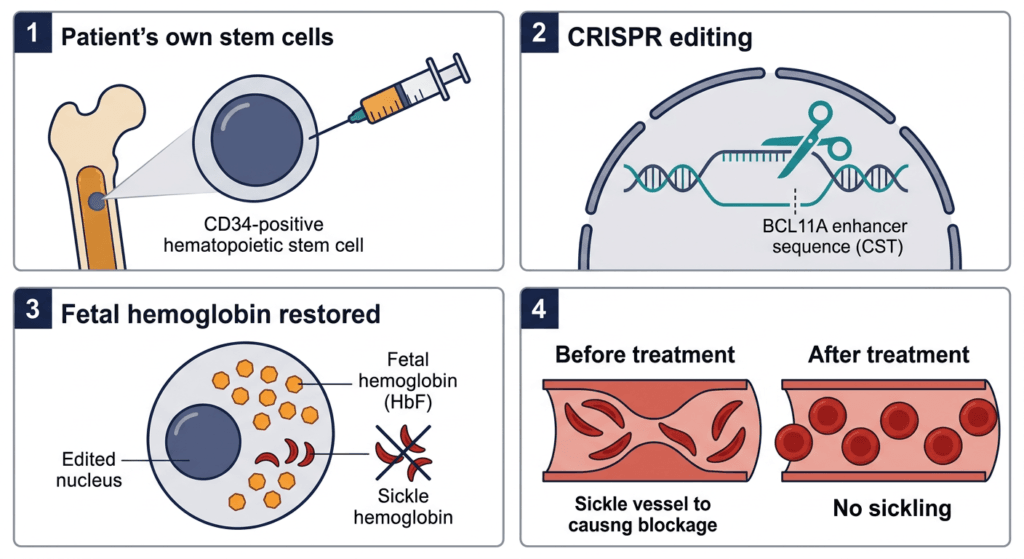
Tag: Gene therapy

  • A Blood Test After Bladder Cancer Surgery Can Now Guide Whether You Need Immunotherapy. The FDA Just Approved the First-Ever ctDNA-Guided Cancer Treatment.

    A Blood Test After Bladder Cancer Surgery Can Now Guide Whether You Need Immunotherapy. The FDA Just Approved the First-Ever ctDNA-Guided Cancer Treatment.

    📌  The essentials Drug approved: Tecentriq® (atezolizumab) and Tecentriq Hybreza® (atezolizumab and hyaluronidase-tqjs), Genentech/Roche. FDA approval date: May 15, 2026. This is Tecentriq’s eleventh FDA-approved indication. Indication: Adjuvant treatment for adults with muscle-invasive bladder cancer (MIBC) after cystectomy who have circulating tumor DNA molecular residual disease (ctDNA MRD), as determined by an FDA-authorized test. What makes it first-in-class: First ctDNA-guided therapy approval in oncology anywhere in the world. Treatment is triggered by what a serial blood test finds in the weeks after surgery, not by tumor staging alone. Companion diagnostic approved simultaneously: Signatera™ CDx (Natera, Inc.), the personalized ctDNA assay that identifies which patients have molecular residual disease and qualify for adjuvant treatment. Key trial results (IMvigor011, n=250 ctDNA-positive patients): DFS hazard ratio 0.64 (36% reduction in risk of recurrence or death, p less than 0.0001). OS hazard ratio 0.59 (41% reduction in risk of death). ctDNA-negative patients: Those who remained MRD-negative during serial monitoring had 2-year DFS of 88.4% and 2-year OS of 97.1% without receiving any adjuvant treatment. Dosing: Atezolizumab 840 mg IV every 2 weeks, 1200 mg every 3 weeks, or 1680 mg every 4 weeks for up to 1 year, or until recurrence or unacceptable toxicity. Subcutaneous option (Tecentriq Hybreza, 1875 mg every 3 weeks) also approved.

    Nearly half of all patients with muscle-invasive bladder cancer who undergo surgical removal of the bladder will see their cancer return. This is one of the most difficult realities in urological oncology: the patient did everything right, underwent a major operation with significant impact on quality of life, and cancer came back anyway. Often within two years. Often aggressively.

    Oncologists have tried for decades to prevent this with adjuvant therapy: chemotherapy or immunotherapy given after surgery to eliminate any cancer cells that surgery may have missed. But a fundamental problem made this approach uncertain. Without a way to know which patients still had cancer cells circulating after surgery, clinicians had to treat everyone at high pathological risk and accept that a large proportion were receiving toxic treatment they did not need, while others with lower-risk staging but hidden disease received nothing.

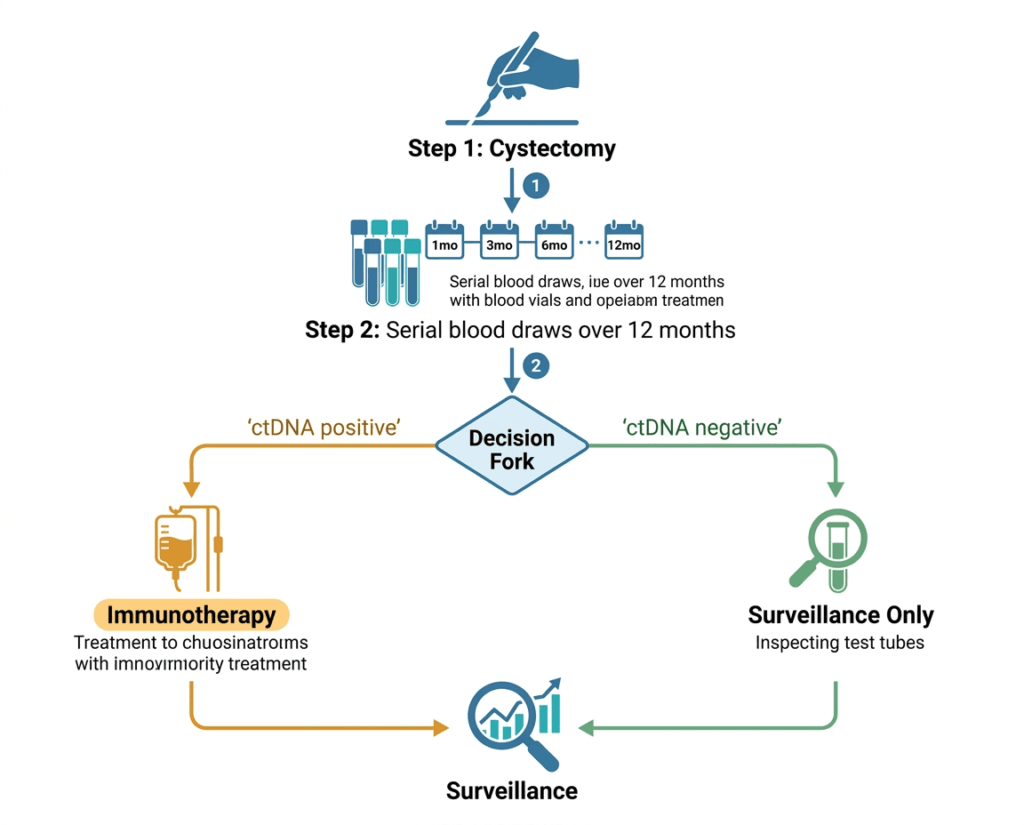
    On May 15, 2026, the FDA approved a fundamentally different approach. Using a serial blood test to detect circulating tumor DNA in the weeks after cystectomy, clinicians can now identify exactly which patients still carry molecular evidence of residual cancer. Those who test positive receive adjuvant immunotherapy. Those who remain negative skip it, with data showing they have excellent outcomes without it.

    The FDA approval of Tecentriq (atezolizumab) for ctDNA MRD-guided adjuvant treatment of muscle-invasive bladder cancer is the first approval of a ctDNA-guided therapy in oncology history. The companion diagnostic, Natera’s Signatera CDx, was approved the same day. Together they represent what the field has called a new paradigm: treating cancer not based on where it was, but on whether residual evidence of it remains.

    Muscle-Invasive Bladder Cancer: Why Adjuvant Therapy Has Been Such a Hard Problem

    Bladder cancer is the sixth most common cancer in the United States, with approximately 82,000 new diagnoses annually. The majority are non-muscle-invasive at diagnosis and have a relatively good prognosis with local treatment. Muscle-invasive bladder cancer (MIBC), which has penetrated the muscular wall of the bladder, is diagnosed in roughly 25% of cases and carries a substantially worse prognosis.

    Standard treatment for MIBC is radical cystectomy, the surgical removal of the bladder, with or without prior neoadjuvant cisplatin-based chemotherapy. Even with optimal surgical care, nearly half of patients experience disease recurrence within two years, predominantly as distant metastases. At the time progression is detected radiographically, some patients are already too ill to receive further systemic therapy. Earlier intervention, before relapse becomes clinically visible, is the clinical goal.

    Why the prior approach to adjuvant therapy failed in unselected patients The IMvigor010 trial, which directly preceded IMvigor011, tells the story of why patient selection matters. IMvigor010 evaluated adjuvant atezolizumab versus observation in unselected patients with high-risk MIBC after cystectomy. It found no statistically significant improvement in disease-free survival or overall survival with atezolizumab in the overall population. The question that emerged from the failed IMvigor010 result was not whether atezolizumab could work in bladder cancer, but whether the right patients were being selected. A retrospective analysis of the IMvigor010 data identified that approximately 40% of the enrolled patients were ctDNA-positive after surgery. In that ctDNA-positive subgroup, atezolizumab showed a meaningful survival benefit. In ctDNA-negative patients, there was no benefit, because there was no residual cancer for the immune system to target. IMvigor011 was designed prospectively around this insight. Rather than treating all high-risk patients and hoping some would benefit, the study used serial ctDNA testing to identify and enrich the treatment population for the patients most likely to have residual microscopic disease. The result was a positive Phase 3 trial where IMvigor010 had failed, using a different patient selection strategy with the same drug.

    What Circulating Tumor DNA and Molecular Residual Disease Actually Mean

    Circulating tumor DNA (ctDNA) is small fragments of DNA shed by cancer cells into the bloodstream. In a patient without cancer, or whose cancer has been completely removed, ctDNA is absent or present at extremely low levels. In a patient with residual cancer cells after surgery, those cells continue to shed tumor-specific DNA into circulation, even before any tumor becomes visible on imaging.

    Molecular residual disease (MRD) refers to the presence of detectable cancer at a molecular level, below the threshold of conventional imaging. A patient may have a clear CT scan, clear pathology margins, and no palpable disease, but still have cancer cells circulating or seeded in distant sites at levels that no current imaging can detect. ctDNA testing is the most sensitive available method for detecting this residual disease.

    How Signatera™ works

    Natera’s Signatera CDx is a personalized, tumor-informed ctDNA assay. This means it is not a generic cancer blood test. Instead, it starts with whole-exome sequencing of the patient’s own tumor tissue to identify up to 16 mutations specific to that individual’s cancer. It then designs a custom PCR panel targeting exactly those mutations to look for them in blood samples over time. This personalization makes Signatera substantially more sensitive than tumor-agnostic ctDNA approaches for detecting low levels of residual disease.

    In IMvigor011, serial Signatera testing was performed at multiple time points during the year after cystectomy. Patients who converted from negative to positive during monitoring, or who were positive from the first post-surgical test, were classified as ctDNA MRD-positive and became eligible for the treatment phase. This serial approach identified a 30-day window around each positive test that expanded the period during which patients could be enrolled, rather than requiring a single test result to determine eligibility.

    The IMvigor011 Trial: Design and Results

    Trial design

    IMvigor011 (NCT04660344) is a global Phase 3, randomized, double-blind, placebo-controlled trial. A total of 761 patients with MIBC, no radiographic evidence of disease, and no prior systemic therapy for MIBC were enrolled in the surveillance phase within 6 to 24 weeks of radical cystectomy with lymph node dissection. These patients underwent serial ctDNA monitoring with Signatera for up to one year after surgery.

    Of the 761 enrolled, 250 tested ctDNA-positive and entered the treatment phase. They were randomized 2:1 to receive atezolizumab (n=167) or placebo (n=83) every 4 weeks for 12 cycles (approximately one year) or until disease recurrence or unacceptable toxicity. The primary endpoint was investigator-assessed disease-free survival (DFS). Overall survival (OS) was a key secondary endpoint.

    Efficacy results

    EndpointAtezolizumab (n=167)Placebo (n=83)
    Primary: DFS hazard ratio0.64 (95% CI 0.44 to 0.93)Reference
    Risk reduction in recurrence/death36%N/A
    DFS p-valuep less than 0.0001N/A
    OS hazard ratio0.59 (95% CI 0.37 to 0.94)Reference
    Risk reduction in death41%N/A
    PublicationNew England Journal of Medicine (NEJM)N/A
    Conference presentationESMO 2025 Presidential Symposium (LBA8)N/A

    Source: Powles T et al. ctDNA-Guided Adjuvant Atezolizumab in Muscle-Invasive Bladder Cancer. NEJM. 2025. doi:10.1056/NEJMoa2511885. Presented at ESMO 2025, LBA8.

    A 41% reduction in the risk of death is a substantial survival benefit for an adjuvant setting, where the comparator is placebo (observation) and patients have no detectable disease on imaging. The publication in NEJM and the Presidential Symposium presentation at ESMO 2025 reflect the field’s recognition that this result represents a meaningful advance in bladder cancer care.

    The ctDNA-negative population: equally important findings

    Outcome in serial ctDNA-negative patients (n=171, no adjuvant treatment)Result
    DFS at 1 year95.4%
    DFS at 2 years88.4%
    OS at 1 year100%
    OS at 2 years97.1%
    Adjuvant treatment receivedNone

    Source: Natera IMvigor011 topline results. Presented at EAU 2024 and ESMO 2025.

    The ctDNA-negative data is as important to the clinical story as the treatment data. Patients who remain serially ctDNA-negative after cystectomy have a 97.1% two-year overall survival without receiving any adjuvant treatment. This means the ctDNA test is not just identifying who needs treatment; it is simultaneously identifying who can safely avoid it. In a disease where adjuvant immunotherapy carries meaningful toxicity and burden, sparing 60 to 70% of post-cystectomy patients from unnecessary treatment is a real clinical benefit.

    Why This Approval Matters Beyond Bladder Cancer

    The regulatory significance of this approval extends well beyond atezolizumab and bladder cancer. IMvigor011 is the first prospective Phase 3 trial anywhere in oncology to demonstrate that a ctDNA-guided treatment strategy produces statistically significant improvements in both DFS and OS. Every previous ctDNA study in the adjuvant setting had been retrospective or had not yet reported survival outcomes from a randomized controlled trial.

    The simultaneous approval of Signatera CDx as a companion diagnostic is the regulatory infrastructure that makes this a replicable model. By pairing a specific ctDNA assay with a specific drug in a specific indication, the FDA has established how ctDNA-guided therapy approvals work. Other drugs and other tumor types in which ctDNA monitoring is being studied now have a regulatory precedent to follow.

    ctDNA MRD-guided adjuvant strategies are already being investigated in colon cancer (DYNAMIC trial), lung cancer, breast cancer, and other solid tumors. IMvigor011’s success in bladder cancer, and its accompanying FDA approval, validates the paradigm and accelerates development in those other disease settings.

    What this means for how we think about ‘cancer-free’ after surgery For decades, ‘no evidence of disease’ after cancer surgery meant no visible tumor on imaging and clear margins on pathology. A patient who met those criteria was considered cancer-free and entered a watch-and-wait surveillance period. IMvigor011 establishes that ‘no evidence of disease’ on conventional imaging can coexist with detectable ctDNA in the bloodstream, and the presence of that ctDNA predicts a high probability of recurrence. The approval creates a new, more sensitive definition of post-surgical disease status and a new decision point: not just ‘is imaging clear?’ but ‘is the blood test clear?’ For patients, this changes the conversation after surgery. Serial ctDNA testing is now an FDA-authorized tool to determine whether adjuvant treatment is warranted. A positive result triggers a conversation about immunotherapy. A persistently negative result provides reassurance that the risk of early recurrence is low, and avoids unnecessary treatment.

    Safety: Immune-Mediated Adverse Reactions Are the Primary Consideration

    The safety profile of atezolizumab in IMvigor011 was consistent with its established profile across other approved indications. As a PD-L1 immune checkpoint inhibitor, the primary safety concern is immune-mediated adverse reactions: the immune system, once reinvigorated against cancer cells, can also attack healthy tissue.

    Immune-mediated adverse reactions can affect virtually any organ system and can range from mild and manageable to severe, life-threatening, or fatal. The systems most commonly involved include the lungs (pneumonitis), liver (hepatitis), intestines (colitis), endocrine glands (thyroid, pituitary, adrenal), kidneys, skin, and nervous system. Most are manageable with corticosteroids and, when necessary, discontinuation of atezolizumab.

    Patients receiving atezolizumab after cystectomy should be aware of the immune-mediated adverse reaction spectrum and know to report new or worsening symptoms promptly. Early detection of immune-mediated reactions improves outcomes. The prescribing information provides specific management guidance for each organ system.

    What Patients Who Have Had Bladder Cancer Surgery Should Know

    • Who is this approval for? Adults with muscle-invasive bladder cancer who have undergone radical cystectomy and who test positive for ctDNA MRD using serial Signatera CDx testing in the year after surgery. It is not for non-muscle-invasive bladder cancer or for patients who have already developed metastatic recurrence.
    • When does ctDNA testing happen? Serial testing begins within 6 to 24 weeks of cystectomy and continues for up to one year. Multiple tests are needed because the conversion from negative to positive can happen at any point during the surveillance window. A single negative test at one time point does not provide the same reassurance as persistently negative results across serial tests.
    • What happens if I test positive? A positive ctDNA MRD result identifies you as a candidate for adjuvant atezolizumab. Treatment lasts up to one year (approximately 12 cycles). Your oncologist will discuss the benefit-risk balance for your specific situation, including your kidney function, immune history, and other factors that may affect tolerability.
    • What happens if I test negative? Persistently ctDNA-negative results during the surveillance period indicate a low risk of early recurrence. The IMvigor011 data shows a 97.1% 2-year overall survival in this group without adjuvant treatment. Regular follow-up imaging continues, but adjuvant immunotherapy is not indicated.
    • Is Signatera CDx available now? The Signatera assay has been available commercially for ctDNA testing in several cancer types. The CDx designation for this specific MIBC + atezolizumab indication was granted May 15, 2026. Ask your urologist or oncologist about ordering serial Signatera testing as part of your post-cystectomy surveillance plan.

    Resources for bladder cancer patients and caregivers

    For patients navigating muscle-invasive bladder cancer treatment and post-surgical surveillance, the Bladder Cancer Advocacy Network (bcan.org) is the leading U.S. patient organization and maintains updated information on approved therapies, clinical trials, and specialist referral resources. For clinicians seeking the full IMvigor011 data, the primary results are published in the New England Journal of Medicine and were presented as a Presidential Symposium abstract at ESMO 2025. Information on Signatera CDx is available through Natera (natera.com).

    Sources

    FDA approval announcement: FDA approves atezolizumab for adjuvant treatment of muscle invasive bladder cancer in patients with molecular residual disease. FDA.gov. May 15, 2026.

    Genentech press release: FDA Approves Genentech’s Tecentriq for Adjuvant Muscle-Invasive Bladder Cancer With ctDNA-Guided Treatment. gene.com. May 15, 2026.

    Natera press release (full results): Successful IMvigor011 Trial Achieves 41% Improvement in Overall Survival for Bladder Cancer Patients. natera.com. October 2025.

    Primary publication (NEJM): Powles T et al. ctDNA-Guided Adjuvant Atezolizumab in Muscle-Invasive Bladder Cancer. N Engl J Med. 2025. doi:10.1056/NEJMoa2511885.

    Renal and Urology News: FDA Approves Atezolizumab for ctDNA-Guided Adjuvant MIBC Treatment. renalandurologynews.com. May 2026.

    OncoDaily trial summary: IMvigor011 Trial Reports ctDNA as Predictor of Response to Adjuvant Atezolizumab in Bladder Cancer. oncodaily.com.

    Urology Times (ESMO results): ctDNA-guided atezolizumab boosts survival in muscle-invasive bladder cancer. urologytimes.com. February 2026.

    Oncology News Central (ESMO presentation): IMvigor011 Data at ESMO 2025 Show ctDNA-Guided Adjuvant Atezolizumab Improves Survival in Bladder Cancer. oncologynewscentral.com.

    Targeted Oncology (landmark designation): Landmark IMvigor011 Trial Validates ctDNA-Guided MIBC Therapy. targetedonc.com. March 2026.

    IMvigor010 background context: Updated overall survival by circulating tumor DNA status from the phase 3 IMvigor010 trial. Eur Urol. 2024;85(2):114-122.

    Trial registration: IMvigor011 (NCT04660344). A Phase III, Randomized, Double-Blind, Placebo-Controlled Study of Atezolizumab in Patients With MIBC Who Have ctDNA Detectable Disease After Surgery. clinicaltrials.gov.

    Patient resources: Bladder Cancer Advocacy Network: bcan.org; Signatera CDx information: natera.com/oncology/signatera/

    Disclaimer: Health Evidence Digest provides general information about FDA approvals and health research for educational purposes. This content is not a substitute for professional medical advice. Treatment decisions for muscle-invasive bladder cancer, including ctDNA testing and adjuvant immunotherapy, should be made in close consultation with a qualified urologic oncologist experienced in bladder cancer management.
  • The First Gene Therapy for Deafness Is Here and It’s Free. Here’s What That Actually Means.

    The First Gene Therapy for Deafness Is Here and It’s Free. Here’s What That Actually Means.

    📌 The essentials On April 23, 2026, the FDA approved Otarmeni (lunsotogene parvec-cwha, Regeneron) as the first FDA-approved gene therapy for inherited deafness in history. The therapy is indicated for children and adults with profound hearing loss due to biallelic mutations in the OTOF gene, which causes a condition where the inner ear is structurally normal but cannot transmit sound signals to the brain. The clinical basis: Results from the CHORD Phase 1/2 trial (NCT05295056) showing 80% of participants (16 of 20) achieved or exceeded the primary endpoint at 6 months, and 42% of participants with longer follow-up achieved normal hearing. Nine of 12 children who received the therapy gained enough hearing to stop using cochlear implants. The approval was granted under accelerated approval with continued approval contingent on confirmatory trial results. This was also the first gene therapy approved under the FDA’s Commissioner’s National Priority Voucher (CNPV) program, approved in just 61 days after BLA submission. The price: Regeneron has stated it will provide Otarmeni at no cost for the drug itself to eligible patients in the United States. Important caveat: the surgical procedure required to administer it is not covered by Regeneron and will be subject to normal insurance and cost-sharing.

    When Travis Smith was born, he failed his newborn hearing test. His mother, Sierra, was told it was probably just fluid in the ears. But weeks passed, and nothing changed. Slamming pots and pans, yelling his name — nothing reached him. Travis was, as Sierra later described it, 100% deaf.

    A few months later, after genetic testing confirmed a mutation in a gene called OTOF, Travis received an experimental treatment at Columbia University in New York. About ten weeks after the procedure, Sierra laughed loudly while driving. Travis, asleep in his car seat, startled for the first time. She and her friend started yelling. He woke up.

    On April 23, 2026, that experimental treatment became Otarmeni (lunsotogene parvec-cwha), the first FDA-approved gene therapy for inherited deafness in history. And in a move that surprised nearly everyone in the pharmaceutical industry, Regeneron announced it will provide the drug at no cost to eligible patients in the United States.

    There is a lot to unpack here: the science, the price, the very reasonable counterarguments from the Deaf community, and what this means for the larger field of genetic hearing loss.


    What Is OTOF-Related Hearing Loss?

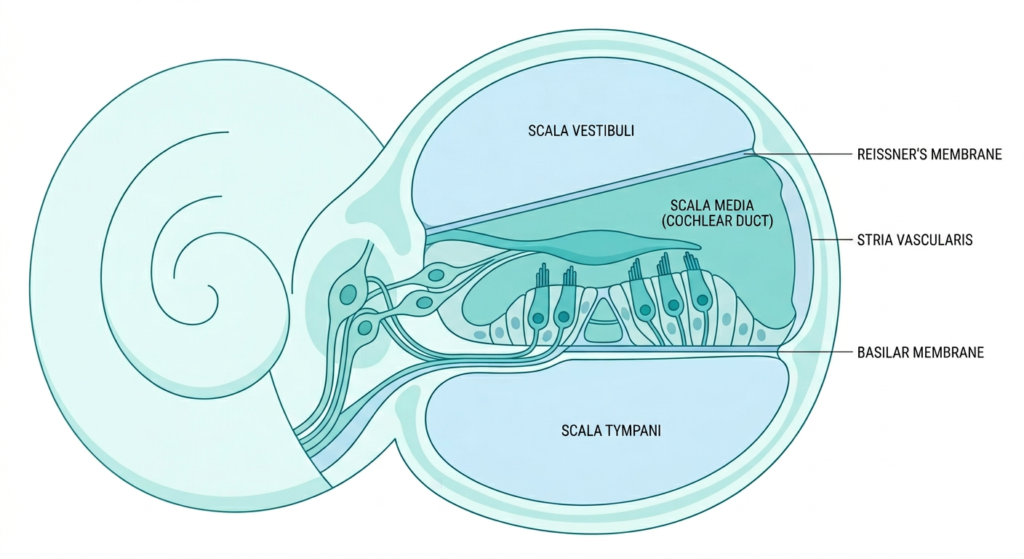
    Hearing happens through a remarkably precise chain of events. Sound waves enter the ear canal, cause the eardrum to vibrate, and those vibrations travel through three tiny bones in the middle ear before reaching the cochlea, the snail-shaped structure of the inner ear. Inside the cochlea, thousands of hair cells convert those vibrations into electrical signals. A protein called otoferlin is what allows those hair cells to release the neurotransmitters that carry those signals to the auditory nerve and then on to the brain.

    In children with biallelic mutations in the OTOF gene, meaning they inherited a non-working copy from both parents, otoferlin is absent or non-functional. The cochlea is structurally intact. The hair cells are there. Sound waves are converted normally. But the signal cannot be passed to the brain because the neurotransmitter release mechanism is broken. The result is profound sensorineural deafness from birth, despite an otherwise normal-looking inner ear.

    OTOF mutations account for roughly 2% to 8% of inherited non-syndromic hearing loss, according to the FDA. In absolute numbers, about 50 babies are born each year in the United States with the condition, a number small enough that most audiologists and pediatricians will rarely encounter it. But the impact on those families is total..

    How Otarmeni Works

    Otarmeni is an adeno-associated virus (AAV) vector-based gene therapy, specifically a dual-vector system, because the OTOF gene is unusually large and too big to fit inside a single AAV. Regeneron’s approach splits the gene in half across two AAV serotype 1 vectors that are co-administered. Once inside the hair cells, the two halves recombine to produce a functional OTOF gene, which then directs the cells to make working otoferlin protein.

    The treatment is administered surgically. Under general anesthesia, a surgeon makes a small incision behind the ear to access the cochlea and delivers the viral vectors directly into the fluid-filled space of the inner ear via a syringe and catheter, a procedure similar in approach to cochlear implant surgery, though the anatomy targeted is slightly different. The therapy can be given to one ear or both.

    One important technical detail: the OTOF gene in Otarmeni is under the control of a proprietary Myo15 promoter, which is designed to restrict gene expression specifically to hair cells that normally produce otoferlin. This cell-type specificity is important both for efficacy and safety, as it reduces the chance of off-target expression in tissues that do not need the protein.

    Why is the OTOF gene so large, and why does that matter? Standard single-AAV gene therapies are limited by the packaging capacity of the virus, roughly 4.7 kilobases of genetic material. The OTOF gene is approximately 6 kilobases, which has long made it technically challenging to deliver in a single vector. Regeneron’s dual-AAV approach is one of several strategies the field has developed to work around this constraint. It addresses the same large-gene delivery challenge that has been encountered in gene therapy for conditions like Duchenne muscular dystrophy. The fact that this approach produced consistent, durable results in the CHORD trial is a meaningful technical achievement, not just for hearing loss, but for the broader field of large-gene delivery.

    The CHORD Trial: What the Clinical Data Shows

    The FDA approval is based on results from the CHORD trial (NCT05295056), an ongoing, registrational Phase 1/2 multicenter, open-label study. Twenty participants aged 10 months to 16 years with molecularly confirmed OTOF mutations received a single dose of Otarmeni in one or both ears. The primary endpoint was improvement in hearing sensitivity measured by pure-tone audiometry at week 24.

    CHORD trial key results
    Participants meeting or exceeding primary endpoint at 6 months16 of 20 (80%)
    Participants achieving normal hearing with longer follow-up42%
    Children who stopped using cochlear implants after treatment9 of 12
    Minimum follow-up with durable hearing benefitsAt least 2 years
    Age range in trial10 months to 16 years
    Effect of age at treatment on efficacyNot significant, which supported label inclusion of adults
    Most common adverse eventsMiddle ear infection or inflammation, vomiting, nausea, dizziness (consistent with surgical procedure)

    Source: CHORD Phase 1/2 trial, NCT05295056. Primary results published in NEJM, 2026.

    Accelerated approval: what it means here Otarmeni received accelerated approval based on improvement in pure-tone audiometry as a surrogate endpoint. Continued approval may be contingent upon verification of treatment effects on clinical measures of speech development and quality of life, the outcomes families ultimately care most about. The confirmatory portion of the CHORD trial is ongoing. The FDA specifically notes that durability of hearing improvement is a key variable still being assessed. For a one-time gene therapy, how long the benefit lasts is the central question that will define long-term clinical value and public health cost-effectiveness. The approval was also notably fast: granted just 61 days after the Biologics License Application was filed, tied for the fastest BLA approval in modern FDA history, and the first gene therapy approved under the FDA’s Commissioner’s National Priority Voucher (CNPV) program. For context on how the CNPV program works and which other drug programs have received vouchers, see our post on the FDA’s fast-tracking of three psychedelic drug programs.

    The Price Tag: $0. What Is Actually Going On There?

    Gene therapies for rare diseases are expensive. Not slightly expensive — the kind of expensive that regularly makes headlines. Hemgenix (hemophilia B) was priced at $3.5 million per patient. Zolgensma (spinal muscular atrophy) at $2.1 million. Casgevy (sickle cell disease) at $2.2 million. These prices reflect the reality of developing treatments for patient populations sometimes numbering in the hundreds, where there is no scale to amortize development costs.

    Regeneron’s internal analysis suggested Otarmeni could have been priced as high as $4 million per patient, generating an estimated $200 million to $400 million in annual revenue. The company chose not to. Regeneron’s co-founder and president, Dr. George Yancopoulos, acknowledged the company made a deliberate choice to prioritize access over revenue from this particular therapy, despite internal discussion about alternative pricing models.

    That decision came alongside Regeneron’s participation in the Trump administration’s Most Favored Nation drug pricing announcement, a policy effort to bring U.S. drug prices more in line with prices paid in European and Asian markets. The timing was politically convenient, but the substance of offering the therapy free stands regardless of the surrounding context.

    Sarah Emond, President and CEO of the Institute for Clinical and Economic Review (ICER), noted in a statement following the approval that Regeneron has shown that one option companies can consider to ensure affordable patient access to these therapies is to simply not charge the health system for the drug. She called it a model worth understanding for what it demonstrates about the range of approaches available to developers of rare disease therapies.

    There are important nuances in the “free” framing worth noting clearly. Regeneron is providing the drug itself at no cost to clinically eligible patients. The company does not control and is not covering the cost of the surgical procedure required to administer it. Cochlear implant surgery, which uses a similar approach, typically costs between $30,000 and $100,000 including hospitalization and anesthesia. The out-of-pocket portion for patients will depend on their insurance coverage for the procedure, not the drug.

    Otarmeni’s pricing model also has no established precedent for international markets. CEO Leonard Schleifer told CNBC that overseas pricing has not been set, stating that other countries should pay their fair share. For families outside the United States with children who have OTOF mutations, the picture is much less clear.


    A Perspective Worth Sitting With: The Deaf Community Response

    Not everyone greeted this approval with unqualified celebration, and that response deserves more than a footnote.

    Jaipreet Virdi, a historian of medicine, technology, and deafness at the University of Victoria who is herself deaf, raised a concern that has been articulated within Deaf culture for years: that genetic therapies targeting deafness can reinforce the assumption that deafness is a deficiency to be corrected rather than a difference to be accommodated. For members of the Deaf community who use sign language, have Deaf cultural identities, and live full, rich lives, a medical framing of deafness as a problem in need of eradication is not a neutral position.

    This is not a fringe view. It is a well-established strand of Deaf cultural identity that preceded cochlear implants and will continue to evolve as genetic therapies expand. It does not invalidate what Otarmeni has done for Travis, or Miles, or the other children in the CHORD trial. But it does mean that the conversation around who benefits from these therapies, and on what terms, is more complex than the headline numbers suggest.

    Regeneron’s own press release acknowledged this directly. Janet DesGeorges, Executive Director of Hands and Voices, a family-driven organization supporting children with all forms of hearing loss and all communication approaches, was quoted in the approval announcement noting that families deserve access to balanced information and a range of options when navigating genetic hearing loss, and that the choice of approach belongs to individual families.

    Cochlear implants versus gene therapy: how they are different Cochlear implants are electronic devices surgically implanted in the inner ear that bypass damaged hair cells and directly stimulate the auditory nerve. They restore useful hearing for many patients but do not restore physiological hearing. The sound quality is different from natural hearing and varies considerably between users. They require external processors worn behind the ear, run on batteries, and must be managed over a lifetime. Otarmeni, by contrast, restores the biological mechanism of hearing by enabling the hair cells themselves to function. The hearing it produces is closer to natural hearing that is present continuously without external hardware. However, it only works for patients with OTOF mutations who have no prior cochlear implant in the ear to be treated. The two approaches are not directly comparable and serve partially overlapping but distinct populations.

    Beyond OTOF: What This Approval Unlocks

    OTOF mutations account for only 1% to 3% of cases of genetic hearing loss at birth. The significance of this approval is therefore less about its immediate patient population, roughly 50 children per year in the U.S., and more about what it proves and where it leads.

    Genetic hearing loss involves more than 100 identified genes. OTOF attracted early attention because its mechanism was well-understood, the hair cell pathology is isolated (outer hair cell function is preserved), and the AAV delivery route to the cochlea had been mapped in preclinical models. Proving that this approach works, that you can deliver a gene to inner ear hair cells via surgical infusion and produce durable, functional hearing, is the foundational result the broader field needed.

    Eli Lilly and several academic groups are also developing gene therapies targeting OTOF, many showing comparably strong results. The publication of strong data in the New England Journal of Medicine in 2026, which preceded and contributed to the FDA’s accelerated review, has drawn significant investment into the broader genetic hearing loss space. Dr. Lawrence Lustig of Columbia University, who treated several CHORD participants, noted substantial interest in pursuing other forms of genetic deafness that are more common, and that investment is now arriving.

    Researchers are also beginning to consider whether someday gene therapy approaches might address acquired hearing loss from aging or noise exposure, which affects hundreds of millions of people globally. That is a much longer road, requiring different targets and delivery methods. But the clinical validation of cochlear gene delivery in OTOF patients makes it a more credibly walkable path than it was before April 23, 2026.


    What This Approval Does Not Yet Answer

    How long does the benefit last?

    The CHORD trial has follow-up of at least two years in some participants, and hearing benefits have been durable over that period. But two years is a short window for what is being offered as a one-time, potentially permanent treatment, particularly for children who may live for seven more decades. Long-term follow-up from the confirmatory CHORD trial will be critical. The FDA has specifically listed durability of hearing improvement as a condition of continued approval.

    What about speech and language development?

    Pure-tone audiometry tells us whether a patient can detect sounds at various frequencies and volumes. It does not directly measure what matters most to families: speech comprehension, language acquisition, and the ability to communicate in the ways they choose. The confirmatory trial is tasked with verifying treatment effects on these clinical measures. The gap between “can detect a whisper” and “is developing speech and language normally” is the one families and clinicians most need filled.

    Which patients are candidates?

    The indication requires molecularly confirmed biallelic OTOF variants, preserved outer hair cell function (confirmed by otoacoustic emissions testing), and no prior cochlear implant in the ear to be treated. Genetic testing infrastructure for identifying OTOF mutations in newborns varies considerably across health systems. The therapy’s real-world reach will depend partly on how systematically genetic diagnosis of congenital deafness is pursued, which is currently inconsistent in the U.S.


    For families navigating genetic hearing loss:

    This approval touches on intersecting questions: the science of gene delivery, the ethics of treating deafness, the unprecedented pricing decision, and what proof-of-concept in OTOF means for the dozens of other genetic causes of hearing loss. For families with children recently diagnosed with genetic hearing loss, regardless of which gene is involved, several organizations maintain current resources:

    Hands and Voices supports families navigating all communication approaches without advocacy for any single one. The National Association of the Deaf (NAD) provides resources from a Deaf cultural perspective. The Hearing Loss Association of America (HLAA) offers advocacy and practical support resources. The NIDCD maintains clinical information on cochlear implants and emerging therapies. Families interested in the CHORD confirmatory trial or other OTOF gene therapy studies can search for open enrollment studies at ClinicalTrials.gov.


    Sources

    FDA approval announcement: FDA Approves First-Ever Gene Therapy for Treatment of Genetic Hearing Loss Under National Priority Voucher Program. FDA.gov. April 23, 2026.

    Regeneron press release: Otarmeni (lunsotogene parvec-cwha) Approved by FDA. investor.regeneron.com. April 23, 2026.

    CHORD trial registration: NCT05295056. ClinicalTrials.gov.

    Primary clinical data: CHORD Phase 1/2 trial results. New England Journal of Medicine. 2026.

    ICER pricing commentary: Institute for Clinical and Economic Review. Statement on Otarmeni pricing. icer.org.

    Pricing context (CNBC): Schleifer L. Regeneron weighs overseas price for Otarmeni. CNBC. April 24, 2026.

    Deaf community perspective: Virdi J. Quoted in NPR/KERA News. Rob Stein. The FDA gives the green light to the first gene therapy for deafness. keranews.org. April 23, 2026.

    Hands and Voices: handsandvoices.org. Cited in Regeneron approval press release.

    Patient story (Travis): NPR/KERA News. Rob Stein. April 23, 2026.

    Patient story (Miles): CNN. Meg Tirrell. April 23, 2026.

    Pipeline context: Gene therapy for deafness approved. Science. April 23, 2026.

    Patient and family resources: Hands and Voices | National Association of the Deaf | Hearing Loss Association of America | NIDCD Cochlear Implants | ClinicalTrials.gov: OTOF hearing loss

    Disclaimer: Health Evidence Digest provides general information about health research and FDA decisions for educational purposes. This content is not a substitute for professional medical advice, diagnosis, or treatment. Accelerated approval does not constitute final confirmation of clinical benefit. The confirmatory CHORD trial is ongoing. Always consult a qualified audiologist, otolaryngologist, or geneticist regarding treatment decisions for your child or yourself.
  • The FDA Just Published a Safety Roadmap for Gene Editing Therapies. Here Is What the NGS Guidance Actually Covers and Why It Matters.

    The FDA Just Published a Safety Roadmap for Gene Editing Therapies. Here Is What the NGS Guidance Actually Covers and Why It Matters.

    📌 The essentials On April 14, 2026, the FDA’s Center for Biologics Evaluation and Research (CBER) published draft guidance titled “Safety Assessment of Genome Editing in Human Gene Therapy Products Using Next-Generation Sequencing.” What it is: a set of recommendations for how companies developing gene editing therapies should use next-generation sequencing (NGS) methods in nonclinical studies to evaluate safety before starting clinical trials. Who it applies to: sponsors developing both ex vivo (cells edited outside the body, then returned) and in vivo (gene editing directly inside the patient’s tissues) human gene therapy products, submitted in support of IND applications and BLAs. What it addresses: sequencing strategies to detect off-target editing events, methods to assess chromosomal integrity, sample selection, analysis parameters, and reporting requirements. Why it matters: this guidance does not approve any drug. It gives sponsors a standardized, scientifically grounded framework for the safety assessment work that must precede clinical trials, reducing regulatory uncertainty and potentially shortening development timelines. Public comment deadline: July 14, 2026. Docket: FDA-2026-D-1255.

    Gene editing therapies are among the most technically complex and scientifically promising treatments in modern medicine. The ability to make precise changes to the DNA of living cells has already produced approved therapies for conditions that were previously untreatable, including sickle cell disease, beta-thalassemia, and most recently the first gene therapy for genetic deafness. The pipeline is substantial and growing. But the path from a gene editing candidate to an approved therapy requires rigorous safety assessment, and one of the most important questions that must be answered before any gene editing therapy enters human clinical trials is: what happens when the editing tool goes somewhere it was not supposed to go?

    On April 14, 2026, the FDA issued draft guidance specifically addressing how to answer that question. The document provides recommendations for using next-generation sequencing (NGS) methods in nonclinical studies to evaluate safety risks associated with off-target gene editing and loss of genomic integrity. It is a technical document aimed primarily at drug developers and researchers, but the questions it addresses are directly relevant to any patient or family considering a gene therapy clinical trial, and to anyone following the gene therapy field’s trajectory.

    This post covers what off-target editing is and why it is a safety concern, how NGS is used to detect it, what the guidance specifically recommends, and why this particular regulatory step matters for the field.


    The Problem the Guidance Is Solving: Off-Target Editing

    To understand why this guidance exists, it helps to understand the specific risk it is designed to evaluate.

    How gene editing works

    Gene editing technologies, the most widely discussed being CRISPR-Cas9, work by directing a molecular complex to a specific sequence in the genome, where it makes a targeted cut or modification. In most therapeutic applications, the goal is to correct a harmful mutation, disrupt a disease-causing gene, or insert a therapeutic gene into a specific location.

    The molecular machinery that performs this editing uses a guide sequence to find its target in the genome. The human genome contains roughly 3 billion base pairs. The guide sequence is designed to match a unique target, but no biological system is perfect. In some cases, the editing complex finds and modifies sites in the genome that are similar in sequence to the intended target but are not the target. These unintended modifications are called off-target edits.

    Why off-target edits are a safety concern

    The consequences of off-target edits depend entirely on where they occur in the genome. Many genomic locations are non-functional or contain genes with no role in cell survival or proliferation. An off-target edit in one of these locations may have no detectable consequence. But the genome also contains tumor suppressor genes, proto-oncogenes, and genes that regulate cell cycle progression. An off-target edit that disrupts a tumor suppressor or activates an oncogene could, in theory, initiate a process leading to cancer. This is not a theoretical concern invented by regulators: insertional mutagenesis, a related phenomenon in early viral gene therapy, caused leukemia in several patients in early trials in the 2000s, which fundamentally shaped how the field approaches vector safety.

    A separate but related concern is chromosomal integrity. Gene editing tools make cuts in DNA. When the cellular repair machinery processes these cuts, it can sometimes cause larger structural changes: translocations (pieces of one chromosome joining to another), deletions spanning larger regions, or chromosomal rearrangements. These structural changes are assessed separately from single-site off-target edits and require different detection methods.

    The FDA guidance addresses both categories of risk.


    What Next-Generation Sequencing Is and Why It Is the Right Tool

    Next-generation sequencing (NGS), also called high-throughput sequencing, refers to a family of technologies that can read millions or billions of short DNA sequences simultaneously. Unlike the original Sanger sequencing approach, which reads one sequence at a time, NGS generates massive parallel data that can characterize the entire genome of a sample at very high depth, meaning each region is read many times to detect even rare variants.

    This depth of coverage is what makes NGS the right tool for detecting off-target editing. Off-target edits may occur in only a small fraction of cells in a treated sample, perhaps 0.1% or less of the total. Detecting these rare events requires reading each genomic region thousands of times to achieve sufficient statistical confidence that a signal is real rather than a sequencing error. The guidance specifically addresses the sequencing depth required for adequate detection of low-frequency off-target events.

    NGS is also used for assessing chromosomal integrity. Whole genome sequencing and structural variant analysis can detect larger chromosomal rearrangements that would be missed by targeted approaches.

    Short-read versus long-read sequencing

    One of the more technically nuanced aspects of the guidance is its discussion of sequencing strategy. Not all off-target events are the same size:

    Short stretches of DNA change at off-target sites (insertions, deletions, or base substitutions spanning a few to tens of base pairs) are well-characterized by short-read sequencing, where each read covers approximately 150 to 300 base pairs. This is the most widely used NGS approach.

    Longer structural changes (larger deletions, translocations, inversions) may require long-read sequencing approaches, where individual reads span thousands to tens of thousands of base pairs, allowing the detection of events that short-read approaches might miss or mischaracterize.

    The guidance advises sponsors to match their sequencing strategy to the type of event being evaluated, rather than applying a single approach to all safety questions. This is a scientifically rigorous position that acknowledges the genuine methodological trade-offs in the field.


    What the Guidance Specifically Recommends

    The draft guidance covers four main areas: sequencing strategies, sample selection, analysis parameters, and reporting.

    Sequencing strategies

    Sponsors should use sequencing approaches appropriate to the type of off-target event being assessed. For detection of small insertions and deletions (indels) at off-target sites, short-read approaches are generally appropriate. For detection of larger structural variants and chromosomal integrity assessment, long-read approaches or complementary methods such as optical genome mapping should be considered.

    The guidance also addresses sequencing depth, recommending that sequencing be performed at a depth sufficient to detect off-target editing events that may occur at frequencies substantially lower than the on-target edit rate. Because off-target events are typically rare relative to on-target edits, inadequate sequencing depth can produce false-negative results that miss biologically relevant events.

    Sample selection

    The cells selected for safety assessment should reflect the actual therapeutic product. For ex vivo therapies (where cells are edited outside the body and then infused), the edited cell product itself is the appropriate test material. For in vivo therapies (where the editing tool is delivered directly into the patient), selecting appropriate tissue types for safety assessment is more complex and requires consideration of the delivery route and target tissues.

    The guidance acknowledges that for individualized therapies, including personalized therapies being developed for patients with ultra-rare diseases where the specific mutation is unique to one individual, sample availability may be limited. It provides recommendations for how to approach safety assessment in these constrained scenarios.

    Analysis parameters and bioinformatics

    The guidance addresses how sponsors should approach the computational side of NGS analysis. Raw sequencing data must be processed through bioinformatics pipelines to identify candidate off-target sites, filter sequencing artifacts, and determine which signals represent genuine editing events. The document recommends that sponsors provide sufficient detail about their bioinformatics workflows to allow the FDA to evaluate the rigor of the analysis.

    It also addresses how to identify candidate off-target sites to examine in the first place. Computational tools can predict likely off-target sites based on sequence similarity to the guide RNA target, and experimental methods such as GUIDE-seq and CIRCLE-seq can empirically identify editing sites in cell-based systems before sequencing. The guidance recommends using both approaches in combination.

    Reporting

    The guidance specifies what sponsors should include in their IND and BLA submissions regarding off-target safety assessment. This includes the complete list of candidate off-target sites evaluated, the sequencing methodology and depth, the bioinformatics pipeline used, the results at each evaluated site, and a risk assessment framework for interpreting any off-target events detected.


    The Regulatory Context: Where This Guidance Fits

    This is not the FDA’s first guidance document on gene editing safety. It builds directly on January 2024 guidance on human gene therapy products incorporating genome editing, which addressed broader nonclinical, clinical, and CMC considerations. The April 2026 draft guidance goes deeper specifically on the NGS methodology question, providing the technical detail that was implicit but not fully specified in the 2024 document.

    It also relates to FDA’s February 2026 draft guidance supporting approval of ultra-rare disease therapies, which specifically addresses genome editing and RNA-based therapies including antisense oligonucleotides for conditions affecting so few patients that conventional randomized trial designs are not feasible. The NGS safety guidance applies in those individualized therapy contexts as well, and the February guidance specifically cited it.

    The broader policy context is the current administration’s stated priority of accelerating gene therapy development. FDA Commissioner Marty Makary stated at the April 14 release that the guidance provides sponsors with clear, scientifically grounded recommendations for evaluating off-target editing risks using state-of-the-art sequencing technologies and that the agency is serious about moving this ball forward. CBER Director Vinay Prasad described the document as giving sponsors a roadmap for comprehensive safety assessment while supporting the efficient development of these promising therapies.

    The practical significance is reduced regulatory uncertainty. Before standardized guidance existed, different sponsors might approach NGS-based off-target assessment very differently, leading to unpredictable FDA feedback and development delays. A clear framework means sponsors can design their safety assessment programs with confidence that the approach will be acceptable to regulators, potentially saving months of back-and-forth early in development.


    Why This Matters for Patients and the Gene Therapy Field

    Gene editing safety assessment is not a topic that patients following the field need to understand in technical detail. But the existence and quality of this guidance matters for several reasons that are directly relevant to anyone with a personal stake in gene therapy development.

    Faster paths to clinical trials. The guidance is specifically designed to help sponsors design adequate nonclinical studies so that IND applications can move forward without extended regulatory delays. For a patient with a genetic disease watching a promising therapy move through development, regulatory efficiency at the nonclinical stage is a meaningful factor in how quickly human trials begin.

    Individualized therapies for ultra-rare diseases. The guidance explicitly addresses scenarios where standard approaches cannot be fully applied because the patient population is too small to generate conventional safety datasets. This is directly relevant to the growing number of individualized gene therapy programs, some designed for single patients, where regulatory flexibility and clear scientific standards are both necessary.

    The off-target safety question is real. For anyone following the first-in-class gene therapy approvals, including Casgevy (exagamglogene autotemcel) for sickle cell disease and Otarmeni for genetic deafness (covered in our post on the first gene therapy for deafness), understanding that rigorous off-target safety assessment underlies every approved gene editing therapy is reassuring context for both patients and families. This guidance represents the standardization of that rigor across the field.

    Transparency through public comment. As a draft guidance, this document is open for public comment through July 14, 2026. Comments can be submitted via Regulations.gov using docket number FDA-2026-D-1255. Academic researchers, patient advocacy organizations, and industry sponsors are all invited to provide feedback that will inform the final guidance. Organizations like the Alliance for Regenerative Medicine and the American Society of Gene and Cell Therapy (ASGCT) will likely submit formal comments representing the field’s collective perspective.


    What This Guidance Does Not Do

    Clarity on scope matters. This guidance does not:

    • Approve any gene editing therapy or change the status of any existing approved therapy
    • Replace the 2024 genome editing guidance, which it supplements rather than supersedes
    • Address clinical study design, patient safety monitoring during trials, or post-approval safety requirements
    • Apply to non-genome editing gene therapies (such as AAV gene replacement without editing) except where editing tools are used
    • Establish a lower bar for approval; it specifies what evidence is needed, not a reduced standard

    The guidance is specifically about the nonclinical safety assessment phase: the studies done before human trials begin. Clinical trial safety monitoring, informed consent, adverse event reporting, and post-approval pharmacovigilance are governed by separate frameworks.


    Are you a researcher, sponsor, or patient advocate who wants to comment on the draft guidance?

    The comment period closes July 14, 2026. Comments can be submitted electronically at Regulations.gov, docket FDA-2026-D-1255. The full draft guidance document is available at FDA.gov. The FDA also encourages sponsors to engage early through INTERACT meetings and pre-IND meetings to discuss specific development strategies before formal submission.

    For patients and families following gene therapy development, the National Human Genome Research Institute, the American Society of Gene and Cell Therapy, and the Alliance for Regenerative Medicine maintain current information on approved and investigational gene editing therapies.


    Sources

    FDA press announcement: FDA Issues Draft Guidance on Genome Editing Safety Standards to Advance Gene Therapy Development. FDA.gov. April 14, 2026.

    Draft guidance document: Safety Assessment of Genome Editing in Human Gene Therapy Products Using Next-Generation Sequencing; Draft Guidance for Industry. FDA.gov.

    Federal Register docket: FDA-2026-D-1255. Safety Assessment of Genome Editing in Human Gene Therapy Products Using Next-Generation Sequencing. Federal Register. April 15, 2026.

    RAPS coverage: FDA drafts guidance on using next-generation sequencing to assess gene therapy safety. raps.org. April 2026.

    BioSpace coverage: FDA bolsters bespoke therapy framework with new draft safety guidelines. biospace.com. April 2026.

    Clinical Trials Arena: FDA shares guide on genome editing best practices. clinicaltrialsarena.com. April 2026.

    European Pharmaceutical Review: New FDA draft guidance to enhance safety of genome editing therapies. europeanpharmaceuticalreview.com. April 2026.

    January 2024 predecessor guidance: Human Gene Therapy Products Incorporating Human Genome Editing. FDA.gov. January 2024.

    February 2026 ultra-rare disease guidance: Considerations for the Development of Individualized Antisense Oligonucleotide and Genome Editing Therapies. FDA.gov. February 2026.

    Comment submission: Regulations.gov docket FDA-2026-D-1255.

    Patient and researcher resources: National Human Genome Research Institute: Gene Therapy | American Society of Gene and Cell Therapy | Alliance for Regenerative Medicine | FDA INTERACT meetings

    Disclaimer: Health Evidence Digest provides general information about FDA regulatory guidance and health research for educational purposes. This document is a draft guidance, not a final rule, and does not constitute final agency policy until published in final form. This content is not a substitute for professional regulatory, legal, or medical advice. Sponsors developing gene therapy products should consult directly with the FDA through formal meeting procedures regarding specific development programs.
  • The KRESLADI Trial Data That Just Earned the First Gene Therapy Approval for LAD-I

    The KRESLADI Trial Data That Just Earned the First Gene Therapy Approval for LAD-I

    📌 The essentials On March 26, 2026, the FDA approved KRESLADI (marnetegragene autotemcel, Rocket Pharmaceuticals), the first gene therapy for severe Leukocyte Adhesion Deficiency Type I (LAD-I), indicated specifically for pediatric patients who lack an available HLA-matched sibling donor. The clinical basis: a Phase 1/2 trial (NCT03812263) enrolling 9 children with molecularly confirmed severe LAD-I, showing 100% HSCT-free survival at one year (95% CI 66 to 100; p less than 0.001), 0 graft failures, and sustained neutrophil CD18 expression through median 4.2-year follow-up. Results published in the New England Journal of Medicine. This is an accelerated approval based on biomarker surrogates (CD18 and CD11a expression). Confirmatory post-marketing studies are required. Rare Pediatric Disease Priority Review Voucher granted alongside approval. The boxed warning: lentiviral vector-mediated insertional oncogenesis, requiring long-term post-treatment monitoring.

    Most children born with severe Leukocyte Adhesion Deficiency Type I do not survive to their second birthday without treatment. Their white blood cells, the immune system’s first responders, lack a critical surface protein called CD18 that allows them to exit the bloodstream and reach the site of infection. Without it, bacteria and fungi go virtually unchallenged. The infections are relentless, poorly responsive to antibiotics, and frequently fatal. Omphalitis, infection of the umbilical stump, is sometimes the first sign, in a newborn just days old.

    The only curative option before March 2026 was an allogeneic hematopoietic stem cell transplant from an HLA-matched sibling donor. Most children do not have one. Transplants from mismatched donors carry substantial risks: graft failure, graft-versus-host disease, and transplant-related mortality. Some families faced a situation with no good path forward.

    On March 26, 2026, the FDA approved KRESLADI (marnetegragene autotemcel), the first gene therapy for severe LAD-I, indicated specifically for pediatric patients without an available matched sibling donor. The clinical trial behind it enrolled nine children. None had graft failure. All survived. The youngest were infants; all who were enrolled under age one were alive beyond age two. The data was published in the New England Journal of Medicine.


    Leukocyte Adhesion Deficiency Type I: What It Is and Why It Kills

    LAD-I is caused by biallelic (two-copy) loss-of-function mutations in the ITGB2 gene, which encodes CD18, the beta-2 integrin subunit that pairs with CD11 proteins to form integrin complexes on the surface of leukocytes. These CD11/CD18 complexes, particularly LFA-1, composed of CD11a and CD18, are what allow white blood cells to adhere to the inner walls of blood vessels and migrate through them into infected tissues. Without functional CD18, neutrophils and other leukocytes stay in circulation. They cannot reach wounds. They cannot engulf bacteria at infection sites. Infections that a healthy immune system would clear in days become life-threatening emergencies.

    Severe LAD-I is defined by CD18 surface expression below 2% of normal. At this level, even minor infections, a skin abrasion, a gum infection, the umbilical cord stump, can become life-threatening. The infection burden is compounded by delayed wound healing: without leukocyte migration, the inflammatory cascade needed for tissue repair does not function properly.

    How rare is LAD-I? The incidence of LAD-I in the U.S. is estimated at approximately 1 in 100,000 to 1 in 200,000 live births. Roughly two-thirds of affected patients have the severe form. Based on approximately 3.6 million U.S. births per year, that translates to roughly 12 to 24 new cases of severe LAD-I annually in the United States. Global prevalence is higher in regions where consanguineous marriage is more common, as LAD-I is autosomal recessive, meaning a child must inherit one mutated ITGB2 copy from each parent. In some Middle Eastern and South Asian populations, the disease burden is proportionally higher. The ultra-rarity of the disease is part of why gene therapy development has been slow: a clinical trial enrolling 9 patients represents a meaningful fraction of the total global patient population who meet enrollment criteria at any given time.

    How KRESLADI Works: Lentiviral Gene Correction of the Patient’s Own Stem Cells

    KRESLADI is an autologous gene therapy, meaning it is manufactured from the patient’s own cells, corrected in the laboratory, and returned to the same patient. This eliminates the core risk of donor-based transplantation: immune mismatch. There is no foreign tissue to reject, and no graft to mount an attack against the host.

    The manufacturing process follows a sequence of steps before the patient receives a single intravenous infusion:

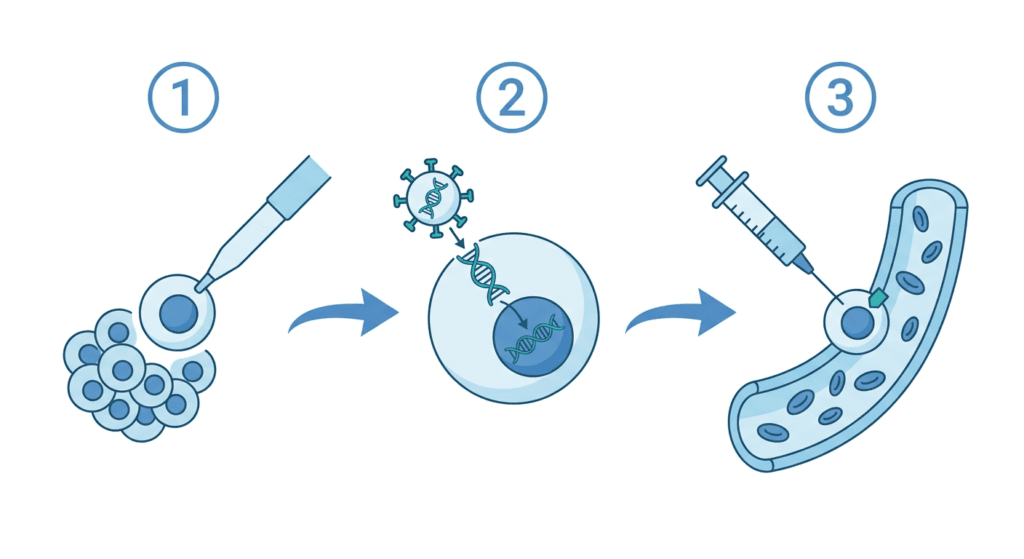
    Mobilization and apheresis: The patient receives drugs (G-CSF and/or plerixafor) to mobilize hematopoietic stem cells (HSCs) from the bone marrow into the bloodstream. These CD34+ progenitor cells are then collected by apheresis, a process that filters blood through a machine and harvests stem cells.

    Ex vivo gene correction: The harvested CD34+ cells are taken to a manufacturing facility and transduced with a lentiviral vector carrying a functional copy of the ITGB2 gene. The lentiviral vector integrates into the cell genome, providing a permanent genetic correction. A back-up collection of unmodified CD34+ cells is preserved in case engraftment fails.

    Myeloablative conditioning: Before infusion, the patient undergoes full myeloablative conditioning, high-dose chemotherapy designed to eliminate the existing defective bone marrow and create space for the corrected cells to engraft. This is a significant clinical intervention and the primary source of short-term treatment-related risk.

    Infusion: The gene-corrected cells are infused intravenously in a single dose. They travel to the bone marrow, engraft, and begin producing CD18-expressing neutrophils and other leukocytes, ideally for the patient’s lifetime.

    Lentiviral vectors and insertional oncogenesis: the long-term risk to understand A lentiviral vector works by integrating a copy of the therapeutic gene into the patient’s genome, which is what makes the correction permanent. But integration is not perfectly targeted: the vector can insert near oncogenes (cancer-promoting genes), potentially disrupting their regulation. This risk is called insertional oncogenesis. Early-generation retroviral gene therapies for X-linked SCID caused leukemia in some patients, creating lasting concern about the category. Modern lentiviral vectors like the one used in KRESLADI are self-inactivating (SIN): the viral promoter that could drive oncogene expression is deleted after integration, substantially reducing this risk. The prescribing information for KRESLADI includes a formal warning for lentiviral vector-mediated insertional oncogenesis and requires long-term follow-up monitoring. No cases of insertional oncogenesis were observed in the Phase 1/2 trial, but with a median follow-up of 4.2 years in only 9 patients, long-term surveillance remains a post-marketing requirement. This is not a reason to avoid the therapy in a disease with near-certain early mortality without treatment, but it is a reason for enrolled families to maintain follow-up.

    The Phase 1/2 Clinical Trial: Nine Patients, Published in NEJM

    The trial supporting KRESLADI’s approval (NCT03812263) was an open-label, single-arm, multicenter Phase 1/2 study conducted at leading pediatric immunodeficiency centers including UCLA and Great Ormond Street Hospital in London. It enrolled 9 children with molecularly confirmed severe LAD-I (biallelic ITGB2 mutations, CD18 expression below 2% of normal) who lacked an available HLA-matched sibling donor.

    The primary endpoints were biomarker-based: neutrophil CD18 and CD11a surface expression at 12 and 24 months, used as surrogates for restored immune function. Secondary endpoints included safety, engraftment, infection events, and HSCT-free survival. Results were published in the New England Journal of Medicine.

    OutcomeResult
    Study population9 children with severe LAD-I, biallelic ITGB2 mutations, no HLA-matched sibling donor
    HSCT-free survival at 1 year100% (95% CI 66 to 100; p less than 0.001)
    Graft failures0 of 9
    Median follow-up4.2 years (range 3.6 to 5.7)
    Neutrophil CD18 expression (Month 12)Sustained increase in all 9 patients
    Neutrophil CD18 expression (Month 42)Sustained in all 7 patients with available data
    Neutrophil CD11a expression (Month 12)Median 45% (range 18 to 75)
    Neutrophil CD11a expression (Month 24)Median 39% (range 17 to 65)
    Patients enrolled below age 1 yearAll alive beyond 2 years of age
    Treatment-related serious adverse eventsNone reported
    Insertional oncogenesis casesNone observed (ongoing monitoring required)

    Source: Phase 1/2 clinical trial results for marnetegragene autotemcel in LAD-I. New England Journal of Medicine. NCT03812263.

    The 100% HSCT-free survival figure warrants careful interpretation alongside the confidence interval (66 to 100%). With only 9 patients, the lower bound of that confidence interval means the true survival rate could theoretically be as low as 66%, which is not a negligible uncertainty. The FDA’s accelerated approval based on biomarker data rather than confirmed long-term clinical outcomes reflects this: the agency considered the surrogate endpoints (CD18 and CD11a expression) sufficiently likely to predict clinical benefit given the biological coherence and the disease’s natural history, while requiring confirmatory data through post-marketing studies.

    What the 4.2-year median follow-up confirms is durability of the biomarker response: all 7 patients with data available at month 42 maintained sustained neutrophil CD18 expression. The correction appears stable across the observation period, which is among the longest available for any lentiviral hematopoietic gene therapy in a primary immunodeficiency.

    Vinay Prasad, MD, MPH, Chief Medical and Scientific Officer and Director of the FDA Center for Biologics Evaluation and Research, stated at the time of approval that today’s accelerated approval provides a breakthrough treatment for pediatric patients with severe LAD-I, the first FDA-approved gene therapy to treat this disease.


    KRESLADI vs. Allogeneic HSCT: Understanding the Comparison

    The most meaningful clinical comparison for KRESLADI is not placebo. In a disease with near-certain early mortality, a placebo-controlled trial would be unethical. The relevant comparison is allogeneic hematopoietic stem cell transplantation from an HLA-matched sibling donor, the only prior curative approach.

    FeatureKRESLADI (gene therapy)Matched sibling HSCT
    Donor requiredNo, uses patient’s own cellsYes, HLA-matched sibling
    AvailabilityAll eligible patients without matched siblingApproximately 25 to 30% of patients have matched sibling
    GVHD riskNone (autologous)Significant, especially with mismatched donors
    Graft failure risk0 of 9 in trialHigher with mismatched; lower with matched sibling
    Conditioning requiredYes, full myeloablativeYes, myeloablative or reduced-intensity
    Insertional oncogenesis riskSmall but real (lentiviral vector)None
    Long-term follow-up dataMedian 4.2 years (n=9)Decades; large registry data available
    Regulatory statusFDA accelerated approval (March 2026)Standard curative approach (first-line when donor available)

    The comparison highlights that KRESLADI is approved specifically for the gap population, those without an available HLA-matched sibling donor. It does not replace matched-sibling HSCT, which remains the standard approach when a donor is available. For families without that option, gene therapy now provides a curative path that did not previously exist.

    The ongoing clinical evolution of HSCT is also worth noting. Haploidentical transplantation, using a partially matched donor such as a parent, is increasingly feasible through improved graft manipulation techniques and is being evaluated as an alternative for patients without matched siblings. The availability of KRESLADI creates an additional option alongside these evolving transplant approaches, giving clinicians and families more to consider.


    Safety: What to Know Before Treatment

    No treatment-related serious adverse events were reported in the Phase 1/2 trial, a notable finding given the severity of the conditioning regimen required. Most adverse reactions reflected the expected effects of myeloablative conditioning rather than the gene therapy product itself.

    Common adverse reactions in the trial population included: mucositis, upper respiratory tract infection, viral infection, febrile neutropenia, skin lesions, nausea and vomiting, rash, pyrexia, device-related infection, decreased blood counts (hemoglobin, platelets, neutrophils, leukocytes), and elevated liver enzymes (AST, ALT).

    The prescribing information includes formal warnings and precautions for:

    • Serious infections: susceptibility increases during the myeloablative conditioning period before engraftment is established
    • Veno-occlusive disease (hepatic VOD): monitor liver function tests during the first month following infusion
    • Neutrophil engraftment failure: defined as failure to achieve absolute neutrophil count of 500 cells per microliter or higher by Day 43; back-up unmodified CD34+ cells are preserved in case rescue is needed
    • Delayed platelet engraftment
    • Lentiviral vector-mediated insertional oncogenesis: long-term monitoring required
    • Hypersensitivity reactions

    What Treatment Involves: The Full Patient Journey

    For families whose child has been diagnosed with severe LAD-I and lacks an HLA-matched sibling donor, the path to KRESLADI involves a structured sequence of steps that requires specialized care at a qualified treatment center.

    Genetic confirmation first

    KRESLADI is indicated specifically for patients with severe LAD-I due to biallelic variants in ITGB2 confirmed by molecular testing, with CD18 expression below 2% of normal. Clinical diagnosis alone is not sufficient for eligibility. Genetic testing confirming the ITGB2 mutations is required.

    Specialized treatment center

    KRESLADI will be administered only at qualified treatment centers with experience in bone marrow transplantation and gene therapy. The manufacturing process, including mobilization, apheresis, ex vivo gene correction, and back-up cell preservation, requires institutional infrastructure that is not available at all pediatric centers. Rocket Pharmaceuticals indicated it plans a measured rollout to ensure quality and safety at launch.

    Timing matters

    The trial enrolled children as young as infants. Outcomes in LAD-I gene therapy, as in most gene therapies for primary immunodeficiencies, are generally better when treatment is given before significant infection-related damage has accumulated. Families who receive a diagnosis of severe LAD-I should contact a specialized immunodeficiency center promptly to discuss evaluation and next steps, rather than waiting for a clinical crisis.

    Regulatory designations

    KRESLADI received multiple FDA designations supporting its development:

    With approval, Rocket Pharmaceuticals received a Rare Pediatric Disease Priority Review Voucher, a transferable regulatory instrument that entitles the holder to priority (6-month) FDA review for a future NDA or BLA. PRVs have historically traded in the $100 to $150 million range. Rocket may use the voucher for a future program or sell it; either way, it represents a financial mechanism designed to incentivize rare pediatric drug development.

    For related coverage of other rare pediatric disease FDA approvals in 2026, see our posts on the first gene therapy for genetic deafness approved under the Rare Pediatric Disease PRV program, the UX111 gene therapy BLA for Sanfilippo syndrome now under FDA review, and the approval of navepegritide (YUVIWEL) for achondroplasia in children.


    For families whose child has been diagnosed with severe LAD-I or who are under evaluation for a primary immunodeficiency presenting with recurrent severe infections in infancy, the most important first step is early referral to a center with expertise in primary immunodeficiencies and gene therapy. The Immune Deficiency Foundation maintains a directory of immunodeficiency specialists and can connect families with clinical expertise. For questions about KRESLADI specifically, Rocket Pharmaceuticals’ medical affairs team and information on the treatment program are available through their website. The confirmatory post-marketing studies will build the long-term evidence base that the Phase 1/2 trial, while remarkable, cannot yet provide. Families who enroll in long-term follow-up contribute directly to that body of evidence.


    Sources

    FDA press release: FDA Approves First Gene Therapy for Severe Leukocyte Adhesion Deficiency Type I. FDA.gov. March 26, 2026.

    Rocket Pharmaceuticals press release: Rocket Pharmaceuticals Announces FDA Approval of KRESLADI for Pediatric Patients with Severe LAD-I. March 27, 2026. ir.rocketpharma.com.

    FDA approval letter: BLA 125806/0 Approval Letter. March 26, 2026.

    KRESLADI prescribing information: KRESLADI (marnetegragene autotemcel) Prescribing Information. Rocket Pharmaceuticals; 2026.

    NEJM primary publication: Phase 1/2 clinical trial results for marnetegragene autotemcel in LAD-I. New England Journal of Medicine. NCT03812263.

    Phase 1/2 trial registration: NCT03812263. Gene Therapy for Leukocyte Adhesion Deficiency Type I. ClinicalTrials.gov.

    Pharmacy Times coverage: FDA Approves Marne-Cel, First Stem Cell-Based Gene Therapy for Pediatric Patients With LAD-I. pharmacytimes.com. March 2026.

    Rheumatology Advisor: Gene Therapy Kresladi Approved for Severe Leukocyte Adhesion Deficiency-I. rheumatologyadvisor.com. March 2026.

    BioPharm International: FDA Approval of Kresladi Expands Gene Therapy in Pediatric Rare Diseases. biopharminternational.com. April 2026.

    Disease overview: Novoa EA et al. Leukocyte adhesion deficiency-I: A comprehensive review. J Allergy Clin Immunol Pract. 2018.

    LAD-I GARD overview: Leukocyte Adhesion Deficiency Type 1. rarediseases.info.nih.gov.

    CD18 biology: CD18 integrin biology. PMC5555401.

    Lentiviral vectors: Lentiviral vectors in gene therapy. PMC6563422.

    Insertional oncogenesis: Insertional oncogenesis risk in gene therapy. PMC8709598.

    Hematopoietic stem cells: Hematopoietic Stem Cells. StatPearls. NCBI.

    Myeloablative conditioning: Myeloablative Conditioning. StatPearls. NCBI.

    Haploidentical HSCT: Haploidentical Transplantation. PMC7138706.

    HLA matching in HSCT: HLA Matching in HSCT. StatPearls. NCBI.

    Accelerated approval pathway: Accelerated Approval Program. FDA.gov.

    Rare Pediatric Disease PRV: Rare Pediatric Disease Priority Review Voucher Program. FDA.gov.

    Patient resources: Immune Deficiency Foundation | NORD: LAD-I | Rocket Pharmaceuticals | ClinicalTrials.gov: LAD-I

    Disclaimer: Health Evidence Digest provides general information about FDA approvals and health research for educational purposes. This content is not a substitute for professional medical advice. Treatment decisions for severe LAD-I should be made in consultation with a board-certified pediatric immunologist or hematologist at a center with expertise in gene therapy and primary immunodeficiencies. KRESLADI received accelerated approval; continued approval may be contingent on confirmatory post-marketing study results.