Tag: WEGOVY

  • Wegovy HD: The FDA Just Approved a Semaglutide Dose Three Times Stronger Than Before. Here’s What the Data Actually Shows.

    Wegovy HD: The FDA Just Approved a Semaglutide Dose Three Times Stronger Than Before. Here’s What the Data Actually Shows.


    📌 The essentials On March 19, 2026, the FDA approved Wegovy HD (semaglutide 7.2 mg injection, Novo Nordisk) for chronic weight management in adults with obesity (BMI of 30 or higher), or overweight (BMI of 27 or higher) with at least one weight-related condition. This is the highest available dose of injectable semaglutide and the first GLP-1 receptor agonist approved under the Commissioner’s National Priority Voucher (CNPV) program. Prerequisite for use: patients must have tolerated the 2.4 mg Wegovy dose for at least 4 weeks, and additional weight reduction must be clinically indicated. The clinical basis: The STEP UP Phase 3b trial, published in The Lancet Diabetes and Endocrinology in November 2025, showed mean weight loss of 20.7% at 72 weeks with semaglutide 7.2 mg versus 15% with semaglutide 2.4 mg. Approximately 1 in 3 participants lost 25% or more of their body weight. 89% of Wegovy HD participants achieved at least 5% body weight loss versus 38% on placebo. The STEP UP T2D trial in participants with obesity and type 2 diabetes showed mean weight loss of 14.1%. What this approval does not change: Wegovy HD is used alongside a reduced-calorie diet and increased physical activity, not as a standalone treatment. The safety profile is consistent with previously established semaglutide effects, with new attention warranted on altered skin sensation at the higher dose.

    When Wegovy (semaglutide 2.4 mg) was approved in June 2021, it represented a meaningful advance in obesity pharmacotherapy. Producing roughly 15% mean body weight loss in clinical trials, it substantially outperformed prior generations of weight management drugs and drove the GLP-1 wave that has since reshaped both prescribing patterns and public conversation around obesity treatment.

    But 15% average weight loss, while meaningful, still leaves many patients short of the weight reduction needed to achieve their health goals. For someone starting at 250 pounds, 15% is about 37 pounds. For patients with significant obesity-related comorbidities who need to lose 60 or 80 pounds to meaningfully reduce cardiovascular risk, type 2 diabetes progression, or joint disease burden, the 2.4 mg ceiling was a clinical limitation.

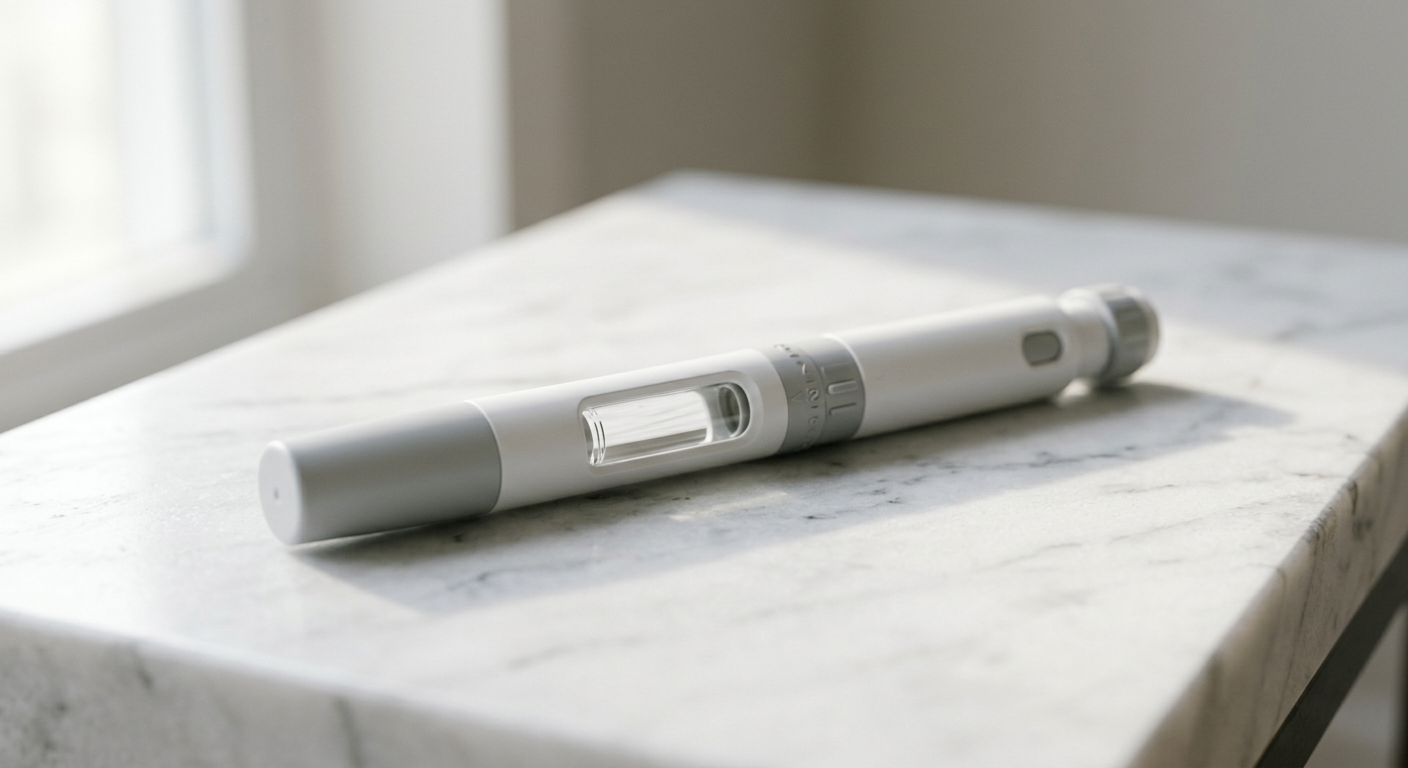
    Wegovy HD (semaglutide 7.2 mg), approved March 19, 2026, is Novo Nordisk’s answer to that limitation. It is not a new drug. It is the same semaglutide molecule at a higher dose, with a new clinical program demonstrating that going higher produces meaningfully greater weight loss, with a safety profile consistent with what clinicians and patients already know about semaglutide.

    This post covers what the STEP UP trial actually showed, how to read the numbers carefully, who this approval is for, how it fits into the existing semaglutide landscape, and what the CNPV program means for why this approval moved so quickly.


    Semaglutide: A Brief Recap of the Mechanism and Existing Approvals

    Semaglutide is a GLP-1 (glucagon-like peptide-1) receptor agonist, a class of drugs that mimic the gut hormone GLP-1. GLP-1 is released after eating and signals the pancreas to produce insulin in a glucose-dependent way, suppresses glucagon, slows gastric emptying, and most relevantly for weight management, signals satiety to the brain through receptors in the hypothalamus and brainstem.

    At pharmacological doses, semaglutide produces a potent and sustained reduction in appetite and caloric intake that goes well beyond what natural GLP-1 signaling achieves. The weight loss is real and clinically meaningful, but it is dose-dependent: higher doses produce more robust GLP-1 receptor engagement and, in the clinical trials conducted so far, greater weight loss.

    The existing semaglutide portfolio in the United States includes:

    ProductDoseRoutePrimary indicationFDA status
    Ozempic0.5 mg, 1 mg, 2 mgWeekly injectionType 2 diabetesApproved 2017
    Rybelsus3 mg, 7 mg, 14 mgDaily oral tabletType 2 diabetesApproved 2019
    Wegovy 2.4 mg2.4 mgWeekly injectionChronic weight managementApproved 2021
    Wegovy oral 25 mg25 mgDaily oral tabletChronic weight managementApproved 2025
    Wegovy HD 7.2 mg7.2 mgWeekly injectionChronic weight managementApproved March 2026

    Wegovy HD joins this portfolio as a step-up option specifically for patients who have been on Wegovy 2.4 mg for at least four weeks and need greater weight reduction. It is not a replacement for the existing 2.4 mg formulation, and it is not the starting point for treatment-naive patients.


    The STEP UP Trials: What the Evidence Actually Shows

    The FDA approval is based on two Phase 3b trials, both published in The Lancet Diabetes and Endocrinology in November 2025.

    STEP UP (obesity without type 2 diabetes)

    The STEP UP trial enrolled approximately 1,400 adults with obesity (BMI of 30 or higher) or overweight (BMI of 27 or higher) with at least one weight-related condition. Participants were randomized to once-weekly semaglutide 7.2 mg, semaglutide 2.4 mg, or placebo, all as adjuncts to lifestyle intervention, over 72 weeks. Mean baseline body weight was approximately 248 pounds (112.5 kg).

    OutcomeSemaglutide 7.2 mgSemaglutide 2.4 mgPlacebo
    Mean body weight loss at 72 weeks20.7%~15%~2 to 3%
    Participants losing 25% or more~1 in 3 (approx. 33%)Substantially lowerRare
    Participants achieving at least 5% weight loss89%Higher than placebo38%
    Statistical significance vs. placeboYes (p less than 0.0001)YesReference
    Statistical significance vs. 2.4 mgYes (superior)Reference

    Source: Wharton S, Freitas P, Hjelmesaeth J, et al. STEP UP trial group. Once-weekly semaglutide 7.2 mg in adults with obesity (STEP UP): a randomised, controlled, phase 3b trial. Lancet Diabetes Endocrinol. 2025;13(11):949-963. doi:10.1016/S2213-8587(25)00226-8

    A mean weight loss of 20.7% from a baseline of approximately 248 pounds translates to roughly 51 pounds of average weight reduction. The finding that approximately 1 in 3 participants achieved 25% or greater weight loss is the number generating the most clinical interest, because it suggests that a meaningful subset of patients on the 7.2 mg dose approaches the weight loss territory previously associated only with bariatric surgery.

    For context, Roux-en-Y gastric bypass typically produces 25 to 35% total body weight loss over two years. The overlap between the upper end of pharmacological response with Wegovy HD and surgical outcomes is a genuinely new development in obesity medicine, with implications for how patients and clinicians think about the threshold for surgical consideration.

    STEP UP T2D (obesity with type 2 diabetes)

    The STEP UP T2D trial enrolled approximately 500 adults with obesity and type 2 diabetes. Semaglutide 7.2 mg produced mean weight loss of 14.1% at 72 weeks compared to placebo. The lower magnitude versus the non-diabetes STEP UP trial is consistent with the pattern seen throughout the semaglutide clinical program: type 2 diabetes attenuates GLP-1-mediated weight loss. This is likely because individuals with established T2D have varying degrees of beta cell dysfunction and altered GLP-1 receptor sensitivity that reduces the drug’s weight-lowering effect. The 14.1% figure is still a clinically meaningful weight loss in a T2D population and substantially better than prior generation weight management drugs.


    How to Read the 20.7% Carefully

    The 20.7% mean weight loss headline deserves careful interpretation.

    It is a mean, not a universal outcome. Mean weight loss describes the average across all participants who completed the trial. Some participants lost substantially more. Some lost less, and some may have lost little or nothing. The 1-in-3 statistic for 25% or greater loss and the 89% statistic for at least 5% loss together give a clearer picture of the distribution: the vast majority of participants achieved meaningful weight loss, and a substantial minority achieved very large weight loss.

    72 weeks is not a lifetime. The trial ran for 72 weeks (approximately 17 months). What happens to weight after year two, especially if the drug is discontinued, is a well-established concern across the entire GLP-1 class. Studies of semaglutide 2.4 mg discontinuation show substantial weight regain after stopping treatment. The same pattern should be assumed for Wegovy HD until data proves otherwise. This is a chronic medication for a chronic condition, not a course of treatment with a defined end.

    The comparison to 2.4 mg matters for patient selection. The additional weight loss of approximately 5 to 6 percentage points over the existing Wegovy 2.4 mg dose is real and statistically significant, but it comes with additional cost, potentially greater side effect burden, and the requirement for prior tolerance of the lower dose. For patients at or near their weight management goals on 2.4 mg, the step-up may not be necessary or clinically indicated. The label specifically requires that additional weight reduction be clinically indicated before stepping up.


    Safety: What’s the Same and What’s New at 7.2 mg

    The safety profile of Wegovy HD is broadly consistent with established semaglutide pharmacology. Clinicians and patients familiar with Wegovy 2.4 mg will recognize most of the safety considerations.

    Consistent with prior semaglutide experience:

    New at the higher dose:

    The clinical data from STEP UP identified altered skin sensation, including sensitivity, pain, or burning, at a higher frequency than seen with the 2.4 mg dose. Most cases resolved spontaneously or with dose adjustment, but this is a new signal worth counseling patients about before initiating.

    What the label requires for step-up:

    Patients must have tolerated semaglutide 2.4 mg for at least four weeks before stepping up to 7.2 mg. This requirement reflects both the clinical logic of demonstrating tolerance at the lower dose and the practical need to allow the most common GI side effects to stabilize before adding a higher dose burden.


    The CNPV Connection: Why This Approval Moved Quickly

    Wegovy HD was the first GLP-1 receptor agonist to receive a Commissioner’s National Priority Voucher (CNPV) and, notably, the first product to be approved under the CNPV program (the program was used for Wegovy HD before the subsequent psychedelic drug designations announced in April 2026).

    As covered in our post on the FDA’s fast-tracking of psychedelic drug programs, a CNPV compresses the FDA review timeline to approximately one to two months from NDA submission versus the standard 10 to 12 months. It does not change the evidentiary standard for approval. The drug still needs to demonstrate substantial evidence of safety and efficacy. It means the FDA will prioritize the review and engage more frequently with the sponsor.

    The CNPV for Wegovy HD reflects the FDA’s and the current administration’s positioning of obesity treatment as a national health priority, consistent with the executive orders and policy signals throughout early 2026. Whether this prioritization extends to other obesity and metabolic drugs in the pipeline will be worth watching.


    How This Fits Into the GLP-1 and Obesity Treatment Landscape

    Wegovy HD does not exist in isolation. It enters a treatment landscape that has been transformed over the past five years by the GLP-1 class and continues to evolve rapidly.

    The tirzepatide comparison: Tirzepatide (Zepbound, Eli Lilly), the dual GLP-1/GIP receptor agonist approved in 2023, produces mean weight loss of approximately 20 to 22% in its pivotal SURMOUNT trials at the highest 15 mg dose, with roughly 1 in 3 participants achieving 25% or greater weight loss. The efficacy profile of Wegovy HD at 20.7% mean weight loss with similar distribution now places it in the same general range as tirzepatide, narrowing the efficacy gap that had developed after tirzepatide’s approval. No head-to-head trial comparing the two drugs has been conducted; cross-trial comparisons are unreliable and should not be used to conclude one drug is superior to the other.

    The role of step-up therapy: The availability of a higher dose within the semaglutide class provides clinicians with a titration option that did not previously exist for patients on Wegovy who needed more. Previously, the next step beyond 2.4 mg Wegovy for a patient needing greater weight reduction would have been switching to tirzepatide or considering bariatric surgery. Wegovy HD adds an intermediate option within the semaglutide class, which may be preferable for patients who are tolerating semaglutide well and want to maximize their response before considering a class switch.

    Availability: Wegovy HD became available at major retail pharmacies, telehealth partners, and through NovoCare/GoodRx channels beginning in April 2026.

    For more on how GLP-1 medications are being used beyond their original approved indications, including emerging evidence in PCOS and fertility, see our post on GLP-1 medications and PCOS: what the 2026 research actually shows.


    Who Should Consider Wegovy HD and Who Should Not

    The FDA label establishes clear parameters for appropriate use. This is not a starting-point obesity treatment, and it is not for everyone who has been on Wegovy 2.4 mg.

    May be appropriate for:

    • Adults with obesity who have been on Wegovy 2.4 mg for at least four weeks, tolerated it well, and still have clinically significant weight loss goals to meet
    • Patients with obesity-related comorbidities (cardiovascular disease, type 2 diabetes, hypertension, sleep apnea, osteoarthritis) where additional weight loss would materially change the disease course
    • Patients being evaluated for bariatric surgery who want to explore whether maximal pharmacological therapy achieves sufficient weight loss to meet their goals or reduce surgical risk

    Likely not appropriate for:

    • Treatment-naive patients (must start at lower doses and titrate per established protocol)
    • Patients who did not tolerate GI side effects at 2.4 mg
    • Patients at or near their weight management goals on the current dose
    • Patients with contraindications to semaglutide (personal or family history of MTC or MEN2, history of pancreatitis)
    • Patients who are pregnant or planning pregnancy in the near term (GLP-1 medications should be discontinued approximately two months before attempting conception)

    The cost question: Wegovy HD is a branded medication. List price for Wegovy 2.4 mg has been approximately $1,300 to $1,700 per month without insurance. Wegovy HD pricing has not been separately published as of this post. Novo Nordisk’s NovoCare savings program provides cost assistance for eligible patients. Insurance coverage for higher-dose GLP-1s for obesity (as opposed to type 2 diabetes) remains variable across payers, and prior authorization requirements are common. Patients should verify coverage before starting.


    Sources

    FDA approval and Novo Nordisk press release: Novo Nordisk A/S: Wegovy HD (semaglutide 7.2 mg) approved in the US, providing 20.7% mean weight loss. GlobeNewswire. March 19, 2026.

    Novo Nordisk US press release: FDA Approves Novo Nordisk’s New Wegovy HD Injection. PRNewswire. March 19, 2026.

    STEP UP primary publication: Wharton S, Freitas P, Hjelmesaeth J, et al; STEP UP trial group. Once-weekly semaglutide 7.2 mg in adults with obesity (STEP UP): a randomised, controlled, phase 3b trial. Lancet Diabetes Endocrinol. 2025;13(11):949-963. doi:10.1016/S2213-8587(25)00226-8

    STEP UP T2D publication: Once-weekly semaglutide 7.2 mg in adults with obesity and type 2 diabetes (STEP UP T2D): a randomised, controlled, phase 3b trial. Lancet Diabetes Endocrinol. 2025;13(11):935-948.

    AJMC clinical coverage: Higher-Dose Semaglutide Approved Under New FDA Accelerated Review Process. AJMC. March/May 2026.

    HCPLive approval coverage: FDA Approves Higher Dose Semaglutide (Wegovy HD) Injection 7.2 mg for Obesity. HCPLive. March 2026.

    PharmExec coverage: FDA Approves Wegovy HD Injectable Under Accelerated Approval. PharmExec. March 2026.

    Wegovy 2.4 mg original FDA approval: FDA approves new drug treatment for chronic weight management in adults. FDA.gov. June 2021.

    Semaglutide mechanism reference: Semaglutide. StatPearls. NCBI.

    Weight regain after GLP-1 discontinuation: Wilding JPH et al. Weight regain and cardiometabolic effects after withdrawal of semaglutide: the STEP 1 trial extension. Diabetes Obes Metab. 2022. PMC9183237.

    Bariatric surgery weight loss reference: Mechanick JI et al. Clinical practice guidelines for the perioperative nutritional, metabolic, and nonsurgical support of the bariatric surgery patient. PMC4371744.

    Tirzepatide FDA approval: FDA approves novel dual GI peptide receptor agonist for chronic weight management. FDA.gov. November 2023.

    Wegovy existing prescribing information: Wegovy prescribing information. accessdata.fda.gov.

    NovoCare patient support: novonordisk-us.com/patient-support.html

    Disclaimer: Health Evidence Digest provides general information about FDA approvals and health research for educational purposes. This content is not a substitute for professional medical advice. Decisions about obesity treatment, including whether to step up to Wegovy HD, should be made in consultation with a qualified healthcare provider who can evaluate your individual health history, current medications, and weight management goals. GLP-1 medications should not be discontinued or dose-changed without clinical guidance.
  • GLP-1 Drugs and Suicidal Thoughts: The FDA Reviewed 107,910 Patients and 2.2 Million Real-World Users. What It’s Now Asking Drug Makers to Remove.

    GLP-1 Drugs and Suicidal Thoughts: The FDA Reviewed 107,910 Patients and 2.2 Million Real-World Users. What It’s Now Asking Drug Makers to Remove.


    📌 Where This Review Stands as of January 2026: Read This First January 13, 2026: The FDA issued an updated Drug Safety Communication concluding that its comprehensive review, spanning 91 clinical trials, 107,910 patients, and a real-world cohort of 2.24 million users, found no evidence of increased suicidal behavior or ideation with GLP-1 receptor agonists. The FDA has formally requested removal of suicidality warnings from the prescribing information for semaglutide, tirzepatide, and liraglutide. This is the FDA’s clearest signal that it considers the concern resolved. The European Medicines Agency reached a similar conclusion in April 2024 after its own independent review. Important nuance: the FDA’s update also examined anxiety, depression, irritability, and psychosis, and found no increased risk for these psychiatric adverse events either. Patients should not stop GLP-1 medications without consulting their healthcare provider. If you are experiencing mood changes or distressing thoughts, contact your clinician and call or text 988.

    When a drug is used by tens of millions of people, any signal in the adverse event database draws attention, even when that signal does not establish causation. That is the story of how GLP-1 receptor agonists and suicidality became a major pharmacovigilance question, why it took more than two years and two regulatory agencies to work through the evidence, and why the answer that emerged from one of the largest drug safety analyses ever conducted matters for patients and clinicians navigating this question.

    The conclusion: the FDA reviewed the evidence systematically and comprehensively. It found no causal link. It is now asking manufacturers to remove the suicidality warning language. Getting to that conclusion required understanding why the signal appeared, why it was worth investigating seriously, and why the initial reports did not mean what some feared.


    How the Signal Emerged and Why It Was Worth Investigating

    GLP-1 receptor agonists, the class that includes semaglutide (Ozempic, Wegovy), tirzepatide (Mounjaro, Zepbound), liraglutide (Victoza, Saxenda), dulaglutide (Trulicity), and others, have become among the most widely prescribed drugs in modern medicine. More than 40 million Americans have taken semaglutide alone. At that scale, rare adverse events generate measurable counts in pharmacovigilance databases even when those events occur at the same rate as in untreated patients.

    The concern originated in Europe. In 2023, the European Medicines Agency received reports of suicidal thoughts and self-injury in patients taking semaglutide and liraglutide. The EMA initiated a formal safety review. The FDA, which had already added precautionary language to certain GLP-1 labels, also began a systematic evaluation. In January 2024, the FDA announced preliminary findings with no evidence of a causal link, but stated the review was not yet complete. The January 13, 2026 Drug Safety Communication represents the completed review.

    Why the initial signal was plausible enough to investigate seriously Several biological mechanisms made a GLP-1/suicidality connection worth examining. GLP-1 receptors are expressed not just in the pancreas and gut but throughout the brain, including in regions involved in mood regulation, reward processing, and appetite. Semaglutide is known to reduce what is sometimes described as “food noise,” the intrusive, preoccupying thoughts about food. Whether this appetite-suppressing CNS effect could, in some patients, contribute to a broader hedonic blunting or mood change was a reasonable hypothesis to test. Additionally, rapid weight loss from any cause is associated with increased risk of mood disruption, nutritional deficiency, and in some cases a paradoxical worsening of psychological wellbeing when results do not match expectations. Patients who begin GLP-1 therapy with unrealistic expectations and experience slower-than-expected weight loss may be particularly vulnerable. An umbrella review published in Healthcare (MDPI) in 2025 specifically identified unrealistic treatment expectations as a factor associated with suicidal ideation in GLP-1 users, independently of any pharmacological mechanism. The precedent from lorcaserin (Belviq), a weight-loss drug withdrawn in 2020 due to cancer risk that had also carried a suicidality warning, created additional regulatory pressure to examine this class carefully. And context matters: obesity and type 2 diabetes both independently elevate the baseline risk of depression and suicidality, meaning any population study in GLP-1 users is working against a backdrop of elevated baseline risk.

    What the FDA’s Review Actually Examined

    The January 2026 Drug Safety Communication represents one of the most comprehensive pharmacovigilance analyses ever conducted for a drug class. The FDA’s review incorporated three distinct streams of evidence.

    1. FAERS adverse event report review

    The FDA conducted detailed reviews of suicidal thoughts and action reports in its Adverse Event Reporting System (FAERS) database. It found that the reports were limited in detail and that suicidal events could be explained by other factors, including the underlying conditions for which GLP-1s are prescribed. A peer-reviewed FAERS analysis by McIntyre et al. (2024), applying Bradford Hill criteria for causality assessment, found disproportionate reporting of suicidal ideation with semaglutide and liraglutide, but no disproportionate reporting of actual suicidal behavior, suicide attempts, or completed suicide for any GLP-1. Their conclusion: no causal link exists when confounders are considered.

    2. Meta-analysis of 91 clinical trials (107,910 patients)

    The FDA conducted a meta-analysis pooling data from 91 placebo-controlled clinical trials of GLP-1 medications: 60,338 patients treated with GLP-1s and 47,572 treated with placebo. This is among the largest drug safety meta-analyses ever assembled for a single question. The results did not demonstrate an increased risk of suicidal behavior or ideation with GLP-1s. The analysis also examined related psychiatric outcomes, including anxiety, depression, irritability, and psychosis, and found no increased risk for any of these either.

    3. Sentinel System real-world cohort study (2.24 million users)

    The FDA’s Sentinel System, a large database of health insurance claims and patient health records, was used to conduct a retrospective cohort study comparing the risk of intentional self-harm between new users of GLP-1 receptor agonists and new users of SGLT2 inhibitors. The study included 1,161,983 GLP-1 users and 1,081,155 SGLT2 users. This real-world analysis found no increased risk of intentional self-harm with GLP-1 use.

    Evidence streamScaleFinding
    FAERS adverse event reviewDetailed case-by-case reviewNo clear causal relationship; limited report detail; events explainable by underlying conditions
    Clinical trial meta-analysis91 trials, 107,910 patients (60,338 GLP-1 vs 47,572 placebo)No increased risk of suicidal ideation, behavior, anxiety, depression, irritability, or psychosis
    Sentinel real-world cohort2,243,138 users (1.16M GLP-1 vs 1.08M SGLT2 inhibitor)No increased risk of intentional self-harm with GLP-1 use
    EMA independent review (April 2024)EU-based pharmacovigilance and clinical trial dataEvidence insufficient to support causal association; no label change warranted

    Beyond the FDA: What Independent Research Shows

    The regulatory conclusions are consistent with the direction of the independent peer-reviewed literature, which has grown substantially since 2023.

    The Nature Medicine study (semaglutide vs. comparators, n=240,618)

    A study published in Nature Medicine, led by researchers at Case Western Reserve University and the National Institute on Drug Abuse, used electronic health records from 240,618 patients with overweight or obesity prescribed semaglutide or a non-GLP-1 medication for weight management. Semaglutide was associated with a lower risk of incident suicidal ideation (HR 0.27) and recurrent suicidal ideation (HR 0.44) compared with other agents. Dr. Nora Volkow, MD, Director of the National Institute on Drug Abuse (NIDA), was explicit about the appropriate interpretation of this finding in the publication’s commentary: the study does not indicate that taking semaglutide could reduce the risk of suicidal ideation or that it actively protects against suicidal ideation, as such a conclusion would require clinical trials.

    Mendelian randomization: no genetic link

    A Mendelian randomization study by Nguyen (2024) used genetic variants associated with GLP-1 pathway activity as proxies for long-term drug-like exposure. This approach can detect causal biological effects independent of confounders. The study found no causal evidence linking the glycemic and BMI-lowering effects of GLP-1 receptor agonists to an increased risk of suicide attempts, either in the general population or in individuals with pre-existing mental health conditions.

    Systematic reviews and meta-analyses

    A 2025 systematic review in Diabetes/Metabolism Research and Reviews (Bushi et al.) pooled observational cohort and case-control studies. It found no consistent association between GLP-1 use and increased suicidal ideation or behavior in the general diabetes or obesity population. An umbrella review published in Healthcare (MDPI) in 2025 synthesized 12 reviews and meta-analyses and found results consistent across studies, with no significant association between GLP-1 use and suicidality. A meta-analysis of 31 RCTs involving approximately 85,000 patients found no significant difference in psychiatric disorders (OR 0.97; 95% CI 0.83 to 1.15) or suicidal behavior (OR 0.86) between GLP-1 and placebo arms.


    The Critical Confounding Issue: Obesity and Diabetes Independently Elevate Suicide Risk

    This point deserves its own section because it is the single most important piece of context for interpreting any report connecting GLP-1 drugs to suicidality.

    Obesity is independently associated with elevated rates of depression, anxiety, and suicidal ideation. Type 2 diabetes is independently associated with the same. People prescribed GLP-1 receptor agonists are, by definition, drawn from a population with higher baseline risk of psychiatric adverse events than the general population. When a drug is given to millions of people from a higher-risk population, adverse events including suicidal ideation will be reported, even if the drug itself plays no causal role.

    This is called confounding by indication: the condition being treated (obesity, diabetes) is itself a risk factor for the outcome being studied (suicidal ideation). Properly controlled studies, using comparator groups of patients with the same underlying conditions on different medications, or using the Mendelian randomization approach to remove confounders entirely, consistently fail to find excess suicidal risk attributable to GLP-1 drugs.

    The co-prescription signal: a nuance worth knowing One finding from the Bushi et al. systematic review warrants specific clinical attention: patients co-prescribed antidepressants showed a substantially higher reporting odds ratio for suicidal ideation (ROR 4.45; 95% CI 2.52 to 7.86), and those co-prescribed benzodiazepines showed a similarly elevated signal (ROR 4.07; 95% CI 1.69 to 9.82). This suggests that individuals with pre-existing mental health conditions who are also taking GLP-1 drugs may warrant closer psychiatric monitoring. This does not mean GLP-1 drugs caused the suicidality in these patients. It almost certainly reflects the fact that patients already on antidepressants or benzodiazepines have higher baseline psychiatric vulnerability. But it is a reasonable clinical signal: if a patient is already being treated for depression or anxiety and starts a GLP-1, maintaining existing mental health follow-up is sensible practice regardless of the FDA’s label change.

    What the FDA Is Asking Drug Makers to Remove and What Stays

    The January 2026 Drug Safety Communication is explicit: the FDA is requesting removal of suicidal behavior and ideation warnings from the prescribing information for semaglutide, tirzepatide, and liraglutide. This is a formal regulatory request to manufacturers, not a unilateral FDA label change. Manufacturers submit the proposed language and the FDA approves it. The practical effect is the same.

    What stays in the label: the established, class-wide safety profile for GLP-1s including gastrointestinal effects, thyroid C-cell tumor risk for injectable GLP-1s, pancreatitis risk, and the contraindications relevant to each specific drug. None of these are affected by the suicidality review.

    The FDA also emphasized that despite requesting label removal, clinicians should continue to be prepared to discuss the findings with patients and to refer individuals who report suicidal ideation or behavior to mental health professionals, not because the drug is causing it, but because the population taking these drugs has higher baseline psychiatric risk that warrants clinical awareness.


    For Patients: What This Means in Practice

    Do not stop your GLP-1 medication based on the suicidality concern. The evidence does not support a causal link. Stopping abruptly without medical guidance can worsen blood sugar control or cause rebound weight gain. Read our post on what happens when semaglutide is discontinued for more context on managing GLP-1 therapy transitions.

    Do tell your prescribing clinician about any changes in mood, new or worsening depression, or distressing thoughts. This applies to any medication in any patient and is not specific to GLP-1s, but it is always important to keep your care team informed.

    If you already have a history of depression or anxiety, ensure your mental health provider is aware you are starting a GLP-1. Not because of a drug risk, but because any significant metabolic change, body image shift, or treatment expectation mismatch can affect mental health in people already managing psychiatric conditions.

    If you are having thoughts of self-harm or suicide, call or text 988 (U.S. Suicide and Crisis Lifeline) any time, or go to your nearest emergency department. Do not wait for a scheduled appointment.

    The label change does not mean GLP-1 drugs are risk-free. They have well-documented side effects including gastrointestinal effects, injection site reactions, and for some patients, hair loss. The specific concern about suicidality, however, has been investigated extensively and not confirmed.


    For Clinicians: Practical Takeaways

    The FDA’s label change request does not eliminate the clinical rationale for psychiatric monitoring in GLP-1 users. The population prescribed these drugs has elevated baseline psychiatric risk, and the co-prescription signal (antidepressants, benzodiazepines) warrants awareness even if it likely reflects underlying vulnerability rather than a drug effect.

    Discuss realistic treatment expectations before initiating GLP-1 therapy. The umbrella review found that unrealistic expectations and disappointment with weight loss results were associated with elevated suicidal risk signals. Setting evidence-based expectations, specifically that 10 to 15% weight loss is typical and results vary, is now both good clinical practice and supported by the safety literature.

    The review’s psychiatric adverse event finding is broader than suicidality. No increased risk of anxiety, depression, irritability, or psychosis was found across 91 trials. This is useful context for reassuring patients who ask about neuropsychiatric effects broadly.

    For patients with a history of suicidality or active psychiatric illness who are candidates for GLP-1 therapy, consider co-management with their mental health provider, not because of drug risk but because of the baseline complexity.

    For related HED coverage of GLP-1 medications and their evolving indications, see our posts on GLP-1 medications and PCOS fertility research in 2026, the approval of Wegovy HD (semaglutide 7.2 mg) and the STEP UP trial data, and the FDA’s post-marketing study requirements for Foundayo (orforglipron).


    If you or someone you know is struggling with mental health right now, please reach out to the 988 Suicide and Crisis Lifeline by calling or texting 988, available 24 hours a day, 7 days a week in the U.S.


    Sources

    FDA Drug Safety Communication (Jan 2026): Update on FDA’s Ongoing Evaluation of Reports of Suicidal Thoughts or Actions in Patients Taking Certain Type 2 Diabetes and Obesity Medicines. January 13, 2026. fda.gov.

    Pharmacy Times coverage: FDA Finds No Increased Suicide Risk With GLP-1 Medications, Requests Removal of Warning Labels. pharmacytimes.com. 2026.

    EMA review conclusion: European Medicines Agency. Assessment report on GLP-1 receptor agonists and risk of suicidal behavior and ideation. April 2024.

    McIntyre et al. FAERS analysis: McIntyre RS, Mansur RB, Rosenblat JD, Kwan ATH. Association between GLP-1 RAs and suicidality using Bradford Hill criteria. Expert Opin Drug Saf. 2024;23(1):47-55. doi:10.1080/14740338.2023.2295397

    Nature Medicine cohort: Wang W, Volkow ND, Berger NA, et al. Association of semaglutide with risk of suicidal ideation in a real-world cohort. Nat Med. 2024. doi:10.1038/s41591-023-02750-1

    Bushi et al. systematic review: Bushi G et al. Association of GLP-1 Receptor Agonists With Risk of Suicidal Ideation and Behaviour: A Systematic Review and Meta-Analysis. Diabetes Metab Res Rev. 2025. doi:10.1002/dmrr.70037

    Umbrella review: Evaluating Suicidal Risk in GLP-1RA Therapy: An Umbrella Review of Meta-Analytic Evidence. Healthcare (MDPI). 2025;13(22):2958. doi:10.3390/healthcare13222958

    ScienceDirect systematic review: The effect of GLP-1 receptor agonists on measures of suicidality: A systematic review. ScienceDirect. 2025. doi:10.1016/j.jad.2025.01.007

    Lancet eClinical case-time-control: Suicide and suicide attempt in users of GLP-1 receptor agonists: a nationwide case-time-control study. EClinicalMedicine. 2024. doi:10.1016/j.eclinm.2024.102983

    Mendelian randomization: Nguyen et al. Causal assessment of GLP-1 RA effects and suicide attempts via Mendelian randomization. 2024.

    FDA Sentinel System: FDA’s Sentinel Initiative. fda.gov/safety/fdas-sentinel-initiative.

    Bradford Hill criteria reference: Bradford Hill Criteria. PMC4589481.

    GLP-1 receptor agonist overview: GLP-1 Receptor Agonists. StatPearls. NCBI.

    SGLT2 inhibitor overview: SGLT2 Inhibitors. StatPearls. NCBI.

    Crisis resources: 988 Suicide and Crisis Lifeline. 988lifeline.org. Call or text 988, available 24/7.

    Disclaimer: Health Evidence Digest provides general information about drug safety research for educational purposes. This content is not a substitute for professional medical advice. If you are experiencing thoughts of self-harm or suicide, contact 988 or seek emergency care immediately. Do not stop prescribed medications without consulting your healthcare provider.