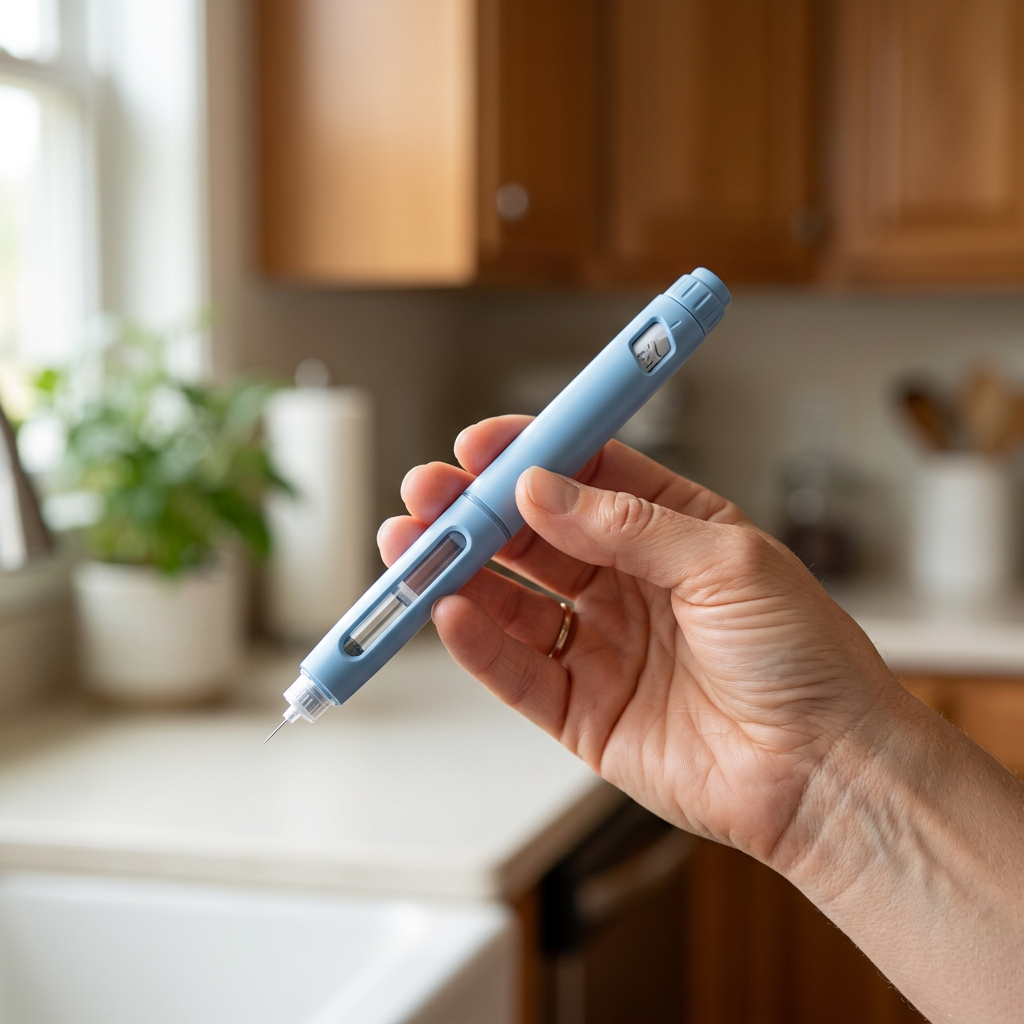
| 📌 The essentials Drug: Langlara (insulin glargine-aldy) — a long-acting basal insulin analog. FDA approved: April 29, 2026. Developer: Lannett Company / Lanexa Biologics (US commercialization) / Sunshine Lake Pharma (manufacturing). Reference product: Lantus (insulin glargine), the original long-acting insulin analog first approved by the FDA in 2000. Designation: Biosimilar AND interchangeable. The interchangeable designation allows pharmacists to substitute Langlara for Lantus at the pharmacy counter without a new prescription from the prescriber, subject to state pharmacy laws. Indicated for: Adults and pediatric patients (children) with type 1 diabetes mellitus, and adults with type 2 diabetes mellitus. Formulation: 100 units/mL (U-100), prefilled pen (3 mL), subcutaneous injection once daily. Pricing and availability: Not announced at approval. Launch timeline and formulary placement to be determined by Lanexa Biologics. |
Approximately 8.4 million Americans require insulin to survive or to manage their diabetes. For many of them, affording that insulin is not straightforward. Lantus, the most prescribed basal insulin in the world, carries a list price of several hundred dollars per month without insurance. Published surveys estimate that 1 in 4 people with diabetes in the United States reports rationing or skipping doses because of cost.
On April 29, 2026, the FDA approved Langlara (insulin glargine-aldy), a biosimilar to Lantus developed by Lannett Company and its subsidiary Lanexa Biologics in partnership with Sunshine Lake Pharma. The approval carries an interchangeable designation, meaning pharmacists may substitute it for Lantus at the counter without contacting the prescriber first, in states that permit such substitution.
Langlara is the third interchangeable insulin glargine biosimilar approved in the United States, after Semglee (insulin glargine-yfgn) in 2021 and Rezvoglar (insulin glargine-aglr) in 2022. Whether a third entry meaningfully improves access for patients depends almost entirely on pricing and formulary decisions that have not yet been publicly announced.
What Insulin Glargine Is and Why Basal Insulin Matters
Insulin glargine is a long-acting insulin analog engineered to provide steady, predictable background insulin coverage over approximately 24 hours. The body requires two types of insulin coverage: basal, which suppresses the liver’s continuous glucose output between meals and overnight, and bolus, which handles the glucose spike that follows eating. People with type 1 diabetes produce no insulin at all and require both. Many people with type 2 diabetes eventually require basal insulin when oral medications and lifestyle changes no longer provide adequate glycemic control.
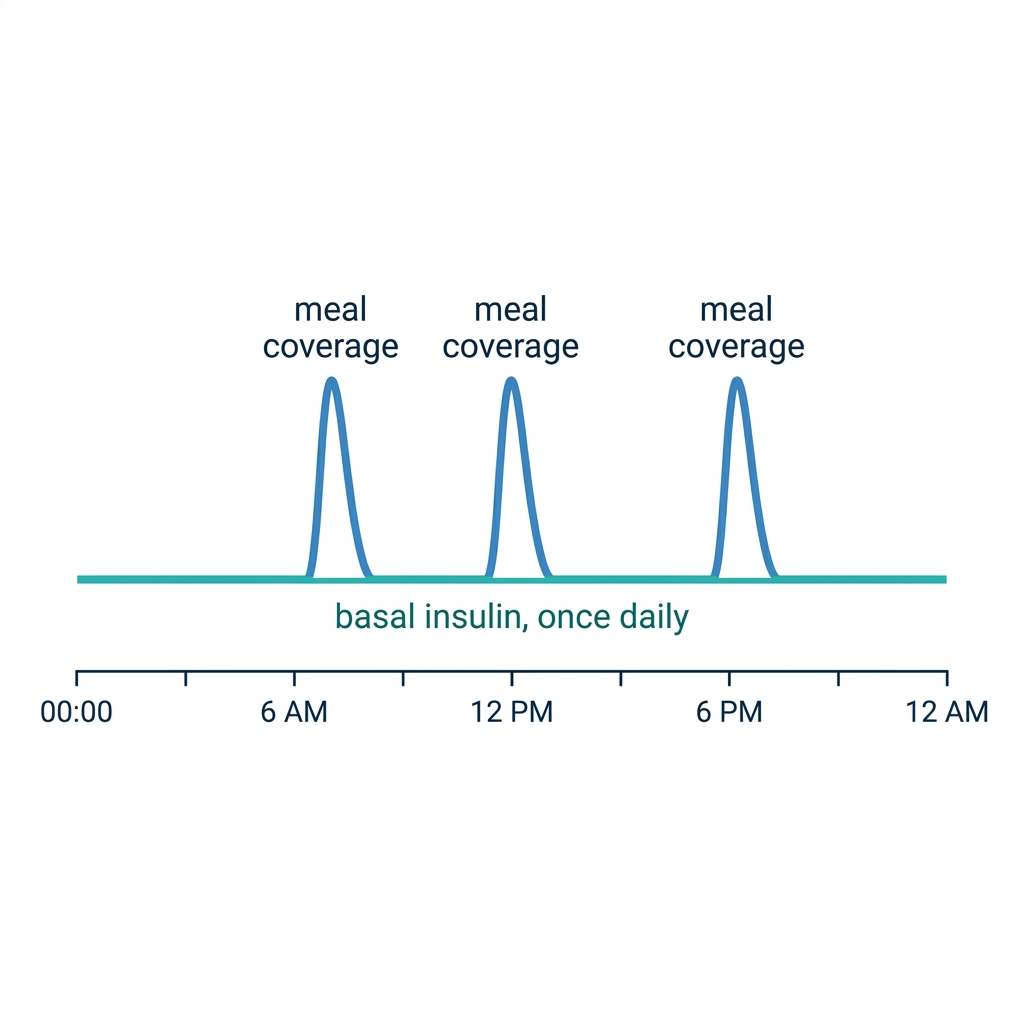
Insulin glargine (Lantus) was the first long-acting analog approved to replace older NPH insulin, which had a pronounced peak effect and required twice-daily dosing in many patients. Lantus’s flat, peakless 24-hour profile allowed once-daily dosing with lower rates of nocturnal hypoglycemia. Since its original approval in 2000, it became the most widely prescribed basal insulin in the world.
| Why insulin was classified as a biologic, and why that matters for biosimilars Until 2020, insulin in the United States was regulated as a drug under the Federal Food, Drug, and Cosmetic Act rather than as a biologic. This meant insulin could not be approved via the biosimilar pathway under the Biologics Price Competition and Innovation Act (BPCIA), which is the legal framework that allows biosimilars to enter the market and compete with reference products. In March 2020, all insulin products were transitioned to biologic status under the BPCIA. This opened the regulatory pathway for true interchangeable biosimilar approvals for insulin products, with the potential for pharmacy-level substitution. Semglee became the first interchangeable insulin biosimilar in July 2021, followed by Rezvoglar, and now Langlara. The transition also means that the FDA interchangeability standard, which requires switching studies demonstrating no loss of efficacy or increase in adverse events when alternating between the biosimilar and the reference product, now applies to insulin biosimilars. |
Biosimilar Versus Interchangeable: A Distinction That Matters at the Pharmacy Counter
Not all biosimilars are interchangeable, and the distinction has real consequences for how patients access the product.
| Biosimilar only | Interchangeable biosimilar | |
| FDA standard | Highly similar to reference product; no clinically meaningful differences in safety, purity, or potency | All biosimilar standards PLUS: switching studies showing no greater risk than reference product when alternating |
| Pharmacy substitution | Cannot be substituted automatically; requires new prescription or prescriber authorization in most states | Pharmacist may substitute for the reference product without calling the prescriber, subject to state law |
| Patient impact | Access depends on prescriber writing specifically for the biosimilar or insurer mandating it | Patient may receive the biosimilar on a Lantus prescription without any additional action from their doctor |
| Langlara status | Yes | Yes — interchangeable designation granted April 29, 2026 |
The interchangeable designation requires manufacturers to conduct switching studies in which patients alternate between the biosimilar and the reference product at least three times, to confirm there is no loss of efficacy or increase in adverse events from switching. For Langlara, the approval was based on a comprehensive analytical, preclinical, and clinical program including a Phase 1 PK/PD study (NCT05248841) comparing insulin glargine-aldy to insulin glargine in healthy adults, along with the broader analytical and preclinical data package.
The Insulin Glargine Landscape: Three Interchangeable Biosimilars, One Reference Product
| Product | Maker | FDA approved | Status |
| Lantus (insulin glargine) | Sanofi | 2000 | Reference product |
| Basaglar (insulin glargine-aglr) | Eli Lilly | 2015 | Biosimilar only (not interchangeable); launched 2016 |
| Semglee (insulin glargine-yfgn) | Biocon / Viatris | 2021 | First interchangeable insulin biosimilar; launched at ~$148/5-pack vs Lantus ~$340-520/month |
| Rezvoglar (insulin glargine-aglr) | Eli Lilly | 2022 | Second interchangeable biosimilar; launched April 2023 at $92/5-pack (77% below Lantus list price) |
| Langlara (insulin glargine-aldy) | Lannett / Lanexa / Sunshine Lake | April 29, 2026 | Third interchangeable biosimilar; pricing and launch date not yet announced |
The competitive pricing history of this space is instructive. When Semglee launched as the first interchangeable biosimilar in 2021, it priced at a wholesale acquisition cost of approximately $148 per package of five prefilled pens, compared with $340 to $520 per month for Lantus without insurance. Eli Lilly’s Rezvoglar entered in April 2023 at $92 per 5-pack, setting a new low-price benchmark. Whether Langlara will compete at or below these levels has not been disclosed.
| 🔗 Also on HED: Awiqli: The First Once-Weekly Basal Insulin, Also Approved in 2026 Our post on Awiqli (insulin icodec-abae) covers the FDA’s March 2026 approval of the first once-weekly basal insulin for type 2 diabetes, its albumin-binding mechanism, and the ONWARDS Phase 3 trial data. A different innovation in the basal insulin space happening alongside the biosimilar expansion. |
The Access Question: Why Regulatory Approval Is Not the Same as Affordable Access
An FDA approval of an interchangeable biosimilar is a necessary condition for improved insulin access. It is not, on its own, sufficient. The history of insulin biosimilars in the United States illustrates the gap.
Semglee launched in 2021 with a list price meaningfully below Lantus. But list prices are not what most insured patients pay: pharmacy benefit managers negotiate rebates with manufacturers, and those rebate arrangements often favor the originator product on formulary even when a biosimilar carries a lower list price. The result is that biosimilar insulin market penetration in the United States has grown more slowly than in Europe, where national procurement systems and institutional substitution policies have driven biosimilar adoption rates above 90% in some countries.
California’s CalRx Biosimilar Insulin Initiative offers a different model. As of January 1, 2026, CalRx-branded insulin glargine pens became available to California residents at $55 for a five-pack through a state partnership with Civica Rx and Biocon Biologics, regardless of insurance status. That price point, enabled by state procurement rather than commercial market dynamics, illustrates what becomes possible when the insulin access question is addressed as a public health problem rather than a market competition question.
For Langlara specifically, Lanexa Biologics has stated its intention to pursue broad formulary placement across all commercial channels. Whether that translates to meaningful out-of-pocket savings for the 1 in 4 diabetes patients who report difficulty affording insulin will depend on the specific list price set at launch and the formulary tier negotiations that follow.
| What patients transitioning to any insulin glargine biosimilar should know No dose conversion is required when switching between interchangeable insulin glargine products. The biosimilar delivers the same clinical effect at the same dose as Lantus. Blood glucose monitoring is still recommended during any transition period, as individual insulin requirements can vary based on factors unrelated to the product switch itself. Device differences matter. Langlara is supplied as a prefilled pen; Lantus is available in both a prefilled pen and a vial. If your current regimen uses a vial and your pharmacy substitutes a prefilled pen, confirm the administration steps with your pharmacist or diabetes care team. If your pharmacist has substituted a biosimilar for Lantus, they are required by law to notify you and your prescriber of the substitution in states with such requirements. Ask your pharmacist about the specific rules in your state. If you have concerns about a substitution, you or your prescriber can request that a specific product be dispensed by noting ‘dispense as written’ on the prescription. |
Safety Profile: Consistent With the Insulin Glargine Class
As an interchangeable biosimilar, Langlara is expected to have the same clinical profile as Lantus. Warnings, precautions, and adverse reactions apply to the insulin glargine class as a whole.
- Hypoglycemia: The most clinically important risk of any insulin therapy. Severe hypoglycemia can be life-threatening. Risk increases with missed meals, excessive exercise, alcohol use, renal impairment, and co-administration with other glucose-lowering agents including sulfonylureas.
- Medication errors: Insulin concentration errors are a documented source of patient harm. Langlara is U-100 (100 units/mL). Never use U-100 insulin in a syringe designed for a different concentration. Do not mix insulin glargine with other insulins.
- Hypokalemia: Insulin drives potassium into cells. Monitoring of potassium is important in patients at risk, including those with renal disease or on medications that lower potassium.
- Hypersensitivity: Severe or life-threatening hypersensitivity reactions, including anaphylaxis, have been reported with insulin products. Discontinue and seek emergency care if systemic hypersensitivity occurs.
- Thiazolidinediones (TZDs): Pioglitazone and similar drugs used alongside insulin can cause fluid retention and increase the risk of heart failure. Patients on both should be monitored for signs of fluid retention.
- Injection site reactions: Lipodystrophy (skin thickening or pitting at injection sites) can develop with repeated injections at the same site. Rotate injection sites within the recommended areas (abdomen, thigh, deltoid).
The bottom line
Langlara’s approval adds a third interchangeable insulin glargine biosimilar to the US market. The interchangeable designation is meaningful: it allows pharmacy-level substitution without a new prescription, which reduces one logistical barrier to biosimilar uptake. Whether it reduces the financial barrier depends on what Lanexa Biologics announces for pricing and formulary positioning at launch. For patients currently on Lantus or another insulin glargine product, the American Diabetes Association and the Insulin Help nonprofit directory maintain current resources on insulin assistance programs, state programs, and patient support options while commercial pricing evolves.
Sources
Lannett/Lanexa/Sunshine Lake press release: Lannett Company, Lanexa Biologics and Sunshine Lake Pharma announce FDA Approval of LANGLARA (insulin glargine-aldy). BioSpace. May 4, 2026.
Drugs.com approval history: Langlara (insulin glargine-aldy) FDA Approval History. drugs.com.
Drug Topics (interchangeable designation): FDA Approves Langlara as Interchangeable Biosimilar to Insulin Glargine. drugtopics.com. May 2026.
Pharmacy Times: FDA Approves New Interchangeable Biosimilar of Insulin Glargine, Expanding Substitution Authority for Pharmacists. pharmacytimes.com. May 2026.
Endocrinology Advisor: Langlara Receives FDA Nod as Interchangeable Lantus Alternative. endocrinologyadvisor.com. May 2026.
Contemporary Pediatrics: FDA approves interchangeable insulin glargine-aldy for type 1 and type 2 diabetes. contemporarypediatrics.com. May 2026.
Pharma Journalist: FDA Approves Langlara Biosimilar Insulin for Diabetes Treatment. pharmajournalist.com. May 2026.
FDA prescribing information: LANGLARA (insulin glargine-aldy) Prescribing Information. BLA 761412. FDA.gov. 2026.
Phase 1 PK/PD study registration: NCT05248841. A Study to Assess the Pharmacokinetics and Pharmacodynamics of Insulin Glargine-ALDY Versus Insulin Glargine in Healthy Male Adults. clinicaltrials.gov.
CalRx insulin pricing context: CalRx Biosimilar Insulin Initiative. $55 per 5-pack prefilled pen. calrx.ca.gov. January 2026.
Biosimilar insulin market context (JMCP): Breaking Barriers With Basal Insulin Biosimilars in Type 2 Diabetes. PMC. doi:10.18553/jmcp.2021.21253.
Patient resources: American Diabetes Association: diabetes.org; Insulin Help nonprofit directory: insulinhelp.org
| Disclaimer: Health Evidence Digest provides general information about FDA approvals and health research for educational purposes. This content is not a substitute for professional medical advice. All insulin therapy decisions, including switching between products, should be made in consultation with your diabetes care provider or endocrinologist. |
Leave a Reply