Category: Clinical Research

  • The FDA Just Launched Real-Time Clinical Trials. Here Is What That Means, Why It Matters, and What Could Go Wrong.

    The FDA Just Launched Real-Time Clinical Trials. Here Is What That Means, Why It Matters, and What Could Go Wrong.

    It takes an average of 10 to 12 years to bring a new drug from discovery to approval in the United States. A significant portion of that time is not active research. It is waiting. Waiting for data from trial sites to reach sponsors. Waiting for sponsors to analyze and compile that data. Waiting for the FDA to receive a package, assign reviewers, and begin their assessment. Then waiting again, between phases, while the next study design is written and the next application is prepared.

    FDA Commissioner Marty Makary put a number on it on April 28, 2026: 45 percent of drug development time is dead time. Not failed experiments or necessary science. Just administrative and logistical lag built into a sequential, phase-based system that has operated largely the same way for 60 years.

    On that same date, the FDA announced the launch of real-time clinical trials (RTCT), a new model in which the agency receives safety signals and efficacy data from ongoing trials as they are generated, rather than months or years after the fact. Two cancer drug trials are already live under the program. A broader pilot is scheduled for summer 2026. If the approach works at scale, it could be the most significant structural change to drug development in a generation.

    The Problem Being Solved: 60 Years of Sequential Waiting

    To understand why real-time clinical trials are significant, it helps to understand exactly how the current system works and where the time goes.

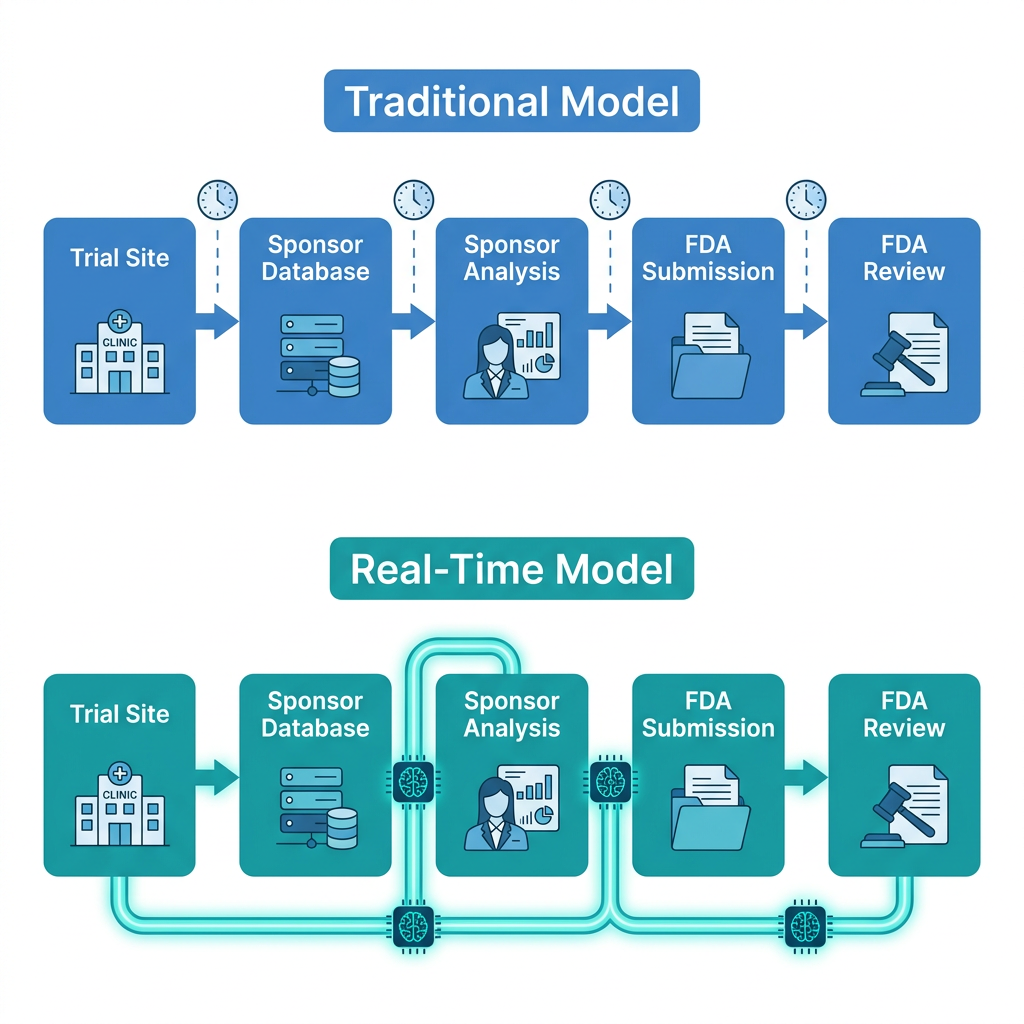
    In the traditional model, clinical trial data flows in one direction and at structured intervals. Trial sites collect patient data. That data is periodically uploaded to a sponsor’s database. The sponsor’s biostatistics team analyzes the accumulated data. The analysis is compiled into a formal submission. That submission travels to the FDA. Reviewers are assigned. Review begins. If there is a safety signal, it might be weeks or months old by the time the FDA first sees it. If a Phase 1 trial shows promising efficacy, a new Phase 2 protocol must be written and approved before the next patient is enrolled, with a hiatus in between.

    The FDA’s own description of the problem is direct: early-phase trials are characterized by high uncertainty, limited patient populations, and inefficient decision-making processes. Data signals that could immediately inform a dose adjustment, an enrollment modification, or a go/no-go decision sit in a pipeline, aging, while administrative processes catch up.

    What 45% dead time actually means in practice Commissioner Makary’s statement that 45% of drug development time is dead time refers to the gaps and lags built into the sequential phase structure. This includes the interval between Phase 1 completion and Phase 2 initiation, the time between Phase 2 data lock and NDA submission, and the review clock itself. For a drug with a 10-year development timeline, that is roughly 4.5 years that could theoretically be reduced or eliminated if data moved faster and decisions could be made in real time. Even a 20% reduction would translate to approximately 2 years off the development clock for a single drug. The downstream implication for patients is concrete: if promising therapies reach Phase 3 faster, reach the market faster, or are abandoned faster (freeing resources for the next candidate), the aggregate effect on the drug pipeline is substantial. The question is whether real-time data access changes the speed of regulatory decisions, not just the speed of data transfer.

    How Real-Time Clinical Trials Actually Work

    The technical infrastructure enabling the RTCT model is built around direct, continuous data connections between trial sites, sponsors, and the FDA, replacing the current batch-submission process with a live data pipeline.

    The Paradigm Health SPIRE platform

    All trials in the RTCT program use Paradigm Health’s SPIRE platform (Scalable Platform for Integrated Research and Evidence). The platform’s Study Conduct component automates data collection from trial sites and applies AI analysis to identify key safety and efficacy signals. Rather than waiting for the sponsor to run their own analysis and prepare a submission, SPIRE identifies predefined signal thresholds and transmits them to both the sponsor and the FDA as they occur, in days rather than months.

    The FDA and each sponsor pre-agree on what constitutes a reportable signal for that specific trial. The criteria are trial-specific and established collaboratively before the trial begins. When the platform detects a signal meeting those criteria, it is transmitted automatically. This means the FDA sees the same data the sponsor sees, at the same time, rather than weeks or months later.

    Traditional model versus real-time model

    StepTraditional modelReal-time model
    Data collectionSites collect periodically; upload on scheduleSites collect continuously; automated upload in near-real time
    Signal detectionSponsor runs periodic analyses; prepares formal reportAI platform detects predefined signals immediately
    FDA accessMonths to years after data generatedDays after signal detected; same time as sponsor
    Safety responseDelayed; based on lagged submissionsFaster; FDA can engage sponsor within days
    Phase transitionHiatus between phases; new protocol requiredPotential for continuous development; smoother transitions
    Dose decisionsBased on batch data; slow iterationNear-real-time signal allows faster dose optimization

    The Two Live Trials: What Is Being Studied and Why Each Was Chosen

    TRAVERSE: AstraZeneca, mantle cell lymphoma

    The TRAVERSE trial is a Phase 2, multi-site study being conducted by AstraZeneca in patients with treatment-naive mantle cell lymphoma (MCL), an aggressive B-cell blood cancer. The trial evaluates a combination of three targeted agents: acalabrutinib (Calquence, a BTK inhibitor), venetoclax (Venclexta, a BCL-2 inhibitor), and rituximab (an anti-CD20 monoclonal antibody). Sites include The University of Texas MD Anderson Cancer Center and the University of Pennsylvania.

    This trial is already live with real-time data flowing to the FDA. Paradigm Health’s platform has received and validated signals from TRAVERSE, establishing that the technical framework works end-to-end in a real clinical trial environment. This proof-of-concept validation is the most concrete achievement in the April 28 announcement: it is not theoretical anymore.

    STREAM-SCLC: Amgen, small cell lung cancer

    Amgen’s STREAM-SCLC is a Phase 1b study of tarlatamab (Imdelltra), a bispecific T-cell engager targeting DLL3, in patients with limited-stage small cell lung carcinoma. Tarlatamab already has FDA approval for extensive-stage SCLC; this trial is studying the drug in limited-stage disease, which has a more favorable baseline prognosis. Site selection for STREAM-SCLC is still in process, making it slightly behind TRAVERSE in the pilot timeline.

    Amgen Chief Medical Officer Paul Burton described the approach at the FDA press conference: the new model sits alongside traditional randomized study approaches rather than replacing them. The STREAM-SCLC trial’s value in the pilot is demonstrating that real-time data transmission works for a Phase 1b study involving a novel mechanism in a disease where dose optimization and safety monitoring are particularly important.

    “For 60 years, we’ve been conducting clinical trials in the same way, where key data signals can take years to reach the FDA. The lag time can delay regulatory decisions unnecessarily and slow down the drug development timeline.” — FDA Commissioner Marty Makary, MD, MPH. April 28, 2026.

    The Broader Pilot: Timeline, Scope, and Who Can Participate

    Beyond the two live proof-of-concept trials, the FDA published a Request for Information (RFI) in the Federal Register titled “AI-enabled optimization of early-phase clinical trials pilot program.” This invites sponsors, contract research organizations (CROs), and trial sites to propose studies for inclusion in a broader RTCT program.

    MilestoneDate or detail
    RFI comment deadlineMay 29, 2026
    Final selection criteria publishedJuly 2026
    Pilot selections completeAugust 2026
    Pilot program launchSummer 2026
    Platform requirementAll participating trials must use Paradigm Health’s SPIRE platform
    Priority areas for next cohortEarly-phase oncology, neurology, and rare disease programs
    Projected benefit20 to 40% reduction in overall clinical trial duration

    The RFI specifies that the FDA is looking for sponsors with active early-phase programs in oncology, neurology, and rare diseases. These areas share the characteristic of small patient populations, high medical need, and decision points where real-time data access could most meaningfully accelerate go/no-go decisions. The requirement to use Paradigm Health’s platform creates a standardized data architecture across the pilot, which is essential for the FDA to build operational experience with the model.

    What This Means for Patients in Clinical Trials and Patients Waiting for New Treatments

    Faster safety response

    The most immediate patient-facing benefit of real-time data is faster safety monitoring. In the current model, a safety signal that emerges in week 6 of a trial may not reach the FDA until the next data package is submitted, potentially weeks or months later. Under the RTCT model, that same signal reaches the FDA within days. This means the agency can engage with the sponsor, request a dose modification, or recommend a protocol change much faster than the current system allows. For patients currently enrolled in a trial, this is a direct safety benefit.

    Faster development timelines

    If the projected 20 to 40% reduction in trial duration holds at scale, the average drug development timeline could compress from 10 to 12 years to somewhere closer to 7 to 9 years. For patients with serious or life-threatening conditions, that difference is not abstract. Every year of acceleration means earlier access to treatments that could change outcomes.

    Earlier termination of failing trials

    Accelerating development is not only about getting promising drugs to market faster. It also means identifying drugs that are not working or are causing unexpected harm and stopping those trials sooner. In the current model, a drug that is failing may consume years of patient enrollment and sponsor resources before the signal becomes clear enough to act on. Real-time data makes that signal visible earlier.

    The Legitimate Questions This Initiative Still Needs to Answer

    The RTCT initiative is genuinely promising, and the proof-of-concept success with TRAVERSE is a meaningful milestone. It also raises several questions that the field will need to work through as the program expands.

    • Single-platform dependency. Requiring all pilot participants to use Paradigm Health’s SPIRE platform creates a bottleneck of a different kind. If the program expands to dozens or hundreds of trials, a single-vendor infrastructure carries concentration risk. What happens when the platform experiences downtime? Who audits the AI signal detection algorithms for accuracy? These are operational questions the summer 2026 pilot will need to begin answering.
    • Data integrity and pre-specified signals. The system works by pre-agreeing on signal definitions before the trial begins. This is scientifically sound but also means the power of real-time data is limited to what sponsors and the FDA anticipated in advance. Unexpected safety signals that do not fit the pre-specified criteria may still be delayed. The governance framework for handling off-protocol signals needs to be explicit.
    • Regulatory precedent and legal framework. The traditional clinical trial submission process is embedded in decades of regulation, guidance, and legal precedent. Real-time data sharing between sponsors and the FDA raises questions about whether pre-submission access changes the legal standard for what constitutes a formal submission, how disagreements between the FDA’s real-time assessment and the sponsor’s formal analysis are adjudicated, and what happens to expedited review timelines when continuous data is already available.
    • Equity in access to the program. The requirement to use a specific third-party platform adds cost and technical infrastructure requirements that may favor large pharmaceutical companies over smaller sponsors, academic medical centers, and nonprofits. If the program expands with the same single-platform requirement, it risks becoming a tool that primarily accelerates development for companies with the resources to meet the infrastructure bar.
    • What “45% dead time” actually includes. Commissioner Makary’s figure is striking, but dead time is not uniformly distributed across drug development. Some of it is genuine administrative lag that faster data pipelines can address. Some of it is necessary scientific deliberation, protocol revision, and peer review that should not be rushed. The 20 to 40% projected time reduction needs to be validated against actual pilot data before it becomes a planning assumption.

    Where This Fits in the Broader FDA Modernization Story

    The real-time clinical trials initiative did not emerge in isolation. It is part of a pattern of FDA actions in 2025 and 2026 aimed at using artificial intelligence and improved data infrastructure to accelerate drug development without reducing evidence standards. Other pieces of the same picture include the Commissioner’s National Priority Voucher program, which compressed review timelines for priority applications from 10 to 12 months to under 60 days in some cases, and the expansion of the FDA’s AI use in its own review processes.

    The RTCT initiative targets a different part of the pipeline than the CNPV program. CNPVs compress the review clock after an NDA is submitted. RTCT aims to compress the development clock before the NDA even exists. Together, they represent a coherent strategy to attack both ends of the 10 to 12 year timeline simultaneously.

    What happens next

    The May 29, 2026 deadline for RFI comments will be the first public input into how the broader pilot is structured. FDA plans to finalize selection criteria in July and make pilot selections in August. The summer 2026 cohort will be the real test of whether RTCT works at scale across multiple sponsors and disease areas, not just in two carefully chosen proof-of-concept trials.

    For patients following drug development in cancer, rare disease, or neurology, the practical upshot is this: if the projected timeline reductions are real, drugs currently in Phase 1 trials could reach Phase 3, or even approval, years sooner than the current system would deliver them. That is a meaningful promise. Whether it holds depends on execution, governance, and the operational questions the next two years of piloting will need to answer. HED will continue tracking the program as the summer 2026 pilot takes shape.

    Sources

    FDA press announcement: FDA Announces Major Steps to Implement Real-Time Clinical Trials. FDA.gov. April 28, 2026.

    HHS announcement: WTAS: FDA Announces Major Steps to Implement Real-Time Clinical Trials. HHS.gov. April 28, 2026.

    STAT News (paywalled): FDA testing speedier drug development with real-time clinical trials. STAT News. April 28, 2026. By Lizzy Lawrence.

    Fierce Biotech: FDA unveils plan for real-time review of clinical trial data, with AstraZeneca and Amgen already on board. fiercebiotech.com. April 28, 2026.

    pharmaphorum: Amgen, AZ will pilot FDA’s real-time clinical trial plan. pharmaphorum.com. April 28, 2026.

    Nextgov/FCW: FDA to pilot real-time clinical drug trials through cloud and AI. nextgov.com. April 28, 2026.

    Clinical Trials Arena: FDA launches pilot for real-time clinical trials. clinicaltrialsarena.com.

    HLTH: FDA Launches Real-Time Clinical Trials Pilot with AstraZeneca and Amgen. hlth.com.

    Becaris Publishing: FDA sets out plans for real-time clinical trials, aiming to streamline evidence generation. becarispublishing.com.

    Paradigm Health SPIRE platform: Paradigm Health. SPIRE: Scalable Platform for Integrated Research and Evidence. paradigmhealth.ai.

    WinBuzzer summary with pilot details: FDA Begins Real-Time AI Trial Pilot with AstraZeneca, Amgen. winbuzzer.com. May 2, 2026.

    Disclaimer: Health Evidence Digest provides general information about FDA regulatory developments and health policy for educational purposes. This content is not a substitute for professional medical advice. The real-time clinical trials program is in an early pilot stage; outcomes, timelines, and program structure are subject to change as the pilot progresses.

  • AI-Supported Mammography Just Got Its Strongest Evidence Yet. Here Is What the Landmark MASAI Trial Found.

    AI-Supported Mammography Just Got Its Strongest Evidence Yet. Here Is What the Landmark MASAI Trial Found.

    📌 The essentials The MASAI (Mammography Screening with Artificial Intelligence) trial, published in The Lancet on January 31, 2026, is the largest randomized controlled trial of AI in any cancer screening program ever conducted. In 105,934 women across Sweden, AI-supported mammography improved screening sensitivity from 73.8% to 80.5% (p=0.031) while specificity remained identical at 98.5% in both groups (p=0.88). The interval cancer rate, the gold standard measure of missed cancers between screenings, was lower in the AI group: 1.55 versus 1.76 per 1,000 women screened. AI reduced aggressive and advanced interval cancers specifically, including fewer non-luminal A (more aggressive) tumors in the AI group (43 versus 59). And AI triaged 44% of scans to single-reader review without loss of accuracy, directly addressing radiologist workforce constraints. This post covers what the trial measured, how the AI worked, what the numbers mean in practice, and what remains open.

    Every year in the United States, roughly 40 million mammograms are performed. Each one is read by at least one radiologist, and in many countries including Sweden, by two. Reading is time-consuming, cognitively demanding, and subject to the same variation in judgment that affects every human visual task. Radiologists miss some cancers. They also flag some findings as suspicious that turn out to be benign, sending women back for additional imaging or biopsies they did not need.

    The promise of artificial intelligence in mammography is that it could do better on at least one of those problems without making the other worse. Catch more cancers while generating no more unnecessary callbacks. Or reduce the reading burden on an overstretched radiologist workforce while maintaining safety. Ideally, both.

    The MASAI trial, published in The Lancet on January 31, 2026, is the first and largest randomized controlled trial of AI in any cancer screening program. It enrolled over 105,000 women in Sweden and ran from April 2021 to December 2022. The full results answer the central questions directly: AI-supported mammography caught more cancers and produced no increase in false positives.


    The Measure That Matters Most: What Is an Interval Cancer?

    Before getting into the numbers, it helps to understand what the MASAI trial was primarily designed to measure. The primary endpoint was not detection rate during screening. It was the interval cancer rate.

    An interval cancer is a breast cancer diagnosed between scheduled screening rounds, meaning after a mammogram that came back negative. These are the cancers the screening missed. A woman left the screening appointment with a clean bill of health and developed a symptomatic cancer before her next scheduled appointment. Interval cancers tend to be more aggressive than screen-detected cancers because aggressive tumors grow faster and are more likely to become apparent between screening rounds rather than at the next scheduled scan.

    Reducing the interval cancer rate is the gold standard test of whether a screening program improvement is real. It means the test is catching more of the dangerous cancers before they become symptomatic, not just generating more detections of indolent findings that would never have harmed the patient.


    The MASAI Trial: Design and What AI Was Actually Doing

    The MASAI (Mammography Screening with Artificial Intelligence) trial (NCT04666026) was a randomized, controlled, single-blinded, population-based screening accuracy trial conducted across three regions in Sweden. Enrollment ran from April 2021 through December 2022. A total of 105,934 women were randomly assigned, with 105,915 eligible for the final analysis: 53,043 in the AI-supported group and 52,872 in the standard double-reading group.

    The median age in both groups was approximately 54 years, consistent with a population-based screening program. Sweden screens eligible women every 1.5 to 2 years, or annually for those at higher risk.

    How the AI worked in this trial

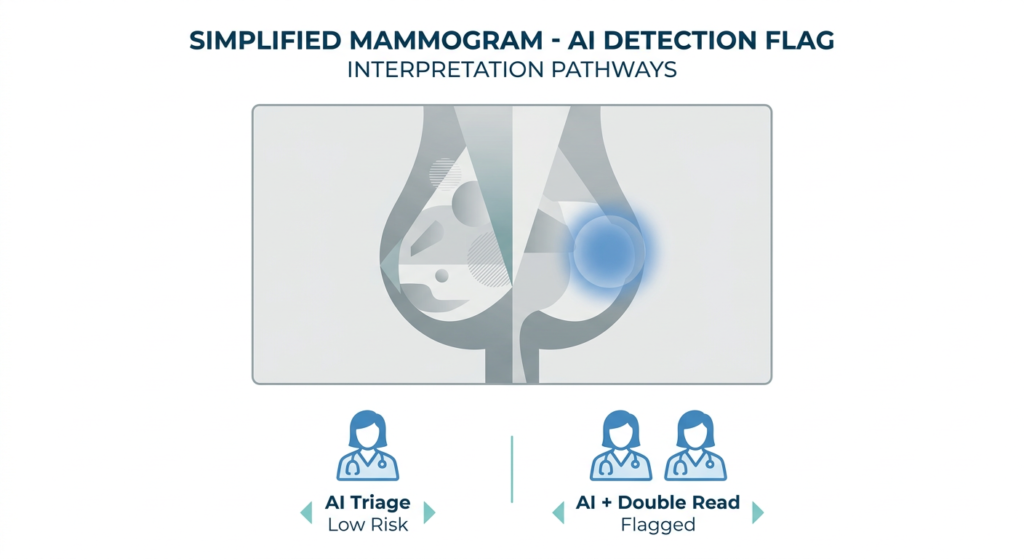
    The AI system played two roles in the intervention arm. First, it triaged each mammogram scan for single or double reading by radiologists. Scans the AI assessed as lower risk were forwarded to a single radiologist read rather than the standard two-reader process. Scans assessed as higher risk received double reading with AI detection support. Second, in double-read cases, the AI highlighted suspicious areas on the images to assist the radiologists reviewing the scan.

    The AI system used in MASAI was trained, validated, and tested on over 200,000 mammography scans before deployment. The control arm received standard double reading by two radiologists without any AI involvement.


    The Results: What the Trial Found

    OutcomeAI-supportedStandard double-read
    Sensitivity80.5% (95% CI 76.4 to 84.2%)73.8% (95% CI 68.9 to 78.3%)
    p-value for sensitivityp=0.031Reference
    Specificity98.5% (95% CI 98.4 to 98.6%)98.5% (95% CI 98.4 to 98.6%)
    p-value for specificityp=0.88 (no difference)Reference
    Interval cancer rate (per 1,000)1.55 (95% CI 1.23 to 1.92)1.76 (95% CI 1.42 to 2.15)
    Invasive interval cancers7589
    T2+ stage interval cancers3848
    Non-luminal A interval cancers4359
    Reduction in radiologist workload44% of scans routed to single-readAll scans double-read

    Source: Gommers J et al. The Lancet. 2026;407(10527):505-514. doi:10.1016/S0140-6736(25)02464-X. PubMed PMID: 41620232.

    The specificity finding is the critical reassurance

    Sensitivity is the ability to detect cancer when it is present. Specificity is the ability to correctly clear patients who do not have cancer. The two are often in tension: systems designed to catch more cancers tend to generate more false alarms. The MASAI finding that specificity was identical at 98.5% in both groups (p=0.88) is therefore one of the most important numbers in the entire dataset. AI caught more cancers without generating more unnecessary callbacks or biopsies. That is the combination the field has been working toward.

    What the interval cancer characteristics tell us

    The numbers behind the 12% reduction in interval cancers are worth examining carefully. Women in the AI-supported group had fewer interval cancers that were invasive (75 versus 89), fewer that had reached T2 or larger size (38 versus 48), and fewer that were non-luminal A subtype (43 versus 59). Non-luminal A tumors are the more aggressive breast cancer subtypes, including triple-negative and HER2-positive cancers. Their reduction is particularly meaningful because these are the cancers where early detection makes the biggest difference to survival.

    The lead author of the MASAI trial, Dr. Kristina Lang of Lund University’s Division of Diagnostic Radiology, noted in the published report that the trial found AI-supported screening improves the early detection of clinically relevant breast cancers, reducing aggressive and advanced cancers diagnosed in between screenings. She also noted at the time of publication that AI adoption must be done carefully, with tested tools and continuous monitoring.


    A Second 2026 Study in Nature Cancer: AI Increased Detection From 7.54 to 9.33 Per 1,000 Women

    The MASAI results are part of a broader pattern of evidence building in 2026. A separate study published in Nature Cancer reported that AI-supported mammography increased cancer detection from 7.54 to 9.33 per 1,000 women screened. That translates to roughly 1.8 additional cancers detected per 1,000 women in a given screening round, or about 1 in 556 women screened gaining a detection they would have missed under standard reading.

    The two studies use different endpoints and populations, so direct numerical comparison is limited. Together, they strengthen the evidence that AI-supported mammography reading improves cancer yield in real-world screening settings, not just in retrospective analyses of selected image archives.


    What This Means for Patients Who Get Mammograms Today

    Is AI reading my mammogram now?

    Possibly. Several FDA-cleared AI systems for mammography assistance are in use at imaging centers and hospitals across the United States, including Transpara (ScreenPoint Medical) and iCAD. The specific AI tool used in the MASAI trial is not the only one commercially available, and the evidence base for individual products varies. The MASAI trial result tells us that when a well-validated AI system is integrated into a structured screening workflow, the combined result outperforms standard double reading. It does not automatically apply to every AI product on every platform.

    Does AI replace the radiologist?

    No. In the MASAI trial design, AI triaged scans to single or double reading by radiologists and highlighted suspicious areas for radiologist review. A radiologist made every final read. The AI reduced how many scans required two radiologists’ time and provided detection support to the reader who reviewed each case. The result was a 44% reduction in the portion of radiologist reading time devoted to double reads, without loss of accuracy.

    This matters for healthcare systems facing radiologist workforce shortages. The United States and many European countries have a well-documented shortage of breast imaging specialists. A technology that allows the same number of radiologists to safely read more scans without reducing quality addresses a real structural problem in cancer screening infrastructure.

    Will AI increase false alarms?

    The MASAI trial specifically answers this. Specificity was 98.5% in both groups and the difference was not statistically significant (p=0.88). This is a reassurance, not a trivial finding. An AI system that drove up the recall rate would expose women to unnecessary imaging anxiety and follow-up procedures. Maintaining specificity while improving sensitivity is the combination that makes AI integration clinically viable rather than just mathematically impressive.

    What interval cancers found in the study tell us about AI and aggressive tumors The 12% reduction in interval cancers in the AI arm is the most clinically meaningful finding for patients who actually get mammograms. Interval cancers are the ones that grow between screenings and become symptomatic before the next scheduled appointment. They tend to be more aggressive precisely because aggressive tumors grow faster. The MASAI data specifically showed the AI arm had fewer T2-or-larger interval cancers (38 versus 48) and fewer non-luminal A tumors (43 versus 59). Non-luminal A cancers are the harder-to-treat subtypes, including triple-negative and HER2-positive disease. Reducing the interval rate for these subtypes, not just for all cancers in aggregate, is what the trial’s authors describe as clinically relevant improvement. The benefit of higher sensitivity was consistent across age groups and breast density categories. Women with dense breast tissue, who are often told that mammography is less reliable for them, saw the same relative benefit from AI support as women with non-dense tissue.

    What the Study Does Not Tell Us

    The MASAI results are strong and the trial design is rigorous. Honest presentation of the evidence also requires naming what remains open.

    This trial used one specific AI system. The results apply to the validated tool used in MASAI. There are multiple AI mammography products on the market with varying levels of clinical evidence behind them. FDA clearance for a device does not automatically mean its performance matches the MASAI AI system in this structured workflow.

    Long-term survival data is not yet reported. The trial measured interval cancer rates and tumor characteristics, not survival outcomes. Whether the improved early detection translates into reduced breast cancer mortality over 10 to 20 years is the most important unanswered question. Based on what we know about how interval cancer rates relate to mortality in breast screening, the expectation is that it does, but long-term data from this cohort will be needed to confirm.

    The trial was conducted in Sweden. Sweden has a national, population-based screening program with standardized protocols. Results may differ in healthcare systems with more fragmented screening delivery, different population characteristics, or different baseline double-reading rates.

    Not all AI reads improve on human performance equally. A secondary analysis of the trial noted that the sensitivity improvement applied to invasive cancers but not to in-situ cancers specifically. Understanding which cancer types AI improves detection for, and which it does not, matters for interpreting the clinical impact.


    Practical Guidance for People Due for a Mammogram

    • If you are due for a mammogram and have been putting it off, this study does not change the recommendation to screen. It strengthens it. Current American Cancer Society guidelines recommend annual mammograms starting at age 40 for average-risk women.
    • If your imaging center uses AI-assisted reading, it is reasonable to ask which system they use and whether it has been prospectively validated in clinical trials, not just retrospective analyses.
    • If you receive a callback for additional imaging after a mammogram, that is not necessarily a sign something went wrong. Recall rates remained the same under AI-supported reading in this trial. Most callbacks do not result in a cancer diagnosis.
    • For women with dense breast tissue who have been told mammography is less sensitive for them: the MASAI data showed the AI benefit was consistent across breast density categories. That is an encouraging finding, though supplemental screening options remain a separate conversation to have with your provider.
    • Screening intervals have not changed based on this evidence. The MASAI results strengthen the case for regular mammography participation, not for altering how often you screen.

    For related women’s health coverage on Health Evidence Digest, see our post on new 2026 cervical cancer screening guidelines that now allow self-collection for HPV testing, as well as our coverage of pembrolizumab becoming the first approved immunotherapy for ovarian cancer.


    Sources

    Primary publication: Gommers J, Hernstrom V, Josefsson V, et al. Interval cancer, sensitivity, and specificity comparing AI-supported mammography screening with standard double reading without AI in the MASAI study. The Lancet. 2026;407(10527):505-514. doi:10.1016/S0140-6736(25)02464-X. PubMed PMID: 41620232.

    MASAI trial registration: NCT04666026. ClinicalTrials.gov.

    ASCO Post coverage: Randomized Trial Shows AI-Supported Mammography Improves Sensitivity and Lowers Interval Cancer Rate. The ASCO Post. February 2, 2026.

    EurekAlert/Lancet press release: AI-supported mammography screening results in fewer aggressive and advanced breast cancers, finds full results from first randomized controlled trial. EurekAlert. January 29, 2026.

    AJMC coverage: AI-Supported Mammography Caught More Cancers During Screening. AJMC. 2026.

    Lund University press release: AI support in breast cancer screening: Fewer missed cancer cases. Lund University. January 30, 2026.

    MASAI interim safety results (2023): Lång K et al. Artificial intelligence-supported screen reading versus standard double reading in the Mammography Screening with Artificial Intelligence trial (MASAI): a clinical safety analysis of a randomised, controlled, non-inferiority, single-blinded, screening accuracy study. The Lancet Oncology. 2023;24(8):936-944.

    MASAI AI detection analysis (2024): Lång K et al. Identifying normal mammograms in a large screening population using artificial intelligence. Lancet Digital Health. 2024. doi:10.1016/S2589-7500(24)00267-X

    Patient resources: American Cancer Society mammography guidelines | National Cancer Institute | Dense Breast Info

    Disclaimer: Health Evidence Digest provides general information about health research for educational purposes. This content does not constitute medical advice and is not a substitute for consultation with a qualified healthcare provider. Mammography screening recommendations should be discussed with your physician based on your individual health history and risk factors.
    Disclaimer: Health Evidence Digest provides general information about health research for educational purposes. This content does not constitute medical advice and is not a substitute for consultation with a qualified healthcare provider. Mammography screening recommendations should be discussed with your physician based on your individual health history and risk factors.
  • GLP-1 Medications and PCOS: What the 2026 Research Actually Shows About Fertility, Ovulation, and Pregnancy Safety

    GLP-1 Medications and PCOS: What the 2026 Research Actually Shows About Fertility, Ovulation, and Pregnancy Safety

    📌 What this article covers Semaglutide (Ozempic, Wegovy) and tirzepatide (Mounjaro, Zepbound) are being prescribed at rapidly increasing rates to women with PCOS, despite the fact that neither drug is FDA-approved for PCOS specifically. This article synthesizes what the peer-reviewed research as of 2026 shows about how GLP-1 medications affect ovulation, menstrual regularity, fertility, and pregnancy outcomes in women with PCOS. It also covers what current evidence does not show, because on this topic the gaps matter as much as the findings. This is not medical advice. If you have PCOS and are taking or considering a GLP-1 medication, the information here is a starting point for a conversation with your prescriber, not a substitute for one.

    Something has shifted in PCOS treatment over the past four years. GLP-1 receptor agonists, the class of medications that includes semaglutide (Ozempic, Wegovy) and tirzepatide (Mounjaro, Zepbound), were originally developed for type 2 diabetes and then approved for chronic weight management. But prescribing data tells a different story about how they are actually being used. In women with PCOS, GLP-1 prescribing increased from roughly 2% of patients in 2021 to approximately 18% by 2025. That is nearly a tenfold increase, in a condition for which these drugs have no formal FDA approval.

    The clinical logic is not hard to follow. PCOS is tightly linked to insulin resistance and excess weight, and GLP-1 medications address both. Many women with PCOS report improvements in their symptoms after starting these drugs. Some report spontaneous conception after years of struggling with ovulatory dysfunction. The popular media has described this as “Ozempic babies,” and the coverage has ranged from enthusiastic to alarming.

    What does the peer-reviewed evidence actually show in 2026? The answer is more nuanced, and more honest about uncertainty, than most of what is circulating online.


    What PCOS Is and Why Metabolism Matters So Much

    Polycystic ovary syndrome affects an estimated 6 to 13% of reproductive-aged women worldwide, making it the most common endocrine disorder in this population. Despite its name, you do not need polycystic ovaries to have PCOS. The diagnosis is clinical, based on the Rotterdam criteria, which require at least two of three features: ovulatory dysfunction, clinical or biochemical signs of elevated androgens, and polycystic ovarian morphology on ultrasound.

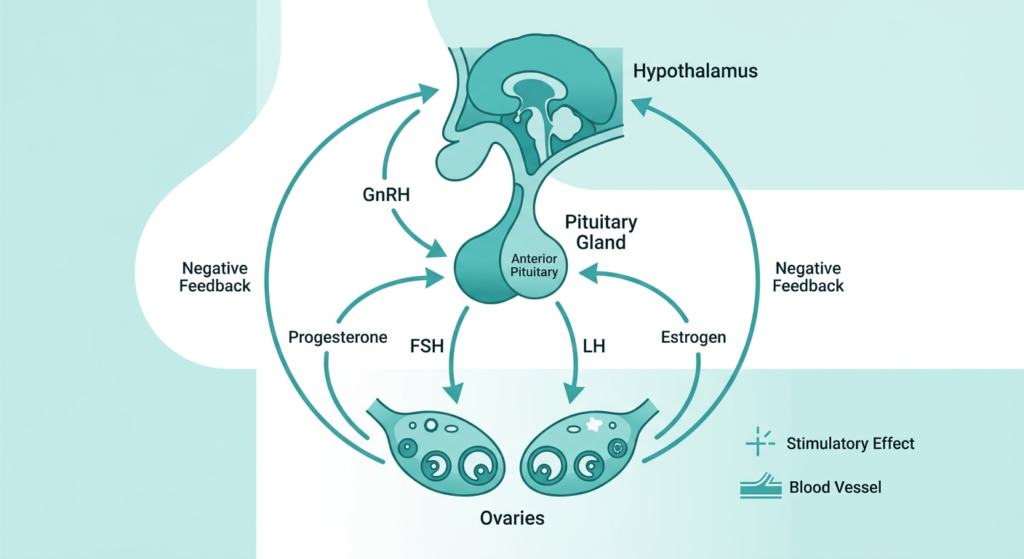
    What defines PCOS at the metabolic level is a vicious cycle involving insulin resistance and androgen excess. Elevated insulin drives the ovaries to produce more androgens. Those androgens worsen insulin sensitivity. The resulting hyperinsulinemia suppresses sex hormone-binding globulin (SHBG), which increases free testosterone levels. The whole system feeds back on itself, and ovulation pays the price.

    Between 40 and 90% of women with PCOS are overweight or obese, and insulin resistance is present even in roughly 60% of lean women with PCOS. This metabolic backdrop is why treatments that improve insulin sensitivity, including metformin, lifestyle modification, and now GLP-1 medications, have attracted so much interest for their potential reproductive benefits. The metabolic and reproductive problems in PCOS are not separate issues. They are the same issue, viewed from different angles.

    If you are navigating a recent PCOS diagnosis, our resources page has links to clinical guidelines and patient advocacy organizations.


    How GLP-1 Medications Work, and Why They Might Help in PCOS

    GLP-1 (glucagon-like peptide-1) is a hormone naturally produced in the gut after eating. It signals the pancreas to release insulin in a glucose-dependent way, suppresses glucagon, slows gastric emptying, and reduces appetite through direct action on the brain. GLP-1 receptor agonists are synthetic versions of this hormone, engineered to last longer in the body than the natural peptide, which degrades within minutes.

    The drugs most widely used in PCOS discussions are:

    • Semaglutide (weekly injection: Ozempic for diabetes, Wegovy for weight management; daily oral: Rybelsus)
    • Liraglutide (daily injection: Victoza for diabetes, Saxenda for weight management)
    • Tirzepatide (weekly injection: Mounjaro for diabetes, Zepbound for weight management), which targets both GLP-1 and GIP receptors

    The connection to PCOS is mechanistic. If GLP-1 medications reduce insulin resistance, lower circulating insulin, and promote weight loss, then the downstream hormonal environment in the ovary should improve. Reduced insulin means reduced ovarian androgen production. Reduced androgens mean higher SHBG, lower free testosterone, and potentially restored ovulatory function.

    Beyond the indirect metabolic pathway, there is some evidence that GLP-1 receptors are expressed directly in reproductive tissues, including the pituitary, ovaries, and endometrium. This has raised the question of whether GLP-1 medications might have direct effects on follicular development and ovulation, independent of weight loss. The honest answer from the current evidence is: possibly, but we cannot separate this cleanly from the effects of metabolic improvement in human studies.


    What the Research Shows: Ovulation and Menstrual Regularity

    The clinical evidence for GLP-1 medications improving ovulatory function in PCOS is real, but it comes from studies that are mostly small, short, and conducted in women who were also losing weight and improving insulin sensitivity simultaneously.

    A 2026 narrative review published in the Journal of Clinical Medicine by Abedi et al. synthesized 49 studies on GLP-1 receptor agonists and reproductive outcomes. The review found consistent signals across multiple study designs:

    • GLP-1 medications improve menstrual regularity and ovulatory frequency in women with obesity and PCOS
    • Several trials reported improvements in LH and progesterone profiles, reduced androgen levels, and increased SHBG
    • One randomized trial that compared exenatide to metformin in women with PCOS reported spontaneous pregnancy rates of 43.6% with exenatide versus 18.7% with metformin after 12 weeks

    That last number is striking enough to warrant a caveat. It comes from a single trial, in a selected population, with a 12-week window. It should not be extrapolated as a reliable estimate of what any given woman with PCOS can expect from a GLP-1 medication. What it tells us is that the fertility signal is real and worth taking seriously, not that the magnitude is established.

    The review authors concluded that GLP-1 medications may improve ovulatory function and menstrual regularity in women with obesity and PCOS, but were careful to note that most of the observed reproductive benefit likely reflects metabolic normalization rather than direct drug action on the ovary. That distinction matters clinically, because it suggests that sustained metabolic improvement, not just the drug itself, is probably what drives the reproductive benefit.

    A 2024 study published in Nature Communications by Sánchez-Garrido et al. tested GLP-1-based multi-agonist compounds, including a GLP-1/Estrogen conjugate and a GLP-1/GIP/Glucagon triple agonist, in two mouse models of PCOS. The GLP-1/Estrogen combination showed superior metabolic efficacy compared to any other multi-agonist or to metformin, and in one of the mouse models (the ovulatory PCOS model), also improved ovarian cyclicity without causing uterotrophic effects. This is preclinical research and cannot be directly applied to human treatment, but it provides mechanistic support for the idea that GLP-1-based combinations may have effects on PCOS-related ovarian dysfunction beyond what either component achieves alone. Next-generation multi-agonist compounds are likely to reach clinical trials in PCOS populations in the coming years.


    The RESTORE Trial: The Human Evidence We Have Been Waiting For

    The most important ongoing clinical trial in this space is RESTORE (NCT05662098), a randomized controlled trial actively enrolling women aged 12 to 35 with PCOS and obesity. RESTORE is directly testing whether semaglutide improves reproductive and metabolic outcomes in PCOS in a rigorous, prospective design. Primary endpoints include ovulatory frequency, hormonal parameters, and metabolic markers. The trial is expected to generate data that will meaningfully advance the field beyond the observational and small interventional studies that currently form the evidence base.

    Until RESTORE reports, the clinical case for GLP-1 medications in PCOS rests on mechanistic plausibility, indirect trial data, and a growing body of real-world experience. That is a reasonable basis for individualized clinical decision-making with an informed prescriber. It is not yet a basis for definitive guidelines.


    The Fertility Paradox: Restored Ovulation and Unintended Pregnancy

    Here is where the clinical picture becomes more complicated, and where the evidence carries a warning that is underrepresented in popular coverage.

    If GLP-1 medications restore ovulatory function in women with PCOS who previously had irregular or absent ovulation, those women become fertile in ways they may not have been before. If they are sexually active and not using reliable contraception, unintended pregnancy becomes a real possibility.

    The Abedi et al. review notes that this creates what they describe as a clinical paradox: the same drug that offers reproductive benefit can also increase the risk of conception at a time when the drug itself is still in the body, and when current guidance recommends discontinuing GLP-1 medications before pregnancy.

    This is not a theoretical concern. Prescribing data from Australia documented a rapid rise in GLP-1 prescribing in reproductive-aged women, with increasing overlap between GLP-1 initiation and contraceptive use patterns. Real-world data from across multiple countries show that inadvertent pregnancy exposure is becoming more common.

    A separate pharmacokinetic issue is relevant here specifically for semaglutide. Semaglutide has an elimination half-life of approximately one week, meaning the drug accumulates with weekly dosing and persists in the body for several weeks after the last dose. Current prescribing recommendations advise discontinuing semaglutide approximately two months before attempting conception to reduce drug exposure during early organogenesis, the critical developmental window of weeks three through eight of pregnancy, when organ formation occurs.

    For tirzepatide, there is an additional concern that is specific to this drug: clinical guidance indicates that tirzepatide may reduce oral contraceptive exposure during treatment initiation and dose escalation, which could compromise contraceptive effectiveness. Women starting tirzepatide who rely on oral contraceptives should discuss backup contraception options with their prescriber.

    The bottom line for women with PCOS who are on a GLP-1 medication and not trying to conceive: contraception planning needs to be part of this conversation. The Abedi et al. review found evidence that this counseling is not consistently being delivered in routine clinical practice.


    What the Evidence Shows About Pregnancy Safety

    This is the question most women want answered, and it is also the one where the evidence is most limited.

    What we know

    The available human data on GLP-1 medication exposure during pregnancy come from regulatory pharmacovigilance datasets, observational cohorts, national registries, and case reports. These are not randomized pregnancy trials, because those studies cannot ethically be conducted. The findings to date are cautiously reassuring but far too limited to be interpreted as evidence of safety.

    Key findings from the Abedi et al. review include:

    • An analysis of FDA and EMA regulatory data by Parker et al. identified 164 unplanned pregnancies among approximately 32,000 GLP-1-treated women. Outcomes included 43% live births, 22% spontaneous abortions, and 2.7% congenital anomalies, which were comparable to the placebo group in those datasets.
    • A Danish cohort study of more than 104,000 pregnancies, including 32 with first-trimester semaglutide exposure, found no increase in major malformations.
    • A Taiwanese cohort of women with pregestational type 2 diabetes found no increased risk of major congenital malformations after periconceptional GLP-1 exposure compared to insulin, though confounding by the underlying diagnosis remains a limitation.
    • The InPreSS consortium evaluated more than 50,000 pregnancies in women with pregestational type 2 diabetes and found no increased risk of major congenital malformations after periconceptional GLP-1 exposure compared to insulin.

    Collectively, these studies do not identify a consistent teratogenic signal. But the review authors are explicit that the absence of a clear teratogenic signal should not be interpreted as confirmation of safety. Sample sizes for the exposed groups are small. Confounding by the underlying conditions (diabetes, obesity) is difficult to fully adjust for. And early pregnancy losses may be incompletely captured.

    What the animal studies show

    Preclinical studies across rodent and rabbit models showed dose-dependent reductions in fetal weight, delayed bone formation, and skeletal variants when GLP-1 medications were administered during pregnancy. Mechanistic studies with semaglutide specifically showed reductions in fetal and placental growth and downregulated placental nutrient transport systems in late-gestation models.

    Importantly, many of these preclinical findings occurred alongside maternal weight loss and reduced food intake, making it difficult to attribute the fetal effects specifically to the drug rather than to nutritional restriction. This is an important interpretive nuance that is often missing from both alarming and reassuring headlines.

    One partial reassurance from the pharmacokinetic side: placental transfer studies of large peptide GLP-1 medications (specifically dulaglutide) found very low maternal-to-fetal transfer at term, approximately 0.2 to 0.7%, suggesting limited direct fetal exposure for some agents. But this does not eliminate concern, particularly early in pregnancy, and findings may differ across agents.


    What to Ask Your Doctor: A Practical Guide

    If you have PCOS and are currently taking or considering a GLP-1 medication, these are the questions worth bringing to your prescriber.

    If you are not trying to conceive:

    • Is my current contraceptive method reliable on this medication? (Relevant especially for oral contraceptives with tirzepatide)
    • Do I understand that improved ovulation may increase my fertility even if I have had irregular periods?
    • What is the plan if I become pregnant while on this medication?

    If you are planning to conceive in the next year:

    • How far in advance should I stop this medication before trying to conceive?
    • What metabolic management plan will replace the medication after I stop, to prevent rebound weight gain and worsening insulin resistance?
    • Are there clinical trials I would be eligible for, including RESTORE?

    If you have had an unintended pregnancy while on a GLP-1 medication:

    • The review by Abedi et al. recommends individualized assessment rather than reflexive reassurance or alarm. Multidisciplinary care involving endocrinology, obstetrics, and potentially maternal-fetal medicine is appropriate in this situation.

    What Still Needs to Be Answered

    The evidence gaps in this area are significant, and researchers are aware of them.

    The most important outstanding questions include:

    • Do GLP-1 medications have direct effects on follicular development and ovulation in women with PCOS, beyond what is explained by weight loss and improved insulin sensitivity?
    • What are the pregnancy outcomes specifically in women with PCOS (as opposed to women with type 2 diabetes) who are exposed to these drugs periconceptionally?
    • How should these medications be sequenced and discontinued in women planning pregnancy, particularly given the weight rebound that often follows discontinuation?
    • What are the reproductive safety profiles of tirzepatide and newer dual and triple agonists specifically, since most of the existing data focuses on semaglutide and liraglutide?

    Large prospective pregnancy registries with standardized definitions and outcomes are the path forward. The field needs them urgently, because real-world exposure is already far ahead of the evidence base.


    The Broader Context: GLP-1s and Women’s Health in 2026

    The rapid expansion of GLP-1 prescribing into PCOS and women’s reproductive health is part of a broader pattern of these medications crossing into conditions they were not originally developed for. That pattern is not inherently problematic. Metformin followed a similar path in PCOS, and the evidence eventually caught up. But the pace of prescribing in PCOS has outrun the evidence in ways that make careful clinical counseling essential.

    The evidence supports cautious optimism about GLP-1 medications for metabolic and reproductive improvement in women with PCOS. It also supports genuine uncertainty about pregnancy safety. Both of those things are true simultaneously, and patients deserve to understand both.

    For related coverage of how changing evidence is reshaping women’s health care, including the new 2026 cervical cancer screening guidelines that now allow self-collection for HPV testing, see our post here. For our earlier analysis of semaglutide in PCOS clinical trials, including a breakdown of the RESTORE trial design and what the research will need to show, see Ozempic for PCOS: Clinical Trials Are Testing It Right Now.


    Sources

    Primary narrative review: Abedi MM, Patni MM, Shajahan ANB, et al. GLP-1 Receptor Agonists, Fertility Restoration, and Reproductive Safety in Women of Reproductive Age: A Narrative Review. Journal of Clinical Medicine. 2026;15(9):3204. doi:10.3390/jcm15093204

    Nature Communications multi-agonist study: Sánchez-Garrido MA, Serrano-López V, Ruiz-Pino F, et al. Superior metabolic improvement of polycystic ovary syndrome traits after GLP1-based multi-agonist therapy. Nature Communications. 2024;15:8498. doi:10.1038/s41467-024-52898-y

    RESTORE trial registration: NCT05662098. ClinicalTrials.gov.

    InPreSS consortium: Cesta CE, Rotem R, Bateman BT, et al. Safety of GLP-1 receptor agonists and other second-line antidiabetics in early pregnancy. JAMA Internal Medicine. 2024;184:144-152. doi:10.1001/jamainternmed.2023.6663

    Danish semaglutide cohort: Kolding L, et al. Pregnancy outcomes after semaglutide exposure. Basic and Clinical Pharmacology and Toxicology. 2025;136:e70021.

    Parker regulatory analysis: Parker CH, Slattery C, Brennan DJ, le Roux CW. GLP-1 receptor agonists’ use during pregnancy: Safety data from regulatory clinical trials. Diabetes, Obesity and Metabolism. 2025;27:4102-4108.

    PCOS overview: National Institute of Child Health and Human Development. Polycystic Ovary Syndrome.

    Disclaimer: Health Evidence Digest provides general information about clinical research and health topics for educational purposes only. Nothing on this site constitutes medical advice, diagnosis, or treatment. GLP-1 medications (semaglutide, tirzepatide, liraglutide) are not FDA-approved for PCOS. Treatment decisions, contraception planning, and preconception counseling should be made in consultation with a licensed healthcare provider who can evaluate your individual health history. If you are pregnant or planning pregnancy while taking a GLP-1 medication, contact your prescriber promptly.
  • A New ADC Has Priority Review for the Hardest-to-Treat Breast Cancer Subtype. Here’s What the Phase 3 Data Shows.

    A New ADC Has Priority Review for the Hardest-to-Treat Breast Cancer Subtype. Here’s What the Phase 3 Data Shows.

    📌 The essentials PDUFA date: Q2 2026. The FDA is expected to rule on datopotamab deruxtecan (Dato-DXd, brand name Datroway), developed by AstraZeneca and Daiichi Sankyo, for first-line treatment of metastatic triple-negative breast cancer in patients ineligible for immunotherapy. The clinical case: In the TROPION-Breast02 Phase 3 trial, Dato-DXd extended median progression-free survival from 5.6 months to 10.8 months and overall survival from 18.7 months to 23.7 months versus chemotherapy. Both primary endpoints reached statistical significance. What makes it significant: If approved, Dato-DXd would be the first non-chemotherapy, non-immunotherapy first-line option for this specific population. This post covers the biology of TNBC, who is immunotherapy-ineligible and why, the full TROPION-Breast02 data including important context, the safety profile, and what approval would mean for patients navigating this diagnosis.

    Triple-negative breast cancer is defined by what it lacks: no estrogen receptor, no progesterone receptor, no HER2 amplification. Those absences mean that the targeted therapies which have transformed outcomes in other breast cancer subtypes do not apply here. For decades, chemotherapy was the only systemic option. Then, in 2020, immunotherapy arrived for patients whose tumors expressed the PD-L1 protein. A meaningful advance for those patients. But not everyone qualifies.

    Patients with metastatic TNBC who are ineligible for immunotherapy have historically had the fewest options and the worst outcomes of any breast cancer population. Their first-line treatment has remained standard cytotoxic chemotherapy, with all the toxicity that entails and a median overall survival below two years.

    Datopotamab deruxtecan (Dato-DXd, brand name Datroway) is now seeking to change that. Developed by AstraZeneca and Daiichi Sankyo, the drug already received FDA approval in January 2025 for a different breast cancer subtype (HR-positive, HER2-negative). Now it has Priority Review for a new indication: first-line treatment of metastatic TNBC in patients who are not candidates for immunotherapy. The PDUFA date falls in Q2 2026. The Phase 3 TROPION-Breast02 trial, published in the Annals of Oncology in April 2026, produced results that oncologists are calling a potential new standard of care.

    Triple-Negative Breast Cancer: The Biology, the Burden, and the Disparities

    Triple-negative breast cancer accounts for approximately 15% of all breast cancer diagnoses in the United States, roughly 35,000 new cases per year. Despite representing a minority of breast cancer cases, it accounts for a disproportionate share of breast cancer deaths because of its aggressive biology, its relative resistance to treatment, and its tendency to be diagnosed at younger ages and at more advanced stages.

    The racial disparities in TNBC are well documented and clinically significant. Black women are diagnosed with TNBC at roughly twice the rate of white women. They are more likely to be diagnosed at younger ages and more advanced stages. And despite these higher incidence rates, access to specialist oncology care and novel therapies has historically been unequal. Any advance in TNBC outcomes is therefore not just an oncologic milestone but a health equity issue.

    Who is ineligible for immunotherapy in TNBC, and why this population matters Since 2020 and 2021, PD-L1 checkpoint inhibitors (atezolizumab and then pembrolizumab) have been approved as first-line options for metastatic TNBC. Pembrolizumab with chemotherapy is now the standard of care for PD-L1-positive metastatic TNBC, and it produces a meaningful survival benefit in that population. However, PD-L1 positivity is not universal in TNBC. Depending on the assay and scoring method used, approximately 40 to 60 percent of metastatic TNBC patients have PD-L1-positive tumors. The remainder, along with patients who cannot receive immunotherapy due to autoimmune disease, organ transplant status, or other contraindications, fall into the immunotherapy-ineligible category. TROPION-Breast02 enrolled specifically and exclusively these patients. This is the population for which first-line treatment has remained unchanged at standard chemotherapy for decades, and the population for which Dato-DXd is seeking approval.

    What Is Dato-DXd and How Does It Work?

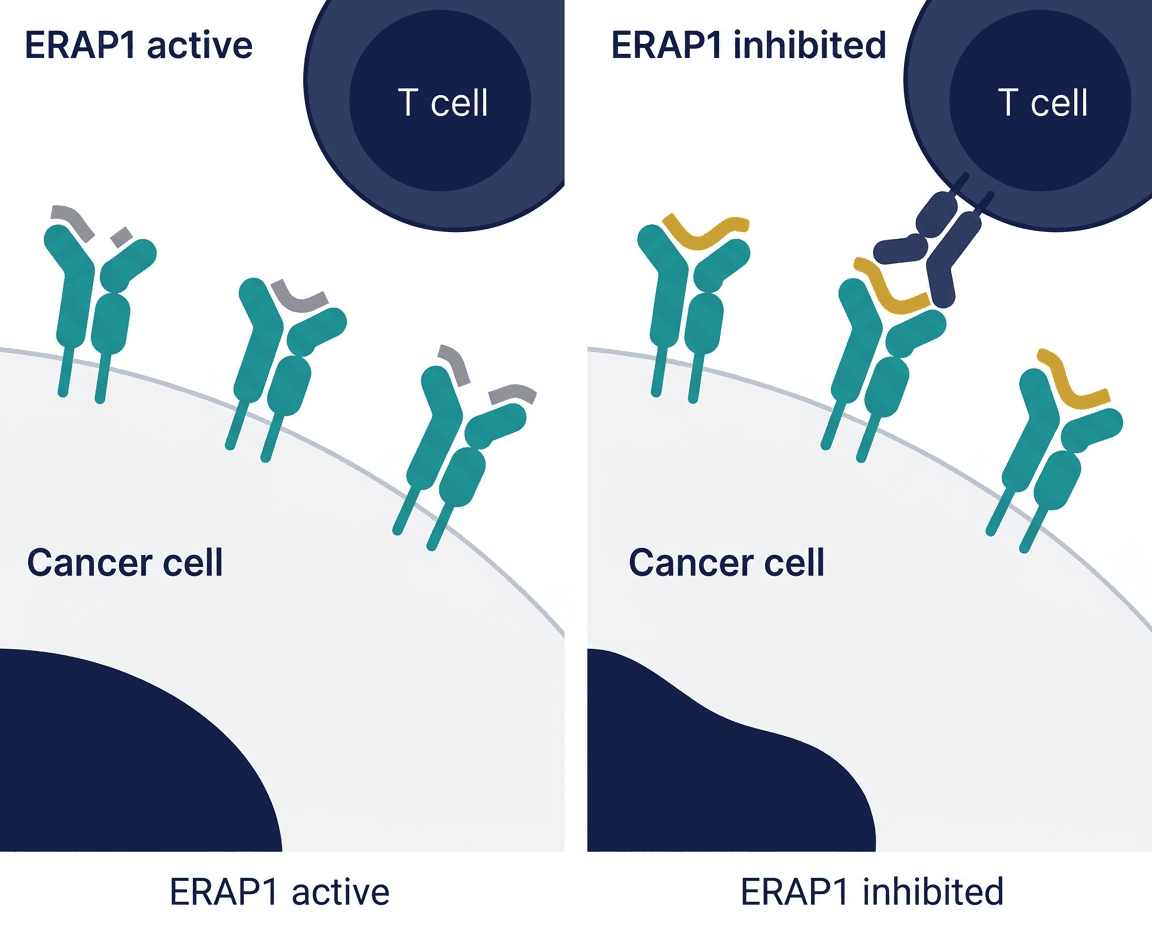
    Datopotamab deruxtecan is an antibody-drug conjugate, part of the same drug class as trastuzumab deruxtecan (Enhertu/T-DXd) and sacituzumab govitecan (Trodelvy). All ADCs share the same general architecture: an antibody that recognizes a target protein on cancer cell surfaces, linked to a chemotherapy payload. The antibody finds the cancer cell, binds to it, is internalized, and releases the payload inside the cell.

    Dato-DXd’s target is TROP2 (trophoblast cell-surface antigen 2), a protein expressed at high levels on the surface of many solid tumors, including the majority of TNBC tumors. The payload is DXd, a topoisomerase I inhibitor derived from exatecan. When the ADC is internalized into TROP2-expressing tumor cells, the linker is cleaved and DXd is released inside the cell, interfering with DNA replication and causing cancer cell death.

    The linker technology is an important distinguishing feature. The cleavable tetrapeptide-based linker used in Dato-DXd is designed to be stable in the bloodstream but cleaved efficiently inside cells. This stability reduces off-target payload release in circulation, which contributes to a lower rate of hematologic toxicity compared to some earlier ADC platforms. The same DXd payload and linker technology is used in T-DXd (Enhertu), which explains the shared class safety signal of interstitial lung disease and stomatitis across both drugs.

    Dato-DXd versus sacituzumab govitecan (Trodelvy): both target TROP2, but differently Sacituzumab govitecan (Trodelvy) is the other FDA-approved TROP2-directed ADC in breast cancer. It is approved for previously treated metastatic TNBC and for HR-positive HER2-negative metastatic breast cancer. Both it and Dato-DXd target TROP2, but they use different antibodies, different payloads (SN-38 for sacituzumab vs. DXd for datopotamab), and different linker technologies. The practical difference shows up in the safety profile: sacituzumab govitecan has higher rates of hematologic toxicity (neutropenia, diarrhea) while Dato-DXd’s signature toxicities are stomatitis and ocular surface events. Neither has been compared head-to-head in TNBC. They occupy different approved settings, and the question of how to sequence them in the metastatic TNBC treatment landscape is one the field will need to work out as approvals evolve. The panel discussion at OncLive noted that differences in linker technology and payload between the two drugs may influence clinical outcomes, but no definitive comparative data exists. Clinicians should be familiar with both safety profiles to counsel patients appropriately.

    TROPION-Breast02: Design and Full Results

    Trial design

    TROPION-Breast02 (NCT05374512) was a randomized, open-label, international Phase 3 trial conducted across multiple countries. Between May 2022 and June 2024, 644 patients with previously untreated, locally recurrent inoperable or metastatic TNBC who were not candidates for PD-1/PD-L1 inhibitors were randomized 1:1 to Dato-DXd (6 mg/kg intravenously every 3 weeks, n=323) or investigator’s choice of chemotherapy (ICC, n=321). ICC options included paclitaxel, nab-paclitaxel, carboplatin, capecitabine, or eribulin mesylate. Randomization was stratified by geographic region, disease-free interval, and PD-L1 status.

    The trial had dual primary endpoints: progression-free survival by blinded independent central review (BICR) per RECIST 1.1, and overall survival. Both primary endpoints were required to demonstrate statistical significance for the trial to be considered successful. Achieving both is a notable distinction in a disease setting where OS data is often immature at the time of initial analysis.

    Efficacy results

    Efficacy endpointDato-DXd (n=323)Chemotherapy (n=321)
    Median PFS (BICR)10.8 months (95% CI 8.6–13.0)5.6 months (95% CI 5.0–7.0)
    PFS hazard ratio0.57 (95% CI 0.47–0.69; p<0.0001)Reference
    Risk reduction in progression/death43%Reference
    12-month PFS rate45.6%25.6%
    18-month PFS rate32.7%16.8%
    Median OS23.7 months18.7 months
    OS hazard ratio0.79 (21% reduction in risk of death; p<0.05)Reference
    Median treatment duration6.7 months4.1 months
    Patients on treatment at data cutoffLonger than chemo armShorter duration

    Source: Dent RA et al. Annals of Oncology. 2026 Apr 3. doi:10.1016/j.annonc.2026.03.008. Presented at ESMO Congress 2025, Berlin (Abstract LBA21).

    The PFS result is the most striking number: 10.8 versus 5.6 months is a near doubling of the time to disease progression or death. The 12-month PFS rates tell a related story: at one year, 45.6% of patients on Dato-DXd were progression-free, compared to 25.6% on chemotherapy. At 18 months, those rates were 32.7% versus 16.8%.

    The OS result of 23.7 versus 18.7 months represents approximately five additional months of survival, with a statistically significant hazard ratio of 0.79. Having both PFS and OS meet statistical significance in the same trial is an important finding. Many oncology trials achieve PFS endpoints but fail to translate that into an OS benefit, sometimes because subsequent therapies after disease progression equalize outcomes across arms. TROPION-Breast02 demonstrated both.

    The 6.7 versus 4.1 month median treatment duration favoring Dato-DXd is an indirect measure of tolerability: patients stayed on the experimental treatment longer, suggesting the drug was manageable enough to continue. That observation is supported by the safety data.

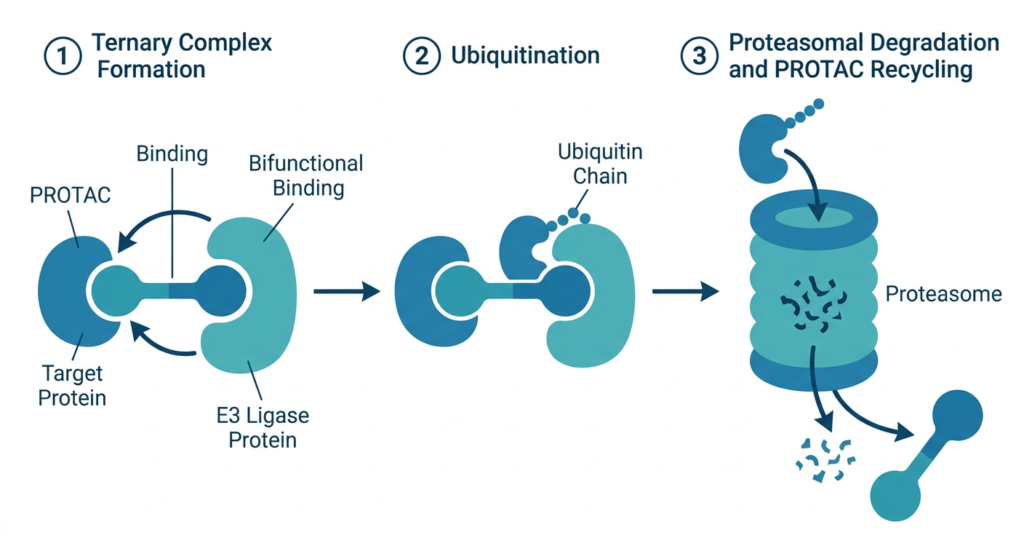
    For patients with ER-positive disease, a separate PROTAC-based therapy is simultaneously under FDA review. Read about it here.

    Safety: A Different Toxicity Profile Than Chemotherapy

    Dato-DXd does not look like chemotherapy in its safety profile. Where chemotherapy predominantly causes hematologic toxicity (neutropenia, anemia, febrile neutropenia), Dato-DXd’s characteristic adverse effects are mucosal (stomatitis) and ocular. This difference matters for patient counseling and clinical management.

    Safety metricDato-DXdChemotherapy (ICC)
    Any treatment-related adverse event93%83%
    Grade 3 or higher TRAEs33%29%
    Serious treatment-related AEs9%8%
    Discontinuation due to TRAEs4%7%
    Treatment-related deaths00
    Stomatitis (all grade)57%Lower
    Nausea (all grade)45%Lower
    Alopecia (all grade)41%21%
    Ocular surface events (grade 1, dry eye/keratitis)24%3%
    ILD/pneumonitis (drug-related, adjudicated)Less than 1%Less than 1%
    Hematologic toxicity (neutropenia, anemia)Lower than chemo armPredominant toxicity

    Several aspects of this safety data are worth emphasizing for clinical context. First, discontinuation due to treatment-related adverse events was actually lower with Dato-DXd (4%) than with chemotherapy (7%). This means patients on the experimental arm were less likely to stop treatment because of toxicity despite the higher overall rate of any adverse event. The profile is different, not simply worse.

    Second, stomatitis at 57% is high in absolute terms but predominantly low-grade. The OncLive panel reviewing these results noted that proactive oral care management, including steroid-based mouthwash protocols (expanded from the SWISH trial experience with everolimus), can substantially reduce the incidence and severity of high-grade stomatitis. Institutions implementing Dato-DXd will need nursing education focused on stomatitis prevention and grading.

    Third, ocular surface events (dry eye, keratitis) at 24% are almost entirely grade 1 and manageable with lubricating eye drops and ophthalmologic monitoring. The ILD rate of less than 1% is consistent with the known Dato-DXd class signal, lower than what is seen with T-DXd at current doses. ILD monitoring, prompt evaluation of respiratory symptoms, and early intervention with corticosteroids for confirmed cases remain important clinical requirements.

    Context: How This Fits Into the TNBC Treatment Landscape

    If approved, Dato-DXd would become the first non-chemotherapy, non-immunotherapy first-line option for metastatic TNBC patients who cannot receive checkpoint inhibitors. The treatment landscape for this population would shift in two meaningful ways.

    First, the starting line for subsequent treatment sequencing changes. Patients who progress on first-line Dato-DXd will have had an ADC with a specific toxicity profile and resistance pattern. How sacituzumab govitecan (Trodelvy), currently approved in previously treated metastatic TNBC, performs after Dato-DXd progression is not established. This sequencing question will drive post-approval research.

    Second, the ADC revolution in breast cancer treatment is now reaching the TNBC immunotherapy-ineligible population specifically. T-DXd reshaped HER2-positive and HER2-low metastatic breast cancer. Sacituzumab govitecan improved outcomes in previously treated TNBC. Dato-DXd, if approved, would extend ADC-based first-line treatment into a subgroup previously limited to cytotoxic chemotherapy.

    What the TROPION-Breast01 trial (HR+/HER2- breast cancer) can teach us here Dato-DXd’s January 2025 FDA approval for HR-positive, HER2-negative metastatic breast cancer came from the TROPION-Breast01 trial. That trial met its primary PFS endpoint but did not achieve statistical significance on OS. The explanation offered by investigators was that subsequent ADC treatment in the control arm after disease progression may have equalized survival outcomes. TROPION-Breast02 in TNBC is different in a clinically important way: it achieved statistical significance on both PFS and OS. This distinction matters for the regulatory submission and for clinician confidence. When a trial achieves the survival endpoint and not just the surrogate, the benefit-risk assessment is on firmer ground. The difference in OS outcomes between the two trials also highlights how patient population and available subsequent therapies shape survival data. TNBC patients in TROPION-Breast02 had fewer subsequent treatment options after progression compared to HR+ patients, which may have allowed the OS benefit to emerge more clearly in this trial.

    Dato-DXd (Datroway) is currently FDA-approved for HR-positive, HER2-negative breast cancer. The TNBC indication is under Priority Review with a PDUFA date in Q2 2026. Until a decision is issued, this drug is not available for TNBC outside of clinical trials. Priority Review means the FDA will aim to complete its review within 6 months of application acceptance, prioritizing drugs that may offer major advances over available therapy.

    What to Discuss With Your Oncologist Now

    • If you have recently been diagnosed with metastatic TNBC, ask your oncologist whether your tumor has been tested for PD-L1 expression and what the result means for your first-line treatment options.
    • If you are PD-L1-positive and immunotherapy-eligible, pembrolizumab plus chemotherapy is the current standard of care and is not affected by this FDA decision.
    • If you are immunotherapy-ineligible, ask your oncologist about clinical trials for which you may be eligible, including ongoing Dato-DXd studies and other ADC programs in TNBC. ClinicalTrials.gov is the best place to search for open studies.
    • If Dato-DXd receives FDA approval in Q2 2026, it will immediately become available as an alternative first-line option to standard chemotherapy for immunotherapy-ineligible patients. NCCN guideline updates typically follow promptly after FDA approval.

    We will update this post when the FDA issues its ruling.

    For patients and families navigating a TNBC diagnosis, the most important resource is an oncologist at a center with experience in breast cancer clinical trials and access to current molecular testing. The National Cancer Institute’s Cancer Center directory can help identify specialized centers. Susan G. Komen and the Triple Negative Breast Cancer Foundation maintain updated patient-facing resources on treatment options, clinical trials, and support programs.


    Sources

    Primary publication: Dent RA, Shao Z, Schmid P, et al. Datopotamab deruxtecan in patients with untreated, advanced triple-negative breast cancer (TROPION-Breast02): a randomised, open-label, international, phase III trial. Annals of Oncology. 2026 Apr 3. doi:10.1016/j.annonc.2026.03.008. PubMed PMID: 41937088.

    OncLive Phase 3 results: TROPION-Breast02 Data Support Dato-DXd as New First-Line SOC in Triple-Negative Breast Cancer. OncLive. April 2026.

    OncLive Priority Review: FDA Grants Priority Review to Frontline Dato-DXd for Metastatic TNBC Ineligible for Immunotherapy. OncLive. 2026.

    OncLive panel discussion: Findings for Frontline Dato-DXd From TROPION-Breast02 in Immunotherapy-Ineligible TNBC. OncLive. May 2026.

    OncoDaily safety summary: Datopotamab Deruxtecan Improves PFS and OS in First-Line Advanced TNBC in TROPION-Breast02. OncoDaily. April 2026.

    Cancer Nursing Today: Datopotamab Deruxtecan Expands First-Line Treatment Options in Metastatic TNBC. May 2026.

    CancerNetwork overview: How Dato-DXd and the TROPION Trials Are Transforming Solid Tumor Research. CancerNetwork. May 2026.

    AstraZeneca Priority Review announcement: DATROWAY granted Priority Review in the US as 1st-line treatment for patients with metastatic TNBC who are not candidates for immunotherapy. AstraZeneca. 2026.

    TROPION-Breast01 context: FDA approves datopotamab deruxtecan for HR+/HER2- breast cancer. FDA.gov. January 2025.

    Patient resources: NCI Cancer Center directory | Susan G. Komen | TNBC Foundation

    Disclaimer: Health Evidence Digest provides general information about clinical trials and FDA regulatory processes for educational purposes. This content is not a substitute for professional medical advice. Datopotamab deruxtecan (Dato-DXd/Datroway) is not yet FDA-approved for triple-negative breast cancer. Treatment decisions for metastatic TNBC should be made in close consultation with a qualified oncologist who can account for your individual diagnosis and treatment history.

  • Ozempic for PCOS? Clinical Trials Are Testing It Right Now. Here’s What the Research Will Need to Show.

    Ozempic for PCOS? Clinical Trials Are Testing It Right Now. Here’s What the Research Will Need to Show.

    If you have polycystic ovary syndrome and have been following health news over the past year or two, you have almost certainly wondered about semaglutide. The GLP-1 receptor agonist that transformed conversations about obesity and type 2 diabetes is now being formally investigated as a treatment for PCOS. Multiple clinical trials are actively enrolling patients in 2026.

    The scientific rationale is genuinely compelling. The existing evidence from smaller studies is encouraging. But there is an important distinction between buzz and evidence, and for a condition as complex and heterogeneous as PCOS, that distinction matters enormously. Semaglutide is not approved for PCOS. No drug is specifically approved for PCOS. The question these trials are trying to answer is whether semaglutide should be.

    This post covers the biology behind why semaglutide makes sense for PCOS, what published data already shows, which trials are now running and what they are specifically measuring, and what questions still need answers before this becomes standard practice.


    PCOS: Why Treatment Has Always Been a Patchwork

    Polycystic ovary syndrome affects an estimated 10% of women of reproductive age worldwide, making it one of the most common endocrine disorders in women. Despite that prevalence, there is no FDA-approved drug specifically for PCOS. Treatment today consists of medications developed for other conditions, repurposed off-label: oral contraceptives for cycle regulation, metformin for insulin resistance, spironolactone for androgen-related symptoms like excess hair growth and acne, and fertility medications for those trying to conceive.

    The patchwork approach exists because PCOS is not a single disease. It is a syndrome with multiple overlapping features that present differently from woman to woman. To receive a PCOS diagnosis under the Rotterdam criteria, a woman must have two of the following three: irregular or absent ovulation, elevated androgen levels (causing symptoms like hirsutism, acne, and hair loss), and polycystic-appearing ovaries on ultrasound. Many but not all women with PCOS also have insulin resistance and metabolic features. A significant proportion have obesity. A meaningful minority, sometimes estimated at 20 to 30%, are lean.

    What PCOS actually involves: the four main feature clusters Ovulatory dysfunction: Irregular or absent periods, anovulation, and associated difficulty conceiving. This is the most common reason women seek evaluation. Hyperandrogenism: Elevated testosterone and related androgens causing hirsutism (excess body and facial hair), acne, and androgenic hair loss. This is the feature most affecting quality of life for many women. Metabolic features: Insulin resistance (present in 50 to 70% of women with PCOS regardless of weight), dyslipidemia, elevated fasting glucose, and increased risk of type 2 diabetes and cardiovascular disease later in life. Psychological features: Depression, anxiety, and disordered eating occur at significantly higher rates in women with PCOS than in the general population, though these are often underaddressed in standard care.

    Why Semaglutide Makes Biological Sense for PCOS

    Semaglutide is a GLP-1 receptor agonist. It mimics glucagon-like peptide 1, a gut hormone that stimulates insulin secretion in response to meals, slows gastric emptying, and signals satiety to the brain. It was developed for type 2 diabetes and obesity, both conditions strongly driven by insulin resistance. This is where the PCOS connection begins.

    In PCOS, insulin resistance is not just a complication. It is a central driver and amplifier of the disorder. Elevated insulin levels act directly on the ovary, specifically on theca cells, to stimulate androgen production. More insulin means more testosterone and DHEA-S. More androgens mean disrupted follicle development, impaired ovulation, and worsened symptoms. It also feeds back into insulin resistance through inflammatory and metabolic pathways, creating a self-reinforcing cycle.

    Reducing insulin resistance has long been a therapeutic target in PCOS. Metformin, the current first-line metabolic treatment, works primarily by reducing hepatic glucose output and improving insulin sensitivity. GLP-1 receptor agonists reduce insulin resistance through a complementary but distinct pathway: they enhance glucose-stimulated insulin secretion, reduce postprandial glucose spikes, lower fasting insulin, and produce significant weight loss that further improves insulin sensitivity. For many women with PCOS, this combination of effects addresses multiple features of the disorder simultaneously.

    For a broader overview of what the 2026 research shows about GLP-1 medications across the full spectrum of fertility, ovulation, and pregnancy safety in PCOS, see our companion post: GLP-1 Medications and PCOS: What the 2026 Research Actually Shows.


    What Published Evidence Already Shows

    The current evidence base for GLP-1 receptor agonists in PCOS comes from a mix of older liraglutide trials, smaller semaglutide studies, and published meta-analyses that synthesize this literature. It is encouraging. It is also preliminary.

    The published meta-analyses

    A 2024 meta-analysis published in the Journal of Diabetes and Its Complications pooled data from four randomized controlled trials involving 176 women with PCOS treated with GLP-1 receptor agonists (primarily liraglutide, with some semaglutide). Compared to placebo, GLP-1 agonists produced:

    OutcomeResult vs. placebo
    Waist circumferenceReduced by 5.16 cm (95% CI 4.21 to 6.11; p less than 0.00001)
    BMIReduced by 2.42 units (95% CI 1.74 to 3.10; p less than 0.00001)
    Serum triglyceridesReduced significantly (MD −0.20 mmol/L; p less than 0.00001)
    Total testosteroneReduced significantly (MD −1.33 nmol/L; 95% CI −2.55 to −0.12; p=0.03)
    HOMA-IR (insulin resistance)Significant improvement

    Source: Morais et al. Journal of Diabetes and Its Complications. 2024;38(10):108834. doi:10.1016/j.jdiacomp.2024.108834

    A May 2025 meta-analysis in Scientific Reports, searching databases through October 2024, reached broadly consistent conclusions: GLP-1 receptor agonists outperformed both placebo and metformin on anthropometric and metabolic outcomes in women with PCOS, with additional improvements in androgen markers and lipid profiles.

    The liraglutide RCT and the menstrual regularity finding

    The most robust individual trial in this space is the Nylander et al. 2017 randomized controlled trial published in Human Reproduction, which enrolled 72 women with PCOS. Participants received liraglutide (the predecessor GLP-1 agonist to semaglutide) for 26 weeks. Results showed significant reductions in BMI, free androgen index, fasting insulin, and LH/FSH ratio compared to placebo. Notably, 44% of women in the liraglutide group achieved regular menstrual cycles by week 24 versus significantly fewer in the placebo group. That menstrual regularity finding is the most clinically meaningful single result from the existing literature.

    Combination semaglutide plus metformin

    A prospective randomized controlled trial published in 2025 specifically examining overweight and obese women with PCOS assigned participants to metformin alone, semaglutide alone, or combination therapy. The combination group outperformed metformin monotherapy in reducing BMI, androgen levels, insulin resistance, and menstrual irregularities. Notably, the natural pregnancy rate was significantly higher in the combination group than in the metformin-only group. This is the most direct evidence to date supporting a fertility benefit, though the trial was not large enough to draw definitive conclusions and was conducted in a specific patient population.

    The honest limitations of the existing evidence base The published meta-analyses and most individual trials have important limitations that must be acknowledged before drawing clinical conclusions. Sample sizes are small: The 2024 meta-analysis pooled just 176 participants across four trials. The 2025 Scientific Reports meta-analysis similarly covered a limited participant pool. These are underpowered to detect meaningful differences in rarer outcomes like live birth rates. Populations are selective: Most trials enrolled women with PCOS and obesity or overweight. The evidence base for women with lean PCOS (BMI under 25 with documented insulin resistance) is far more limited, and some benefits may be primarily mediated through weight loss rather than any direct hormonal effect. Follow-up is short: Most trials run 12 to 28 weeks. The long-term effects of GLP-1 agonist use on reproductive function, ovarian reserve, and metabolic health in young women with PCOS over years of use are not yet characterized. Primary endpoints vary: Different trials measured different outcomes. Without a consistent primary endpoint across studies, synthesizing results into a definitive conclusion is difficult. The ongoing trials are attempting to address this.

    The 2025 to 2026 Trials: What They Are Specifically Studying

    Several clinical trials registered and recruiting in 2025 and 2026 are specifically investigating semaglutide in women with PCOS. Here are the most relevant currently active programs.

    RESTORE trial: NCT05819853 (University of Colorado)

    This is the most clinically ambitious of the currently active trials. RESTORE (Role of Semaglutide in Restoring Ovulation in Youth and Adults with Polycystic Ovary Syndrome) is a Phase 3 study enrolling 80 girls and women aged 12 to 35 years old with obesity and PCOS. Participants receive up to 10 months of semaglutide with dose escalation per manufacturer recommendations, with a maximum dose of 1.7 mg.

    FeatureDetails
    NCT numberNCT05819853
    PhasePhase 3
    SponsorUniversity of Colorado, Denver
    Age range12 to 35 years
    Estimated enrollment80 participants
    TreatmentSemaglutide (Wegovy/Ozempic) injectable, 10 months, dose escalation to max 1.7 mg
    Primary endpointChange in ovulation frequency before and after semaglutide
    Secondary endpointsChange in whole-body insulin sensitivity; change in ovarian morphology; androgen levels; metabolic markers
    Projected completionFebruary 2028
    StatusRecruiting

    The choice of ovulation frequency as the primary endpoint is significant. Rather than measuring weight loss or metabolic markers as primary outcomes, RESTORE is asking the most clinically meaningful question for a reproductive-age population: does semaglutide restore the normal ovulatory function that PCOS disrupts? The adolescent inclusion (ages 12 to 17) is also notable, as it addresses the understudied question of whether early metabolic intervention in young women with PCOS can improve reproductive outcomes before the condition becomes entrenched.

    Semaglutide and PCOS: Emerging Treatment Strategy (NCT06222437)

    Sponsored by Methodist Health System, this Phase 1 single-arm interventional study focuses specifically on ovulation and androgen outcomes. Its primary objective is to determine the effect of semaglutide on ovulation and menstrual regularity, and it also measures testosterone, sex hormone-binding globulin (SHBG), and changes in hirsutism. This is one of the few trials that lists androgen-specific clinical measures (not just lab values) as a primary focus, making it directly relevant for women whose main PCOS burden is hirsutism and acne rather than fertility concerns.

    Semaglutide vs. metformin in PCOS (NCT05646199, NCT06896981)

    Two Phase 2/3 trials are specifically comparing semaglutide against the current standard metabolic therapy for PCOS. The University of Hull trial (NCT05646199) randomizes 60 women with PCOS and obesity to semaglutide or metformin over 28 weeks, with primary endpoint of weight loss and secondary endpoints including free androgen index, glucose tolerance, and blood pressure. The Bangladesh trial (NCT06896981) is evaluating the combination of low-dose semaglutide plus metformin versus metformin alone over 12 weeks in 30 women with PCOS and obesity.

    The metformin comparison matters clinically. If semaglutide is going to displace or be added to metformin in PCOS care, it needs to demonstrate it does something meaningfully better than the existing cheap, well-tolerated, off-patent treatment. Head-to-head data is more actionable for prescribers than placebo-controlled data alone.


    What the Trials Will Need to Show

    For semaglutide to move from promising to proven in PCOS, the clinical trials will need to demonstrate several things that smaller studies have not yet conclusively shown.

    • Ovulatory restoration across the weight spectrum. Most trial participants have obesity. Whether semaglutide restores ovulation in normal-weight women with PCOS, where the mechanism is less clearly tied to weight loss and more to a possible direct hormonal effect, is not yet established.
    • Androgen normalization and symptom improvement. Lab values are useful, but what patients care about is whether hirsutism, acne, and hair loss actually improve. Trials need patient-reported outcome measures and validated clinical scales for these symptoms, not just serum testosterone numbers.
    • Live birth rates for women trying to conceive. This is the endpoint that matters most for a large proportion of the PCOS population. One trial showed higher natural pregnancy rates with combination semaglutide plus metformin, but live birth rate data is absent from most studies. And critically, semaglutide must be stopped before attempting conception, so the fertility benefit question is more nuanced than it first appears.
    • Long-term safety in reproductive-age women and adolescents. Semaglutide’s safety data comes predominantly from adults with diabetes or obesity, typically older than the PCOS population. The RESTORE trial’s inclusion of participants as young as 12 will generate important adolescent safety data that currently does not exist.
    • Efficacy in lean PCOS. Roughly 20 to 30% of women with PCOS have a BMI under 25. Their insulin resistance is real but may be less severe, and the weight loss mechanism that drives metabolic improvement in obese participants may contribute less to benefit in this group. None of the current trials are designed specifically for lean PCOS.

    The Pregnancy Contraindication: A Critical Practical Issue

    Semaglutide is contraindicated during pregnancy. This is not a precautionary label statement. Animal studies have shown fetal harm at doses producing exposures similar to the human therapeutic dose. The FDA prescribing information for both Ozempic and Wegovy includes a recommendation to discontinue semaglutide at least two months before a planned pregnancy, to allow for adequate washout given the drug’s approximately one-week half-life.

    For women with PCOS who are actively trying to conceive, this creates a specific clinical scenario that requires careful planning. Semaglutide can be used to improve metabolic parameters and potentially restore ovulatory function, then discontinued before conception is attempted. Effective contraception during treatment is required. The fertility benefit, if it exists, would need to manifest through improved baseline reproductive function that persists after drug discontinuation rather than through ongoing treatment during the conception window.

    This is an important conversation to have with a reproductive endocrinologist before starting semaglutide with the goal of improving fertility. The timing, the contraception plan, and the monitoring protocol all require individual clinical guidance. For a full discussion of the safety evidence around GLP-1 medications and pregnancy, including what the 2026 pharmacovigilance data shows, see our post: GLP-1 Medications and PCOS: What the 2026 Research Actually Shows About Fertility, Ovulation, and Pregnancy Safety.


    What Women With PCOS Can Do Right Now

    If you want to participate in a trial

    Search ClinicalTrials.gov using “semaglutide” and “polycystic ovary syndrome” for actively recruiting studies. The RESTORE trial (NCT05819853) at the University of Colorado is enrolling girls and women aged 12 to 35 with obesity and PCOS. Participation in clinical trials is not a last resort. It is how the field generates the evidence that eventually benefits all patients with the condition.

    If you are currently managing PCOS

    Semaglutide is not currently approved for PCOS, and prescribing it off-label for this indication without a diabetes or obesity co-diagnosis involves clinical judgments that should be made with a specialist, not based on online health content. Evidence-based options available today include metformin for insulin resistance, oral contraceptives or progestins for cycle regulation, spironolactone for androgen symptoms, and letrozole or clomiphene for ovulation induction in those trying to conceive. The 2023 International Evidence-Based PCOS Guideline from Monash University is a reliable reference for understanding the current standard of care.

    If you also have obesity or overweight

    If your BMI qualifies you for an obesity medication on its own merits (BMI 30 or above, or 27 or above with at least one weight-related comorbidity), semaglutide or another GLP-1 agonist may already be an appropriate treatment for your weight and metabolic health, and there is published evidence suggesting it also benefits PCOS features in this population. This is a conversation worth having with your gynecologist or endocrinologist, who can assess whether you meet criteria for approved obesity pharmacotherapy.

    We will be watching these trials closely.

    The RESTORE trial at the University of Colorado is the most clinically ambitious study of semaglutide in PCOS currently running, with results expected in 2028. For women with PCOS who have been managing symptoms with off-label therapies for years, the prospect of a drug that addresses the metabolic root of the condition rather than just managing individual symptoms is worth following carefully. The best resources for staying current on PCOS care include ACOG, the Androgen Excess and PCOS Society, and the international evidence-based PCOS guideline from Monash University.

    For more women’s health coverage on Health Evidence Digest, see our posts on new 2026 cervical cancer screening guidelines and the first FDA-approved non-hormonal endometriosis drug entering human trials.


    Sources

    RESTORE trial registration: Role of Semaglutide in Restoring Ovulation in Youth and Adults With Polycystic Ovary Syndrome. NCT05819853. ClinicalTrials.gov.

    NCT06222437: Semaglutide and Polycystic Ovarian Syndrome: an Emerging Treatment Strategy. Methodist Health System. ClinicalTrials.gov.

    NCT05646199: Semaglutide vs Metformin in Polycystic Ovary Syndrome (PCOS). University of Hull. ClinicalTrials.gov.

    NCT06896981: Semaglutide in Women With Polycystic Ovary Syndrome and Obesity. BSMMU, Bangladesh. ClinicalTrials.gov.

    2024 meta-analysis (JDC): Morais BAA et al. The efficacy and safety of GLP-1 agonists in PCOS women living with obesity in promoting weight loss and hormonal regulation. Journal of Diabetes and Its Complications. 2024;38(10):108834. doi:10.1016/j.jdiacomp.2024.108834

    2025 meta-analysis (Scientific Reports): Efficacy and safety of GLP-1 receptor agonists on weight management and metabolic parameters in PCOS women. Scientific Reports. May 2025. doi:10.1038/s41598-025-99622-4

    GLP-1 RAs in PCOS narrative review: Endocrine and metabolic effects of GLP-1 receptor agonists on women with PCOS. Endocrine Connections. 2025;14(5). doi:10.1530/EC-24-0529

    2024 PCOS guideline meta-analysis: Goldberg et al. Anti-obesity pharmacological agents for PCOS: A systematic review and meta-analysis to inform the 2023 international evidence-based guideline. Obesity Reviews. 2024;25(5):e13704. doi:10.1111/obr.13704

    Combination semaglutide + metformin in PCOS: Effects of combined metformin and semaglutide therapy on body weight, metabolic parameters, and reproductive outcomes in overweight/obese women with PCOS. PMC12297736. pmc.ncbi.nlm.nih.gov. 2025.

    Patient resources: ACOG PCOS FAQ | Androgen Excess and PCOS Society | International PCOS Guideline | ClinicalTrials.gov

    Disclaimer: Health Evidence Digest provides general information about clinical research and health topics for educational purposes. This content is not a substitute for professional medical advice. Semaglutide is not FDA-approved for PCOS. Women with PCOS should speak with their gynecologist, reproductive endocrinologist, or healthcare provider about their individual treatment plan.

  • The First Non-Hormonal Endometriosis Drug Just Entered Human Trials and It Works in a Way Nothing Else Does

    The First Non-Hormonal Endometriosis Drug Just Entered Human Trials and It Works in a Way Nothing Else Does

    📌 Read this first: what this milestone is and isn’t On March 23, 2026, the FDA cleared an Investigational New Drug (IND) application for ENDO-205 (EndoCyclic Therapeutics). IND clearance means the FDA has reviewed enough preclinical and manufacturing data to permit human testing to begin. It is not an approval. It is not proof the drug works in humans. The Phase 1 trial is enrolling healthy premenopausal women of reproductive age, not patients with endometriosis. Phase 1 establishes safety and tolerability. Whether ENDO-205 is effective in women who have the disease will be tested in Phase 2, which could be years away. Most drugs that enter Phase 1 do not reach approval. The science behind ENDO-205 is genuinely novel and the preclinical data is promising. It is also early-stage, and the history of women’s health drug development is full of promising early-stage candidates that did not pan out. This post covers both the science and the appropriate context.

    If you have endometriosis, you have probably encountered some version of the same conversation more than once. The pain isn’t that bad. Many women have painful periods. Here’s a birth control pill to help with symptoms. If you’re not trying to get pregnant right now, here’s a hormone therapy that will help. And if none of that works, here’s a surgery, with the understanding that the lesions often come back.

    Endometriosis affects an estimated 190 million women and girls worldwide, roughly 1 in 10 of reproductive age. It takes an average of 7 to 10 years from symptom onset to diagnosis in many healthcare systems. And despite the scale of the disease and the severity of its impact on quality of life, fertility, and daily function, the pharmacological options have remained essentially unchanged for decades: suppress hormones, manage symptoms, repeat.

    On March 23, 2026, the FDA cleared the Investigational New Drug application for ENDO-205, a first-in-class non-hormonal therapeutic developed by EndoCyclic Therapeutics. Human trials are now beginning. The drug uses a mechanism unlike anything currently approved or in late-stage development for this disease: rather than suppressing the hormonal environment that sustains endometriosis lesions, it targets the lesions themselves.


    Endometriosis: The Disease That Took 7 to 10 Years to Diagnose

    Endometriosis occurs when tissue similar to the endometrium, the uterine lining, grows outside the uterus. The most common sites are the ovaries, fallopian tubes, and pelvic peritoneum, but lesions can also develop on the bladder, bowel, diaphragm, and in rare cases elsewhere in the body. Each menstrual cycle, this misplaced tissue responds to estrogen and progesterone the way endometrial tissue does everywhere: it thickens, breaks down, and bleeds. But the blood and tissue have nowhere to go. The result is chronic inflammation, scar tissue formation, and adhesions that can fuse organs together.

    Symptoms vary widely. Severe dysmenorrhea (menstrual pain) is the most common presenting complaint. Many patients also experience chronic pelvic pain throughout the month, painful intercourse (dyspareunia), pain with bowel movements or urination, heavy menstrual bleeding, and fatigue. Infertility affects 30 to 50% of women with endometriosis. For some, the disease is debilitating. For others, lesions are found incidentally during surgery for another reason with minimal symptoms.

    The diagnostic delay: 7 to 10 years is not a rounding error The average time from first symptom to confirmed endometriosis diagnosis is 7 to 10 years in most high-income countries, and longer in settings with less gynecological specialist access. This delay is not primarily a technological problem. Endometriosis cannot be diagnosed with a blood test, an ultrasound, or an MRI alone (though imaging can suggest it). The gold standard for definitive diagnosis has historically been laparoscopic surgery with biopsy. The result: for years, clinicians who were not prepared to offer surgery would offer empirical treatment, a birth control pill or other hormonal suppression, without confirming the diagnosis. This masked symptoms without establishing a diagnosis and delayed specialist referral. In March 2026, ACOG updated its clinical guidance to state that a clinical diagnosis based on symptoms and physical examination is now sufficient to begin treatment, and that surgical confirmation is no longer required before care begins. This is a meaningful change in how the disease is managed and it will bring more women into treatment sooner, increasing the clinical pressure to have treatments that work better and carry fewer trade-offs.

    The Current Treatment Landscape: Effective, But With Costs

    Every pharmacological treatment currently available for endometriosis works by suppressing or modifying the hormonal environment that sustains the disease. The logic is sound: endometrial tissue, including misplaced endometrial-like tissue, responds to estrogen. Reduce estrogen, reduce tissue stimulation, reduce symptoms. But this approach carries the same trade-off at every tier of the treatment ladder.

    Treatment classExamplesHow it worksKey limitations
    Combined oral contraceptivesMany brandsSuppress ovulation and reduce menstrual flow~1/3 of patients have progesterone resistance; does not eliminate lesions; contraceptive effect suspends fertility
    ProgestinsNorethindrone, medroxyprogesterone, dienogestSuppress endometrial tissue growthIrregular bleeding, mood changes, bone density loss with long-term use; does not eliminate lesions
    GnRH agonistsLeuprolide (Lupron), nafarelin, goserelinInduce medical menopause by desensitizing pituitary GnRH receptorsSignificant hypoestrogen side effects; bone loss; must limit use to 6 to 12 months; fertility suspended; hot flashes
    GnRH antagonists (oral)Elagolix (Orilissa, 2018), relugolix/E2/NETA (Myfembree, 2022)Directly block GnRH receptors; dose-dependent estrogen suppression; faster return of ovarian function than agonistsStill hormonal suppression; bone density concerns at higher doses; add-back therapy adds complexity; fertility not immediately restored at suppressive doses
    Surgery (laparoscopic excision)Excision or ablation of lesionsPhysically removes or destroys lesionsRecurrence rates 20 to 40%+ at 2 years; does not address the underlying biology; repeat surgery has cumulative risks; diagnostic laparoscopy no longer required before treatment

    The GnRH antagonist approvals, elagolix in 2018 and the relugolix combination (relugolix/estradiol/norethindrone acetate, Myfembree) in 2022, represented genuine improvements over older GnRH agonists. They are oral, not injectable. They don’t cause an initial symptom flare as agonists do. They allow more granular estrogen control and faster return of ovarian function after stopping. But they are still fundamentally hormonal therapies. They still suppress estrogen. They still suspend fertility at suppressive doses. They still don’t eliminate lesions; they manage symptoms by starving the tissue of hormonal stimulation.

    The consequence is a treatment gap that has never been filled: women who cannot tolerate hormonal therapies, women who want to preserve fertility while treating their disease, and women whose symptoms are not adequately controlled by any available option. This is the population ENDO-205 is attempting to reach.


    What ENDO-205 Is and How It Works

    ENDO-205 is built on EndoCyclic Therapeutics’ proprietary precision peptide platform. The company has spent over a decade developing what it describes as cell-permeating, pH-sensitive peptides, small engineered protein chains designed to act only in diseased tissue.

    The pH-sensitivity mechanism: why diseased tissue is different

    Healthy human tissue maintains a tightly regulated pH. Diseased tissue, including chronic inflammation sites, tumor microenvironments, and endometriosis lesions, tends to be more acidic. This difference is not incidental; it is a product of the inflammatory and metabolic activity occurring at the site of disease.

    EndoCyclic’s peptides are engineered to respond to this pH difference. In the neutral pH environment of healthy tissue, the peptide is largely inert or unable to penetrate cells. In the acidic environment of diseased tissue, the peptide undergoes a conformational change that allows it to penetrate cells and engage its target. This selectivity is the foundational property of the platform: the drug acts where the disease is, and not where it isn’t.

    What ENDO-205 targets inside the lesion

    The specific intracellular target of ENDO-205 has not been fully disclosed publicly by EndoCyclic. The company has described the program as engaging targets once beyond the limits of traditional therapy, language consistent with transcription factors or signaling regulators (such as components of the Wnt/β-catenin pathway, which has been implicated in endometriosis lesion survival and immune evasion) that do not have accessible pockets for conventional small molecule drugs.

    The biological rationale behind the approach relates to a fundamental feature of endometriosis: lesions survive where they shouldn’t. The body normally deploys immune surveillance mechanisms to identify and clear aberrant tissue. In endometriosis, this process fails; lesions evade immune clearance and persist in the peritoneal cavity. ENDO-205 is designed to help the body recognize and eliminate these lesions, targeting the intracellular machinery that allows them to survive the immune environment rather than suppressing the hormone environment that feeds them.

    Preclinical data: what it showed, and why it doesn’t prove human efficacy In preclinical animal model studies, ENDO-205 demonstrated elimination of endometriosis lesions and reduction of associated inflammation. No safety signals were observed in GLP (Good Laboratory Practice) toxicology studies, the rigorous preclinical standard required before the FDA will allow human trials to begin. The NIH NICHD granted the program multiple research grants and a commercialization readiness pilot grant with a perfect impact score of 10. This is a genuinely strong preclinical foundation. It is not, however, proof that ENDO-205 works in humans. The translation from animal models to human efficacy in endometriosis has historically been difficult: the peritoneal microenvironment, the immune landscape, and the heterogeneity of lesion types in women differ meaningfully from rodent models. Many drugs that cleared endometriosis lesions in animals have not done so in humans. The Phase 1 trial, which enrolls healthy women (not patients with endometriosis) to establish safety and tolerability, will not answer the efficacy question. Phase 2 trials in women with the disease, still years away, will be the first test of whether the mechanism translates.

    The Fertility Question: Why Non-Hormonal Treatment Matters So Much

    Thirty to fifty percent of women with endometriosis experience infertility. The disease affects fertility through multiple mechanisms: scarring and adhesions that distort pelvic anatomy, damage to ovarian reserve from endometriomas, inflammatory changes in the peritoneal environment that impair egg quality and sperm function, and in some cases, the hormonal suppression of treatments used to manage the disease.

    Every hormonal treatment for endometriosis suspends fertility while the patient is taking it. GnRH agonists and antagonists at suppressive doses prevent ovulation. Combined oral contraceptives prevent pregnancy. Progestins alone can disrupt ovulation at higher doses. This means women with endometriosis who want to conceive face an impossible choice under the current treatment paradigm: treat the disease or preserve the possibility of pregnancy. Cyclic treatment with rest periods for conception attempts is the imperfect current standard.

    A non-hormonal therapy that works at the lesion level, without touching the hormonal environment, would theoretically allow treatment to continue without suspending ovulation. Whether ENDO-205 achieves this in practice depends entirely on the clinical data, which has not yet been generated. But the theoretical property of a non-hormonal approach is precisely why it is generating interest among reproductive endocrinologists alongside gynecologists.

    For women with overlapping PCOS, the same fertility preservation question is arising with GLP-1 agonist trials. Read more about that here.


    What an IND Clearance Actually Means and What It Doesn’t

    For patients following this news, it’s worth being specific about what FDA IND clearance does and doesn’t represent.

    What IND clearance meansWhat IND clearance doesn’t mean
    The FDA reviewed the preclinical safety package and manufacturing dataThe FDA has approved the drug or endorsed its efficacy
    The company may now conduct human clinical trials in the U.S.The drug is available to patients
    Preclinical GLP toxicology studies showed no safety signals in animalsThe drug is safe or effective in humans
    The scientific foundation is strong enough to test in humansThe drug will eventually be approved
    Phase 1 can now begin (safety testing in healthy volunteers)Phase 1 will produce efficacy data in patients with endometriosis

    The clinical development pathway from IND to potential approval is long. Phase 1 (safety, typically 1 to 2 years), Phase 2 (efficacy in patients with endometriosis, typically 2 to 4 years), Phase 3 (pivotal efficacy and safety, typically 3 to 5 years), and NDA review. The entire process, if successful at every stage, takes roughly 8 to 10 years from IND clearance. Most drugs do not make it through every stage. The overall success rate from Phase 1 to approval across all drug types is approximately 12 to 14%; for drugs targeting complex diseases in women’s reproductive health, the history is sobering.

    This context is not intended to diminish the scientific significance of what EndoCyclic has achieved. A decade of platform development, multiple NIH grants, GLP toxicology clearance, and FDA IND acceptance represent real scientific rigor. The point is that the path from promising preclinical candidate to approved drug in the clinic is long, uncertain, and requires results at each stage before it can proceed.


    The Broader Endometriosis Pipeline: What Else Is Coming

    ENDO-205 is not the only non-standard approach being explored in the endometriosis space. The growing recognition of the disease’s burden has attracted more research attention over the past five years than the previous thirty combined. Other approaches in clinical development include:

    • HMI-115 (Hope Medicine): A monoclonal antibody targeting the prolactin receptor. A Phase 2 trial reported positive results in 2025, showing meaningful pain reduction. This is the most clinically advanced non-GnRH-antagonist approach in the pipeline. Search ClinicalTrials.gov for current enrollment status.
    • Anti-inflammatory and immune modulatory approaches: Several programs are targeting the peritoneal inflammatory environment rather than the hormonal environment, including anti-cytokine strategies. None has yet reached Phase 3.
    • Angiogenesis inhibitors: Endometriosis lesions require new blood vessel formation to establish and grow. Targeting this process is a biologically sound approach being explored in early-stage trials.
    • FemLUNA (EndoCyclic Therapeutics): ENDO-205’s companion program, a non-invasive imaging agent designed to accurately detect endometriosis lesions, including superficial ones that are often missed by ultrasound and MRI. Accurate non-invasive diagnosis would address one of the core drivers of the 7 to 10 year diagnostic delay.

    The convergence of the ACOG diagnostic guidance change, the entry of novel mechanisms into clinical trials, and the growing research attention to the disease represents a genuine inflection point for endometriosis care, even if none of these programs will reach patients for years.


    What Patients Can Do Right Now

    ENDO-205 is not available to patients. The Phase 1 trial recruits healthy premenopausal women, not people with endometriosis. Here is what is actionable today for people living with the disease:

    • Seek specialist care. The updated ACOG guidance means you do not need surgical confirmation to receive treatment. A clinical diagnosis based on symptoms and examination is now sufficient to begin. If your symptoms are being dismissed or undertreated, a referral to a gynecologist or reproductive endocrinologist with endometriosis expertise is the most impactful step.
    • Explore what’s currently approved. Elagolix (Orilissa) and the relugolix combination (Myfembree) are both approved for moderate-to-severe endometriosis pain and are newer, better-tolerated alternatives to older GnRH agonist injections. If you’ve only been offered OCP or are experiencing inadequate pain control, ask your provider about these options.
    • Connect with advocacy organizations. The Endometriosis Association, Endometriosis Foundation of America, and the Nancy’s Nook Endometriosis Education community maintain updated information on disease management and specialist directories.
    • Track the clinical trial landscape. If Phase 2 trials of ENDO-205 open for enrollment in patients with endometriosis in coming years, they will be listed at ClinicalTrials.gov. Searching “endometriosis non-hormonal” or “ENDO-205” there is how to monitor for enrollment opportunities.

    The entry of ENDO-205 into human trials is meaningful precisely because it represents a fundamentally different idea about how endometriosis might be treated. Whether that idea survives contact with human biology is still to be determined, and it will take years to find out. In the meantime, the most important thing for people living with this disease is not waiting for future options. The Endometriosis Foundation of America, Nancy’s Nook on Facebook (a clinician-moderated group), and ACOG’s patient resource page are the strongest starting points for current, evidence-based guidance on diagnosis and treatment. We will continue tracking ENDO-205’s clinical progress.

    For related coverage of changing evidence in women’s health care, see our posts on new 2026 cervical cancer screening guidelines and GLP-1 medications and PCOS fertility research in 2026.


    Sources

    EndoCyclic press release: EndoCyclic Therapeutics Announces FDA Clearance of IND Application for ENDO-205. PR Newswire. March 23, 2026.

    Contemporary OB/GYN: FDA clears ENDO-205 Investigational New Drug application for endometriosis. contemporaryobgyn.net. March 23, 2026.

    Future Fem Health: EndoCyclic Therapeutics advances non-hormonal endometriosis drug into clinical trials. futurefemhealth.com. March 23, 2026.

    EndoCyclic website: EndoCyclic Therapeutics platform description and program overview.

    GnRH antagonist landscape: Oral Gonadotropin-Releasing Hormone Antagonists in the Treatment of Endometriosis. PMC12239828. pmc.ncbi.nlm.nih.gov. 2025.

    Elagolix/relugolix systematic review: Efficacy of Elagolix and Relugolix for Treatment of Pelvic Pain in Endometriosis. PMC12515486. pmc.ncbi.nlm.nih.gov. 2025.

    Pipeline overview: The future of endometriosis research: biotech breakthroughs to watch in 2025. Labiotech.eu. November 2025.

    ACOG diagnostic guidance: Updated clinical guidance: clinical diagnosis based on symptoms now sufficient to begin treatment. ACOG. March 2026.

    WHO endometriosis fact sheet: Endometriosis. World Health Organization.

    Patient resources: Endometriosis Foundation of America | Endometriosis Association | ACOG patient resources | ClinicalTrials.gov

    Disclaimer: Health Evidence Digest provides general information about clinical drug development and health research for educational purposes. ENDO-205 is an investigational drug not approved by the FDA. This content is not a substitute for professional medical advice. If you are living with endometriosis or suspected endometriosis, please consult a qualified gynecologist or reproductive endocrinologist about treatment options currently available to you.
  • A First-of-Its-Kind Cancer Drug Is Heading Toward FDA Approval. What Is a PROTAC  and What Could It Mean for Breast Cancer Treatment?

    A First-of-Its-Kind Cancer Drug Is Heading Toward FDA Approval. What Is a PROTAC and What Could It Mean for Breast Cancer Treatment?

    📌 Updated May 1, 2026: FDA Approval Confirmed The FDA approved vepdegestrant (Veppanu) on May 1, 2026, more than five weeks ahead of the June 5 PDUFA date. This post has been updated throughout to reflect the approval. For a companion analysis covering both this approval and the ODAC vote against camizestrant the day before, see: The FDA Said Yes to One ESR1 Drug and No to Another.

    For most of the past decade, the standard treatment arc for ER-positive, HER2-negative metastatic breast cancer has followed a recognizable sequence. First-line CDK4/6 inhibitor plus endocrine therapy. Disease progression. A second endocrine therapy, often fulvestrant. Progression again. Options narrowing.

    A significant portion of patients progressing on that arc carry a specific tumor mutation in the ESR1 gene that makes their cancer actively resistant to standard endocrine therapies. Their tumors have evolved to activate the estrogen receptor without estrogen. For these patients, the question is not whether the disease will progress but how much time and quality of life can be preserved between progression events.

    Vepdegestrant (Veppanu), developed by Arvinas and Pfizer, was approved by the FDA on May 1, 2026. It is designed specifically for this population. What makes it scientifically distinctive is not just its efficacy data but the mechanism. Vepdegestrant is a PROTAC: a drug that destroys its target protein rather than blocking it. It is the first drug of this type ever cleared in oncology.


    The ESR1 Mutation Problem: How Tumors Learn to Ignore Endocrine Therapy

    ER-positive breast cancer is driven by estrogen signaling through the estrogen receptor, a protein encoded by the ESR1 gene. Standard endocrine therapies work by either suppressing estrogen production (aromatase inhibitors) or blocking estrogen from binding to the receptor (fulvestrant). This works well initially. The problem develops over time.

    Under the selective pressure of prolonged endocrine therapy, tumor cells can acquire point mutations in the ligand-binding domain of ESR1, the region where estrogen normally attaches to activate the receptor. These mutations cause the receptor to adopt an active conformation even in the absence of estrogen. The tumor has effectively rewired itself to bypass the treatment. The cancer grows because it no longer needs the hormone the therapy is trying to suppress.

    This is not a rare edge case. Studies show ESR1 mutations are present in approximately 20 to 40% of ER+/HER2- metastatic breast cancer patients who have received prior aromatase inhibitor therapy, and the prevalence increases substantially with treatment lines, reaching as high as 59% in ctDNA analysis of patients in later lines. The broad adoption of CDK4/6 inhibitors in combination with aromatase inhibitors as the first-line standard has actually accelerated ESR1 mutation emergence, because the CDK4/6 inhibitor extends the duration of aromatase inhibitor exposure and thus the selective pressure for ESR1 mutations.

    Why ctDNA testing matters for this patient population ESR1 mutations are generally not present at initial diagnosis — they are acquired under treatment pressure. This means testing the primary tumor biopsy taken at diagnosis will miss them in most cases. Detection requires liquid biopsy (circulating tumor DNA, or ctDNA) testing on a blood sample taken after disease progression. ASCO and NCCN guidelines recommend ctDNA testing for ESR1 mutations in patients with ER+/HER2- advanced breast cancer progressing on endocrine therapy, because ESR1 mutation status now directly informs treatment selection. The FDA simultaneously approved the Guardant360 CDx as the companion diagnostic for identifying patients eligible for vepdegestrant. If you have ER+/HER2- advanced breast cancer and have not had ctDNA testing, discuss it with your oncologist.

    What Is a PROTAC? The Chemistry Behind a New Era of Cancer Drugs

    To understand what makes vepdegestrant different from everything that came before, it helps to understand how conventional targeted therapies work and where they fall short.

    Most existing targeted therapies, aromatase inhibitors, kinase inhibitors, CDK4/6 inhibitors, work by occupying the active site of a target protein and blocking its function. The analogy often used is a key and a lock: the drug sits in the lock and prevents the key from working. The protein is inhibited but remains present.

    There are two fundamental problems with this approach in cancer. First, tumors can develop mutations that change the shape of the binding site, so the inhibitor no longer fits. The protein is still there; it’s just not blocked anymore. Second, some cancer-driving proteins don’t have conveniently accessible active sites at all, making conventional inhibition impossible. These are sometimes described as “undruggable” targets, a category that has driven decades of failed drug development attempts.

    The PROTAC approach: degrade instead of block

    PROTAC stands for PROteolysis TArgeting Chimera. It is a bifunctional molecule: one end binds to the cancer-driving target protein (in vepdegestrant’s case, the estrogen receptor), and the other end recruits an E3 ubiquitin ligase. This ligase is part of the cell’s own protein disposal machinery, the ubiquitin-proteasome system. When both ends of the PROTAC connect their respective targets, the cell’s disposal machinery tags the cancer protein with ubiquitin chains. The tagged protein is then threaded through the proteasome, essentially a molecular shredder, and destroyed.

    Once the protein is degraded, the PROTAC is released and can recruit the next copy of the target protein for destruction. This catalytic recycling means each PROTAC molecule can degrade multiple copies of the target, potentially making high drug concentrations less necessary. Because the mechanism destroys the protein rather than occupying its active site, resistance through active-site mutation is far harder. The tumor cannot mutate away from destruction the way it can mutate away from blockade.

    FeatureTraditional inhibitor (e.g., fulvestrant)PROTAC (vepdegestrant)
    MechanismBinds to and blocks target protein functionRecruits cell’s own disposal machinery to degrade target protein entirely
    Target protein after treatmentPresent but inhibitedEliminated
    Resistance pathwayActive-site mutations allow escapeHarder to mutate away from degradation
    Drug efficiencyMust maintain continuous occupancy (stoichiometric)Each molecule can be recycled (catalytic)
    Druggability rangeRequires accessible active siteCan target proteins without conventional drug-binding pockets
    AdministrationIntramuscular injection (fulvestrant)Oral, once daily (vepdegestrant)

    The VERITAC-2 Trial: What the Data Shows and What It Doesn’t

    The FDA approval is based on data from VERITAC-2 (NCT05654623), a global, randomized, open-label Phase 3 trial. It enrolled 624 patients with ER+/HER2- advanced or metastatic breast cancer whose disease had progressed on prior CDK4/6 inhibitor plus endocrine therapy. Patients were stratified by ESR1 mutation status and presence of visceral disease, then randomized 1:1 to receive vepdegestrant 200 mg orally once daily or fulvestrant 500 mg by intramuscular injection. VERITAC-2 data were presented at the 2025 ASCO Annual Meeting and simultaneously published in The New England Journal of Medicine.

    Efficacy results

    EndpointVepdegestrantFulvestrant
    ESR1-mutated subpopulation (n=270)
    Median PFS (BICR)5.0 months (95% CI 3.7 to 7.4)2.1 months (95% CI 1.9 to 3.5)
    Hazard ratio0.58 (95% CI 0.43 to 0.78)Reference
    p-valueless than 0.001
    Risk reduction43%
    Treatment ongoing at analysis33%12%
    Overall population (ITT, n=624)
    Median PFS (BICR)3.8 months (95% CI 3.7 to 5.3)3.6 months (95% CI 2.6 to 4.0)
    Hazard ratio (ITT)0.83 (95% CI 0.69 to 1.01)Reference
    p-value (ITT)0.07, NOT statistically significant
    Overall survivalImmature at analysis

    Source: Hamilton E et al. Vepdegestrant, a PROTAC Estrogen Receptor Degrader, in Advanced Breast Cancer. NEJM. 2025. doi:10.1056/NEJMoa2505725

    The ITT miss is the most important nuance in this dataset The VERITAC-2 trial had two primary endpoints: PFS in the ESR1-mutated subpopulation and PFS in the overall intent-to-treat (ITT) population. Vepdegestrant met the first. It did not meet the second: overall ITT PFS was 3.8 versus 3.6 months (HR 0.83, p=0.07), which missed statistical significance. This matters for how the FDA scoped the approval. The indication is specifically for patients with ESR1-mutated tumors, not all comers with ER+/HER2- advanced disease. The drug does not appear to add meaningful benefit in the absence of this mutation. This pattern has been seen before: elacestrant (Orserdu), the currently approved oral SERD for this population, similarly showed its benefit confined to the ESR1-mutated subgroup in the EMERALD trial. The biology makes sense: patients whose tumors don’t carry ESR1 mutations are progressing through other resistance mechanisms that ESR1-targeting drugs don’t address. The clinical implication is that biomarker testing is not optional here. ESR1 mutation status is the selection criterion.

    Safety Profile: What the Trial Showed

    Vepdegestrant was generally well tolerated, with no unexpected safety signals in VERITAC-2. The FDA label includes important warnings about QTc interval prolongation and embryo-fetal toxicity that clinicians and patients should be aware of.

    Adverse EventVepdegestrantFulvestrant
    Fatigue (all grade)26.6 to 27%16%
    Elevated ALT (all grade)14.4%10%
    Elevated AST (all grade)14.4%10%
    Nausea (all grade)13%9%
    Grade 3 or higher adverse events23.4%17.6%
    Treatment discontinuation due to AEs2.9%0.7%
    QTc prolongationSignal present; routine monitoring required per labelNot a labeled concern
    New or unexpected safety signalsNone identified

    The elevated liver enzyme findings (ALT and AST) were predominantly low-grade and did not commonly lead to discontinuation. Fatigue at 27% versus 16% is meaningfully higher than with fulvestrant and worth discussing with patients proactively. The QTc prolongation signal in the label requires routine electrocardiogram monitoring during treatment, particularly when vepdegestrant is used in combination with other QTc-prolonging agents. The 2.9% discontinuation rate due to adverse events, while slightly higher than fulvestrant’s 0.7%, remains low in absolute terms for a heavily pre-treated metastatic population.


    Where Vepdegestrant Fits: The ESR1-Mutated Treatment Landscape

    Vepdegestrant is not the first drug developed specifically for ESR1-mutated ER+ metastatic breast cancer, but it is the first PROTAC in this space. Understanding where it sits relative to elacestrant requires knowing the current options.

    DrugClassFDA StatusKey Trial
    Fulvestrant (Faslodex)SERD (injection)Approved, current standardMultiple trials; no ESR1-specific indication
    Elacestrant (Orserdu)Oral SERDApproved January 2023, ESR1-mutated ER+/HER2- MBCEMERALD: PFS 2.8 vs 1.9 months (ESR1m), HR 0.55
    Vepdegestrant (Veppanu)Oral PROTAC ER degraderApproved May 1, 2026, ESR1-mutated ER+/HER2- MBCVERITAC-2: PFS 5.0 vs 2.1 months (ESR1m), HR 0.58

    The natural comparison is to elacestrant, the only previously approved oral SERD for ESR1-mutated ER+ metastatic breast cancer. Elacestrant showed PFS of 2.8 versus 1.9 months in the ESR1-mutated population of EMERALD (HR 0.55). Vepdegestrant showed 5.0 versus 2.1 months (HR 0.58). The numerics look more favorable for vepdegestrant, but these are separate trials with different patient populations, different prior treatment histories, and different control arms. Cross-trial comparisons are unreliable and should not be used to conclude one drug is superior to the other. No head-to-head trial exists.

    What the landscape now offers is two approved oral options in the ESR1-mutated second-line setting, with different mechanisms and safety profiles. The sequencing question — which drug to use in which patient, and what comes after progression on either — is one the field will be working through over the next several years as real-world experience accumulates.

    For a detailed analysis of how the vepdegestrant approval compares to the same-day ODAC vote against camizestrant, and what both decisions reveal about ctDNA-guided treatment strategies, see our post: The FDA Said Yes to One ESR1 Drug and No to Another.


    Beyond Vepdegestrant: Why a PROTAC Approval Matters for All of Cancer Medicine

    The significance of vepdegestrant’s approval extends well beyond this particular drug and patient population. Dozens of PROTAC candidates are currently in clinical development for a range of cancers, and this first approval validates the entire platform in a way that decades of academic research could not.

    The PROTAC approach is particularly promising for what oncologists call “undruggable” targets, proteins that drive cancer growth but don’t have accessible pockets for conventional inhibitors. Mutant KRAS, certain transcription factors, and specific fusion proteins have resisted decades of drug development attempts. PROTAC-based degradation sidesteps the binding-site requirement, potentially making these targets approachable for the first time.

    In breast cancer specifically, ongoing trials are exploring vepdegestrant in combination with CDK4/6 inhibitors. The VERITAC-1 Phase 1/2 study established tolerability for the vepdegestrant plus palbociclib combination. If vepdegestrant demonstrates durable benefit in combination regimens, the scope of its utility could expand significantly beyond the current second-line monotherapy setting.


    What This Means for Patients Right Now

    Vepdegestrant (Veppanu) is now FDA-approved and commercially available. Here is what patients navigating ER+/HER2- metastatic breast cancer should know:

    • If you have ER+/HER2- metastatic breast cancer and have progressed on CDK4/6 inhibitor-based therapy: ask your oncologist whether your tumor has been tested for ESR1 mutations via ctDNA liquid biopsy. This is increasingly the standard of care and directly affects which therapies are appropriate. The Guardant360 CDx is the FDA-approved companion diagnostic for this indication.
    • If you already have an ESR1 mutation documented: both elacestrant (Orserdu) and vepdegestrant (Veppanu) are now approved options in this setting. Discuss with your oncologist which is appropriate for your situation.
    • If you are in earlier lines of treatment: vepdegestrant is specifically approved for patients who have already received CDK4/6 inhibitor plus endocrine therapy. It is not a first-line option.
    • Do not wait to have the ESR1 testing conversation. Whether or not you are currently considering vepdegestrant, ESR1 mutation status is clinically actionable today because of both approved agents.

    The treatment landscape for ER+/HER2- metastatic breast cancer is evolving faster than at any point in the past decade. The key resources for staying current include NCCN Clinical Practice Guidelines, the Metastatic Breast Cancer Alliance, and Living Beyond Breast Cancer, which maintains patient-facing resources on ESR1 mutations, ctDNA testing, and treatment options in the endocrine-resistant setting.


    Sources

    FDA approval: FDA approves vepdegestrant for ER-positive, HER2-negative, ESR1-mutated advanced or metastatic breast cancer. FDA.gov. May 1, 2026.

    NEJM primary publication: Hamilton E et al. Vepdegestrant, a PROTAC Estrogen Receptor Degrader, in Advanced Breast Cancer. New England Journal of Medicine. 2025. doi:10.1056/NEJMoa2505725

    VERITAC-2 trial registration: NCT05654623. ClinicalTrials.gov.

    Arvinas FDA approval announcement: Arvinas Announces FDA Approval of VEPPANU (vepdegestrant). GlobeNewswire. May 1, 2026.

    AJMC approval coverage: FDA Approves Vepdegestrant for ESR1-Mutated, ER-Positive, HER2-Negative Advanced Breast Cancer. AJMC. May 2026.

    VERITAC-2 study design (PMC): VERITAC-2: a Phase III study of vepdegestrant, a PROTAC ER degrader, versus fulvestrant in ER+/HER2- advanced breast cancer. PMC11524203.

    ESR1 mutation prevalence: Comprehensive genomic profiling of ESR1 in HR+/HER2- MBC. PMC11420341.

    Nature Reviews Clinical Oncology: PROTAC SERD vepdegestrant outperforms fulvestrant for advanced-stage ER+HER2- breast cancer harbouring acquired ESR1 mutations. Nat Rev Clin Oncol. 2025. doi:10.1038/s41571-025-01062-6

    Elacestrant FDA approval: FDA approves elacestrant for ER-positive, HER2-negative, ESR1-mutated breast cancer. FDA.gov. January 2023.

    Patient resources: NCCN Guidelines | MBC Alliance | Living Beyond Breast Cancer | Guardant360 CDx information

    Disclaimer: Health Evidence Digest provides general information about clinical trials and FDA regulatory processes for educational purposes. This content is not a substitute for professional medical advice. Treatment decisions for metastatic breast cancer should be made in close consultation with a qualified oncologist who can account for your individual diagnosis, tumor characteristics, and treatment history.