Tag: oncology

  • A First-of-Its-Kind Cancer Drug Is Heading Toward FDA Approval. What Is a PROTAC  and What Could It Mean for Breast Cancer Treatment?

    A First-of-Its-Kind Cancer Drug Is Heading Toward FDA Approval. What Is a PROTAC and What Could It Mean for Breast Cancer Treatment?

    📌 Updated May 1, 2026: FDA Approval Confirmed The FDA approved vepdegestrant (Veppanu) on May 1, 2026, more than five weeks ahead of the June 5 PDUFA date. This post has been updated throughout to reflect the approval. For a companion analysis covering both this approval and the ODAC vote against camizestrant the day before, see: The FDA Said Yes to One ESR1 Drug and No to Another.

    For most of the past decade, the standard treatment arc for ER-positive, HER2-negative metastatic breast cancer has followed a recognizable sequence. First-line CDK4/6 inhibitor plus endocrine therapy. Disease progression. A second endocrine therapy, often fulvestrant. Progression again. Options narrowing.

    A significant portion of patients progressing on that arc carry a specific tumor mutation in the ESR1 gene that makes their cancer actively resistant to standard endocrine therapies. Their tumors have evolved to activate the estrogen receptor without estrogen. For these patients, the question is not whether the disease will progress but how much time and quality of life can be preserved between progression events.

    Vepdegestrant (Veppanu), developed by Arvinas and Pfizer, was approved by the FDA on May 1, 2026. It is designed specifically for this population. What makes it scientifically distinctive is not just its efficacy data but the mechanism. Vepdegestrant is a PROTAC: a drug that destroys its target protein rather than blocking it. It is the first drug of this type ever cleared in oncology.


    The ESR1 Mutation Problem: How Tumors Learn to Ignore Endocrine Therapy

    ER-positive breast cancer is driven by estrogen signaling through the estrogen receptor, a protein encoded by the ESR1 gene. Standard endocrine therapies work by either suppressing estrogen production (aromatase inhibitors) or blocking estrogen from binding to the receptor (fulvestrant). This works well initially. The problem develops over time.

    Under the selective pressure of prolonged endocrine therapy, tumor cells can acquire point mutations in the ligand-binding domain of ESR1, the region where estrogen normally attaches to activate the receptor. These mutations cause the receptor to adopt an active conformation even in the absence of estrogen. The tumor has effectively rewired itself to bypass the treatment. The cancer grows because it no longer needs the hormone the therapy is trying to suppress.

    This is not a rare edge case. Studies show ESR1 mutations are present in approximately 20 to 40% of ER+/HER2- metastatic breast cancer patients who have received prior aromatase inhibitor therapy, and the prevalence increases substantially with treatment lines, reaching as high as 59% in ctDNA analysis of patients in later lines. The broad adoption of CDK4/6 inhibitors in combination with aromatase inhibitors as the first-line standard has actually accelerated ESR1 mutation emergence, because the CDK4/6 inhibitor extends the duration of aromatase inhibitor exposure and thus the selective pressure for ESR1 mutations.

    Why ctDNA testing matters for this patient population ESR1 mutations are generally not present at initial diagnosis — they are acquired under treatment pressure. This means testing the primary tumor biopsy taken at diagnosis will miss them in most cases. Detection requires liquid biopsy (circulating tumor DNA, or ctDNA) testing on a blood sample taken after disease progression. ASCO and NCCN guidelines recommend ctDNA testing for ESR1 mutations in patients with ER+/HER2- advanced breast cancer progressing on endocrine therapy, because ESR1 mutation status now directly informs treatment selection. The FDA simultaneously approved the Guardant360 CDx as the companion diagnostic for identifying patients eligible for vepdegestrant. If you have ER+/HER2- advanced breast cancer and have not had ctDNA testing, discuss it with your oncologist.

    What Is a PROTAC? The Chemistry Behind a New Era of Cancer Drugs

    To understand what makes vepdegestrant different from everything that came before, it helps to understand how conventional targeted therapies work and where they fall short.

    Most existing targeted therapies, aromatase inhibitors, kinase inhibitors, CDK4/6 inhibitors, work by occupying the active site of a target protein and blocking its function. The analogy often used is a key and a lock: the drug sits in the lock and prevents the key from working. The protein is inhibited but remains present.

    There are two fundamental problems with this approach in cancer. First, tumors can develop mutations that change the shape of the binding site, so the inhibitor no longer fits. The protein is still there; it’s just not blocked anymore. Second, some cancer-driving proteins don’t have conveniently accessible active sites at all, making conventional inhibition impossible. These are sometimes described as “undruggable” targets, a category that has driven decades of failed drug development attempts.

    The PROTAC approach: degrade instead of block

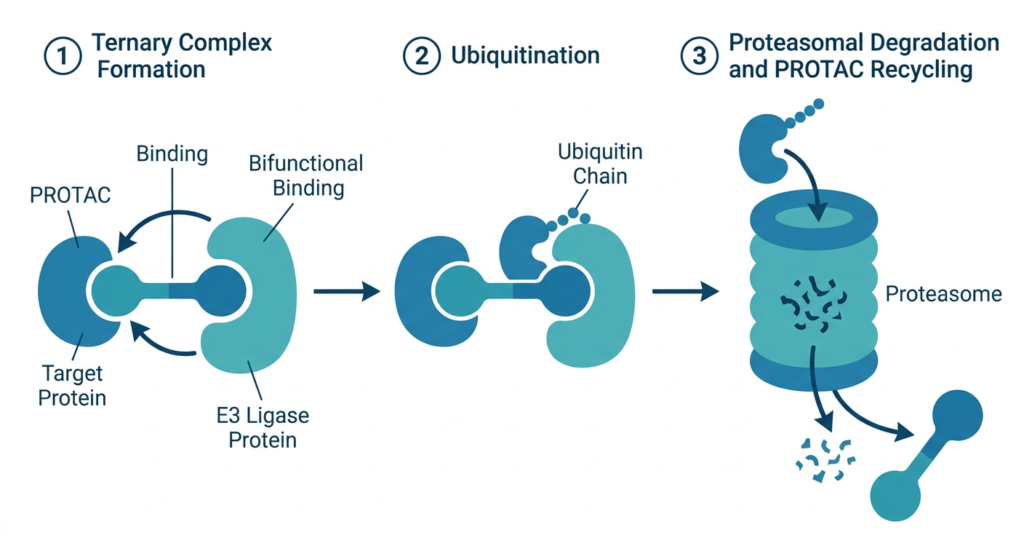
    PROTAC stands for PROteolysis TArgeting Chimera. It is a bifunctional molecule: one end binds to the cancer-driving target protein (in vepdegestrant’s case, the estrogen receptor), and the other end recruits an E3 ubiquitin ligase. This ligase is part of the cell’s own protein disposal machinery, the ubiquitin-proteasome system. When both ends of the PROTAC connect their respective targets, the cell’s disposal machinery tags the cancer protein with ubiquitin chains. The tagged protein is then threaded through the proteasome, essentially a molecular shredder, and destroyed.

    Once the protein is degraded, the PROTAC is released and can recruit the next copy of the target protein for destruction. This catalytic recycling means each PROTAC molecule can degrade multiple copies of the target, potentially making high drug concentrations less necessary. Because the mechanism destroys the protein rather than occupying its active site, resistance through active-site mutation is far harder. The tumor cannot mutate away from destruction the way it can mutate away from blockade.
    FeatureTraditional inhibitor (e.g., fulvestrant)PROTAC (vepdegestrant)
    MechanismBinds to and blocks target protein functionRecruits cell’s own disposal machinery to degrade target protein entirely
    Target protein after treatmentPresent but inhibitedEliminated
    Resistance pathwayActive-site mutations allow escapeHarder to mutate away from degradation
    Drug efficiencyMust maintain continuous occupancy (stoichiometric)Each molecule can be recycled (catalytic)
    Druggability rangeRequires accessible active siteCan target proteins without conventional drug-binding pockets
    AdministrationIntramuscular injection (fulvestrant)Oral, once daily (vepdegestrant)

    The VERITAC-2 Trial: What the Data Shows and What It Doesn’t

    The FDA approval is based on data from VERITAC-2 (NCT05654623), a global, randomized, open-label Phase 3 trial. It enrolled 624 patients with ER+/HER2- advanced or metastatic breast cancer whose disease had progressed on prior CDK4/6 inhibitor plus endocrine therapy. Patients were stratified by ESR1 mutation status and presence of visceral disease, then randomized 1:1 to receive vepdegestrant 200 mg orally once daily or fulvestrant 500 mg by intramuscular injection. VERITAC-2 data were presented at the 2025 ASCO Annual Meeting and simultaneously published in The New England Journal of Medicine.

    Efficacy results

    EndpointVepdegestrantFulvestrant
    ESR1-mutated subpopulation (n=270)
    Median PFS (BICR)5.0 months (95% CI 3.7 to 7.4)2.1 months (95% CI 1.9 to 3.5)
    Hazard ratio0.58 (95% CI 0.43 to 0.78)Reference
    p-valueless than 0.001
    Risk reduction43%
    Treatment ongoing at analysis33%12%
    Overall population (ITT, n=624)
    Median PFS (BICR)3.8 months (95% CI 3.7 to 5.3)3.6 months (95% CI 2.6 to 4.0)
    Hazard ratio (ITT)0.83 (95% CI 0.69 to 1.01)Reference
    p-value (ITT)0.07, NOT statistically significant
    Overall survivalImmature at analysis

    Source: Hamilton E et al. Vepdegestrant, a PROTAC Estrogen Receptor Degrader, in Advanced Breast Cancer. NEJM. 2025. doi:10.1056/NEJMoa2505725

    The ITT miss is the most important nuance in this dataset The VERITAC-2 trial had two primary endpoints: PFS in the ESR1-mutated subpopulation and PFS in the overall intent-to-treat (ITT) population. Vepdegestrant met the first. It did not meet the second: overall ITT PFS was 3.8 versus 3.6 months (HR 0.83, p=0.07), which missed statistical significance. This matters for how the FDA scoped the approval. The indication is specifically for patients with ESR1-mutated tumors, not all comers with ER+/HER2- advanced disease. The drug does not appear to add meaningful benefit in the absence of this mutation. This pattern has been seen before: elacestrant (Orserdu), the currently approved oral SERD for this population, similarly showed its benefit confined to the ESR1-mutated subgroup in the EMERALD trial. The biology makes sense: patients whose tumors don’t carry ESR1 mutations are progressing through other resistance mechanisms that ESR1-targeting drugs don’t address. The clinical implication is that biomarker testing is not optional here. ESR1 mutation status is the selection criterion.

    Safety Profile: What the Trial Showed

    Vepdegestrant was generally well tolerated, with no unexpected safety signals in VERITAC-2. The FDA label includes important warnings about QTc interval prolongation and embryo-fetal toxicity that clinicians and patients should be aware of.

    Adverse EventVepdegestrantFulvestrant
    Fatigue (all grade)26.6 to 27%16%
    Elevated ALT (all grade)14.4%10%
    Elevated AST (all grade)14.4%10%
    Nausea (all grade)13%9%
    Grade 3 or higher adverse events23.4%17.6%
    Treatment discontinuation due to AEs2.9%0.7%
    QTc prolongationSignal present; routine monitoring required per labelNot a labeled concern
    New or unexpected safety signalsNone identified

    The elevated liver enzyme findings (ALT and AST) were predominantly low-grade and did not commonly lead to discontinuation. Fatigue at 27% versus 16% is meaningfully higher than with fulvestrant and worth discussing with patients proactively. The QTc prolongation signal in the label requires routine electrocardiogram monitoring during treatment, particularly when vepdegestrant is used in combination with other QTc-prolonging agents. The 2.9% discontinuation rate due to adverse events, while slightly higher than fulvestrant’s 0.7%, remains low in absolute terms for a heavily pre-treated metastatic population.


    Where Vepdegestrant Fits: The ESR1-Mutated Treatment Landscape

    Vepdegestrant is not the first drug developed specifically for ESR1-mutated ER+ metastatic breast cancer, but it is the first PROTAC in this space. Understanding where it sits relative to elacestrant requires knowing the current options.

    DrugClassFDA StatusKey Trial
    Fulvestrant (Faslodex)SERD (injection)Approved, current standardMultiple trials; no ESR1-specific indication
    Elacestrant (Orserdu)Oral SERDApproved January 2023, ESR1-mutated ER+/HER2- MBCEMERALD: PFS 2.8 vs 1.9 months (ESR1m), HR 0.55
    Vepdegestrant (Veppanu)Oral PROTAC ER degraderApproved May 1, 2026, ESR1-mutated ER+/HER2- MBCVERITAC-2: PFS 5.0 vs 2.1 months (ESR1m), HR 0.58

    The natural comparison is to elacestrant, the only previously approved oral SERD for ESR1-mutated ER+ metastatic breast cancer. Elacestrant showed PFS of 2.8 versus 1.9 months in the ESR1-mutated population of EMERALD (HR 0.55). Vepdegestrant showed 5.0 versus 2.1 months (HR 0.58). The numerics look more favorable for vepdegestrant, but these are separate trials with different patient populations, different prior treatment histories, and different control arms. Cross-trial comparisons are unreliable and should not be used to conclude one drug is superior to the other. No head-to-head trial exists.

    What the landscape now offers is two approved oral options in the ESR1-mutated second-line setting, with different mechanisms and safety profiles. The sequencing question — which drug to use in which patient, and what comes after progression on either — is one the field will be working through over the next several years as real-world experience accumulates.

    For a detailed analysis of how the vepdegestrant approval compares to the same-day ODAC vote against camizestrant, and what both decisions reveal about ctDNA-guided treatment strategies, see our post: The FDA Said Yes to One ESR1 Drug and No to Another.


    Beyond Vepdegestrant: Why a PROTAC Approval Matters for All of Cancer Medicine

    The significance of vepdegestrant’s approval extends well beyond this particular drug and patient population. Dozens of PROTAC candidates are currently in clinical development for a range of cancers, and this first approval validates the entire platform in a way that decades of academic research could not.

    The PROTAC approach is particularly promising for what oncologists call “undruggable” targets, proteins that drive cancer growth but don’t have accessible pockets for conventional inhibitors. Mutant KRAS, certain transcription factors, and specific fusion proteins have resisted decades of drug development attempts. PROTAC-based degradation sidesteps the binding-site requirement, potentially making these targets approachable for the first time.

    In breast cancer specifically, ongoing trials are exploring vepdegestrant in combination with CDK4/6 inhibitors. The VERITAC-1 Phase 1/2 study established tolerability for the vepdegestrant plus palbociclib combination. If vepdegestrant demonstrates durable benefit in combination regimens, the scope of its utility could expand significantly beyond the current second-line monotherapy setting.


    What This Means for Patients Right Now

    Vepdegestrant (Veppanu) is now FDA-approved and commercially available. Here is what patients navigating ER+/HER2- metastatic breast cancer should know:

    • If you have ER+/HER2- metastatic breast cancer and have progressed on CDK4/6 inhibitor-based therapy: ask your oncologist whether your tumor has been tested for ESR1 mutations via ctDNA liquid biopsy. This is increasingly the standard of care and directly affects which therapies are appropriate. The Guardant360 CDx is the FDA-approved companion diagnostic for this indication.
    • If you already have an ESR1 mutation documented: both elacestrant (Orserdu) and vepdegestrant (Veppanu) are now approved options in this setting. Discuss with your oncologist which is appropriate for your situation.
    • If you are in earlier lines of treatment: vepdegestrant is specifically approved for patients who have already received CDK4/6 inhibitor plus endocrine therapy. It is not a first-line option.
    • Do not wait to have the ESR1 testing conversation. Whether or not you are currently considering vepdegestrant, ESR1 mutation status is clinically actionable today because of both approved agents.

    The treatment landscape for ER+/HER2- metastatic breast cancer is evolving faster than at any point in the past decade. The key resources for staying current include NCCN Clinical Practice Guidelines, the Metastatic Breast Cancer Alliance, and Living Beyond Breast Cancer, which maintains patient-facing resources on ESR1 mutations, ctDNA testing, and treatment options in the endocrine-resistant setting.


    Sources

    FDA approval: FDA approves vepdegestrant for ER-positive, HER2-negative, ESR1-mutated advanced or metastatic breast cancer. FDA.gov. May 1, 2026.

    NEJM primary publication: Hamilton E et al. Vepdegestrant, a PROTAC Estrogen Receptor Degrader, in Advanced Breast Cancer. New England Journal of Medicine. 2025. doi:10.1056/NEJMoa2505725

    VERITAC-2 trial registration: NCT05654623. ClinicalTrials.gov.

    Arvinas FDA approval announcement: Arvinas Announces FDA Approval of VEPPANU (vepdegestrant). GlobeNewswire. May 1, 2026.

    AJMC approval coverage: FDA Approves Vepdegestrant for ESR1-Mutated, ER-Positive, HER2-Negative Advanced Breast Cancer. AJMC. May 2026.

    VERITAC-2 study design (PMC): VERITAC-2: a Phase III study of vepdegestrant, a PROTAC ER degrader, versus fulvestrant in ER+/HER2- advanced breast cancer. PMC11524203.

    ESR1 mutation prevalence: Comprehensive genomic profiling of ESR1 in HR+/HER2- MBC. PMC11420341.

    Nature Reviews Clinical Oncology: PROTAC SERD vepdegestrant outperforms fulvestrant for advanced-stage ER+HER2- breast cancer harbouring acquired ESR1 mutations. Nat Rev Clin Oncol. 2025. doi:10.1038/s41571-025-01062-6

    Elacestrant FDA approval: FDA approves elacestrant for ER-positive, HER2-negative, ESR1-mutated breast cancer. FDA.gov. January 2023.

    Patient resources: NCCN Guidelines | MBC Alliance | Living Beyond Breast Cancer | Guardant360 CDx information

    Disclaimer: Health Evidence Digest provides general information about clinical trials and FDA regulatory processes for educational purposes. This content is not a substitute for professional medical advice. Treatment decisions for metastatic breast cancer should be made in close consultation with a qualified oncologist who can account for your individual diagnosis, tumor characteristics, and treatment history.

  • You May Be Able to Test Yourself for Cervical Cancer Risk. New 2026 Screening Guidelines Explained.

    You May Be Able to Test Yourself for Cervical Cancer Risk. New 2026 Screening Guidelines Explained.


    The key update at a glance On January 5, 2026, updated Women’s Preventive Services Guidelines added self-collection as a recognized option for cervical cancer screening. Women ages 30 to 65 at average risk can now collect their own vaginal sample for high-risk HPV (hrHPV) testing without a clinician-performed pelvic exam. hrHPV testing is designated as the preferred screening approach for this age group. The update was published in JAMA and is effective immediately. A companion insurance coverage requirement covering follow-up testing after a positive result takes effect January 1, 2027. This post explains what changed, who it applies to, and what to do now.

    Cervical cancer is one of the most preventable cancers we have. Screening works. The HPV vaccine works. And yet, in the United States, roughly 13,000 women are diagnosed with cervical cancer each year, and about 4,000 die from it. Most of those women were either never screened or hadn’t been screened recently enough.

    The barriers are real: no insurance, no regular doctor, not enough time, anxiety about pelvic exams, or living too far from a clinic that offers them. For a lot of women, the Pap smear is not inaccessible in theory. It’s inaccessible in practice.

    New guidelines published on January 5, 2026, updated the Women’s Preventive Services Guidelines to include self-collection as an option for cervical cancer screening. Women ages 30 to 65 at average risk can now collect their own vaginal sample for hrHPV testing. The update was published in JAMA and is effective immediately.

    Here is what the updated guidelines actually say, what the science behind HPV-based screening shows, and what this change means in practical terms for women who are overdue for screening.


    What Changed: The Key Updates in Plain Language

    The updated HRSA guideline designates high-risk HPV (hrHPV) testing as the preferred screening modality for average-risk women ages 30 to 65, whether collected by the patient or a clinician, while retaining the option for cervical cytology (Pap) testing. For average-risk women ages 21 to 29, cervical cancer screening using cervical cytology remains the recommendation. No change for that group.

    The insurance coverage piece is equally significant. The guideline includes new language requiring most insurance plans to cover any additional testing needed to complete the screening process after an abnormal result, with coverage beginning January 1, 2027.

    What Changed in the January 2026 HRSA UpdateWhat It Means for Patients
    Self-collection is now a recognized option for average-risk women ages 30 to 65You can collect your own vaginal sample for hrHPV testing without a clinician-performed pelvic exam
    hrHPV testing designated as preferred screening method for women ages 30 to 65HPV testing every 5 years is the primary recommended approach for this age group; the Pap remains available
    Women ages 21 to 29 continue to screen with Pap smear every 3 yearsNo change for this age group
    Insurance coverage for follow-up testing required from January 1, 2027Colposcopy, biopsy, and follow-up after an abnormal result will be required to be covered by most plans

    A note on guideline bodies: The American Cancer Society has separately recommended hrHPV-primary screening starting at age 25 since 2020. That is existing guidance, not a 2026 change. The January 2026 HRSA update discussed throughout this post applies specifically to women ages 30 to 65. If you are between 25 and 29, ask your provider about hrHPV testing options, because your age group sits at the intersection of two different guideline recommendations.


    Why HPV Testing Instead of the Pap Smear?

    This is worth understanding, because many women are more familiar with the Pap smear, and the shift to HPV-primary screening is not just a convenience update. It reflects a genuinely better test for this purpose.

    Cervical cancer is caused almost entirely by persistent infection with high-risk strains of human papillomavirus (HPV). Not every HPV infection causes cancer; most clear on their own. But when certain high-risk strains (HPV 16 and 18 are the most dangerous) persist in cervical cells over time, they can trigger changes that progress to cancer if not detected and treated.

    The Pap smear detects abnormal cell changes that have already happened. HPV testing detects the underlying viral cause before those changes necessarily occur. This is why HPV testing catches more cases earlier, generates fewer false negatives, and allows for longer intervals between screenings.

    TestWhat It DetectsScreening IntervalSensitivity for CIN2+Self-Collection Validated?
    Pap smear (cytology)Abnormal cervical cellsEvery 3 years (ages 21 to 65)~55 to 60%No, clinician collection required
    hrHPV test aloneHigh-risk HPV strainsEvery 5 years (ages 25 to 65 per ACS; 30 to 65 per HRSA)~90 to 95%Yes
    Co-test (Pap + HPV)BothEvery 5 years (ages 30 to 65)HighPartial

    Sensitivity estimates for CIN2+ detection based on meta-analyses including Koliopoulos et al., Cochrane Database of Systematic Reviews, 2017 and subsequent validation studies.


    How Self-Collection Works

    Self-collected samples for HPV testing use a vaginal swab, not a cervical swab. This is an important distinction. You are not performing a Pap smear on yourself. You are collecting cells from the vaginal wall, which also carry HPV and have been validated in extensive research as an accurate way to detect high-risk strains.

    In clinical validation studies, self-collected vaginal samples detect high-risk HPV with sensitivity comparable to clinician-collected cervical samples, particularly for detecting CIN2+ (the precancerous cell changes that matter most for preventing cancer).

    How it works in practice:

    1. A self-collection kit contains a vaginal swab, similar in size and feel to a tampon applicator.
    2. You insert the swab a few inches into the vagina, rotate it, and remove it.
    3. The swab is sealed in the provided container and either mailed to a lab or returned to a clinic.
    4. The sample is tested for high-risk HPV strains.

    Most women describe the process as quick and straightforward. No speculum. No stirrups. No need to undress.

    Self-collection kits are not yet universally available through all U.S. healthcare systems. The 2026 guidelines establish the framework, but distribution will expand over time. The insurance coverage requirement starting in 2027 is expected to accelerate availability.


    Who These Guidelines Apply To

    Women ages 30 to 65 at average risk are the primary group for whom self-collection is now a recognized option. “Average risk” means no history of high-grade cervical precancer or cervical cancer, no immunocompromising conditions such as HIV, and no prior DES exposure in utero.

    Women ages 21 to 29: No change. Pap smear every 3 years remains the recommendation. Self-collection is not recommended for this group because HPV infections in younger women are more commonly transient, and the Pap smear, which detects actual cell changes, is more clinically actionable for this age group.

    Women ages 25 to 29, a note on the ACS guideline: The American Cancer Society’s preferred approach recommends hrHPV-primary testing starting at age 25. If you are in this age range and interested in HPV testing rather than a Pap smear, talk to your provider. The 2026 HRSA update does not cover this group for self-collection, but the ACS guideline supports HPV-primary screening beginning at 25 with clinician-collected samples.

    Women with higher-than-average risk (HIV, history of cervical cancer, immunosuppression) require individualized schedules. These general guidelines do not apply to them.

    Women who have had a hysterectomy that removed the cervix and have no history of cervical cancer or high-grade lesions generally do not need routine cervical cancer screening. Confirm with your provider.


    What About the Insurance Coverage Change?

    Previously, most insurance plans covered the initial screening test at no cost under the ACA. But if that test came back abnormal and required follow-up, such as a colposcopy, genotyping, or biopsy, patients often owed cost-sharing for those procedures. This created a situation where the screening was free but the follow-up it triggered was not, and some women skipped follow-up care as a result.

    The updated guideline now includes language requiring most insurance plans to cover the additional testing needed to complete the screening process, with coverage beginning January 1, 2027.

    This removes a key financial barrier. If your hrHPV test comes back positive, you should no longer face unexpected bills for the colposcopy or biopsy it necessitates, at least not starting next year.


    Why This Matters for Screening Equity

    Cervical cancer rates in the United States are not evenly distributed. Black women and Hispanic women have higher cervical cancer incidence and mortality rates than white women. Women in rural areas and women without a primary care provider are less likely to be up to date on screening.

    Self-collection directly addresses several of these gaps. It removes the requirement for a clinical pelvic exam, which is a barrier for women who have experienced trauma, women who avoid clinical settings for cultural reasons, and women in areas with provider shortages. It enables screening to happen at home, through mailed kits, at community health events, or in non-clinical settings.

    Research supports this. Studies in underscreened populations have consistently found that offering self-collection substantially increases participation. In some analyses, uptake increased by more than double compared to standard clinic-based reminders alone.

    This guideline change is part of a broader shift in women’s health toward evidence-based updates that close access gaps. The same pattern is visible in other areas: earlier this year, ACOG updated its diagnostic guidance for endometriosis to remove the requirement for surgical confirmation before treatment begins, reducing barriers for women who had been undertreated for years. We covered that development and what it means for the endometriosis treatment pipeline here.


    A Note on the HPV Vaccine

    Screening guidelines are separate from vaccination, but they are part of the same prevention story. The HPV vaccine (Gardasil 9) protects against the high-risk strains most likely to cause cervical cancer. It is recommended for all children at age 11 or 12, teens and young adults through age 26 who were not vaccinated earlier, and adults ages 27 to 45 on a shared decision-making basis.

    Vaccination does not eliminate the need for screening. Even vaccinated women should continue following cervical cancer screening guidelines, because the vaccine does not protect against all HPV strains and does not help those who were already infected before vaccination.


    What to Do Now

    If you are a woman between 30 and 65 and have not been screened in the last 5 years, this is the right moment.

    • Contact your primary care provider or OB-GYN and ask about hrHPV testing, including whether self-collection is available through their practice.
    • If you don’t have a regular provider, community health centers offer cervical cancer screening regardless of insurance status.
    • Ask specifically about self-collection kits. Availability is expanding but not yet universal.
    • If you are ages 21 to 29, follow the current Pap smear recommendation: every 3 years.
    • If your test comes back positive, follow up. Starting in 2027, most insurance plans are required to cover that follow-up testing.

    Quick Reference: 2026 Cervical Cancer Screening by Age

    Age groupRecommendation
    Ages 21 to 29Pap smear every 3 years. Self-collection not recommended.
    Ages 25 to 29 (ACS guideline)hrHPV testing every 5 years with clinician-collected sample is the ACS preferred approach. Discuss with your provider.
    Ages 30 to 65 (HRSA 2026 update)hrHPV testing every 5 years. Self-collection now a recognized option.
    Ages 30 to 65 (alternative)Pap + HPV co-test every 5 years, or Pap alone every 3 years.
    Over 65May be able to stop if adequately screened in the prior 10 years. Confirm with provider.

    Sources

    HRSA press release: New Cervical Cancer Screening Guidelines Strengthen Women’s Preventive Health. January 5, 2026.

    Federal Register: Update to the Women’s Preventive Services Guidelines. January 5, 2026.

    JAMA publication: jamanetwork.com/journals/jama/fullarticle/2843501

    AACR Blog: Updated Guidelines Can Help Make Cervical Cancer Screening and HPV Vaccination More Convenient. January 12, 2026.

    American Cancer Society guidelines: cancer.org/cancer/types/cervical-cancer

    Sensitivity data: Koliopoulos G, et al. Cytology versus HPV testing for cervical cancer screening in the general population. Cochrane Database of Systematic Reviews. 2017.

    Find a health center: findahealthcenter.hrsa.gov

    Disclaimer: Health Evidence Digest provides general information about screening guideline updates and health research for educational purposes. This content is not a substitute for professional medical advice. Cervical cancer screening decisions should be made in consultation with a qualified healthcare provider based on your individual health history.

  • A Historic First: FDA Approves Immunotherapy for Platinum-Resistant Ovarian Cancer — What the KEYNOTE-B96 Data Tells Us

    A Historic First: FDA Approves Immunotherapy for Platinum-Resistant Ovarian Cancer — What the KEYNOTE-B96 Data Tells Us

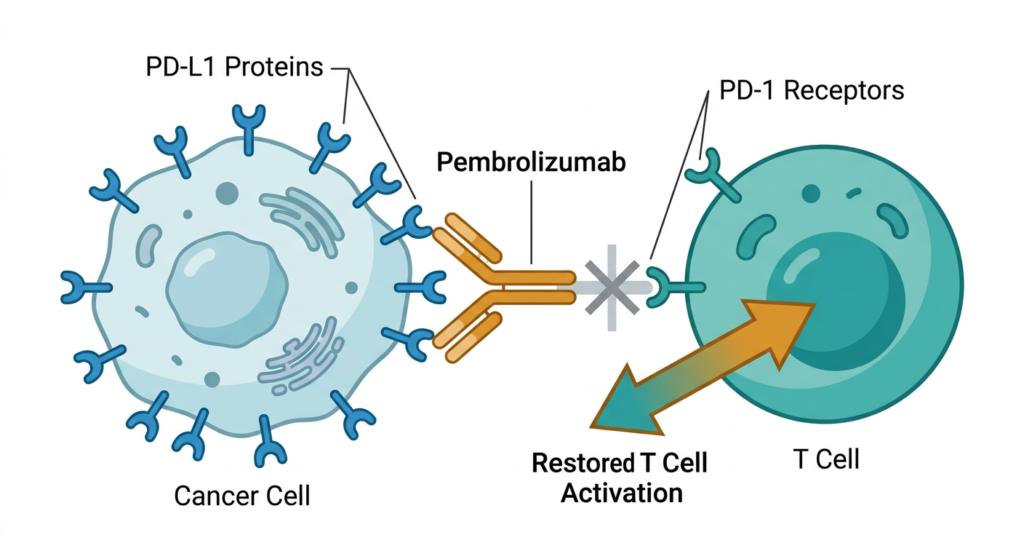
    📌 The essentials On February 10, 2026, the FDA approved pembrolizumab (Keytruda, Merck) in combination with paclitaxel, with or without bevacizumab, for adult patients with platinum-resistant epithelial ovarian, fallopian tube, or primary peritoneal carcinoma whose tumors express PD-L1 (combined positive score, or CPS, of at least 1). The approval covers patients who have received one or two prior lines of systemic therapy. This is the first FDA-approved immunotherapy for ovarian cancer in history. The clinical basis: KEYNOTE-B96/ENGOT-ov65 (NCT05116189), a randomized, double-blind, placebo-controlled Phase 3 trial in 643 patients, showed median overall survival of 18.2 months versus 14.0 months with placebo (HR 0.76; p=0.0053) in the PD-L1 CPS of 1 or higher population. The first statistically significant OS benefit ever demonstrated by an immune checkpoint inhibitor in ovarian cancer. A companion diagnostic requirement: Tumor testing with the PD-L1 IHC 22C3 pharmDx assay confirming CPS of 1 or higher is required before treatment. This is a requirement, not a recommendation.

    Ovarian cancer has resisted immunotherapy for decades. Every major trial of immune checkpoint inhibitors in this disease came back negative or borderline, results that didn’t survive longer follow-up. The field watched other gynecologic cancers, particularly cervical and endometrial, respond to PD-1 blockade while ovarian cancer remained stubbornly outside that story.

    That changed on February 10, 2026.

    The FDA approved pembrolizumab (Keytruda, Merck) in combination with paclitaxel, with or without bevacizumab, for adult patients with platinum-resistant epithelial ovarian, fallopian tube, or primary peritoneal carcinoma whose tumors express PD-L1 (CPS of at least 1). The approval covers patients who have received one or two prior lines of systemic therapy.

    It is the first FDA-approved immunotherapy for ovarian cancer in history.

    This post covers what platinum resistance means and why it matters, what KEYNOTE-B96 showed across its primary and key secondary endpoints, how to read the survival data carefully, what the companion diagnostic approval means in practice, and what questions are still open.


    Platinum Resistance: Why This Setting Is So Hard to Treat

    Most women with advanced ovarian cancer respond well to their first-line treatment, typically surgery followed by platinum-based chemotherapy, often combined with a taxane and increasingly with PARP inhibitors as maintenance. Response rates in the frontline setting can exceed 70 to 80%.

    The problem is recurrence. About 70 to 80% of patients with advanced ovarian cancer relapse after initial treatment. When recurrence happens, the most important prognostic factor is how quickly it occurs after the last platinum therapy. Patients whose disease progresses more than six months after platinum are classified as platinum-sensitive and can be retreated with platinum. Patients whose disease progresses within six months are classified as platinum-resistant.

    Platinum resistance is a watershed moment in the treatment arc. Non-platinum options, including weekly paclitaxel, pegylated liposomal doxorubicin, gemcitabine, and bevacizumab, produce response rates in the 10 to 20% range and median progression-free survival measured in months. Median overall survival in platinum-resistant ovarian cancer has historically ranged from roughly 12 to 16 months. These patients carry significant unmet need, and the disease is hard to control with anything currently available.

    That is the context in which the KEYNOTE-B96 results need to be understood.


    The KEYNOTE-B96 Trial: Design and Patient Population

    KEYNOTE-B96 (also known as ENGOT-ov65, NCT05116189) was a multicenter, randomized, double-blind, placebo-controlled Phase 3 trial enrolling 643 patients with histologically confirmed epithelial ovarian, fallopian tube, or primary peritoneal carcinoma. Eligibility required:

    • Platinum-resistant disease, defined as radiographic progression within six months of the last platinum-based regimen
    • One or two prior lines of systemic therapy for ovarian carcinoma
    • At least one prior platinum-based chemotherapy regimen
    • Measurable disease by RECIST v1.1

    Patients with primary platinum-refractory disease, meaning progression during or immediately after first-line platinum, were excluded.

    Patients were randomized 1:1 to pembrolizumab plus weekly paclitaxel (80 mg/m² on days 1, 8, and 15 of each 3-week cycle), with or without bevacizumab (10 mg/kg every two weeks), or placebo plus the same backbone. Bevacizumab use was at investigator’s discretion and was a stratification factor. Stratification also included geographic region and PD-L1 expression by CPS.

    The primary endpoint was investigator-assessed progression-free survival (PFS) by RECIST v1.1, evaluated first in the PD-L1 CPS of 1 or higher population, then in the ITT population. Overall survival was a key secondary endpoint.

    What is PD-L1 CPS and why does it determine eligibility? PD-L1 Combined Positive Score (CPS) measures PD-L1 protein expression across tumor cells, tumor-associated lymphocytes, and macrophages. A CPS of 1 or higher means at least 1 PD-L1-staining cell per 100 tumor cells was detected. This is a relatively low threshold: in KEYNOTE-B96, approximately 466 of 643 patients (roughly 72%) had CPS of 1 or higher. The FDA approval is restricted to CPS of 1 or higher patients, where both PFS and OS benefits were demonstrated. The ITT population also showed significant PFS improvement, but the OS benefit was most clearly established in the CPS of 1 or higher group. This matters in practice: before receiving this regimen, a patient’s tumor must be tested with the FDA-approved companion diagnostic, the PD-L1 IHC 22C3 pharmDx assay, and return a CPS of 1 or higher result. This is a requirement, not a recommendation.

    The Results: Progression-Free Survival and Overall Survival

    The trial conducted two pre-specified interim analyses. The second (IA2), with a data cutoff of May 5, 2025, was presented at ESMO Congress 2025 in Berlin in October 2025 and formed the basis for the February 2026 FDA approval. Final OS data were subsequently published in The Lancet in April 2026.

    Progression-Free Survival

    In the PD-L1 CPS of 1 or higher population (n=466), median PFS was 8.3 months with pembrolizumab versus 7.2 months with placebo, with a hazard ratio of 0.72 (95% CI 0.58 to 0.89; p=0.0014). The 12-month PFS rate was 35.2% for pembrolizumab versus 22.6% for placebo.

    In the ITT population (all 643 patients), median PFS was 8.3 versus 6.4 months (HR 0.70; 95% CI 0.58 to 0.84; p less than 0.0001), with 12-month PFS rates of 33.1% versus 21.3%.

    These are statistically significant and clinically meaningful improvements in a setting where six months of progression-free survival is often considered a reasonable benchmark.

    Overall Survival

    Among the 466 PD-L1 CPS of 1 or higher patients, median OS was 18.2 months in the pembrolizumab arm versus 14.0 months with placebo, a hazard ratio of 0.76 (95% CI 0.61 to 0.94; p=0.0053). The 12-month OS rate was 69.1% versus 59.3%. The 18-month OS rate was 51.5% versus 38.9%.

    A four-month improvement in median OS. The first statistically significant overall survival benefit ever shown by an immune checkpoint inhibitor in ovarian cancer.

    EndpointPembrolizumab plus chemoPlacebo plus chemoHR (95% CI)P-value
    Median PFS (CPS of 1 or higher)8.3 months7.2 months0.72 (0.58 to 0.89)0.0014
    Median PFS (ITT)8.3 months6.4 months0.70 (0.58 to 0.84)less than 0.0001
    Median OS (CPS of 1 or higher)18.2 months14.0 months0.76 (0.61 to 0.94)0.0053
    12-month OS (CPS of 1 or higher)69.1%59.3%
    18-month OS (CPS of 1 or higher)51.5%38.9%

    Source: KEYNOTE-B96/ENGOT-ov65 Phase 3 trial, IA2 (data cutoff May 5, 2025). Final OS data: The Lancet, April 2026. FDA approval: February 10, 2026.


    How to Read These Numbers Carefully

    A four-month improvement in median OS is real and clinically meaningful in this setting, particularly given the historical absence of any survival benefit from immunotherapy in ovarian cancer. But it is worth understanding what the numbers do and don’t tell us.

    The hazard ratio of 0.76 means that at any given point during the trial, patients in the pembrolizumab arm had a 24% lower risk of death than those in the placebo arm. This is not a cure. It is a reduction in the rate of events that translates into prolonged survival for a meaningful portion of patients. The 18-month OS rate shifting from 38.9% to 51.5% is the clearest way to see this: at 18 months, roughly one in eight additional patients were alive in the pembrolizumab arm compared to the placebo arm.

    The approval is restricted to CPS of 1 or higher. About 72% of patients in KEYNOTE-B96 met this threshold, so most platinum-resistant ovarian cancer patients would be eligible for testing, but not all will test positive.

    Median survival describes the midpoint of the distribution, not individual patient outcomes. Some patients in the pembrolizumab arm had substantially longer survival than 18 months. The final OS data from The Lancet publication provides a clearer view of the tail of the survival curve, which will help clarify whether there is a subset of patients with especially durable benefit, the pattern that checkpoint inhibitors sometimes produce in other tumors.


    The Companion Diagnostic: What the PD-L1 Test Means in Practice

    The FDA simultaneously approved the PD-L1 IHC 22C3 pharmDx assay (Agilent Technologies) as a companion diagnostic for identifying eligible patients. Tumor PD-L1 testing confirming CPS of 1 or higher is required before treatment, not optional.

    The 22C3 pharmDx assay is the same companion diagnostic used in pembrolizumab approvals across multiple other tumor types, including cervical, endometrial, esophageal, and gastric cancers. At most academic medical centers and major oncology practices, this test is already part of the standard pathology workflow. At community oncology centers or in lower-resource settings, access to and turnaround time on the assay is a practical consideration worth discussing with the treating team.

    Tumor tissue for PD-L1 testing can come from the original diagnosis or a recurrence biopsy. Given that PD-L1 expression can change with disease progression, some oncologists may prefer more recently collected tissue, though the label does not mandate this.

    What about bevacizumab? The approved regimen is pembrolizumab plus paclitaxel, with or without bevacizumab. Bevacizumab (Avastin) is an anti-VEGF antibody with established activity in ovarian cancer, including in the platinum-resistant setting. Its use in KEYNOTE-B96 was at investigator discretion and was a stratification factor. Patients with contraindications to anti-VEGF therapy, such as certain cardiovascular risk factors, recent major surgery, a history of GI perforation, or significant proteinuria, can receive pembrolizumab plus paclitaxel without bevacizumab. Review the full Keytruda prescribing information for complete contraindication guidance.

    Why Previous Immunotherapy Trials in Ovarian Cancer Failed, and Why This One Didn’t

    The history of checkpoint inhibitor trials in ovarian cancer before KEYNOTE-B96 is largely a story of negative results. Earlier Phase 3 trials, including atezolizumab plus chemotherapy in frontline and maintenance settings, did not demonstrate meaningful survival improvements. Single-agent anti-PD-1 trials showed modest response rates of 10 to 15% in unselected ovarian cancer patients.

    Several factors likely contributed. Ovarian cancer has a relatively immunosuppressive tumor microenvironment, with high regulatory T cell infiltration, immunosuppressive cytokines, and ascites fluid that dampens immune activity. Tumor mutational burden is generally lower than in cancers like melanoma or lung cancer that respond robustly to checkpoint inhibitors. And earlier trials often did not select for PD-L1 expression.

    KEYNOTE-B96 made design choices that may have improved its chances. The combination with weekly paclitaxel, a metronomic dosing schedule thought to have immunomodulatory properties alongside its cytotoxic effects, may have made the tumor microenvironment more permissive to immune infiltration. The CPS of 1 or higher selection enriched for a more immunologically accessible population. These are mechanistic hypotheses with biological plausibility, not proven causal explanations, but they provide a rational basis for why this combination in this specific population succeeded where broader efforts did not.


    Safety: What Patients and Clinicians Need to Know

    The safety profile of the pembrolizumab combination in KEYNOTE-B96 was consistent with prior pembrolizumab trials. No new safety signals were identified.

    Pembrolizumab carries immune-mediated adverse reactions as a class, the consequence of broadly activating the immune system. These can affect virtually any organ system.

    Key immune-mediated risks:

    • Pneumonitis: inflammation of the lungs; monitor for new or worsening respiratory symptoms
    • Colitis: diarrhea and abdominal pain; may require corticosteroids or discontinuation
    • Hepatitis: elevated liver enzymes; regular LFT monitoring during treatment
    • Endocrinopathies: thyroid dysfunction, adrenal insufficiency, type 1 diabetes mellitus, hypophysitis
    • Nephritis: elevated creatinine; monitor renal function
    • Dermatologic reactions: rash, rare severe skin reactions including Stevens-Johnson syndrome

    Most immune-mediated adverse reactions are manageable with corticosteroids if caught early. The prescribing information outlines detailed management algorithms, including when to hold versus permanently discontinue pembrolizumab.

    Other warnings:

    Infusion-related reactions: fever, chills, hypotension, and bronchospasm are possible. Standard premedication and monitoring protocols apply.

    Embryo-fetal toxicity: pembrolizumab can cause fetal harm. Women of reproductive potential should use effective contraception during treatment and for at least four months after the final dose.

    Dosing:

    The approved pembrolizumab dose is 200 mg IV every three weeks or 400 mg IV every six weeks, until disease progression, unacceptable toxicity, or up to 24 months of treatment. Pembrolizumab is administered before paclitaxel and bevacizumab when given on the same day.

    Keytruda Qlex, a subcutaneous formulation combining pembrolizumab with berahyaluronidase alfa-pmph, was also approved. The subcutaneous dose is 395 mg/4,800 units every three weeks or 790 mg/9,600 units every six weeks, and can be administered in approximately five to ten minutes rather than the 30-minute IV infusion. For patients receiving multiple cycles over months of treatment, this is a real reduction in clinic time.


    Open Questions and the Road Ahead

    The KEYNOTE-B96 approval opens a new chapter in ovarian cancer treatment, but several clinical questions will shape how the approval is used in practice.

    How durable is the benefit?

    The final OS data in The Lancet provides longer follow-up than the interim analysis. The field will be watching for a favorable tail on the survival curve, the pattern suggesting a subset of patients achieve especially prolonged disease control, which checkpoint inhibitors produce in some tumor types.

    Does PD-L1 CPS fully capture who responds?

    CPS of 1 or higher is a broad threshold. Within the PD-L1-positive population there is likely meaningful heterogeneity in response. Future work will examine whether higher CPS thresholds, tumor mutational burden, microsatellite instability status, or tumor-infiltrating lymphocyte density can further refine patient selection.

    What about earlier lines of therapy?

    The positive KEYNOTE-B96 result will prompt investigators to ask whether pembrolizumab-containing regimens have a role in the frontline or maintenance setting in ovarian cancer. Several trials are already exploring this. The data in those settings will need to be evaluated on their own terms.

    Sequencing after progression on this regimen:

    The approval covers patients after one or two prior regimens. What comes next for patients who progress on pembrolizumab plus chemotherapy? The treatment landscape at third or later lines remains difficult, and ongoing trials will need to address sequencing questions. ClinicalTrials.gov is the primary resource for identifying open studies.

    Project Orbis: A Global Review Pathway This approval was reviewed under Project Orbis, an FDA Oncology Center of Excellence initiative enabling concurrent submission and review across multiple international regulatory agencies. For KEYNOTE-B96, FDA collaborated with Australia’s Therapeutic Goods Administration, Health Canada, and Switzerland’s Swissmedic. Project Orbis doesn’t mean all countries approve simultaneously; each agency makes its own decision. But it creates a framework for data sharing that can accelerate global access. The designation signals that review is underway or completed in partner countries.

    What This Means for Patients With Platinum-Resistant Ovarian Cancer

    For patients who have progressed after one or two lines of therapy and are now facing platinum-resistant disease, the conversation with their oncologist includes a genuinely new option for the first time. Pembrolizumab plus paclitaxel, with or without bevacizumab, is not a marginal refinement. It is the first regimen to improve overall survival in this population in a Phase 3 trial.

    The first step is PD-L1 testing. Patients whose disease has not been recently biopsied may want to discuss with their oncologist whether fresh tissue for biomarker testing is feasible and clinically appropriate at the time of progression.

    For related coverage of how immunotherapy and ADC approvals are expanding across gynecologic and breast cancers in 2026, see our posts on Dato-DXd in triple-negative breast cancer, vepdegestrant and the first PROTAC approval in oncology, and what the FDA’s contrasting decisions on camizestrant and vepdegestrant reveal about the future of ESR1-guided treatment.

    Patient advocacy organizations with resources for ovarian cancer include the Ovarian Cancer Research Alliance, the National Ovarian Cancer Coalition, and the Foundation for Women’s Cancer. All three maintain clinical trial databases and physician directories. Patients interested in trials evaluating pembrolizumab in earlier-line ovarian cancer settings can search for open studies at ClinicalTrials.gov.


    Sources

    FDA approval: FDA Approves Pembrolizumab with Paclitaxel for Platinum-Resistant Epithelial Ovarian, Fallopian Tube, or Primary Peritoneal Carcinoma. February 10, 2026. FDA.gov.

    KEYNOTE-B96 trial registration: NCT05116189. ClinicalTrials.gov.

    ESMO 2025 abstract: Colombo N et al. Pembrolizumab vs Placebo Plus Weekly Paclitaxel plus/minus Bevacizumab in Platinum-Resistant Recurrent Ovarian Cancer. LBA3. ESMO Congress 2025, Berlin, October 2025.

    Final OS publication: KEYNOTE-B96/ENGOT-ov65 final overall survival analysis. The Lancet. April 2026.

    Merck press release: Merck Announces Phase 3 KEYNOTE-B96 Trial Met Primary Endpoint of Progression-Free Survival. May 2025. merck.com.

    OncLive approval coverage: KEYNOTE-B96 Approval Reinforces the Shift Toward Biomarker-Driven Treatment in Recurrent PROC. OncLive. March 2026.

    Clinical review: The role of chemo-immunotherapy in platinum-resistant ovarian cancer in light of the KEYNOTE-B96 trial. PubMed Central.

    Keytruda prescribing information: Keytruda (pembrolizumab) and Keytruda Qlex Prescribing Information. Merck. 2026.

    Keytruda Qlex FDA approval: FDA approves pembrolizumab and berahyaluronidase alfa-pmph (Keytruda Qlex) for multiple indications.

    Companion diagnostic: PD-L1 IHC 22C3 pharmDx. FDA list of cleared or approved companion diagnostics.

    Project Orbis: Project Orbis. FDA Oncology Center of Excellence.

    Patient resources: Ovarian Cancer Research Alliance | National Ovarian Cancer Coalition | Foundation for Women’s Cancer | ClinicalTrials.gov

    Disclaimer: Health Evidence Digest provides general health and regulatory information for educational purposes. This content is not a substitute for professional medical advice, diagnosis, or treatment. Treatment decisions for ovarian cancer should be made in consultation with a board-certified gynecologic oncologist experienced in managing platinum-resistant disease.
  • Sarclisa Is Already Approved for Multiple Myeloma. Now Sanofi Wants to Deliver It Without the IV. The Phase 3 Evidence Behind That Ambition.

    Sarclisa Is Already Approved for Multiple Myeloma. Now Sanofi Wants to Deliver It Without the IV. The Phase 3 Evidence Behind That Ambition.

    📌 The essentials On April 22, 2026, Sanofi announced that the FDA extended by up to three months the target action date for its review of Sarclisa subcutaneous (SC), a new formulation of isatuximab-irfc (Sarclisa) designed to replace IV infusion with an on-body injector (OBI). The revised PDUFA date is July 23, 2026. The extension is a delay, not a rejection. The clinical basis: The Phase 3 IRAKLIA trial (NCT05405166), published in the Journal of Clinical Oncology, demonstrated non-inferiority of Sarclisa SC versus Sarclisa IV across all co-primary and key secondary endpoints, including a striking reduction in infusion-related reactions from 25% (IV) to 1.5% (SC). EU status: The EMA’s CHMP issued a positive opinion recommending approval of Sarclisa SC on March 26, 2026. If the FDA approves, Sarclisa SC would become the first anticancer treatment ever administered through an on-body injector.

    Multiple myeloma is the second most common blood cancer. It is not curable for most patients, which means that the drugs used to treat it and the manner in which they are delivered become part of a patient’s life for the long term. Infusion-based regimens, administered intravenously in a clinical setting, require patients to spend hours in infusion chairs, sometimes repeatedly across months or years of treatment. For a drug like Sarclisa (isatuximab-irfc), which is given weekly during the first treatment cycle and biweekly thereafter, that burden is substantial and ongoing.

    On April 22, 2026, Sanofi announced that the FDA has extended by up to three months the target action date for its review of Sarclisa subcutaneous (SC), a new formulation designed to replace the IV infusion with an on-body injector, or OBI. The revised PDUFA date is July 23, 2026. The extension is a delay, not a rejection. The clinical evidence package behind it, built on the Phase 3 IRAKLIA trial, is solid, and the European Medicines Agency’s CHMP has already issued a positive opinion recommending approval. If the FDA ultimately approves Sarclisa SC, it would become the first anticancer treatment ever administered through an on-body injector.

    This post covers what Sarclisa is and why it matters in the myeloma treatment landscape, what the OBI is and how it works, what IRAKLIA showed, what the FDA extension means in practice, and where EU and U.S. regulatory timelines stand.


    What Is Sarclisa and What Is It Already Approved For?

    Sarclisa (isatuximab-irfc) is an anti-CD38 monoclonal antibody. CD38 is a surface protein that is highly and uniformly expressed on the surface of multiple myeloma cells, making it a well-validated therapeutic target. By binding to a specific epitope on the CD38 receptor, Sarclisa triggers multiple antitumor mechanisms: direct induction of programmed cell death (apoptosis), antibody-dependent cellular cytotoxicity, and complement-dependent cytotoxicity. It also modulates immune cells in the tumor microenvironment.

    In the U.S., Sarclisa is currently approved in its intravenous formulation across three indications:

    IndicationCombination partner(s)Approval year
    Relapsed/refractory MM, 2 or more prior lines including lenalidomide and a proteasome inhibitorPomalidomide + dexamethasone (Isa-Pd)2020
    Relapsed/refractory MM, 1 to 3 prior linesCarfilzomib + dexamethasone (Isa-Kd)2021
    Newly diagnosed MM, transplant-ineligibleBortezomib + lenalidomide + dexamethasone (Isa-VRd)2024

    Sarclisa has been approved in more than 60 countries and prescribed to more than 60,000 patients worldwide. The VRd combination approved in 2024 was particularly significant: it made Sarclisa the first anti-CD38 therapy indicated with a standard-of-care triplet regimen for newly diagnosed, transplant-ineligible patients, an earlier and larger patient population than the relapsed/refractory settings covered by earlier approvals.

    All three approved regimens are currently administered as intravenous infusions. The first dose of Sarclisa IV typically requires several hours; even after subsequent dose acceleration, appointments remain multi-hour commitments. For a patient who will receive Sarclisa across multiple treatment cycles, potentially for years, that time burden accumulates significantly.


    What Is the On-Body Injector and Why Does It Matter?

    The on-body injector (OBI) at the center of this BLA is the enFuse device, developed by Enable Injections. Understanding what it is and how it differs from standard subcutaneous injections explains both the clinical rationale and the novelty of what Sanofi is seeking to bring to market.

    Standard subcutaneous injection of a biologic drug involves a healthcare provider manually pushing a syringe or autoinjector to deliver the medication into the tissue just beneath the skin. For biologics that require large volumes of fluid, manual subcutaneous injection can be uncomfortable and slow. The enFuse OBI takes a different approach.

    How the enFuse on-body injector works The enFuse is a small, flat wearable device applied to the skin surface, typically the arm, like a patch. It uses automated delivery technology to administer the drug subcutaneously at a controlled, constant rate rather than requiring manual force from a clinician. Key features: Hands-free delivery: once applied and activated, the device operates automatically and the patient can move around. Fixed dose: Sarclisa SC is given at a flat dose of 1,400 mg, eliminating the weight-based calculation required for IV dosing (10 mg/kg). Small retractable needle: thinner than current subcutaneous injection needles with low local trauma. No electronics or batteries: purely mechanical, single-use operation. Discreet: worn under clothing during administration. The device is prefilled by clinical staff and then applied to the patient. Administration time is substantially shorter than IV infusion.

    For patients with multiple myeloma who receive treatment continuously until disease progression, the practical difference between IV and OBI administration is material. IV infusion requires a patient to sit in an infusion chair, tethered to an IV pole, for an extended period. OBI administration means the drug can be delivered while the patient is mobile, with no IV line, no infusion chair, and a substantially shorter clinic stay.

    This is not cosmetic. The published literature on cancer treatment burden consistently shows that infusion-related time and logistical demands are among the leading factors affecting treatment adherence and quality of life for patients on long-term oncology regimens. A delivery format that preserves efficacy while reducing clinic time and physical constraints is a meaningful clinical advance, not merely a convenience.


    The IRAKLIA Trial: What the Evidence Shows

    The BLA for Sarclisa SC is supported primarily by the Phase 3 IRAKLIA study (NCT05405166), published in the Journal of Clinical Oncology and presented at the 2025 ASCO Annual Meeting and European Hematology Association Congress. IRAKLIA is the first Phase 3 myeloma trial designed to evaluate on-body injector delivery of a cancer treatment.

    Study design

    IRAKLIA enrolled 531 adults with relapsed/refractory multiple myeloma who had received at least one prior line of therapy including lenalidomide and a proteasome inhibitor. Patients were randomized 1:1 to:

    • Sarclisa SC via OBI at 1,400 mg fixed dose plus pomalidomide plus dexamethasone (SC arm, n=263)
    • Sarclisa IV at 10 mg/kg weight-based dose plus pomalidomide plus dexamethasone (IV arm, n=268)

    Both arms followed the same dosing schedule: weekly for the first treatment cycle, then biweekly. The trial was designed to establish non-inferiority of the SC formulation, meaning the goal was to demonstrate that SC delivery was not meaningfully worse than IV, not that it was superior to it.

    The two co-primary endpoints were objective response rate (ORR) and drug concentration at steady state (Ctrough), addressing both clinical efficacy and pharmacokinetic equivalence.

    Results

    EndpointSarclisa SC (OBI)Sarclisa IVNon-inferiority met?
    ORR (overall response rate)71.1%70.5%Yes (RR 1.008; 95% CI 0.903 to 1.126; p=0.0006)
    Ctrough at steady state (C6D1)GMR 1.532 (90% CI 1.316 to 1.784)ReferenceYes (lower CI above 0.8 NI margin)
    Ctrough at cycle 2 (key secondary)GMR 1.302 (95% CI 1.158 to 1.465)ReferenceYes (lower CI above 0.8 NI margin)
    VGPR or better (key secondary)Similar between armsSimilar between armsYes (NI met)
    Infusion-related reactions1.5%25%N/A, significant reduction favoring SC

    Source: Ailawadhi S et al. Journal of Clinical Oncology. 2025. doi:10.1200/JCO-25-00744

    All four co-primary and key secondary endpoints were met. The response depth was comparable between arms, including similar rates of very good partial response (VGPR) and better, stringent complete response, and complete response. The safety profile showed no new or unexpected signals. Notably, the drug concentration in the SC arm was actually somewhat higher than in the IV arm at steady state, meaning the non-inferiority requirement was easily met from both directions.

    The most striking secondary finding was the infusion-related reaction (IRR) rate: 1.5% in the SC arm versus 25% in the IV arm. Infusion reactions are one of the most common and disruptive complications of IV biologic therapy, sometimes requiring dose interruptions, premedication, prolonged monitoring, or clinical intervention. A roughly 16-fold reduction in IRR rate is clinically meaningful and directly relevant to patient experience and healthcare resource use.

    Patient preference data from the companion IZALCO Phase 2 study, which evaluated Sarclisa SC with carfilzomib and dexamethasone, found that approximately 75% of patients preferred OBI delivery over manual subcutaneous injection.

    The lead investigator for IRAKLIA, Dr. Xavier Leleu of Hôpital La Mileterie in Poitiers, France, characterized the trial in the JCO publication as the first Phase 3 multiple myeloma study to incorporate hands-free OBI technology, noting the implications for both practice efficiency and patient convenience.


    What a Three-Month FDA Extension Actually Means

    The April 22 announcement describes a standard FDA procedural action. Here is what it does and does not mean:

    What it isWhat it is not
    A routine extension of the PDUFA review clock by up to three monthsA Complete Response Letter or rejection
    Common for complex biologics where the FDA needs additional time to complete its reviewA signal of clinical deficiency in the evidence package
    Moves the target action date from the original deadline to July 23, 2026An indication that the BLA will not be approved
    A standard regulatory mechanism used across many drug applicationsUnique to Sarclisa or indicative of a problem specific to this program

    Sanofi has not disclosed the specific reason for the extension, which is typical. These extensions can arise from FDA requests for additional data or clarifications, manufacturing inspection scheduling, or the complexity of a novel delivery platform requiring more thorough review.

    The most relevant context is the EU trajectory. The EMA’s CHMP issued a positive opinion recommending approval of Sarclisa SC on March 26, 2026, less than a month before the FDA extension announcement. The CHMP recommendation covers both the OBI and manual injection formats. A positive CHMP opinion nearly always results in European Commission approval, which is expected in the coming months. That the most rigorous equivalent of the FDA review process in Europe has already concluded favorably is a meaningful indicator of where the clinical package stands.

    Why the EU positive opinion matters for the U.S. review The CHMP’s positive opinion is based on the same IRAKLIA Phase 3 dataset supporting the U.S. BLA. CHMP review is scientifically independent from the FDA, conducted by a committee of European member state experts. A positive CHMP opinion based on the same evidence that the FDA is currently reviewing does not guarantee FDA approval, but it does establish that the clinical and safety package met the rigorous evidentiary standards of another leading regulatory authority. For patients and providers tracking this BLA, the EU recommendation is relevant evidence about where the clinical program stands.

    Where This Fits in the Broader Myeloma Treatment Landscape

    Multiple myeloma treatment has advanced substantially over the past decade. The introduction of proteasome inhibitors (bortezomib, carfilzomib, ixazomib), immunomodulatory drugs (lenalidomide, pomalidomide), anti-CD38 monoclonal antibodies (daratumumab, isatuximab), and more recently BCMA-directed therapies (belantamab mafodotin, teclistamab, idecabtagene vicleucel, ciltacabtagene autoleucel) has transformed a disease that once had a median survival of 2 to 3 years into one where many patients survive 10 years or longer.

    With longer survival, treatment becomes a longer-term proposition, and the cumulative burden of repeated clinic visits, infusions, and associated time commitments grows accordingly. The pivot toward more convenient administration formats is a deliberate industry and clinical trend, not specific to Sarclisa.

    The anti-CD38 class is the most direct competitive context. Daratumumab (Darzalex), made by Johnson and Johnson, is the dominant anti-CD38 therapy in the myeloma market and is already available in a subcutaneous formulation (Darzalex Faspro), approved in 2020. Daratumumab SC uses the Halozyme ENHANZE co-formulation with hyaluronidase, which is different from the OBI platform Sanofi is pursuing for isatuximab. Both approaches aim to solve the same clinical problem: reducing the infusion burden of IV anti-CD38 antibody therapy.

    Sarclisa SC vs. Darzalex Faspro: Comparing administration approaches Darzalex Faspro (daratumumab SC) is co-formulated with hyaluronidase-fihj, which breaks down hyaluronic acid in subcutaneous tissue to allow the drug to disperse and be absorbed. Administration is via manual subcutaneous injection, taking approximately 3 to 5 minutes. Sarclisa SC OBI would use the enFuse wearable device for automated, hands-free delivery. The fixed 1,400 mg dose eliminates weight-based calculation. The OBI technology has not been used previously for any approved anticancer therapy. If approved, Sarclisa SC OBI would be the first anticancer treatment ever delivered via on-body injector, a genuinely new delivery format in oncology, not merely an incremental modification of existing subcutaneous techniques.

    For oncologists and hematologists managing patients on long-term anti-CD38 therapy, the choice between formulations will be influenced by institutional experience, patient preference, payer formulary structure, and dosing logistics. The clinical efficacy evidence for both daratumumab SC and isatuximab SC is strong, with non-inferiority to IV demonstrated for each. The OBI differentiator for Sarclisa is the hands-free, automated delivery format and the substantially lower infusion reaction rate (1.5% versus 25% in IRAKLIA), which may influence provider and patient preference in a competitive market.


    What to Watch For: Indications and Timeline

    The Sarclisa SC BLA covers all currently approved U.S. indications for the IV formulation, meaning the three approved regimens (Isa-Pd, Isa-Kd, and Isa-VRd) could all become available in the SC formulation if approved. This reflects the IRAKLIA data demonstrating consistent efficacy and safety across the pharmacokinetic parameters likely applicable to all combinations.

    The revised PDUFA date is July 23, 2026. This is a target action date, not a guaranteed approval date. The FDA could approve, issue a Complete Response Letter, or request additional information by or around that date. Given the clean Phase 3 data and the EU positive opinion, the direction of the BLA appears favorable, but no approval is certain until it occurs.

    The CHMP recommendation in Europe covers both the OBI and manual injection formats, meaning the EU label, if issued, will be broader than what the U.S. BLA has described publicly. Whether Sanofi plans to seek manual injection approval in the U.S. as well has not been specifically disclosed.

    For patients currently on Sarclisa IV who are interested in the SC formulation, no action is needed now. If and when the FDA approves Sarclisa SC, the transition from IV to SC would be a clinical decision made with a treating hematologist, considering individual patient circumstances, tolerability, and the available combinations at that time. Clinical teams should monitor the July 23, 2026 decision window.

    Multiple myeloma is a disease that most patients live with for years, and the treatment experience across those years matters as much as the clinical outcomes in any single trial. Sarclisa SC, backed by robust Phase 3 non-inferiority data and a European positive opinion, represents a meaningful step toward a less burdensome treatment experience for patients who rely on anti-CD38 therapy. The three-month FDA extension is a procedural delay, not a clinical verdict. The July 23 PDUFA date is the one to watch.

    For related coverage on advances in delivery technology and oncology approvals in 2026, see our post on the first FDA approval of a subcutaneous formulation for myasthenia gravis (VYVGART Hytrulo) and our analysis of Dato-DXd and the ADC approach in triple-negative breast cancer.


    Sources

    Sanofi press release (FDA extension): Sanofi provides update on the regulatory submission for Sarclisa subcutaneous in the US. April 22, 2026. sanofi.com.

    Sanofi press release (CHMP opinion): Sarclisa subcutaneous formulation administered via on-body injector recommended for EU approval by the CHMP. March 27, 2026. sanofi.com.

    IRAKLIA Phase 3 primary publication: Ailawadhi S et al. Isatuximab Subcutaneous by On-Body Injector Versus Isatuximab Intravenous Plus Pomalidomide and Dexamethasone in Relapsed/Refractory Multiple Myeloma. Journal of Clinical Oncology. 2025. doi:10.1200/JCO-25-00744

    IRAKLIA trial registration: NCT05405166. ClinicalTrials.gov.

    EMA SARCLISA EPAR: Sarclisa: EPAR product information. EMA.europa.eu.

    Sarclisa IV original FDA approval (Isa-Pd): FDA approves isatuximab-irfc for multiple myeloma. FDA.gov. March 2020.

    Sarclisa IV approval (Isa-Kd): FDA approves isatuximab-irfc with carfilzomib and dexamethasone for relapsed/refractory multiple myeloma. FDA.gov. March 2021.

    Sarclisa IV approval (Isa-VRd): FDA approves isatuximab-irfc with bortezomib, lenalidomide, and dexamethasone for newly diagnosed multiple myeloma. FDA.gov. October 2024.

    Darzalex Faspro FDA approval: FDA approves daratumumab and hyaluronidase-fihj for multiple myeloma. FDA.gov. May 2020.

    CancerNetwork coverage: FDA Delays Decision on Subcutaneous Isatuximab in Multiple Myeloma. cancernetwork.com. April 2026.

    Targeted Oncology: IRAKLIA Trial Validates Subcutaneous Isatuximab in Multiple Myeloma. targetedonc.com.

    OncLive: IRAKLIA Data Support Subcutaneous Isatuximab as a SOC Administration Approach in Myeloma. onclive.com.

    International Myeloma Foundation: CHMP-EMA Recommends Approval of Sarclisa Subcutaneous Formulation via On-Body Injector. myeloma.org. March 2026.

    Patient resources: International Myeloma Foundation | Multiple Myeloma Research Foundation | American Cancer Society: Multiple Myeloma | ClinicalTrials.gov: multiple myeloma

    Disclaimer: Health Evidence Digest provides general information about FDA regulatory updates and health research for educational purposes. This content is not a substitute for professional medical advice. Sarclisa (isatuximab-irfc) subcutaneous formulation is not currently FDA-approved; the BLA is under review with a target action date of July 23, 2026. Decisions about cancer treatment regimens should be made in consultation with a qualified, board-certified hematologist or oncologist.

  • Cancer Outcomes Are Worse for LGBTQ+ Patients. The Research Infrastructure to Address That Is Just Getting Started.

    Cancer Outcomes Are Worse for LGBTQ+ Patients. The Research Infrastructure to Address That Is Just Getting Started.

    📌 What this post covers In 2024, the American Cancer Society published its first dedicated report on cancer in LGBTQ+ people, and the findings were stark: LGBTQ+ individuals are more likely to develop certain cancers, face more barriers to screening and diagnosis, and report worse experiences of care than their heterosexual and cisgender counterparts. A central driver of these disparities is a problem that sounds administrative but has real clinical consequences: most health systems still do not routinely collect sexual orientation and gender identity (SOGI) data. Without that data, oncology teams cannot identify these patients, tailor their care, or study outcomes in any systematic way. This post covers what the evidence shows about LGBTQ+ cancer disparities, why the data collection gap is central to the problem, and what the research community is doing to address it, including a new national research center funded by the American Cancer Society specifically to improve outcomes in this population.

    Approximately 7.6% of U.S. adults identify as LGBT or something other than heterosexual, according to the most recent Gallup data. Applied to the ACS’s 2024 estimate of more than 2 million new cancer diagnoses annually, that translates to approximately 152,000 sexual and gender minority (SGM) people receiving a cancer diagnosis each year in the United States. That is a large population. It is also a population for which the evidence base is thin, clinical guidelines are largely unadapted, and routine care is frequently inadequate.

    This is not a new observation. The National Institutes of Health formally designated sexual and gender minorities as a population experiencing health disparities for research purposes in 2016. The Institute of Medicine called for increased research investment in SGM health in 2011. A decade and a half later, the research infrastructure to support that work is only now beginning to reach the scale the problem requires.


    What the Evidence Shows: LGBTQ+ Cancer Disparities Are Real and Understudied

    The 2024 ACS Cancer Facts and Figures Special Section on Cancer in LGBTQ+ People is the most comprehensive synthesis of this evidence to date. Its findings point to disparities across three dimensions: higher cancer risk, lower screening uptake, and worse experiences of care.

    Higher cancer risk driven by modifiable factors

    LGBTQ+ individuals have higher rates of several modifiable cancer risk factors compared to heterosexual and cisgender populations. The disparities are not uniform across all subgroups, but the patterns are consistent enough to be clinically meaningful.

    Tobacco use: LGBTQ+ individuals have higher rates of smoking than the general population. Tobacco is the leading preventable cause of cancer, responsible for at least 30% of all cancer deaths. Higher tobacco prevalence in LGBTQ+ communities is a downstream consequence of stress, social marginalization, and targeted marketing by the tobacco industry to LGBTQ+ communities over decades.

    Alcohol use: Lesbian, gay, and bisexual individuals are more likely to engage in heavy alcohol consumption than heterosexual peers, according to the ACS report. Alcohol use increases risk for liver, esophageal, colorectal, oral, stomach, and breast cancers.

    Excess body weight: Lesbian and bisexual individuals assigned female at birth are more likely to have excess body weight than their heterosexual counterparts, with lower rates of leisure-time physical activity contributing to the disparity. Excess weight is a risk factor in at least 12 types of cancer.

    HIV status: Gay and bisexual men have substantially higher rates of HIV infection, and people living with HIV have elevated risk for multiple cancers, including non-Hodgkin lymphoma, Kaposi sarcoma, and anal cancer, as well as certain non-AIDS-defining cancers.

    The ACS authors were careful to frame these risk factors as products of social and structural conditions, not inherent properties of LGBTQ+ identity. The minority stress model, which documents how chronic exposure to discrimination, stigma, and social marginalization produces downstream health consequences, is the framework that best explains these patterns.

    Lower screening rates and later-stage diagnoses

    The disparities are not limited to risk exposure. They extend to cancer detection.

    At the 2024 ASCO Annual Meeting, researchers presented findings from a study of 817 LGBTQ+ cancer patients: 80% had not received appropriate cancer screening for their age. The reasons were not primarily attitudinal. They reflected structural barriers: the provider did not mention screening, the patient did not have a provider for routine care, and lack of insurance. Avoidance of healthcare settings due to prior experiences of discrimination was also a significant contributing factor.

    NCI’s Cancer Currents Blog summarized the evidence clearly: there is consistent evidence that SGM people are less likely to seek care for possible cancer symptoms, and as a result their cancers may be diagnosed at more advanced stages. Later-stage diagnosis is one of the most powerful predictors of worse outcomes in most cancer types.

    Worse experiences during cancer care

    A 2025 study from the Moffitt Cancer Center published in JNCI Monographs analyzed real-world SOGI data collected at an NCI-designated comprehensive cancer center and found that SGM individuals with a history of cancer report significantly greater distress, relationship difficulties, substance use, dissatisfaction with cancer care, and lower quality of life compared with heterosexual and cisgender counterparts.

    A 2023 study in JAMA Oncology examining breast cancer in sex and gender minority groups found disparities in diagnosis, treatment, and outcomes compared to cisgender women. And a 2025 review in PMC covering breast cancer disparities in LGBTQ+ communities concluded that disparities exist from screening through survivorship and lead to measurably worse outcomes.


    The Root Cause: You Cannot Fix What You Cannot Measure

    If there is a single structural problem behind LGBTQ+ cancer disparities, it is the routine failure to ask patients who they are.

    Sexual orientation and gender identity (SOGI) data refers to the collection of patients’ sexual orientation and gender identity in clinical intake and electronic health records. Most health systems in the United States do not do this consistently or at all. When oncology teams do not know a patient is gay, bisexual, transgender, or nonbinary, they cannot screen for subgroup-specific risks, connect the patient to appropriate support services, or enroll them in research studies that could generate knowledge about their population.

    The consequences are not merely administrative. A transgender woman who presents with breast symptoms may receive different clinical attention than a cisgender woman. A gay man’s partner may not be included in care conversations in the same way as a heterosexual spouse. A nonbinary patient’s need for survivorship support that accounts for their identity may simply not be addressed.

    A 2025 JNCI Monographs paper on SOGI data collection in oncology described the problem directly: a standardized approach to collecting accurate SOGI data is critical to best serving LGBTQ+ patients’ cancer care needs, fully understanding the scale of disparities, and generating the research needed to address them. The paper called for best practices for SOGI collection and dissemination across cancer centers.

    Why SOGI data collection is harder than it sounds, and why it is still the right target Healthcare providers sometimes resist SOGI data collection out of concern that patients will find the questions intrusive or that the data will be used inappropriately. The research does not support this concern. Multiple studies have shown that most patients, including LGBTQ+ patients, are willing to disclose SOGI information when asked in a respectful, standardized clinical context, and that they consider it important for their care. The barriers are primarily on the provider and system side, not the patient side. Implementation requires: standardized, validated questions in intake workflows (the “Do Ask, Do Tell” framework from The Fenway Institute); training staff in respectful, inclusive communication; integrating SOGI fields into electronic health record systems; and using the data for clinical decision support rather than collecting it and ignoring it. None of these steps are technically complex. They require institutional commitment.

    What the Research Community Is Doing About It

    The evidence base for LGBTQ+ cancer disparities has grown substantially in the past five years, but the research infrastructure to support it has lagged behind. Several developments are beginning to address that gap.

    The Q Cancer Research Center

    In Spring 2026, the American Cancer Society funded a new Cancer Health Research Center (CHERC) at the University of Rochester: the Q Cancer Research Center. It is designed as a national center without walls, meaning its scope extends beyond a single institution.

    The Q Cancer Research Center’s funded projects specifically address three of the gaps identified above: improving the standardized collection of SOGI data in clinical settings, developing survivorship programs tailored to LGBTQ+ patients’ specific needs and identities, and training a new generation of researchers with expertise in LGBTQ+ cancer health equity. The center’s structure as a national collaborative rather than a site-specific program is designed to generate findings and tools that can be implemented broadly.

    NCI investment in SGM cancer research

    The National Cancer Institute has developed a dedicated funding opportunity for research on cancer care and outcomes in SGM cancer survivors, and launched the SGM Cancer CARE program to train 150 early-career investigators over five years. The first national conference dedicated to SGM cancer research was held in October 2023, with nearly 200 attendees, marking a recognition within the research community that this field needs its own infrastructure.

    Growing clinical recognition

    The American Society for Clinical Oncology (ASCO) has recognized SGM communities as a population experiencing health disparities and has increasingly incorporated SGM health equity into its conference programming and clinical guidance development. The Fenway Institute maintains the “Do Ask, Do Tell” SOGI data collection framework and training resources for clinical teams. The National LGBT Cancer Network provides patient navigation and provider education specifically focused on LGBTQ+ cancer care.


    What This Means for Patients and Clinicians

    For LGBTQ+ patients navigating cancer screening and care

    The disparities documented in the research are real but they are not inevitable. They are products of structural barriers, not immutable characteristics of LGBTQ+ identity. Several resources exist specifically to support LGBTQ+ patients in cancer prevention and care:

    If you have experienced discrimination or inadequate care in oncology settings because of your sexual orientation or gender identity, that experience is well-documented and not isolated. Seeking a second opinion from a provider with LGBTQ+ health expertise is a reasonable step.

    For oncology clinicians and care teams

    The single most actionable change most clinical settings can make is implementing standardized SOGI data collection at intake. The Fenway Institute’s “Do Ask, Do Tell” resources provide validated question formats and implementation guidance. Collecting this data is not sufficient on its own; care teams need to use it to inform clinical conversations, support navigation to LGBTQ+-specific resources, and report it in ways that can be aggregated for research.

    Survivorship care plans should explicitly address LGBTQ+ patients’ specific needs, including the intersection of gender-affirming hormone therapy with cancer treatment decisions, the mental health burden associated with minority stress, and the importance of including chosen family and partners in care conversations.

    For related women’s health and cancer coverage on Health Evidence Digest, see our posts on the first approved immunotherapy for ovarian cancer, cervical cancer screening guidelines for 2026, and AI-supported mammography and the MASAI trial findings.


    Sources

    ACS 2024 LGBTQ+ Cancer Special Section: American Cancer Society. Cancer Facts and Figures 2024 Special Section: Cancer in People Who Identify as Lesbian, Gay, Bisexual, Transgender, and/or Queer. cancer.org.

    ACS LGBTQ+ Report press release (2024): American Cancer Society Releases Pioneering LGBTQ+ Cancer Report. pressroom.cancer.org. May 2024.

    NCI Cancer Currents LGBTQ+ disparities: Cancer Health Disparities Among LGBTQ+ People. cancer.gov. May 2024.

    Moffitt SOGI data study (JNCI Monographs 2025): Zamani SA, Pérez-Morales J, et al. Sexual orientation and gender identity data reveals real-world cancer disparities among sexual and gender minorities at an NCI-Designated Comprehensive Cancer Center. JNCI Monographs. 2025;69:76-87. doi:10.1093/jncimonographs/lgaf017. PMC12268166.

    SOGI data collection best practices (JNCI Monographs 2025): Developing, implementing, and disseminating best practices for SOGI collection among cancer patients. JNCI Monographs. 2025;69:96. doi:10.1093/jncimono/lgaf016.

    ASCO 2024 LGBTQ+ screening abstract: Maingi S, Schabath MB, Dewald I, et al. Disparities uncovered: LGBTQ+ patients report on their cancer care journey. ASCO 2024. Abstract 1516.

    Breast cancer LGBTQ+ disparities (JAMA Oncology 2023): Eckhert E et al. Breast cancer diagnosis, treatment, and outcomes of patients from sex and gender minority groups. JAMA Oncol. 2023;9(4):473-480.

    Breast cancer LGBTQ+ review (PMC 2025): Breast Cancer Disparities in the LGBTQ+ Community. PMC12320750.

    Gallup LGBTQ+ identification data: LGBT Identification in U.S. Ticks Up to 7.6%. Gallup.

    Minority stress model reference: Meyer IH. Prejudice, Social Stress, and Mental Health in Lesbian, Gay, and Bisexual Populations. Psychol Bull. 2003.

    Do Ask, Do Tell SOGI framework: The Fenway Institute. Do Ask, Do Tell.

    ACS research grant programs: American Cancer Society Institutional Research Grants and CHERC Awards. cancer.org.

    Patient resources: National LGBT Cancer Network | GLMA Provider Directory | The Fenway Institute | NCI Cancer Screening

    Disclaimer: Health Evidence Digest provides general information about health research and cancer equity for educational purposes. This content is not a substitute for professional medical advice. Cancer screening and treatment decisions should be made in consultation with a qualified healthcare provider.