Tag: ovarian cancer

  • A Historic First: FDA Approves Immunotherapy for Platinum-Resistant Ovarian Cancer — What the KEYNOTE-B96 Data Tells Us

    A Historic First: FDA Approves Immunotherapy for Platinum-Resistant Ovarian Cancer — What the KEYNOTE-B96 Data Tells Us

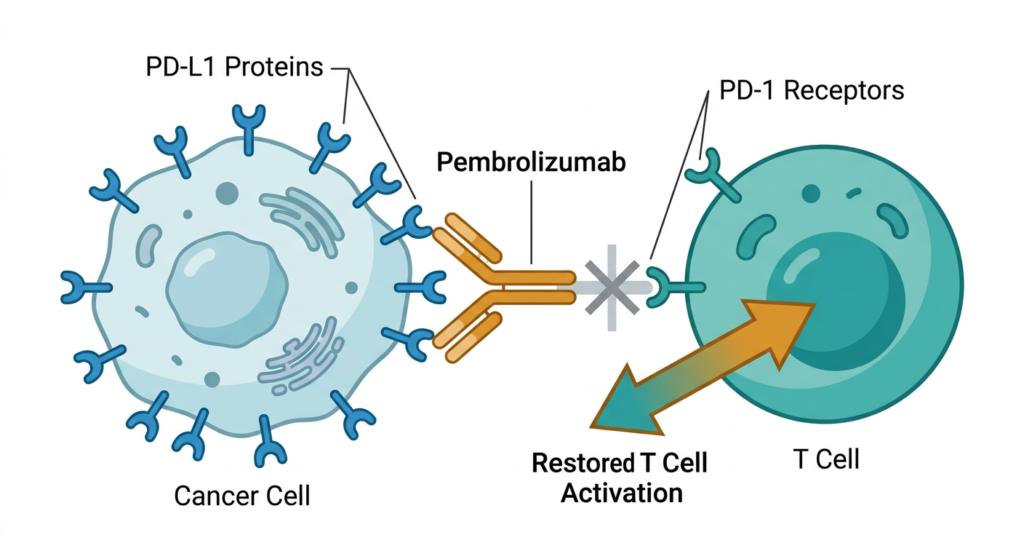
    📌 The essentials On February 10, 2026, the FDA approved pembrolizumab (Keytruda, Merck) in combination with paclitaxel, with or without bevacizumab, for adult patients with platinum-resistant epithelial ovarian, fallopian tube, or primary peritoneal carcinoma whose tumors express PD-L1 (combined positive score, or CPS, of at least 1). The approval covers patients who have received one or two prior lines of systemic therapy. This is the first FDA-approved immunotherapy for ovarian cancer in history. The clinical basis: KEYNOTE-B96/ENGOT-ov65 (NCT05116189), a randomized, double-blind, placebo-controlled Phase 3 trial in 643 patients, showed median overall survival of 18.2 months versus 14.0 months with placebo (HR 0.76; p=0.0053) in the PD-L1 CPS of 1 or higher population. The first statistically significant OS benefit ever demonstrated by an immune checkpoint inhibitor in ovarian cancer. A companion diagnostic requirement: Tumor testing with the PD-L1 IHC 22C3 pharmDx assay confirming CPS of 1 or higher is required before treatment. This is a requirement, not a recommendation.

    Ovarian cancer has resisted immunotherapy for decades. Every major trial of immune checkpoint inhibitors in this disease came back negative or borderline, results that didn’t survive longer follow-up. The field watched other gynecologic cancers, particularly cervical and endometrial, respond to PD-1 blockade while ovarian cancer remained stubbornly outside that story.

    That changed on February 10, 2026.

    The FDA approved pembrolizumab (Keytruda, Merck) in combination with paclitaxel, with or without bevacizumab, for adult patients with platinum-resistant epithelial ovarian, fallopian tube, or primary peritoneal carcinoma whose tumors express PD-L1 (CPS of at least 1). The approval covers patients who have received one or two prior lines of systemic therapy.

    It is the first FDA-approved immunotherapy for ovarian cancer in history.

    This post covers what platinum resistance means and why it matters, what KEYNOTE-B96 showed across its primary and key secondary endpoints, how to read the survival data carefully, what the companion diagnostic approval means in practice, and what questions are still open.


    Platinum Resistance: Why This Setting Is So Hard to Treat

    Most women with advanced ovarian cancer respond well to their first-line treatment, typically surgery followed by platinum-based chemotherapy, often combined with a taxane and increasingly with PARP inhibitors as maintenance. Response rates in the frontline setting can exceed 70 to 80%.

    The problem is recurrence. About 70 to 80% of patients with advanced ovarian cancer relapse after initial treatment. When recurrence happens, the most important prognostic factor is how quickly it occurs after the last platinum therapy. Patients whose disease progresses more than six months after platinum are classified as platinum-sensitive and can be retreated with platinum. Patients whose disease progresses within six months are classified as platinum-resistant.

    Platinum resistance is a watershed moment in the treatment arc. Non-platinum options, including weekly paclitaxel, pegylated liposomal doxorubicin, gemcitabine, and bevacizumab, produce response rates in the 10 to 20% range and median progression-free survival measured in months. Median overall survival in platinum-resistant ovarian cancer has historically ranged from roughly 12 to 16 months. These patients carry significant unmet need, and the disease is hard to control with anything currently available.

    That is the context in which the KEYNOTE-B96 results need to be understood.


    The KEYNOTE-B96 Trial: Design and Patient Population

    KEYNOTE-B96 (also known as ENGOT-ov65, NCT05116189) was a multicenter, randomized, double-blind, placebo-controlled Phase 3 trial enrolling 643 patients with histologically confirmed epithelial ovarian, fallopian tube, or primary peritoneal carcinoma. Eligibility required:

    • Platinum-resistant disease, defined as radiographic progression within six months of the last platinum-based regimen
    • One or two prior lines of systemic therapy for ovarian carcinoma
    • At least one prior platinum-based chemotherapy regimen
    • Measurable disease by RECIST v1.1

    Patients with primary platinum-refractory disease, meaning progression during or immediately after first-line platinum, were excluded.

    Patients were randomized 1:1 to pembrolizumab plus weekly paclitaxel (80 mg/m² on days 1, 8, and 15 of each 3-week cycle), with or without bevacizumab (10 mg/kg every two weeks), or placebo plus the same backbone. Bevacizumab use was at investigator’s discretion and was a stratification factor. Stratification also included geographic region and PD-L1 expression by CPS.

    The primary endpoint was investigator-assessed progression-free survival (PFS) by RECIST v1.1, evaluated first in the PD-L1 CPS of 1 or higher population, then in the ITT population. Overall survival was a key secondary endpoint.

    What is PD-L1 CPS and why does it determine eligibility? PD-L1 Combined Positive Score (CPS) measures PD-L1 protein expression across tumor cells, tumor-associated lymphocytes, and macrophages. A CPS of 1 or higher means at least 1 PD-L1-staining cell per 100 tumor cells was detected. This is a relatively low threshold: in KEYNOTE-B96, approximately 466 of 643 patients (roughly 72%) had CPS of 1 or higher. The FDA approval is restricted to CPS of 1 or higher patients, where both PFS and OS benefits were demonstrated. The ITT population also showed significant PFS improvement, but the OS benefit was most clearly established in the CPS of 1 or higher group. This matters in practice: before receiving this regimen, a patient’s tumor must be tested with the FDA-approved companion diagnostic, the PD-L1 IHC 22C3 pharmDx assay, and return a CPS of 1 or higher result. This is a requirement, not a recommendation.

    The Results: Progression-Free Survival and Overall Survival

    The trial conducted two pre-specified interim analyses. The second (IA2), with a data cutoff of May 5, 2025, was presented at ESMO Congress 2025 in Berlin in October 2025 and formed the basis for the February 2026 FDA approval. Final OS data were subsequently published in The Lancet in April 2026.

    Progression-Free Survival

    In the PD-L1 CPS of 1 or higher population (n=466), median PFS was 8.3 months with pembrolizumab versus 7.2 months with placebo, with a hazard ratio of 0.72 (95% CI 0.58 to 0.89; p=0.0014). The 12-month PFS rate was 35.2% for pembrolizumab versus 22.6% for placebo.

    In the ITT population (all 643 patients), median PFS was 8.3 versus 6.4 months (HR 0.70; 95% CI 0.58 to 0.84; p less than 0.0001), with 12-month PFS rates of 33.1% versus 21.3%.

    These are statistically significant and clinically meaningful improvements in a setting where six months of progression-free survival is often considered a reasonable benchmark.

    Overall Survival

    Among the 466 PD-L1 CPS of 1 or higher patients, median OS was 18.2 months in the pembrolizumab arm versus 14.0 months with placebo, a hazard ratio of 0.76 (95% CI 0.61 to 0.94; p=0.0053). The 12-month OS rate was 69.1% versus 59.3%. The 18-month OS rate was 51.5% versus 38.9%.

    A four-month improvement in median OS. The first statistically significant overall survival benefit ever shown by an immune checkpoint inhibitor in ovarian cancer.

    EndpointPembrolizumab plus chemoPlacebo plus chemoHR (95% CI)P-value
    Median PFS (CPS of 1 or higher)8.3 months7.2 months0.72 (0.58 to 0.89)0.0014
    Median PFS (ITT)8.3 months6.4 months0.70 (0.58 to 0.84)less than 0.0001
    Median OS (CPS of 1 or higher)18.2 months14.0 months0.76 (0.61 to 0.94)0.0053
    12-month OS (CPS of 1 or higher)69.1%59.3%
    18-month OS (CPS of 1 or higher)51.5%38.9%

    Source: KEYNOTE-B96/ENGOT-ov65 Phase 3 trial, IA2 (data cutoff May 5, 2025). Final OS data: The Lancet, April 2026. FDA approval: February 10, 2026.


    How to Read These Numbers Carefully

    A four-month improvement in median OS is real and clinically meaningful in this setting, particularly given the historical absence of any survival benefit from immunotherapy in ovarian cancer. But it is worth understanding what the numbers do and don’t tell us.

    The hazard ratio of 0.76 means that at any given point during the trial, patients in the pembrolizumab arm had a 24% lower risk of death than those in the placebo arm. This is not a cure. It is a reduction in the rate of events that translates into prolonged survival for a meaningful portion of patients. The 18-month OS rate shifting from 38.9% to 51.5% is the clearest way to see this: at 18 months, roughly one in eight additional patients were alive in the pembrolizumab arm compared to the placebo arm.

    The approval is restricted to CPS of 1 or higher. About 72% of patients in KEYNOTE-B96 met this threshold, so most platinum-resistant ovarian cancer patients would be eligible for testing, but not all will test positive.

    Median survival describes the midpoint of the distribution, not individual patient outcomes. Some patients in the pembrolizumab arm had substantially longer survival than 18 months. The final OS data from The Lancet publication provides a clearer view of the tail of the survival curve, which will help clarify whether there is a subset of patients with especially durable benefit, the pattern that checkpoint inhibitors sometimes produce in other tumors.


    The Companion Diagnostic: What the PD-L1 Test Means in Practice

    The FDA simultaneously approved the PD-L1 IHC 22C3 pharmDx assay (Agilent Technologies) as a companion diagnostic for identifying eligible patients. Tumor PD-L1 testing confirming CPS of 1 or higher is required before treatment, not optional.

    The 22C3 pharmDx assay is the same companion diagnostic used in pembrolizumab approvals across multiple other tumor types, including cervical, endometrial, esophageal, and gastric cancers. At most academic medical centers and major oncology practices, this test is already part of the standard pathology workflow. At community oncology centers or in lower-resource settings, access to and turnaround time on the assay is a practical consideration worth discussing with the treating team.

    Tumor tissue for PD-L1 testing can come from the original diagnosis or a recurrence biopsy. Given that PD-L1 expression can change with disease progression, some oncologists may prefer more recently collected tissue, though the label does not mandate this.

    What about bevacizumab? The approved regimen is pembrolizumab plus paclitaxel, with or without bevacizumab. Bevacizumab (Avastin) is an anti-VEGF antibody with established activity in ovarian cancer, including in the platinum-resistant setting. Its use in KEYNOTE-B96 was at investigator discretion and was a stratification factor. Patients with contraindications to anti-VEGF therapy, such as certain cardiovascular risk factors, recent major surgery, a history of GI perforation, or significant proteinuria, can receive pembrolizumab plus paclitaxel without bevacizumab. Review the full Keytruda prescribing information for complete contraindication guidance.

    Why Previous Immunotherapy Trials in Ovarian Cancer Failed, and Why This One Didn’t

    The history of checkpoint inhibitor trials in ovarian cancer before KEYNOTE-B96 is largely a story of negative results. Earlier Phase 3 trials, including atezolizumab plus chemotherapy in frontline and maintenance settings, did not demonstrate meaningful survival improvements. Single-agent anti-PD-1 trials showed modest response rates of 10 to 15% in unselected ovarian cancer patients.

    Several factors likely contributed. Ovarian cancer has a relatively immunosuppressive tumor microenvironment, with high regulatory T cell infiltration, immunosuppressive cytokines, and ascites fluid that dampens immune activity. Tumor mutational burden is generally lower than in cancers like melanoma or lung cancer that respond robustly to checkpoint inhibitors. And earlier trials often did not select for PD-L1 expression.

    KEYNOTE-B96 made design choices that may have improved its chances. The combination with weekly paclitaxel, a metronomic dosing schedule thought to have immunomodulatory properties alongside its cytotoxic effects, may have made the tumor microenvironment more permissive to immune infiltration. The CPS of 1 or higher selection enriched for a more immunologically accessible population. These are mechanistic hypotheses with biological plausibility, not proven causal explanations, but they provide a rational basis for why this combination in this specific population succeeded where broader efforts did not.


    Safety: What Patients and Clinicians Need to Know

    The safety profile of the pembrolizumab combination in KEYNOTE-B96 was consistent with prior pembrolizumab trials. No new safety signals were identified.

    Pembrolizumab carries immune-mediated adverse reactions as a class, the consequence of broadly activating the immune system. These can affect virtually any organ system.

    Key immune-mediated risks:

    • Pneumonitis: inflammation of the lungs; monitor for new or worsening respiratory symptoms
    • Colitis: diarrhea and abdominal pain; may require corticosteroids or discontinuation
    • Hepatitis: elevated liver enzymes; regular LFT monitoring during treatment
    • Endocrinopathies: thyroid dysfunction, adrenal insufficiency, type 1 diabetes mellitus, hypophysitis
    • Nephritis: elevated creatinine; monitor renal function
    • Dermatologic reactions: rash, rare severe skin reactions including Stevens-Johnson syndrome

    Most immune-mediated adverse reactions are manageable with corticosteroids if caught early. The prescribing information outlines detailed management algorithms, including when to hold versus permanently discontinue pembrolizumab.

    Other warnings:

    Infusion-related reactions: fever, chills, hypotension, and bronchospasm are possible. Standard premedication and monitoring protocols apply.

    Embryo-fetal toxicity: pembrolizumab can cause fetal harm. Women of reproductive potential should use effective contraception during treatment and for at least four months after the final dose.

    Dosing:

    The approved pembrolizumab dose is 200 mg IV every three weeks or 400 mg IV every six weeks, until disease progression, unacceptable toxicity, or up to 24 months of treatment. Pembrolizumab is administered before paclitaxel and bevacizumab when given on the same day.

    Keytruda Qlex, a subcutaneous formulation combining pembrolizumab with berahyaluronidase alfa-pmph, was also approved. The subcutaneous dose is 395 mg/4,800 units every three weeks or 790 mg/9,600 units every six weeks, and can be administered in approximately five to ten minutes rather than the 30-minute IV infusion. For patients receiving multiple cycles over months of treatment, this is a real reduction in clinic time.


    Open Questions and the Road Ahead

    The KEYNOTE-B96 approval opens a new chapter in ovarian cancer treatment, but several clinical questions will shape how the approval is used in practice.

    How durable is the benefit?

    The final OS data in The Lancet provides longer follow-up than the interim analysis. The field will be watching for a favorable tail on the survival curve, the pattern suggesting a subset of patients achieve especially prolonged disease control, which checkpoint inhibitors produce in some tumor types.

    Does PD-L1 CPS fully capture who responds?

    CPS of 1 or higher is a broad threshold. Within the PD-L1-positive population there is likely meaningful heterogeneity in response. Future work will examine whether higher CPS thresholds, tumor mutational burden, microsatellite instability status, or tumor-infiltrating lymphocyte density can further refine patient selection.

    What about earlier lines of therapy?

    The positive KEYNOTE-B96 result will prompt investigators to ask whether pembrolizumab-containing regimens have a role in the frontline or maintenance setting in ovarian cancer. Several trials are already exploring this. The data in those settings will need to be evaluated on their own terms.

    Sequencing after progression on this regimen:

    The approval covers patients after one or two prior regimens. What comes next for patients who progress on pembrolizumab plus chemotherapy? The treatment landscape at third or later lines remains difficult, and ongoing trials will need to address sequencing questions. ClinicalTrials.gov is the primary resource for identifying open studies.

    Project Orbis: A Global Review Pathway This approval was reviewed under Project Orbis, an FDA Oncology Center of Excellence initiative enabling concurrent submission and review across multiple international regulatory agencies. For KEYNOTE-B96, FDA collaborated with Australia’s Therapeutic Goods Administration, Health Canada, and Switzerland’s Swissmedic. Project Orbis doesn’t mean all countries approve simultaneously; each agency makes its own decision. But it creates a framework for data sharing that can accelerate global access. The designation signals that review is underway or completed in partner countries.

    What This Means for Patients With Platinum-Resistant Ovarian Cancer

    For patients who have progressed after one or two lines of therapy and are now facing platinum-resistant disease, the conversation with their oncologist includes a genuinely new option for the first time. Pembrolizumab plus paclitaxel, with or without bevacizumab, is not a marginal refinement. It is the first regimen to improve overall survival in this population in a Phase 3 trial.

    The first step is PD-L1 testing. Patients whose disease has not been recently biopsied may want to discuss with their oncologist whether fresh tissue for biomarker testing is feasible and clinically appropriate at the time of progression.

    For related coverage of how immunotherapy and ADC approvals are expanding across gynecologic and breast cancers in 2026, see our posts on Dato-DXd in triple-negative breast cancer, vepdegestrant and the first PROTAC approval in oncology, and what the FDA’s contrasting decisions on camizestrant and vepdegestrant reveal about the future of ESR1-guided treatment.

    Patient advocacy organizations with resources for ovarian cancer include the Ovarian Cancer Research Alliance, the National Ovarian Cancer Coalition, and the Foundation for Women’s Cancer. All three maintain clinical trial databases and physician directories. Patients interested in trials evaluating pembrolizumab in earlier-line ovarian cancer settings can search for open studies at ClinicalTrials.gov.


    Sources

    FDA approval: FDA Approves Pembrolizumab with Paclitaxel for Platinum-Resistant Epithelial Ovarian, Fallopian Tube, or Primary Peritoneal Carcinoma. February 10, 2026. FDA.gov.

    KEYNOTE-B96 trial registration: NCT05116189. ClinicalTrials.gov.

    ESMO 2025 abstract: Colombo N et al. Pembrolizumab vs Placebo Plus Weekly Paclitaxel plus/minus Bevacizumab in Platinum-Resistant Recurrent Ovarian Cancer. LBA3. ESMO Congress 2025, Berlin, October 2025.

    Final OS publication: KEYNOTE-B96/ENGOT-ov65 final overall survival analysis. The Lancet. April 2026.

    Merck press release: Merck Announces Phase 3 KEYNOTE-B96 Trial Met Primary Endpoint of Progression-Free Survival. May 2025. merck.com.

    OncLive approval coverage: KEYNOTE-B96 Approval Reinforces the Shift Toward Biomarker-Driven Treatment in Recurrent PROC. OncLive. March 2026.

    Clinical review: The role of chemo-immunotherapy in platinum-resistant ovarian cancer in light of the KEYNOTE-B96 trial. PubMed Central.

    Keytruda prescribing information: Keytruda (pembrolizumab) and Keytruda Qlex Prescribing Information. Merck. 2026.

    Keytruda Qlex FDA approval: FDA approves pembrolizumab and berahyaluronidase alfa-pmph (Keytruda Qlex) for multiple indications.

    Companion diagnostic: PD-L1 IHC 22C3 pharmDx. FDA list of cleared or approved companion diagnostics.

    Project Orbis: Project Orbis. FDA Oncology Center of Excellence.

    Patient resources: Ovarian Cancer Research Alliance | National Ovarian Cancer Coalition | Foundation for Women’s Cancer | ClinicalTrials.gov

    Disclaimer: Health Evidence Digest provides general health and regulatory information for educational purposes. This content is not a substitute for professional medical advice, diagnosis, or treatment. Treatment decisions for ovarian cancer should be made in consultation with a board-certified gynecologic oncologist experienced in managing platinum-resistant disease.
  • Ovarian Cancer Has Resisted Almost Every Drug Thrown at It in the Platinum-Resistant Setting. Lifyorli™ Just Changed That by Targeting Cortisol.

    Ovarian Cancer Has Resisted Almost Every Drug Thrown at It in the Platinum-Resistant Setting. Lifyorli™ Just Changed That by Targeting Cortisol.


    📌 The essentials On March 25, 2026, the FDA approved Lifyorli (relacorilant, Corcept Therapeutics) in combination with nab-paclitaxel for adults with platinum-resistant epithelial ovarian, fallopian tube, or primary peritoneal cancer who have received one to three prior systemic treatment regimens, at least one of which included bevacizumab. This is a full approval based on overall survival data, not accelerated approval. The mechanism: relacorilant is an oral, selective glucocorticoid receptor (GR) antagonist. It blocks cortisol’s tumor-protective action that suppresses apoptosis in cancer cells, sensitizing them to nab-paclitaxel’s cytotoxic effect. Dosing: relacorilant 150 mg orally on the day before, day of, and day after each nab-paclitaxel infusion, given in 28-day cycles. The clinical basis: Phase 3 ROSELLA trial (NCT05257408), published in The Lancet, showing median overall survival of 16.0 versus 11.9 months (HR 0.65; p=0.0004), a 35% reduction in risk of death. The 18-month OS rate was 46% versus 27%. NCCN has designated relacorilant plus nab-paclitaxel as a preferred regimen for platinum-resistant ovarian cancer.

    For roughly thirty years, the story of platinum-resistant ovarian cancer has been one of persistent failure. Trial after trial. Checkpoint inhibitor after checkpoint inhibitor. PARP inhibitor combinations. Antibody-drug conjugates. Antiangiogenics beyond bevacizumab. The disease has resisted almost everything, and the graveyard of Phase 3 trials that failed in this setting is long and dispiriting.

    Platinum-resistant ovarian cancer is defined by a clinical reality: the cancer progresses within six months of completing platinum-based chemotherapy. At that point, the treatment options narrow sharply. Single-agent non-platinum chemotherapy, including pegylated liposomal doxorubicin, paclitaxel, gemcitabine, and topotecan, with or without bevacizumab, has been the mainstay. Response rates are modest. Survival is poor.

    On March 25, 2026, the FDA approved Lifyorli (relacorilant) in combination with nab-paclitaxel for adults with platinum-resistant epithelial ovarian, fallopian tube, or primary peritoneal cancer. It is the first FDA-approved selective glucocorticoid receptor antagonist, a category of drug that does not target the tumor directly, but instead targets the role cortisol plays in helping tumors resist the chemotherapy meant to kill them. The pivotal ROSELLA trial, published simultaneously in The Lancet, delivered something this disease has not seen in a long time: a statistically robust overall survival improvement.


    The Disease: Why Platinum-Resistant Ovarian Cancer Is So Hard to Treat

    Ovarian cancer is the most lethal gynecologic malignancy. In 2024, an estimated 320,000 new cases were diagnosed globally and approximately 210,000 women died from the disease, accounting for about 4.8% of all cancer-related mortality. In the United States, ovarian cancer kills approximately 12,800 women annually. The high mortality relative to incidence reflects a disease that is typically diagnosed at advanced stage (III or IV), when cure is unlikely.

    Platinum-based chemotherapy, carboplatin and cisplatin, has been the backbone of ovarian cancer treatment for three decades. Most patients initially respond well. The problem is recurrence: approximately 70% of patients with advanced ovarian cancer will relapse, and through successive platinum cycles, resistance becomes inevitable. Once a patient’s cancer progresses within six months of the last platinum regimen, they are classified as platinum-resistant, and the therapeutic landscape changes dramatically for the worse.

    Why this setting has been so difficult: the failed trials The list of Phase 3 trials that failed to improve overall survival in platinum-resistant ovarian cancer is extensive. Checkpoint inhibitors have largely disappointed in ovarian cancer despite transforming outcomes in melanoma, lung cancer, and other solid tumors. The ARTISTRY-7 trial, evaluating nemvaleukin plus pembrolizumab versus chemotherapy, was negative. The underlying biology is partially explanatory: ovarian tumors often have immunosuppressive microenvironments with low T-cell infiltration, limited PD-L1 expression, and mechanisms that actively exclude immune cells. Notably, the ENGOT-ov65/KEYNOTE-B96 trial of pembrolizumab plus paclitaxel plus or minus bevacizumab in platinum-resistant ovarian cancer did ultimately produce the first significant PFS and OS benefit with immunotherapy in this setting. That approval, covered here on Health Evidence Digest, required PD-L1 CPS of 1 or higher for the indicated population. For patients who do not meet that biomarker threshold or who have progressed after immunotherapy, the unmet need remained enormous. What was needed for that broader population was a different angle of attack entirely.

    The Mechanism: Cortisol as a Shield for Tumor Cells

    The biological rationale for relacorilant starts with a question that oncologists have long observed but had limited tools to address: why does chemotherapy work initially in ovarian cancer, then stop working? Part of the answer involves the tumor microenvironment, and specifically the role cortisol plays within it.

    Cortisol is a glucocorticoid hormone produced by the adrenal glands that regulates stress responses, inflammation, and immune function. In normal physiology, cortisol plays many important and beneficial roles. In tumor biology, however, cortisol, acting through the glucocorticoid receptor (GR) expressed in many cancer cell types, contributes to chemotherapy resistance through a specific and well-characterized mechanism: it inhibits apoptosis.

    Apoptosis is programmed cell death, the cellular self-destruct mechanism that chemotherapy is specifically designed to trigger. Taxane chemotherapies like nab-paclitaxel work by disrupting microtubule function during cell division, causing mitotic arrest and ultimately apoptotic cell death. When cortisol activates GR signaling in tumor cells, it suppresses the apoptotic machinery, effectively giving those cells a cortisol-mediated shield against the chemotherapy that should be killing them.

    Relacorilant is an oral, selective glucocorticoid receptor antagonist. It competes with cortisol at the GR binding site, blocking the receptor without activating it. With GR signaling suppressed, cortisol’s protection of tumor cells from apoptosis is reduced, and the tumor cells become more sensitive to nab-paclitaxel’s intended mechanism. Relacorilant is selective: it binds only to the glucocorticoid receptor, not to the progesterone, androgen, mineralocorticoid, or estrogen receptors. This selectivity is what distinguishes it from older, non-selective glucocorticoid antagonists like mifepristone.

    The dosing schedule and why it matters for tolerability Relacorilant is taken orally at 150 mg on three specific days per 28-day cycle: the day before each nab-paclitaxel infusion, the day of the infusion, and the day after. Nab-paclitaxel is administered intravenously on days 1, 8, and 15 of each cycle. This intermittent dosing design is intentional. Continuous glucocorticoid receptor blockade would interfere with the body’s normal cortisol-dependent functions, including immune regulation, glucose metabolism, and stress response. By limiting GR blockade to the three days surrounding each chemotherapy infusion, the regimen specifically targets the period when cortisol’s tumor-protective effects are most relevant, while minimizing disruption to normal physiology. This design choice is supported by the trial’s safety data: no cases of adrenal insufficiency were reported in the ROSELLA trial.

    The ROSELLA Trial: Design and Full Results

    The Phase 3 ROSELLA trial (NCT05257408) was an international, randomized, controlled, open-label study conducted across 117 sites in 14 countries, including the United States, multiple European nations, South Korea, Brazil, Argentina, Canada, and Australia, in collaboration with the GOG Foundation, ENGOT, APGOT, LACOG, and ANZGOG. Enrollment ran from January 2023 to April 2024.

    Patient population

    Eligible patients were adults with platinum-resistant epithelial ovarian, fallopian tube, or primary peritoneal cancer, defined as disease progression within six months of the last platinum-based therapy. All had received one to three prior systemic therapy regimens, and all had prior bevacizumab exposure. Patients requiring chronic corticosteroids were excluded. The median patient age was 61 to 62 years.

    Randomization and treatment

    381 patients were randomized 1:1 to relacorilant 150 mg plus nab-paclitaxel 80 mg/m² (n=188), or nab-paclitaxel alone at 100 mg/m² (n=193). The monotherapy arm received a higher dose of nab-paclitaxel to reflect the absence of a chemo-sensitizing partner. The dual primary endpoints were progression-free survival (PFS) by RECIST 1.1 and blinded independent central review, and overall survival.

    Results

    EndpointRelacorilant plus nab-paclitaxelNab-paclitaxel alone
    Median overall survival16.0 months (95% CI 13.0 to 18.3)11.9 months (95% CI 10.0 to 13.8)
    OS hazard ratio0.65 (95% CI 0.51 to 0.83)Reference
    OS p-value0.0004
    Reduction in risk of death35%
    12-month OS rate60%50%
    18-month OS rate46%27%
    Median PFS (BICR)6.5 months (95% CI 5.6 to 7.4)5.5 months (95% CI 3.9 to 5.9)
    PFS hazard ratio0.70 (95% CI 0.54 to 0.91)Reference
    PFS p-value0.0076
    Reduction in risk of progression30%
    12-month PFS rate25%13%
    Second PFS (PFS2) hazard ratio0.73 (p=0.0037)Reference

    Source: Olawaiye AB et al. The Lancet. 2026. doi:10.1016/S0140-6736(26)00462-9. ROSELLA trial (NCT05257408).

    The OS data maturity at the final analysis was 76%, meaning three-quarters of patients had experienced the endpoint, making this a robust and interpretable dataset. The Lancet publication notes that the Kaplan-Meier survival curves show progressively widening separation over time, suggesting durable benefit rather than early separation that converges. The 18-month OS rate difference — 46% versus 27% — is particularly striking: at 18 months, nearly half of patients on the combination were still alive, compared with just over one-quarter on chemotherapy alone.

    The benefit was consistent across all prespecified subgroups, including patients who had received two versus three prior lines of therapy, those with prior PARP inhibitor exposure, and across geographic regions. No biomarker selection was required for eligibility or benefit, which means the improvement applies to the broad platinum-resistant ovarian cancer population, not a molecularly defined subset.

    The principal investigator of the ROSELLA trial, Dr. Alexander B. Olawaiye, MD, Director of Gynecologic Cancer Research at Magee-Womens Hospital of UPMC, characterized the finding at the SGO Late-Breaker presentation as the first demonstration that modulating the steroid receptor pathway, specifically the glucocorticoid receptor, can produce benefit in the treatment of platinum-resistant ovarian cancer, noting that the uniqueness of the pathway makes this new in every way.


    Safety: What the Data Shows

    The combination arm had a higher rate of grade 3 or higher treatment-emergent adverse events than the monotherapy arm: 74.5% versus 59.5%. The primary driver was hematologic toxicity, particularly neutropenia (44% versus 25% in the combination arm) and anemia (18% versus 9%). These findings reflect the addition of any chemotherapy-sensitizing agent and are consistent with what clinicians encounter in other combination regimens.

    Adverse event (20% or higher incidence)Combination armMonotherapy arm
    Decreased hemoglobinMost common, all gradesLower rate
    Neutropenia (grade 3 or higher)44%25%
    Fatigue20% or higherPresent
    Nausea20% or higherPresent
    Diarrhea20% or higherPresent
    Decreased platelets20% or higherPresent
    Rash20% or higherPresent
    Decreased appetite20% or higherPresent
    Anemia (grade 3 or higher)18%9%
    Adrenal insufficiency0 cases0 cases
    Deaths attributed to relacorilant00

    Two specific safety findings deserve emphasis. First, no cases of adrenal insufficiency were observed, validating the intermittent dosing design. Second, peripheral neuropathy, a known concern with taxane chemotherapy, occurred at similar rates in both arms, suggesting relacorilant did not worsen this chemotherapy-related toxicity.

    The prescribing label carries a contraindication for patients who require corticosteroids for a life-saving indication, because GR blockade would impair their effectiveness. Patients on systemic corticosteroids for severe asthma, inflammatory bowel disease, or immunosuppression following transplant require careful evaluation before initiating Lifyorli. Prescribing information warnings include neutropenia and severe infection risk, adrenal insufficiency monitoring, exacerbation of conditions treated with glucocorticoids, and embryo-fetal toxicity.


    What This Approval Represents

    The NCCN Clinical Practice Guidelines in Oncology added Lifyorli plus nab-paclitaxel as a preferred regimen for platinum-resistant ovarian cancer following the approval. That designation reflects the committee’s assessment that the overall survival data from ROSELLA represents a meaningful advance for a patient population with very limited meaningful advances over the past decade.

    Three aspects of the ROSELLA data deserve specific emphasis as markers of robustness. The OS analysis is mature: 76% data maturity is high for an ongoing survival analysis and ensures the hazard ratio estimate is reliable. Subsequent therapies were balanced between the two arms, ruling out the possibility that post-progression treatment differences explain the survival benefit. And the benefit was consistent across all predefined subgroups, including those heavily pretreated and those with prior PARP inhibitor exposure.

    What we do not yet know: open questions for clinical practice No biomarker predicted response. ROSELLA enrolled without biomarker selection and found benefit across all subgroups. That is good news for broad access, but it means there is not yet a way to identify which patients are most likely to respond, or whether some patients have particularly high GR expression that drives greater benefit. Corcept and academic collaborators are likely studying this as a post-approval research question. Patient-reported quality of life. The ROSELLA trial included EORTC quality-of-life measures as secondary endpoints. Full patient-reported outcome analysis had not been comprehensively presented at time of writing. For patients in this setting, tolerability and quality of remaining life matter alongside survival data. Relacorilant in other tumor types. Corcept has active or planned trials of relacorilant in platinum-sensitive ovarian cancer, endometrial cancer, cervical cancer, pancreatic cancer, and prostate cancer. The proof-of-concept from ROSELLA that GR antagonism can sensitize tumors to chemotherapy may accelerate these programs.

    Regulatory Status and Access

    FDA approval

    Approved March 25, 2026, for adults with platinum-resistant epithelial ovarian, fallopian tube, or primary peritoneal cancer who have received one to three prior systemic treatment regimens, at least one of which included bevacizumab. This is a full approval, based on overall survival data from ROSELLA meeting both co-primary endpoints.

    European Medicines Agency

    Corcept has submitted a Marketing Authorisation Application (MAA) to the EMA for relacorilant in platinum-resistant ovarian cancer. Relacorilant has received orphan drug designation from the European Commission for ovarian cancer treatment. The EMA review is ongoing.

    Patient support

    Corcept has established Lifyorli Support for patients and healthcare providers at 1-855-439-6754 (1-85-LIFYORLI). For questions about eligibility, prior authorization support, or financial assistance programs, this is the recommended first contact.

    For patients and families navigating platinum-resistant ovarian cancer, the Ovarian Cancer Research Alliance and the Foundation for Women’s Cancer both maintain updated treatment information, clinical trial directories, and peer support resources. For related HED coverage of ovarian cancer treatment advances in 2026, see our post on pembrolizumab becoming the first approved immunotherapy for platinum-resistant ovarian cancer and our analysis of vepdegestrant and the PROTAC mechanism in breast cancer as examples of how novel mechanisms of action are reshaping gynecologic and breast oncology in the same period.


    Sources

    FDA approval: FDA approves relacorilant with nab-paclitaxel for platinum-resistant epithelial ovarian, fallopian tube, or primary peritoneal cancer. FDA.gov. March 25, 2026.

    Corcept press release (approval): FDA Approves Corcept’s Selective Glucocorticoid Receptor Antagonist. ir.corcept.com. March 25, 2026.

    Corcept press release (SGO/OS data): Corcept Presents Complete Data from Pivotal ROSELLA Trial in SGO Late-Breaker with Simultaneous Publication in The Lancet. ir.corcept.com. April 10, 2026.

    Primary OS publication: Olawaiye AB et al. Overall survival with relacorilant and nab-paclitaxel in patients with platinum-resistant ovarian cancer (ROSELLA): a phase 3 randomised controlled trial. The Lancet. 2026. doi:10.1016/S0140-6736(26)00462-9

    PFS publication: Lorusso D et al. ROSELLA: a phase 3 study of relacorilant plus nab-paclitaxel in patients with platinum-resistant ovarian cancer. The Lancet. 2025;405:2205-2216.

    ROSELLA trial registration: NCT05257408. ClinicalTrials.gov.

    CancerNetwork OS coverage: Relacorilant/Nab-Paclitaxel Reduces Risk of Death by 35% in Platinum-Resistant Ovarian Cancer. cancernetwork.com. April 2026.

    CURE coverage: Lifyorli Combo Approved in Platinum-Resistant Ovarian Cancer. curetoday.com. March 2026.

    Targeted Oncology: Relacorilant Demonstrates Significant OS in Platinum-Resistant Ovarian Cancer. targetedonc.com. April 2026.

    PROC treatment landscape: Current Treatments, Future Strategies for Platinum-Resistant Ovarian Cancer. AJMC. March 2026.

    PROC unmet need review: Advances in Ovarian Cancer Care and Unmet Treatment Needs for Patients With Platinum Resistance. PubMed. 2023. PMID:37079311.

    NCCN guidelines: Ovarian Cancer Including Fallopian Tube Cancer and Primary Peritoneal Cancer. NCCN.

    Glucocorticoid receptor biology: Glucocorticoid Receptor Signaling in Cancer. PMC7694440.

    Apoptosis reference: Apoptosis. StatPearls. NCBI.

    Cortisol overview: Cortisol. StatPearls. NCBI.

    RECIST/PFS methodology: New Response Evaluation Criteria in Solid Tumours. PMC3107543.

    Checkpoint inhibitors in ovarian cancer: Immune Checkpoint Inhibitors in Ovarian Cancer. PMC7174922.

    PARP inhibitors: PARP Inhibitors. cancer.gov.

    Neutropenia: Neutropenia. StatPearls. NCBI.

    Patient resources: Ovarian Cancer Research Alliance | Foundation for Women’s Cancer | NCCN Ovarian Cancer Guidelines | Lifyorli Support: 1-855-439-6754

    Disclaimer: Health Evidence Digest provides general information about FDA approvals and health research for educational purposes. This content is not a substitute for professional medical advice, diagnosis, or treatment. Treatment decisions for platinum-resistant ovarian cancer should be made in consultation with a qualified gynecologic oncologist.