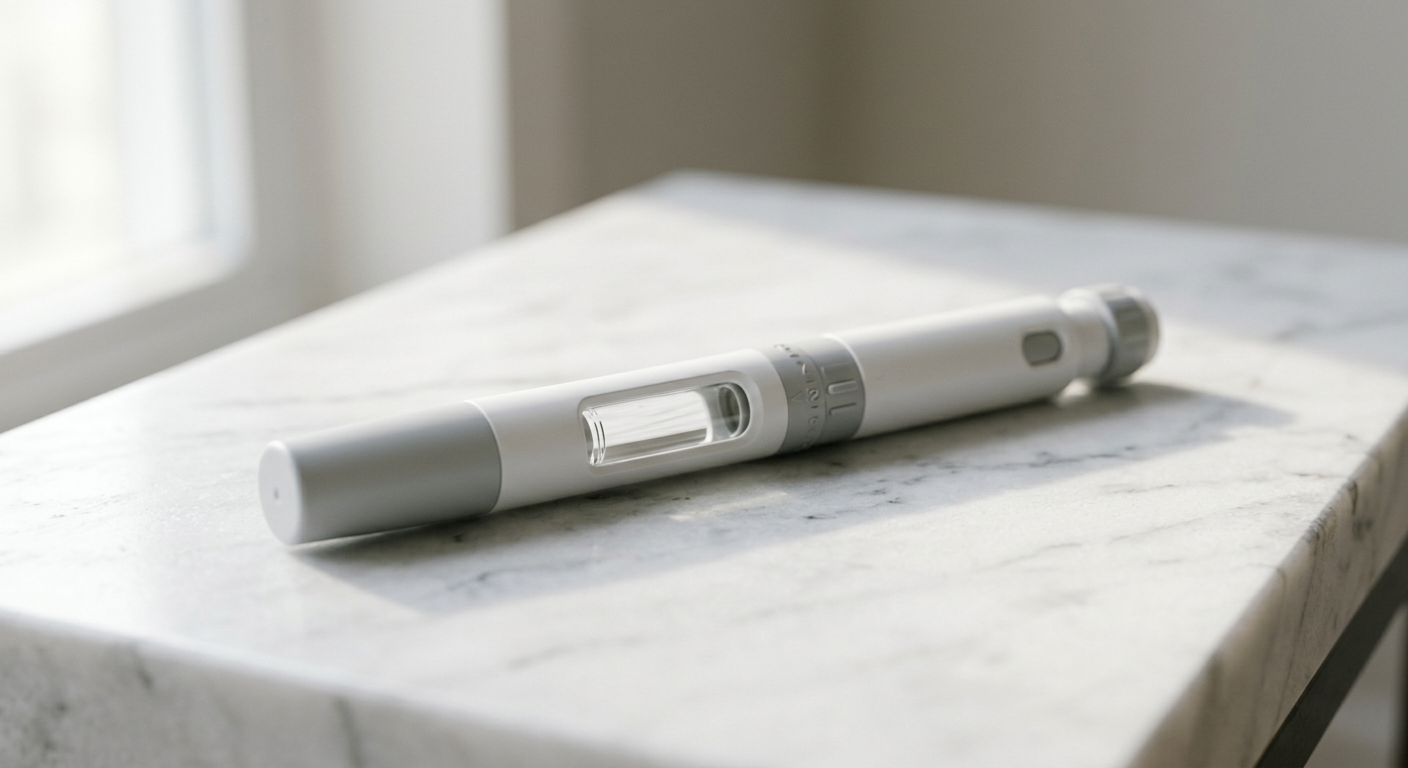
| 📌 The essentials On March 19, 2026, the FDA approved Wegovy HD (semaglutide 7.2 mg injection, Novo Nordisk) for chronic weight management in adults with obesity (BMI of 30 or higher), or overweight (BMI of 27 or higher) with at least one weight-related condition. This is the highest available dose of injectable semaglutide and the first GLP-1 receptor agonist approved under the Commissioner’s National Priority Voucher (CNPV) program. Prerequisite for use: patients must have tolerated the 2.4 mg Wegovy dose for at least 4 weeks, and additional weight reduction must be clinically indicated. The clinical basis: The STEP UP Phase 3b trial, published in The Lancet Diabetes and Endocrinology in November 2025, showed mean weight loss of 20.7% at 72 weeks with semaglutide 7.2 mg versus 15% with semaglutide 2.4 mg. Approximately 1 in 3 participants lost 25% or more of their body weight. 89% of Wegovy HD participants achieved at least 5% body weight loss versus 38% on placebo. The STEP UP T2D trial in participants with obesity and type 2 diabetes showed mean weight loss of 14.1%. What this approval does not change: Wegovy HD is used alongside a reduced-calorie diet and increased physical activity, not as a standalone treatment. The safety profile is consistent with previously established semaglutide effects, with new attention warranted on altered skin sensation at the higher dose. |
|---|
When Wegovy (semaglutide 2.4 mg) was approved in June 2021, it represented a meaningful advance in obesity pharmacotherapy. Producing roughly 15% mean body weight loss in clinical trials, it substantially outperformed prior generations of weight management drugs and drove the GLP-1 wave that has since reshaped both prescribing patterns and public conversation around obesity treatment.
But 15% average weight loss, while meaningful, still leaves many patients short of the weight reduction needed to achieve their health goals. For someone starting at 250 pounds, 15% is about 37 pounds. For patients with significant obesity-related comorbidities who need to lose 60 or 80 pounds to meaningfully reduce cardiovascular risk, type 2 diabetes progression, or joint disease burden, the 2.4 mg ceiling was a clinical limitation.
Wegovy HD (semaglutide 7.2 mg), approved March 19, 2026, is Novo Nordisk’s answer to that limitation. It is not a new drug. It is the same semaglutide molecule at a higher dose, with a new clinical program demonstrating that going higher produces meaningfully greater weight loss, with a safety profile consistent with what clinicians and patients already know about semaglutide.
This post covers what the STEP UP trial actually showed, how to read the numbers carefully, who this approval is for, how it fits into the existing semaglutide landscape, and what the CNPV program means for why this approval moved so quickly.
Semaglutide: A Brief Recap of the Mechanism and Existing Approvals
Semaglutide is a GLP-1 (glucagon-like peptide-1) receptor agonist, a class of drugs that mimic the gut hormone GLP-1. GLP-1 is released after eating and signals the pancreas to produce insulin in a glucose-dependent way, suppresses glucagon, slows gastric emptying, and most relevantly for weight management, signals satiety to the brain through receptors in the hypothalamus and brainstem.
At pharmacological doses, semaglutide produces a potent and sustained reduction in appetite and caloric intake that goes well beyond what natural GLP-1 signaling achieves. The weight loss is real and clinically meaningful, but it is dose-dependent: higher doses produce more robust GLP-1 receptor engagement and, in the clinical trials conducted so far, greater weight loss.
The existing semaglutide portfolio in the United States includes:
| Product | Dose | Route | Primary indication | FDA status |
|---|---|---|---|---|
| Ozempic | 0.5 mg, 1 mg, 2 mg | Weekly injection | Type 2 diabetes | Approved 2017 |
| Rybelsus | 3 mg, 7 mg, 14 mg | Daily oral tablet | Type 2 diabetes | Approved 2019 |
| Wegovy 2.4 mg | 2.4 mg | Weekly injection | Chronic weight management | Approved 2021 |
| Wegovy oral 25 mg | 25 mg | Daily oral tablet | Chronic weight management | Approved 2025 |
| Wegovy HD 7.2 mg | 7.2 mg | Weekly injection | Chronic weight management | Approved March 2026 |
Wegovy HD joins this portfolio as a step-up option specifically for patients who have been on Wegovy 2.4 mg for at least four weeks and need greater weight reduction. It is not a replacement for the existing 2.4 mg formulation, and it is not the starting point for treatment-naive patients.
The STEP UP Trials: What the Evidence Actually Shows
The FDA approval is based on two Phase 3b trials, both published in The Lancet Diabetes and Endocrinology in November 2025.
STEP UP (obesity without type 2 diabetes)
The STEP UP trial enrolled approximately 1,400 adults with obesity (BMI of 30 or higher) or overweight (BMI of 27 or higher) with at least one weight-related condition. Participants were randomized to once-weekly semaglutide 7.2 mg, semaglutide 2.4 mg, or placebo, all as adjuncts to lifestyle intervention, over 72 weeks. Mean baseline body weight was approximately 248 pounds (112.5 kg).
| Outcome | Semaglutide 7.2 mg | Semaglutide 2.4 mg | Placebo |
|---|---|---|---|
| Mean body weight loss at 72 weeks | 20.7% | ~15% | ~2 to 3% |
| Participants losing 25% or more | ~1 in 3 (approx. 33%) | Substantially lower | Rare |
| Participants achieving at least 5% weight loss | 89% | Higher than placebo | 38% |
| Statistical significance vs. placebo | Yes (p less than 0.0001) | Yes | Reference |
| Statistical significance vs. 2.4 mg | Yes (superior) | Reference | — |
A mean weight loss of 20.7% from a baseline of approximately 248 pounds translates to roughly 51 pounds of average weight reduction. The finding that approximately 1 in 3 participants achieved 25% or greater weight loss is the number generating the most clinical interest, because it suggests that a meaningful subset of patients on the 7.2 mg dose approaches the weight loss territory previously associated only with bariatric surgery.
For context, Roux-en-Y gastric bypass typically produces 25 to 35% total body weight loss over two years. The overlap between the upper end of pharmacological response with Wegovy HD and surgical outcomes is a genuinely new development in obesity medicine, with implications for how patients and clinicians think about the threshold for surgical consideration.
STEP UP T2D (obesity with type 2 diabetes)
The STEP UP T2D trial enrolled approximately 500 adults with obesity and type 2 diabetes. Semaglutide 7.2 mg produced mean weight loss of 14.1% at 72 weeks compared to placebo. The lower magnitude versus the non-diabetes STEP UP trial is consistent with the pattern seen throughout the semaglutide clinical program: type 2 diabetes attenuates GLP-1-mediated weight loss. This is likely because individuals with established T2D have varying degrees of beta cell dysfunction and altered GLP-1 receptor sensitivity that reduces the drug’s weight-lowering effect. The 14.1% figure is still a clinically meaningful weight loss in a T2D population and substantially better than prior generation weight management drugs.
How to Read the 20.7% Carefully
The 20.7% mean weight loss headline deserves careful interpretation.
It is a mean, not a universal outcome. Mean weight loss describes the average across all participants who completed the trial. Some participants lost substantially more. Some lost less, and some may have lost little or nothing. The 1-in-3 statistic for 25% or greater loss and the 89% statistic for at least 5% loss together give a clearer picture of the distribution: the vast majority of participants achieved meaningful weight loss, and a substantial minority achieved very large weight loss.
72 weeks is not a lifetime. The trial ran for 72 weeks (approximately 17 months). What happens to weight after year two, especially if the drug is discontinued, is a well-established concern across the entire GLP-1 class. Studies of semaglutide 2.4 mg discontinuation show substantial weight regain after stopping treatment. The same pattern should be assumed for Wegovy HD until data proves otherwise. This is a chronic medication for a chronic condition, not a course of treatment with a defined end.
The comparison to 2.4 mg matters for patient selection. The additional weight loss of approximately 5 to 6 percentage points over the existing Wegovy 2.4 mg dose is real and statistically significant, but it comes with additional cost, potentially greater side effect burden, and the requirement for prior tolerance of the lower dose. For patients at or near their weight management goals on 2.4 mg, the step-up may not be necessary or clinically indicated. The label specifically requires that additional weight reduction be clinically indicated before stepping up.
Safety: What’s the Same and What’s New at 7.2 mg
The safety profile of Wegovy HD is broadly consistent with established semaglutide pharmacology. Clinicians and patients familiar with Wegovy 2.4 mg will recognize most of the safety considerations.
Consistent with prior semaglutide experience:
- Gastrointestinal effects (nausea, vomiting, diarrhea, constipation, abdominal pain) remain the most common adverse reactions, typically most prominent during dose escalation and tending to diminish with time
- The boxed warning for potential thyroid C-cell tumors based on rodent data remains; Wegovy HD is contraindicated in individuals with a personal or family history of medullary thyroid carcinoma (MTC) or Multiple Endocrine Neoplasia syndrome type 2 (MEN2)
- Pancreatitis risk remains a labeled concern; discontinue if suspected
- Hypoglycemia risk in patients on insulin or insulin secretagogues
New at the higher dose:
The clinical data from STEP UP identified altered skin sensation, including sensitivity, pain, or burning, at a higher frequency than seen with the 2.4 mg dose. Most cases resolved spontaneously or with dose adjustment, but this is a new signal worth counseling patients about before initiating.
What the label requires for step-up:
Patients must have tolerated semaglutide 2.4 mg for at least four weeks before stepping up to 7.2 mg. This requirement reflects both the clinical logic of demonstrating tolerance at the lower dose and the practical need to allow the most common GI side effects to stabilize before adding a higher dose burden.
The CNPV Connection: Why This Approval Moved Quickly
Wegovy HD was the first GLP-1 receptor agonist to receive a Commissioner’s National Priority Voucher (CNPV) and, notably, the first product to be approved under the CNPV program (the program was used for Wegovy HD before the subsequent psychedelic drug designations announced in April 2026).
As covered in our post on the FDA’s fast-tracking of psychedelic drug programs, a CNPV compresses the FDA review timeline to approximately one to two months from NDA submission versus the standard 10 to 12 months. It does not change the evidentiary standard for approval. The drug still needs to demonstrate substantial evidence of safety and efficacy. It means the FDA will prioritize the review and engage more frequently with the sponsor.
The CNPV for Wegovy HD reflects the FDA’s and the current administration’s positioning of obesity treatment as a national health priority, consistent with the executive orders and policy signals throughout early 2026. Whether this prioritization extends to other obesity and metabolic drugs in the pipeline will be worth watching.
How This Fits Into the GLP-1 and Obesity Treatment Landscape
Wegovy HD does not exist in isolation. It enters a treatment landscape that has been transformed over the past five years by the GLP-1 class and continues to evolve rapidly.
The tirzepatide comparison: Tirzepatide (Zepbound, Eli Lilly), the dual GLP-1/GIP receptor agonist approved in 2023, produces mean weight loss of approximately 20 to 22% in its pivotal SURMOUNT trials at the highest 15 mg dose, with roughly 1 in 3 participants achieving 25% or greater weight loss. The efficacy profile of Wegovy HD at 20.7% mean weight loss with similar distribution now places it in the same general range as tirzepatide, narrowing the efficacy gap that had developed after tirzepatide’s approval. No head-to-head trial comparing the two drugs has been conducted; cross-trial comparisons are unreliable and should not be used to conclude one drug is superior to the other.
The role of step-up therapy: The availability of a higher dose within the semaglutide class provides clinicians with a titration option that did not previously exist for patients on Wegovy who needed more. Previously, the next step beyond 2.4 mg Wegovy for a patient needing greater weight reduction would have been switching to tirzepatide or considering bariatric surgery. Wegovy HD adds an intermediate option within the semaglutide class, which may be preferable for patients who are tolerating semaglutide well and want to maximize their response before considering a class switch.
Availability: Wegovy HD became available at major retail pharmacies, telehealth partners, and through NovoCare/GoodRx channels beginning in April 2026.
For more on how GLP-1 medications are being used beyond their original approved indications, including emerging evidence in PCOS and fertility, see our post on GLP-1 medications and PCOS: what the 2026 research actually shows.
Who Should Consider Wegovy HD and Who Should Not
The FDA label establishes clear parameters for appropriate use. This is not a starting-point obesity treatment, and it is not for everyone who has been on Wegovy 2.4 mg.
May be appropriate for:
- Adults with obesity who have been on Wegovy 2.4 mg for at least four weeks, tolerated it well, and still have clinically significant weight loss goals to meet
- Patients with obesity-related comorbidities (cardiovascular disease, type 2 diabetes, hypertension, sleep apnea, osteoarthritis) where additional weight loss would materially change the disease course
- Patients being evaluated for bariatric surgery who want to explore whether maximal pharmacological therapy achieves sufficient weight loss to meet their goals or reduce surgical risk
Likely not appropriate for:
- Treatment-naive patients (must start at lower doses and titrate per established protocol)
- Patients who did not tolerate GI side effects at 2.4 mg
- Patients at or near their weight management goals on the current dose
- Patients with contraindications to semaglutide (personal or family history of MTC or MEN2, history of pancreatitis)
- Patients who are pregnant or planning pregnancy in the near term (GLP-1 medications should be discontinued approximately two months before attempting conception)
The cost question: Wegovy HD is a branded medication. List price for Wegovy 2.4 mg has been approximately $1,300 to $1,700 per month without insurance. Wegovy HD pricing has not been separately published as of this post. Novo Nordisk’s NovoCare savings program provides cost assistance for eligible patients. Insurance coverage for higher-dose GLP-1s for obesity (as opposed to type 2 diabetes) remains variable across payers, and prior authorization requirements are common. Patients should verify coverage before starting.
Sources
FDA approval and Novo Nordisk press release: Novo Nordisk A/S: Wegovy HD (semaglutide 7.2 mg) approved in the US, providing 20.7% mean weight loss. GlobeNewswire. March 19, 2026.
Novo Nordisk US press release: FDA Approves Novo Nordisk’s New Wegovy HD Injection. PRNewswire. March 19, 2026.
STEP UP primary publication: Wharton S, Freitas P, Hjelmesaeth J, et al; STEP UP trial group. Once-weekly semaglutide 7.2 mg in adults with obesity (STEP UP): a randomised, controlled, phase 3b trial. Lancet Diabetes Endocrinol. 2025;13(11):949-963. doi:10.1016/S2213-8587(25)00226-8
STEP UP T2D publication: Once-weekly semaglutide 7.2 mg in adults with obesity and type 2 diabetes (STEP UP T2D): a randomised, controlled, phase 3b trial. Lancet Diabetes Endocrinol. 2025;13(11):935-948.
AJMC clinical coverage: Higher-Dose Semaglutide Approved Under New FDA Accelerated Review Process. AJMC. March/May 2026.
HCPLive approval coverage: FDA Approves Higher Dose Semaglutide (Wegovy HD) Injection 7.2 mg for Obesity. HCPLive. March 2026.
PharmExec coverage: FDA Approves Wegovy HD Injectable Under Accelerated Approval. PharmExec. March 2026.
Wegovy 2.4 mg original FDA approval: FDA approves new drug treatment for chronic weight management in adults. FDA.gov. June 2021.
Semaglutide mechanism reference: Semaglutide. StatPearls. NCBI.
Weight regain after GLP-1 discontinuation: Wilding JPH et al. Weight regain and cardiometabolic effects after withdrawal of semaglutide: the STEP 1 trial extension. Diabetes Obes Metab. 2022. PMC9183237.
Bariatric surgery weight loss reference: Mechanick JI et al. Clinical practice guidelines for the perioperative nutritional, metabolic, and nonsurgical support of the bariatric surgery patient. PMC4371744.
Tirzepatide FDA approval: FDA approves novel dual GI peptide receptor agonist for chronic weight management. FDA.gov. November 2023.
Wegovy existing prescribing information: Wegovy prescribing information. accessdata.fda.gov.
NovoCare patient support: novonordisk-us.com/patient-support.html
| Disclaimer: Health Evidence Digest provides general information about FDA approvals and health research for educational purposes. This content is not a substitute for professional medical advice. Decisions about obesity treatment, including whether to step up to Wegovy HD, should be made in consultation with a qualified healthcare provider who can evaluate your individual health history, current medications, and weight management goals. GLP-1 medications should not be discontinued or dose-changed without clinical guidance. |
|---|
Leave a Reply