
| 📌 The essentials On April 1, 2026, the FDA approved Foundayo (orforglipron, Eli Lilly) for chronic weight management in adults with obesity (BMI of 30 or higher) or overweight (BMI of 27 or higher) with at least one weight-related comorbidity, as an adjunct to diet and exercise. The approval came 50 days after NDA submission under the Commissioner’s National Priority Voucher (CNPV) program, the fastest approval of a new molecular entity since 2002. What makes it mechanistically distinctive: orforglipron is the first oral non-peptide small molecule GLP-1 receptor agonist approved for weight management, which means it can be taken once daily at any time, with or without food, with or without water restrictions. No injection. No fasting window. No 30-minute waiting window. ATTAIN-1 trial data: mean weight loss of 11.2% at 72 weeks (highest dose, 36 mg, efficacy estimand) versus 2.1% with placebo. Among patients who completed the full 72 weeks, mean weight loss was 12.4%. Self-pay pricing: $149 per month. For patients with established cardiovascular disease: oral semaglutide currently has an approved CV risk reduction indication that Foundayo does not yet have. The CV outcomes trial (ATTAIN-CVRD) is a mandated post-marketing study. Full coverage of all nine FDA post-marketing requirements: Foundayo Post-Marketing Studies Explained. |
|---|
Forty-two percent of American adults have obesity. Effective GLP-1 receptor agonist therapies have been available since 2021. And yet fewer than 1 in 10 eligible adults are actually using them, a gap driven by needle anxiety, cost, shortage-related access barriers, and the logistical friction of injectable or restrictively-administered medications.
On April 1, 2026, the FDA approved Foundayo (orforglipron), the first GLP-1 receptor agonist for weight management that can be taken once daily at any time of day, with or without food, with or without water. No injection. No empty-stomach requirement. No 30-minute waiting window. That combination of properties is genuinely new in this drug class, and it matters most for the patients who do not currently use GLP-1 therapies despite qualifying for them.
This post covers what Foundayo is, what makes it mechanistically different, what the ATTAIN clinical trials showed across all doses, how it compares to oral semaglutide, what the safety profile looks like, and what the FDA is still requiring Lilly to study before the full picture is known.
Approved in 50 Days: The CNPV Program Behind the Speed
Foundayo was approved 50 days after NDA submission, making it the fastest new molecular entity approval since 2002 and the first new molecular entity cleared under the Commissioner’s National Priority Voucher (CNPV) program. The standard FDA NDA review clock is 10 months (Priority Review) or 12 months (Standard). The CNPV program, which designates certain applications as national health priorities, compresses that timeline dramatically.
Obesity, affecting 42% of U.S. adults and costing the healthcare system an estimated $173 billion annually, qualifies as a national priority. The speed of approval reflects both the strength of the clinical data and a regulatory policy decision that the public health benefit of broader access to effective obesity pharmacotherapy outweighs the risk of uncertainty about longer-term safety endpoints. Those uncertainties are being managed through a substantial set of post-marketing requirements, nine mandated studies, covered in depth in our companion post.
For full coverage of all nine post-marketing requirements including the cardiovascular outcomes trial, the 15-year thyroid cancer registry, the pediatric study, the pregnancy exposure registry, and what the suicidality and alopecia studies are examining, see: Foundayo Was Approved in 50 Days. Now the FDA Wants a Decade of Safety Follow-Up.
What Makes Foundayo Mechanistically Different From Other GLP-1 Drugs
Every GLP-1 receptor agonist currently available, including semaglutide, tirzepatide, liraglutide, and dulaglutide, is a peptide: a short chain of amino acids that mimics the naturally occurring GLP-1 hormone. Peptides are effective, but they are destroyed by stomach acid if swallowed, which is why most GLP-1 drugs are injected. Oral semaglutide (Rybelsus, Wegovy oral) gets around this using a chemical absorption enhancer called SNAC, but the workaround requires specific conditions: it must be taken with no more than 4 oz of plain water on an empty stomach, at least 30 minutes before eating or drinking anything else.
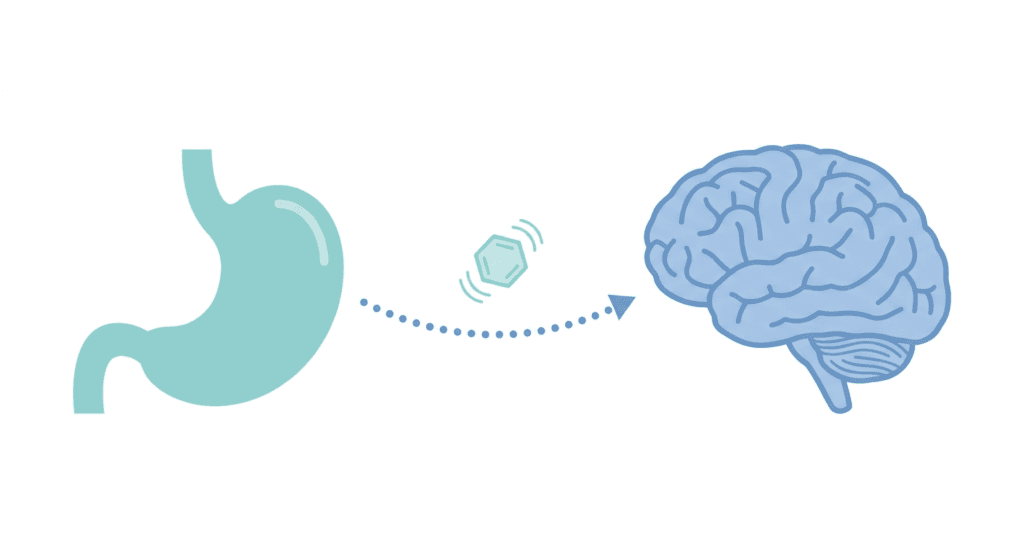
Orforglipron is not a peptide. It is a small molecule, a non-peptide synthetic compound small enough and chemically stable enough to survive the digestive tract and reach GLP-1 receptors without any of those constraints. No absorption enhancer needed. No fasting window. No specific water volume. No food timing restrictions. Once daily, any time, with anything.
| Why the small-molecule distinction matters beyond convenience The peptide-vs-small-molecule difference has practical implications beyond the dosing schedule. Small molecules can typically be manufactured using conventional pharmaceutical chemistry at substantially lower per-unit cost than biologics produced in living cells. This manufacturing accessibility is one reason orforglipron is priced at $149 per month for self-pay patients, already lower than the list prices of injectable semaglutide and tirzepatide products. Small molecules also do not require refrigeration, which means no cold-chain logistics and no concerns about storing the drug in warm environments. For patients in rural or lower-income settings, or in countries without reliable cold-chain infrastructure, this is not a trivial advantage. The trade-off, as the clinical data shows, is that the weight loss achieved with orforglipron is somewhat lower than with the highest-dose injectable GLP-1s. How much that trade-off matters depends entirely on the patient and what they need from the treatment. |
|---|
The ATTAIN Clinical Trial Program: All the Numbers
Foundayo’s approval was based primarily on data from the ATTAIN Phase 3 program. The pivotal ATTAIN-1 trial was published in the New England Journal of Medicine in November 2025.
ATTAIN-1: Adults without diabetes (n=3,127, 72 weeks)
Enrolled adults with obesity (BMI of 30 or higher) or overweight with at least one weight-related comorbidity, without type 2 diabetes. Randomized to orforglipron 6 mg, 12 mg, or 36 mg daily, or placebo.
| Outcome at 72 weeks | Placebo | 6 mg | 12 mg | 36 mg |
|---|---|---|---|---|
| Mean weight loss (efficacy estimand) | 2.1% | 7.5% | 8.4% | 11.2% |
| Mean weight loss (per protocol, completer) | 0.9% | — | — | 12.4% |
| Achieved 10% or more weight loss | — | 30.9% | 37.9% | 54.6% |
| Achieved 15% or more weight loss | — | 16.5% | 21.7% | 36.0% |
| Achieved 20% or more weight loss | — | 7.3% | 10.9% | 18.4% |
| Discontinuation due to adverse events | — | 5.3% | 6.8% | 10.3% |
Source: Wharton S et al. NEJM. 2025;393(18):1796-1806. doi:10.1056/NEJMoa2511774. ATTAIN-1 (NCT05869903).
The 11.2% mean weight loss at the highest dose, or 12.4% among those who completed the full 72 weeks of treatment, is meaningful but sits below what injectable semaglutide and tirzepatide achieve at their highest doses (approximately 15 to 17% and 20 to 22% respectively). Cardiometabolic markers improved significantly across all doses: waist circumference, systolic blood pressure, non-HDL cholesterol, and triglycerides all improved relative to placebo.
ATTAIN-MAINTAIN: Switching from injectables
Published December 2025, ATTAIN-MAINTAIN evaluated patients who had previously achieved weight loss on injectable Wegovy or Zepbound and then switched to oral orforglipron. The key finding: weight previously lost on injectables was maintained. Patients switching from Wegovy maintained with an average difference of 0.9 kg; those from Zepbound similarly. This positions Foundayo as a viable long-term maintenance option for patients who achieve initial weight loss on injectables and want to transition to a no-injection routine.
Foundayo vs. Oral Semaglutide: The Head-to-Head Picture
The obvious comparison for Foundayo is oral semaglutide (Wegovy oral), approved in December 2025, the only other oral GLP-1 therapy. The two drugs are chemically different in an important way, and weighing the data and administration differences clearly helps patients and prescribers make the right choice.
| Feature | Foundayo (orforglipron) | Oral semaglutide (Wegovy oral) |
|---|---|---|
| Molecule type | Small molecule (non-peptide) | Peptide plus SNAC absorption enhancer |
| Food and water restriction | None, any time with or without food | Empty stomach, 4 oz or less water, wait 30 min before eating |
| Refrigeration | Not required | Not required |
| Highest-dose weight loss (non-diabetic obesity) | Approximately 11 to 12% (ATTAIN-1, 36 mg) | Approximately 15% at 25 mg (OASIS 1 trial) |
| Head-to-head in T2D (ACHIEVE-3) | Orforglipron superior on HbA1c and weight vs. 14 mg oral sema | No direct obesity head-to-head trial yet |
| CV outcomes indication | Not yet: ATTAIN-CVRD trial ongoing (post-marketing requirement) | Yes, based on SELECT trial |
| Self-pay price | $149 per month | Not yet available as standalone oral obesity prescription at time of writing |
| Key drug interaction | CYP3A4/P-gp inhibitor: simvastatin limit of 20 mg | Less significant CYP interactions |
The cardiovascular outcomes gap is the most clinically significant difference for high-risk patients. Oral semaglutide carries an approved CV risk reduction indication (reducing major adverse cardiovascular events in overweight or obese adults with established CV disease), based on the SELECT trial. Foundayo does not currently have this indication. That data is pending from ATTAIN-CVRD, one of the nine mandated post-marketing studies. For patients with established cardiovascular disease choosing between these two oral GLP-1 options, that distinction matters.
Who Foundayo Is Approved For
Foundayo is approved as an adjunct to a reduced-calorie diet and increased physical activity for chronic weight management in:
- Adults with a BMI of 30 kg/m² or higher (obesity), or
- Adults with a BMI of 27 kg/m² or higher (overweight) with at least one weight-related comorbidity such as hypertension, dyslipidemia, type 2 diabetes, or obstructive sleep apnea
It is not approved for use in children, in pregnancy, or in combination with other GLP-1 receptor agonists. The diabetes indication is a separate regulatory pathway. Lilly has indicated plans to submit for a type 2 diabetes indication using ACHIEVE-4 trial data by end of Q2 2026.
How to Take Foundayo
Administration is straightforward by GLP-1 standards:
- One tablet taken orally once daily, any time of day, with or without food or water
- Tablets should be swallowed whole, not split, crushed, or chewed
- If a dose is missed, take it as soon as possible on the same day. If the day has passed, skip the missed dose; never double up
- No titration schedule is described in the currently approved prescribing information; discuss with your prescriber
- No refrigeration required; standard room temperature storage
Safety: What You Need to Know Before Starting
Boxed warning: medullary thyroid carcinoma
Foundayo carries a boxed warning for the risk of medullary thyroid carcinoma (MTC). This warning is a class effect shared by all GLP-1 receptor agonists, based on rodent studies showing dose-dependent C-cell tumors. In humans, after many years of GLP-1 use in millions of patients, a clear MTC signal has not definitively emerged in post-marketing surveillance. The warning remains, and the FDA is requiring a 15-year thyroid cancer registry as a post-marketing study. Foundayo is contraindicated in patients with a personal or family history of MTC or Multiple Endocrine Neoplasia syndrome type 2 (MEN 2).
Serious risks
- Pancreatitis: discontinue if pancreatitis is suspected; do not restart
- Severe gastrointestinal reactions: severe nausea, vomiting, and diarrhea; may require hydration support
- Acute kidney injury: may occur in the context of dehydration from GI adverse events
- Hypoglycemia: particularly when co-administered with insulin or sulfonylureas; dose reduction of the concurrent medication may be needed
- Gallbladder disease: cholelithiasis and cholecystitis reported with GLP-1 use
- Serious hypersensitivity reactions: anaphylaxis and angioedema reported with the class
Common side effects
The most common adverse reactions, occurring in 5% or more of patients in ATTAIN-1, were gastrointestinal: nausea, constipation, diarrhea, vomiting, indigestion, and abdominal pain. These are consistent with the GLP-1 class effect and typically occur early in treatment and improve over time. Non-GI common side effects include headache, fatigue, and hair loss (alopecia). Hair loss has been reported with orforglipron as with other GLP-1s. The FDA is requiring a formal post-marketing characterization study to understand frequency, timing, severity, and reversibility.
The CYP3A4 drug interaction: do not overlook this
Orforglipron inhibits CYP3A4 and P-glycoprotein. The most clinically significant interaction: patients on simvastatin should not exceed 20 mg daily while taking Foundayo. This is not a listed side effect; it is a drug-drug interaction requiring dose adjustment of the concurrent medication. Clinicians and pharmacists should review the full prescribing information for all interactions before initiating.
Perioperative considerations
GLP-1 receptor agonists slow gastric emptying, which increases the risk of aspiration under general anesthesia. The American Society of Anesthesiologists recommends holding GLP-1 drugs before elective procedures requiring anesthesia or deep sedation. The FDA is requiring a dedicated delayed gastric emptying post-marketing study for orforglipron. In the interim, the class guidance applies: inform your anesthesiologist that you are taking a GLP-1 drug before any procedure.
Cost, Availability, and Access
| Patient type | Price and access path |
|---|---|
| Commercially insured (eligible) | $25 per month via Lilly’s copay assistance program |
| Self-pay or uninsured | $149 per month through LillyDirect pharmacy |
| Medicare Part D (from July 1, 2026) | $50 per month via CMS Bridge Model, first major Medicare obesity drug coverage expansion |
| Medicaid | Coverage varies by state; contact insurer for formulary status |
| Initial availability | LillyDirect at launch; retail pharmacy and telehealth to follow |
What the FDA Is Still Waiting to Learn
The 50-day approval speed comes with a genuine trade-off: several important safety and long-term efficacy questions remain open. The FDA has mandated nine post-marketing studies that Lilly is legally required to complete, covering cardiovascular outcomes, liver injury, delayed gastric emptying, a 15-year thyroid cancer registry, pediatric safety and efficacy in ages 6 to 12, pregnancy and lactation outcomes, suicidality assessment, alopecia characterization, and a 5-year pharmacoepidemiology study.
For coverage of all nine requirements and what each one means, see our companion post: Foundayo Was Approved in 50 Days. Now the FDA Wants a Decade of Safety Follow-Up.
For related HED coverage on GLP-1 medications, see our posts on GLP-1 medications and PCOS fertility research, the FDA’s review of GLP-1 medications and suicidality reports, and Wegovy HD (semaglutide 7.2 mg) and the STEP UP trial data.
Sources
FDA approval announcement: FDA Approves First New Molecular Entity Under National Priority Voucher Program. FDA.gov. April 1, 2026.
Lilly approval announcement: FDA Approves Lilly’s Foundayo (orforglipron). investor.lilly.com. April 1, 2026.
ATTAIN-1 primary publication: Wharton S et al. Orforglipron, an Oral Small-Molecule GLP-1 Receptor Agonist for Obesity Treatment. NEJM. 2025;393(18):1796-1806. doi:10.1056/NEJMoa2511774
ATTAIN-1 trial registration: NCT05869903. ClinicalTrials.gov.
ATTAIN-MAINTAIN: Lilly. Orforglipron helped people maintain weight loss after switching from injectables. December 18, 2025. investor.lilly.com.
ACHIEVE-3 head-to-head: Orforglipron vs. oral semaglutide head-to-head Phase 3. The Lancet. February 2026.
SELECT trial (oral semaglutide CV outcomes): Lincoff AM et al. Semaglutide and Cardiovascular Outcomes in Obesity without Diabetes. NEJM. 2023. doi:10.1056/NEJMoa2307563
FDA NDA approval letter: NDA 220934 Orig1s000 Approval Letter. April 14, 2026. accessdata.fda.gov.
Foundayo prescribing information: Foundayo (orforglipron) Prescribing Information. Eli Lilly. April 2026.
Oral GLP-1 comparison: Two Oral GLP-1s Increase Options for Patient Care. Medscape. April 2026.
Medicare CMS Bridge Model: CMS. CMS Bridge Model for obesity drug coverage. cms.gov.
GLP-1 gastric emptying: Delayed Gastric Emptying and GLP-1 Receptor Agonists. PMC10183139.
ASA perioperative guidance: American Society of Anesthesiologists GLP-1 guidance. asahq.org.
CYP3A4 reference: CYP3A4. StatPearls. NCBI.
GLP-1 mechanism: GLP-1 Receptor Agonists. StatPearls. NCBI.
Semaglutide pharmacology: Semaglutide. StatPearls. NCBI.
HED companion post: Foundayo Was Approved in 50 Days. Now the FDA Wants a Decade of Safety Follow-Up.
| Disclaimer: Health Evidence Digest provides general information about FDA approvals and health research for educational purposes. This content is not a substitute for professional medical advice, diagnosis, or treatment. Drug pricing information reflects figures at time of publication and is subject to change. Always consult a qualified healthcare provider regarding medication decisions. |
|---|
Leave a Reply