Tag: rare disease

  • Von Willebrand Disease Is the Most Common Inherited Bleeding Disorder in the World. In Young Children With Severe Disease, Prophylactic Treatment Has Lacked Any FDA-Approved Option Until Now.

    Von Willebrand Disease Is the Most Common Inherited Bleeding Disorder in the World. In Young Children With Severe Disease, Prophylactic Treatment Has Lacked Any FDA-Approved Option Until Now.

    The essentials: On July 2, 2026, the FDA approved expanded use of Wilate (von Willebrand Factor/Coagulation Factor VIII Complex Human, Octapharma) for routine prophylaxis to reduce the frequency of bleeding episodes in pediatric patients with von Willebrand disease (VWD) who are younger than 6 years of age. The prior lower age limit for the prophylaxis indication was 6 years. This makes Wilate the first and only VWF concentrate approved for prophylactic treatment across all ages and all types of VWD, from early childhood through adulthood. What this approval is: a label expansion for an established, approved product adding the under-6 prophylaxis indication. Wilate has been approved since December 2009, with the prophylaxis indication for adults and children aged 6 and older added in December 2023. The July 2, 2026 action fills the youngest pediatric gap. The WIL-33 trial: Phase 3 open-label, multicenter, international trial (NCT04953884), 12 patients, median age 2.0 years (range 1.0 to 5.0), all with severe VWD (VWF:RCo below 20%). VWD types: type 2 (4 patients; 3 type 2A, 1 type 2B); type 3 (8 patients). Dosing: 30 to 50 IU/kg administered intravenously 2 to 3 times per week over 12 months. Primary endpoint: total annualized bleeding rate (TABR) during prophylaxis. Results: mean TABR 4.6 (standard deviation 6.1) in the full analysis set; 2.7 (SD 1.8) in the per-protocol robustness set. Mean spontaneous ABR 0.9 (SD 1.2), indicating very low spontaneous bleeding on prophylaxis. 98.2% of all 56 bleeding episodes during prophylaxis were minor in nature. 95.6% of treated bleeding episodes required only 1 infusion to control. Pharmacokinetics: VWF:RCo half-life 11.7 hours, within expected ranges for this age group. No thrombotic events or FVIII accumulation. ABR comparison across age groups in the prescribing information: 4.6 (younger than 6 years) versus 3.73 (6 to 12 years) versus 4.28 (12 to younger than 17 years), showing consistency across the full pediatric range. The approval fulfills FDA postmarketing requirement number 1 established following the December 2023 prophylaxis approval. This is also the first prospective, dedicated clinical trial of VWF prophylaxis in children under 6 years worldwide: prior to WIL-33, practice guidance for this age group was extrapolated from very small case series and adult data.

    Von Willebrand disease is frequently described as the most common inherited bleeding disorder in the world, and the description is accurate. Affecting an estimated 1 in 100 to 1 in 1,000 people depending on the diagnostic threshold used, VWD is far more prevalent than hemophilia. Yet it is substantially less visible in the public discourse, receives less research funding in proportion to its disease burden, and is diagnosed and managed less systematically, particularly at the severe end of the spectrum where the clinical consequences are most significant.

    For children with severe VWD, the bleeding risk is real and starts early. Nosebleeds that last hours. Bruising from minor contact. Mucosal bleeding that does not stop without intervention. In VWD type 3, the most severe form, joint bleeds can occur and cause the same progressive joint damage seen in hemophilia. The youngest children face these risks at a time when they are developmentally most active, most prone to minor trauma, and least able to communicate pain or bleeding symptoms to caregivers.

    Evidence-based guidelines have recommended prophylactic VWF replacement therapy for patients with severe, frequent bleeds since this approach was demonstrated to reduce bleeding rates substantially in older patients and adults. But until July 2, 2026, pediatric hematologists managing children younger than 6 years with severe VWD had no FDA-approved option for routine prophylaxis. They were extrapolating from older patient data, using off-label approaches, or treating on-demand only: waiting for a bleed to occur before intervening rather than preventing it.

    Wilate (Octapharma) is now approved for this purpose. The Phase 3 WIL-33 trial, the first dedicated prospective global trial of VWF prophylaxis specifically in children under 6 years, enrolled 12 children with a median age of 2 years and demonstrated that prophylaxis was safe, well-tolerated, and associated with low bleeding rates across all VWD types. The spontaneous bleeding rate was 0.9 events per year on average, 98.2% of all bleeds during prophylaxis were minor, and no thrombotic events occurred.


    What Von Willebrand Disease Is: The Disease and the Protein

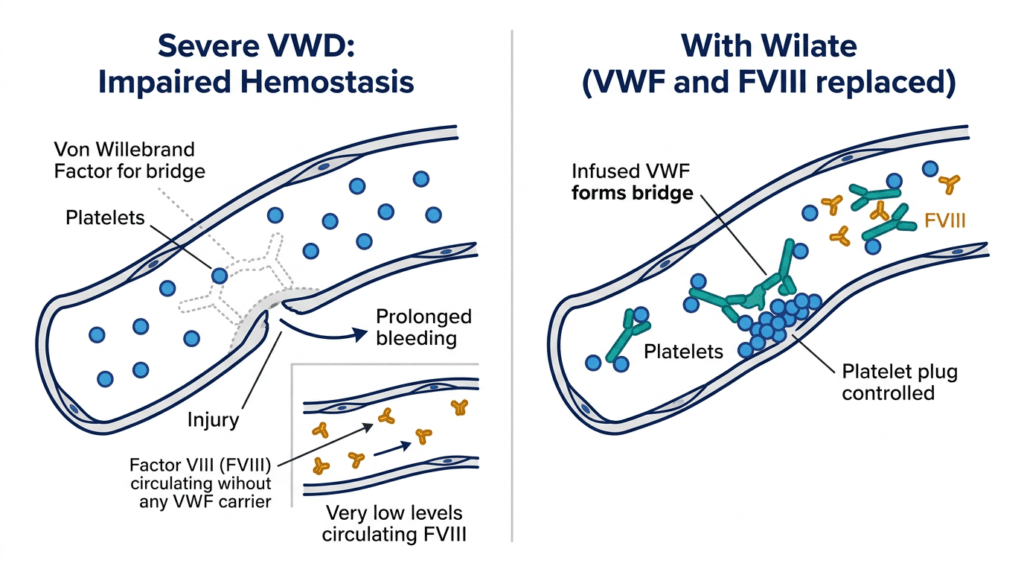
    Von Willebrand factor (VWF) is a large multimeric glycoprotein produced by endothelial cells and megakaryocytes and stored in Weibel-Palade bodies in the vascular endothelium and in platelet alpha granules. It serves two essential functions in hemostasis. The first is platelet adhesion: when a blood vessel is injured, VWF binds to exposed subendothelial collagen and then captures circulating platelets via the platelet surface receptor GPIb-IX-V, enabling primary platelet plug formation. The second is FVIII stabilization: VWF circulates in the blood as a carrier protein for coagulation factor VIII, protecting it from premature degradation and concentrating it at sites of vascular injury where coagulation is needed.

    Von Willebrand disease results from quantitative deficiency or qualitative dysfunction of VWF. The consequences of VWF deficiency are impaired platelet adhesion (reduced primary hemostasis) and reduced FVIII levels (impaired secondary coagulation), together producing a bleeding tendency that ranges from mild to severe.

    VWD is classified into three main types:

    Type 1 (approximately 60 to 80% of cases): Partial quantitative deficiency of VWF, with structurally normal protein but reduced levels. Typically mild, often not requiring regular treatment.

    Type 2 (approximately 15 to 30% of cases): Qualitative abnormality of VWF, with normal or near-normal quantities but dysfunctional protein. Divided into subtypes: type 2A (reduced high-molecular-weight multimers), type 2B (enhanced binding to platelet GPIb, which paradoxically depletes VWF and platelets), type 2M (reduced platelet-dependent function without loss of multimers), and type 2N (reduced binding affinity for FVIII).

    Type 3 (approximately 1 to 5% of cases): Severe quantitative deficiency of VWF, with virtual absence of the protein and correspondingly very low FVIII levels. This is the most severe form, producing significant spontaneous mucosal bleeding, joint bleeding, and surgical bleeding risk. The WIL-33 trial enrolled primarily type 3 patients (8 of 12) with 4 type 2 patients, reflecting the clinical priority of treating the highest-risk children.

    The clinical features of VWD reflect its primary hemostatic defect: mucosal bleeding is the dominant symptom. Nosebleeds that are prolonged, difficult to control, and recurrent. Gum bleeding. Easy bruising disproportionate to the trauma that caused it. In females with VWD, heavy menstrual bleeding is often the presenting complaint. Gastrointestinal bleeding. Postoperative bleeding. In type 3 and some type 2 subtypes, joint bleeding (hemarthrosis) occurs and can cause the same progressive arthropathy seen in hemophilia A and B.

    VWD affects approximately 3.2 million Americans at some level of severity, though most have mild type 1 disease. Approximately 20,000 to 40,000 people in the United States have type 3 or severe type 2 disease requiring regular treatment. The disease occurs across all racial and ethnic groups and affects males and females approximately equally, though females are more often diagnosed because of heavy menstrual bleeding bringing them to medical attention.


    Why Prophylaxis Matters: The Case for Prevention Over On-Demand Treatment

    The management of severe VWD has historically followed one of two approaches: on-demand treatment, in which VWF-containing product is administered only when a bleeding episode occurs or is anticipated, or prophylactic treatment, in which VWF is administered regularly to maintain hemostatic function and prevent bleeds from occurring in the first place.

    The evidence supporting prophylaxis over on-demand treatment in severe VWD is well-established for adults and older children. The prior pivotal trial program for Wilate’s prophylaxis indication (WIL-31, which supported the December 2023 approval for ages 6 and older) showed an 84% reduction in mean total annualized bleeding rate when patients switched from on-demand to prophylactic treatment. This magnitude of benefit is consistent with what has been shown for hemophilia prophylaxis: preventing bleeds prevents the cumulative damage from repeated tissue injury.

    For young children specifically, the case for early prophylaxis carries additional weight. Repeated mucosal bleeding events, even minor ones, cause pain, family anxiety, and healthcare utilization from infancy. More significantly, joint bleeding in type 3 VWD begins accumulating damage from the first events, and joint damage in childhood is progressive and irreversible. Starting prophylaxis before a pattern of bleeding-related complications develops, rather than after, is the logical application of the same principle that moved hemophilia management from on-demand to prophylaxis in the 1980s and 1990s.

    As Dr. Akshat Jain, MD, MPH, principal investigator of the WIL-33 trial, noted: prior research into prophylactic treatment for VWD has been very limited in this age group. Now there is pharmacokinetic data and clinical evidence to confirm that VWF prophylaxis is safe, effective, and well-tolerated in pediatric patients with VWD, including children younger than 6 years of age.

    Why treating VWD under age 6 has been so underdeveloped VWD in young children presents a compound challenge for clinical research. The disease is less visible than hemophilia, receives less funding, and its heterogeneity across types makes population-level study design complex. The youngest children, particularly those under 6, are also the hardest to enroll in clinical trials: they require pediatric-specific pharmacokinetic studies with appropriate dosing, they cannot report symptoms reliably, and their caregivers face significant logistical burdens in trial participation. The WIL-33 trial is, by the account of its investigators, the first prospective, dedicated global clinical trial of VWF prophylaxis specifically in children under 6 years with severe VWD. Previous practice guidance in this age range relied on extrapolation from adult and older pediatric data, small case series, and individual center experience. This evidentiary gap was the basis for the FDA’s postmarketing requirement number 1 established in 2023, requiring Octapharma to conduct and submit WIL-33 data. The July 2, 2026 approval reflects the completion of that commitment.

    What Wilate Is: The Product and Its Mechanism

    Wilate is a plasma-derived combination product containing von Willebrand factor and coagulation factor VIII, both derived from human plasma and manufactured by Octapharma using a proprietary purification process that includes two dedicated viral inactivation steps (solvent/detergent treatment and dry heat treatment at 100°C for 2 hours) and nanofiltration for pathogen safety.

    The combination of VWF and FVIII in a single product reflects the biological relationship between the two proteins. VWF carries FVIII in the circulation and protects it from premature clearance. In VWF-deficient patients, FVIII levels are also reduced (especially in type 3 VWD), because FVIII is rapidly degraded without its VWF carrier. Replacing VWF alone ultimately stabilizes endogenous and exogenous FVIII; replacing both together in a single dose addresses the immediate hemostatic deficiency more completely.

    The 1:1 ratio of VWF:RCo to FVIII in Wilate’s formulation is designed to reflect the physiological ratio of these proteins in circulation, providing balanced hemostatic support without excessive FVIII accumulation over time.

    The product’s full indication coverage after July 2026

    IndicationPatient populationApproval date
    On-demand treatment and control of bleeding episodes (VWD)Adults and pediatric patients, all agesDecember 4, 2009
    Perioperative management of bleeding (VWD)Adults and pediatric patients, all agesAugust 13, 2015
    Routine prophylaxis to reduce frequency of bleeding episodes (VWD)Adults and pediatric patients aged 6 and olderDecember 1, 2023
    On-demand treatment and control of bleeding episodes (hemophilia A)Adults and patients aged 12 and olderOctober 8, 2019
    Routine prophylaxis for bleeding episodes (hemophilia A)Adults and patients aged 12 and olderOctober 8, 2019
    Routine prophylaxis to reduce frequency of bleeding episodes (VWD)Pediatric patients younger than 6 yearsJuly 2, 2026

    The WIL-33 Trial: Full Data

    Design

    WIL-33 (NCT04953884) was a Phase 3, open-label, prospective, non-controlled, international, multicenter trial evaluating efficacy, pharmacokinetics, immunogenicity, and safety of Wilate prophylaxis in children younger than 6 years with severe VWD, defined as VWF ristocetin cofactor activity (VWF:RCo) below 20%. This is a clinically relevant threshold: VWF:RCo below 20% identifies the most severely affected patients, including virtually all type 3 patients and the most clinically significant type 2 subtypes.

    The 12 enrolled patients had a median age of 2.0 years (range 1.0 to 5.0 years), making this a genuinely very young cohort. Eight patients had type 3 VWD and four had type 2 VWD (3 type 2A and 1 type 2B). This distribution reflects the clinical priority: type 3 VWD carries the most severe bleeding risk and the most compelling need for prophylaxis.

    Wilate was administered intravenously at 30 to 50 IU/kg, two to three times per week, for 12 months. The primary endpoint was the total annualized bleeding rate (TABR) during prophylaxis, capturing spontaneous, traumatic, and other bleeds occurring between the first prophylactic dose and study completion.

    Efficacy results

    EndpointFull analysis set (n=12)Per-protocol robustness set (n=9)
    Mean total ABR (TABR)4.6 (SD 6.1)2.7 (SD 1.8)
    Mean TABR, type 2 VWD2.1 (SD 1.0)2.0 (SD 1.1)
    Mean TABR, type 3 VWD5.8 (SD 7.2)3.4 (SD 2.2)
    Mean spontaneous ABR0.9 (SD 1.2)1.0 (SD 1.3)
    Total bleeding episodes during prophylaxis56
    Episodes classified as minor98.2% (55 of 56)
    Treated bleeding episodes requiring only 1 infusion95.6% (43 of 45)
    Median weekly prophylactic dose100 IU/kg (range 63 to 311, FAS); 92 IU/kg (range 63 to 130, PPR)

    Source: WIL-33 ASH 2025 abstract. Blood. 2025;146(Supplement 1):4855. NCT04953884.

    The primary finding is a mean TABR of 4.6 in the full analysis set, falling to 2.7 in the per-protocol population that excluded patients with dosing deviations. The spontaneous ABR of 0.9 is particularly meaningful: spontaneous bleeds (those occurring without identifiable trauma or provocation) are the most clinically significant bleeding category in VWD, reflecting the adequacy of hemostatic protection during daily life. A mean of fewer than one spontaneous bleed per year in children aged 1 to 5 with severe VWD represents effective prophylactic coverage.

    An important contextual note: 22 of the 56 total bleeding episodes (39%) occurred in a single patient whose bleeds were attributed to allergic rhinitis rather than hemostatic failure. Allergic rhinitis causes mucosal inflammation that can trigger or exacerbate nosebleeds in VWD patients even on adequate prophylaxis. When this one patient’s unusual contribution to the total bleed count is considered, the underlying prophylaxis performance across the rest of the cohort is even more favorable.

    The per-protocol robustness set (n=9, excluding 3 patients with dosing deviations), with a mean TABR of 2.7 and type 3-specific rate of 3.4, likely represents the most informative dataset for predicting outcomes in a clinical practice setting where adherence to the recommended dosing protocol is achieved.

    Pharmacokinetics

    The mean VWF:RCo half-life in children under 6 was 11.7 hours, within the expected range established from data in older patients and adults and consistent with the pharmacokinetic modeling used to support the 2 to 3 times weekly dosing schedule. No clinically meaningful differences in pharmacokinetic parameters from older age groups were identified, supporting the extrapolation of the established dosing guidance to this youngest patient population.
    Comparison across age groups

    One of the most informative elements of the approved prescribing information is the cross-age ABR comparison:

    Age groupTotal ABR during prophylaxis
    Younger than 6 years (WIL-33)4.6
    6 to 12 years (WIL-31 pediatric cohort)3.73
    12 to younger than 17 years (WIL-31 adolescent cohort)4.28

    The consistency of the ABR values across age groups in the pediatric range is clinically reassuring: children under 6 on prophylaxis have bleeding rates comparable to older children on the same treatment. The slightly higher absolute ABR in the youngest group likely reflects their developmental stage (more minor trauma from active play and toddler activity) and the contribution of the single rhinitis patient, rather than a true pharmacodynamic age effect.

    Safety

    Wilate was well-tolerated in the WIL-33 population. No thrombotic events occurred. No FVIII accumulation was observed, consistent with the physiological 1:1 VWF:FVIII ratio in the product. No inhibitor formation (neutralizing antibodies against VWF or FVIII) was detected in the study period, though inhibitor development remains a potential risk of any VWF-containing product requiring ongoing monitoring.

    One patient discontinued prematurely due to adverse events that were not classified as treatment-emergent, and this patient was excluded from the per-protocol analysis set. The specific nature of these events is not described in the available publications.


    Safety: What the Prescribing Information Covers

    Wilate’s safety profile is well-characterized across its 17-year history of use since 2009, and the warnings applicable to the under-6 prophylaxis indication are consistent with the established class-level risks of plasma-derived VWF/FVIII concentrates.

    Hypersensitivity and anaphylaxis: Serious hypersensitivity reactions, including anaphylaxis, can occur with Wilate and with plasma-derived coagulation products generally. Type 2B VWD patients are particularly noted in the prescribing information because VWF infusion can cause platelet aggregation and thrombocytopenia in this subtype through enhanced binding of infused VWF to platelet GPIb. Close monitoring and platelet counts during treatment initiation are recommended for type 2B patients.

    Thromboembolic events: Thrombosis has been reported with VWF-containing products, particularly in patients with additional thrombotic risk factors or when products are used at high doses in perioperative settings. No thrombotic events occurred in WIL-33, but monitoring for signs and symptoms of thrombosis remains a prescribing information requirement.

    FVIII monitoring: Because Wilate contains FVIII in addition to VWF, plasma FVIII activity should be monitored, particularly during high-dose or prolonged use, to avoid supra-physiological FVIII levels that could increase thrombotic risk. In the WIL-33 pediatric prophylaxis setting at the recommended 30 to 50 IU/kg doses, FVIII accumulation was not observed.

    Inhibitor development: Development of neutralizing antibodies (inhibitors) against VWF or FVIII can occur with any plasma-derived or recombinant coagulation factor product, though it is less common with VWF products than with factor concentrates used in hemophilia. Immunogenicity monitoring was conducted in WIL-33 and no inhibitors were detected.

    Plasma-derived product risk: As with any product derived from human plasma, despite multiple viral inactivation and reduction steps, the theoretical risk of transmission of blood-borne infectious agents cannot be entirely eliminated. Patients and families should be counseled about this risk, which is considered very low given the manufacturing safeguards.


    What This Means for Pediatric Hematologists and Families

    For pediatric hematologists

    The practical implication of this approval is straightforward: children younger than 6 years with severe VWD (types 2 or 3) who have a documented history of frequent or severe bleeding episodes now have an FDA-approved option for routine prophylaxis. The WIL-33 dosing guidance, 30 to 50 IU/kg administered intravenously 2 to 3 times per week, is consistent with what has been used in older patients and can be initiated under the existing Wilate label without the need for off-label justification.

    The small sample size of WIL-33 (n=12) is the most important interpretive limitation. The trial was designed and sized as a dedicated pediatric PK and safety study, not a large-scale efficacy trial. The bleeding rate data support efficacy at a clinical level, but the confidence intervals around the mean TABR are wide given the sample size, and the contribution of one outlier patient to total bleed count is substantial. Clinical practice should incorporate this context when counseling families about expected outcomes.

    The cross-age ABR consistency in the prescribing information, showing comparable values across pediatric age groups, is the most practically useful data point for framing treatment expectations: children under 6 on Wilate prophylaxis achieve bleeding control comparable to older children on the same regimen.

    For patients with type 2B VWD specifically, the enhanced VWF-platelet interaction that characterizes this subtype warrants careful monitoring during treatment initiation, including platelet counts, consistent with the prescribing information.

    For families

    If your child is younger than 6 and has been diagnosed with severe VWD (type 2 or type 3) and experiences frequent or significant bleeding episodes, Wilate prophylaxis is now an FDA-approved option. The discussion with your child’s pediatric hematologist about whether prophylaxis is appropriate should include your child’s bleeding history, the frequency and severity of episodes, and whether the venous access and infusion frequency (2 to 3 times weekly by intravenous infusion) are practical given your child’s age and individual circumstances.

    For very young children requiring regular IV infusions, central venous access devices (port-a-cath or implanted port) are sometimes considered to facilitate consistent treatment. This is a decision made by the treating hematologist in consultation with the family, weighing the benefits of reliable venous access against the procedural and infection risks of central line placement.

    Patient support resources for VWD families include the National Hemophilia Foundation (hemophilia.org; 1-800-42-HANDI), which provides information on both hemophilia and VWD across all ages, and the VWD Connect Foundation, which focuses specifically on the VWD community.

    For related HED coverage on rare pediatric hematologic disease and gene therapy, see our post on Casgevy (exagamglogene autotemcel) expanding to patients as young as age 2 with sickle cell disease and transfusion-dependent beta thalassemia and our post on Hympavzi (marstacimab-hncq) becoming available to children aged 6 to 11 and to patients with hemophilia inhibitors.


    Sources

    Octapharma FDA approval press release: Octapharma USA Announces Expanded FDA Approval of wilate for von Willebrand Disease Prophylaxis in Children Younger Than 6 Years. PRNewswire. July 8, 2026.

    BioSpace press release: Octapharma USA Announces Expanded FDA Approval of wilate for von Willebrand Disease Prophylaxis in Children Younger Than 6 Years. biospace.com. July 8, 2026.

    Drugs.com approval news: Octapharma USA Announces Expanded FDA Approval of Wilate for von Willebrand Disease Prophylaxis in Children Younger Than 6 Years. drugs.com. July 8, 2026.

    BioPharm International (PMR context, safety summary): FDA Approves Expanded Use of Wilate for Von Willebrand Disease Prophylaxis in Children Under Age 6. biopharminternational.com. July 2026.

    AJMC (first dedicated prospective trial context, Dr. Jain and Nielsen quotes): FDA Expands Approval for VWD Prophylaxis in Children Younger Than 6. ajmc.com. July 2026.

    Hematology Advisor (WIL-33 full data table, ABR breakdown by type, spontaneous ABR): FDA Expands Wilate Approval for VWD Prophylaxis in Children Under 6. hematologyadvisor.com. July 2026.

    Hematology Advisor (WIL-33 interim data, first prospective trial): First Prospective Global Trial Demonstrates Benefit of VWF Prophylaxis in Young Children With Severe VWD. hematologyadvisor.com. December 2025.

    Pharmacy Times (cross-age ABR comparison data from PI, treated episode infusion data): FDA Expands Wilate Approval for Routine Prophylaxis in Children Younger Than 6 With von Willebrand Disease. pharmacytimes.com. July 2026.

    Pharmacally (PMR fulfillment detail): FDA Expands WILATE Prophylaxis Approval to Children Under 6 With von Willebrand Disease. pharmacally.com. July 2026.

    Healio (Dr. Kaushal expansion statement): FDA expands Casgevy approval to children 2 years and older with sickle cell disease. healio.com.

    WIL-33 ASH 2025 abstract (Blood): Plasma-derived VWF/FVIII prophylaxis in children under 6 with VWD: First results from WIL-33. Blood. 2025;146(Supplement 1):4855. doi:10.1182/blood-2025-219636.

    WIL-33 trial registration: NCT04953884. ClinicalTrials.gov.

    VWD overview: Von Willebrand Disease. StatPearls. NCBI.

    CDC VWD facts: Von Willebrand Disease Data and Statistics. CDC.

    Original Wilate FDA approval (December 2009): FDA Approves Wilate, the First Replacement Therapy Developed Specifically for Von Willebrand Disease. Octapharma. December 2009.

    Wilate prescribing information: WILATE Prescribing Information. Octapharma. 2026.

    Wilate approval history: Wilate FDA Approval History. drugs.com.

    Patient resources: National Hemophilia Foundation: 1-800-42-HANDI | VWD Connect Foundation | Octapharma Wilate patient information

    Disclaimer: Health Evidence Digest provides general information about FDA approvals and health research for educational purposes. This content is not a substitute for professional medical advice. The WIL-33 trial enrolled 12 patients; the relatively small sample size should be considered when interpreting bleeding rate estimates and their precision. Decisions about initiating routine prophylaxis with Wilate in children younger than 6 years with von Willebrand disease should be made in consultation with a board-certified pediatric hematologist with expertise in bleeding disorders, taking into account the individual child’s VWD type, bleeding history, and the practical considerations of regular intravenous infusion in young children.
  • The World’s First CRISPR Gene Therapy Was Approved in 2023 for Patients 12 and Older. On July 1, 2026, It Became Available to Children as Young as Age Two. Here Is What That Means.

    The World’s First CRISPR Gene Therapy Was Approved in 2023 for Patients 12 and Older. On July 1, 2026, It Became Available to Children as Young as Age Two. Here Is What That Means.

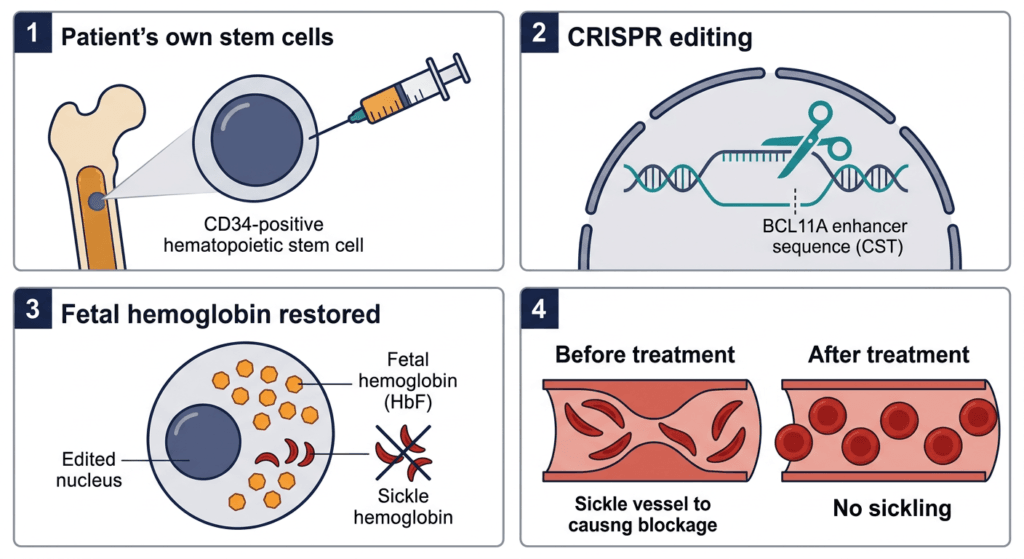
    The essentials: On July 1, 2026, the FDA granted supplemental approval to Casgevy (exagamglogene autotemcel, Vertex Pharmaceuticals and CRISPR Therapeutics) for patients aged 2 years and older with either sickle cell disease (SCD) with recurrent vaso-occlusive crises (VOCs) or transfusion-dependent beta thalassemia (TDT). The prior lower age limit was 12 years. Casgevy is now the first gene therapy approved for young children with SCD and the first CRISPR-based gene editing therapy to reach patients as young as age 2 in either condition. This expansion makes approximately 5,500 additional children in the United States newly eligible for this one-time therapy. What Casgevy is: an autologous CRISPR/Cas9 genome-edited hematopoietic stem cell-based gene therapy that edits the patient’s own CD34-positive stem cells ex vivo to reactivate fetal hemoglobin (HbF) production. The edited cells are infused back into the patient in a single dose following myeloablative conditioning. Fetal hemoglobin, which does not sickle and is not affected by beta-thalassemia mutations, compensates for the defective adult hemoglobin and prevents the downstream complications of both diseases. The evidence base for the age expansion rests on two distinct evidentiary components: for children aged 5 to younger than 12 years: Phase 3 CLIMB-151 (NCT05329649 for SCD) and Phase 3 CLIMB-141 (for TDT), with clinical trial data presented at EHA 2026 and simultaneously published in the New England Journal of Medicine. CLIMB-151 SCD cohort (ages 5 to 11, n=11 dosed): 100% of patients (8 of 8) with sufficient follow-up achieved VF12 (freedom from VOCs for at least 12 consecutive months); mean VOC-free duration 19.0 months (range 13.2 to 30.1 months). CLIMB-141 TDT cohort (ages 5 to 11, n=15 dosed): 100% of patients (8 of 8) with sufficient follow-up achieved TI12 (transfusion independence for at least 12 consecutive months while maintaining weighted average hemoglobin at or above 9 g/dL); mean transfusion-free duration 23.4 months (range 13.3 to 28.5 months). For children aged 2 to younger than 5 years: approval based on product characteristics and extrapolated clinical study data; CLIMB-141 and CLIMB-151 are ongoing for this youngest cohort. Long-term adult/adolescent data (CLIMB-121/CLIMB-111/CLIMB-131 as of April 2025): SCD: 100% of patients (45 of 45) achieved VF12; mean VOC-free duration 35.3 months (range 12.9 to 67.7 months). TDT: 98.2% of patients (55 of 56) achieved TI12; mean transfusion-free duration 41.4 months (range 13 to 72.3 months). Safety in children ages 5 to 11: consistent with myeloablative conditioning and autologous transplant as established in older patients. Most common grade 3 or 4 non-laboratory adverse reactions: mucositis and febrile neutropenia (SCD and TDT); decreased appetite (TDT). One death in the CLIMB-141 TDT cohort from severe veno-occlusive disease attributed to busulfan conditioning, not to Casgevy.

    Sickle cell disease and transfusion-dependent beta thalassemia are diseases that begin damaging the body in early childhood. The sickling crises that define SCD can begin as early as the first year of life. The transfusion burden of TDT typically starts before age two. Organ damage, stroke risk, growth delay, developmental disruption, and the cumulative physical and psychological toll of years of medical management all accumulate from the earliest years onward.

    For a one-time curative gene therapy, the question of when to treat matters profoundly. Treating a child at age eight who has already spent years hospitalized with pain crises and organ damage prevents further damage but cannot reverse what has already occurred. Treating a child at age two, before years of disease burden have accumulated, offers the possibility of a genuinely different life trajectory rather than a rescue from an already-damaged one.

    When the FDA first approved Casgevy in December 2023 as the world’s first CRISPR-based gene therapy, the lower age limit was 12 years. That was appropriate given the evidence available at the time. But it left the children most vulnerable to early-onset disease complications, those under 12, without access to a therapy that might prevent those complications before they developed.

    The July 1, 2026 supplemental approval, expanding Casgevy to patients aged 2 and older, is supported by Phase 3 data in children aged 5 to 11 showing the same complete response rates in SCD and TDT that have been observed in adults and adolescents. In the CLIMB-151 SCD trial, every child with sufficient follow-up was free from vaso-occlusive crises. In CLIMB-141 for TDT, every child with sufficient follow-up achieved transfusion independence. And the long-term data in adults and adolescents continues to show durable fetal hemoglobin expression and disease-free survival approaching six years in some patients.


    What Sickle Cell Disease and Transfusion-Dependent Beta Thalassemia Are

    Sickle cell disease

    Sickle cell disease is caused by a point mutation in the HBB gene encoding the beta-globin subunit of hemoglobin. The most common and severe form, sickle cell anemia (HbSS), results from homozygous inheritance of the HbS allele. The abnormal HbS hemoglobin polymerizes when deoxygenated, deforming red blood cells into the rigid, crescent-shaped “sickle” morphology that gives the disease its name.

    These sickled cells have a much shorter lifespan than normal red cells (10 to 20 days versus 120 days), causing chronic hemolytic anemia. They are also rigid and adhesive, obstructing blood flow in small vessels and triggering the vaso-occlusive crises (VOCs) that are the hallmark of severe SCD. A vaso-occlusive crisis is a period of intense pain caused by ischemia in the affected tissue. Episodes last hours to days, frequently require hospitalization and opioid analgesia, and represent the leading cause of emergency department visits and hospitalizations for patients with SCD.

    The cumulative damage from repeated VOCs is devastating. Strokes occur in approximately 11% of children with SCD before age 20 without preventive treatment. Pulmonary hypertension, kidney disease, avascular necrosis of the joints, chronic pain, and progressive organ failure accumulate over years and decades. Life expectancy, though improved by modern management, is shortened by 20 to 30 years compared to the general population.

    Approximately 100,000 Americans are affected by SCD, with the disease disproportionately impacting people of African descent. Approximately 1 in 365 Black Americans is born with SCD. The disease is also prevalent in Hispanic, Mediterranean, Middle Eastern, and South Asian populations. In the U.S., newborn screening detects SCD at birth, meaning the diagnosis is typically established in infancy.

    Transfusion-dependent beta thalassemia

    Beta thalassemia results from mutations in the HBB gene that reduce or eliminate beta-globin production. In transfusion-dependent beta thalassemia (the most severe form, also called thalassemia major), both copies of the HBB gene are severely affected, resulting in near-total absence of normal adult hemoglobin. Red blood cells are small, fragile, and short-lived. Without intervention, the resulting severe anemia is life-threatening.

    The standard treatment for TDT is lifelong regular blood transfusions, typically every 3 to 5 weeks, to maintain hemoglobin levels adequate for normal function. These transfusions come with their own burden: over years and decades, iron accumulates in tissues from transfused red blood cells, causing iron overload that damages the heart, liver, and endocrine organs. Iron chelation therapy is required alongside transfusions to manage this accumulation. The combined burden of regular transfusions, chelation therapy, and monitoring defines the life of a child with TDT from the first years onward.

    Approximately 1,000 Americans have TDT, with substantially higher global prevalence in the Mediterranean basin, the Middle East, and South and Southeast Asia.

    Why early treatment matters more than it might seem

    The case for treating SCD and TDT as early as possible is straightforward. These are not diseases that begin causing harm in adolescence. A child with severe SCD is at risk for stroke from the first years of life. A child with TDT begins accumulating iron overload from the first transfusions. The organ damage that reduces life expectancy and quality of life is cumulative. Every year of exposure to the underlying disease, without disease modification, represents irreversible damage.

    The prior lower age limit of 12 years for Casgevy meant that a child diagnosed with SCD at birth would not be eligible for this one-time curative therapy until 12 years of disease burden had accumulated. For a therapy that can potentially eliminate VOCs and transfusion dependence with a single treatment, treating earlier means preventing more cumulative harm.


    How CRISPR/Cas9 Gene Editing Works in Casgevy: The Science

    Casgevy is the first approved therapeutic use of CRISPR/Cas9 (clustered regularly interspaced short palindromic repeats and CRISPR-associated protein 9) technology in humans. Understanding what it does requires understanding why the target it edits matters.

    The fetal hemoglobin solution

    Adult human hemoglobin consists of two alpha-globin and two beta-globin chains. The beta-globin gene is the site of mutation in both SCD and TDT. During fetal development, the body produces a different form of hemoglobin: fetal hemoglobin (HbF), which uses gamma-globin chains instead of beta-globin. HbF is the oxygen-carrying hemoglobin of the fetus and newborn; it is gradually replaced by adult hemoglobin (HbA) during the first year of life as the gamma-globin genes are switched off.

    HbF does not sickle. The alpha-gamma chains of HbF do not polymerize in response to deoxygenation the way HbS chains do. And HbF compensates for absent or deficient beta-globin in TDT, because its gamma-globin chains pair with alpha-globin to form functional hemoglobin molecules. People who retain elevated HbF production into adult life due to a genetic variant called hereditary persistence of fetal hemoglobin (HPFH) are protected from sickle cell disease symptoms even when they carry the HbS allele.

    The therapeutic insight behind Casgevy is to reactivate HbF production by editing the gene that normally switches it off. The primary switch for HbF silencing in adult life is a transcriptional repressor called BCL11A. BCL11A binds to an erythroid enhancer region and suppresses gamma-globin gene expression, reducing HbF to the low levels seen in most adults. Deleting or disrupting this BCL11A erythroid enhancer through CRISPR editing allows gamma-globin expression to resume and HbF to accumulate in adult red cells.

    The ex vivo editing process

    The gene editing in Casgevy does not occur inside the patient. It occurs in the manufacturing laboratory, and the process follows a sequence of steps:

    Mobilization and collection: The patient receives growth factor medications (G-CSF and plerixafor) to mobilize hematopoietic stem and progenitor cells (HSPCs) from the bone marrow into the peripheral blood, where they are collected by apheresis.

    Ex vivo CRISPR/Cas9 editing: The collected CD34-positive HSPCs are taken to a manufacturing facility where CRISPR/Cas9 components are delivered into the cells. The Cas9 protein, guided by a specifically designed guide RNA, creates a targeted double-strand DNA break at the BCL11A erythroid enhancer sequence. The cells’ natural DNA repair mechanism introduces small insertions or deletions at the cut site, disrupting the enhancer function and relieving BCL11A-mediated HbF repression. The editing is verified for efficiency and safety before the product is released.

    Myeloablative conditioning: Before reinfusion, the patient undergoes full myeloablative conditioning, typically high-dose busulfan chemotherapy, to clear the bone marrow and create space for the edited cells to engraft. This conditioning is the primary source of short-term treatment-related toxicity, not the gene editing itself.

    Single-dose infusion: The edited cells are returned to the patient in a single intravenous infusion. They travel to the bone marrow, engraft, and begin producing red blood cells expressing high levels of HbF. As the edited cell population expands, HbF levels rise, sickling is prevented, and transfusion requirements fall.

    The editing is permanent. Because the modified HSPCs continue to self-renew and produce HbF-expressing red blood cells for life, the effect is lifelong, not temporary. This is why Casgevy is described as a one-time treatment rather than an ongoing therapy.


    The Clinical Evidence: What the CLIMB Trials Show

    The Casgevy clinical program is called CLIMB (CRISPR Therapeutics and Vertex-authored studies in blood diseases). The evidence base for the July 2026 age expansion comes from two distinct bodies of data.

    Adult and adolescent data (ages 12 to 35): the established foundation

    The long-term dataset from the pivotal CLIMB-111 (TDT) and CLIMB-121 (SCD) trials, with ongoing follow-up in the CLIMB-131 long-term extension study, provides the most mature evidence base for Casgevy’s durability.

    As of April 2025, the most recent data cutoff reported:

    SCD (CLIMB-121/CLIMB-131): 100% of patients (45 of 45) achieved VF12, defined as freedom from severe VOCs for at least 12 consecutive months. The mean duration of VOC-free status was 35.3 months (range 12.9 to 67.7 months). The longest-treated patients have now been VOC-free for more than 5 years.

    TDT (CLIMB-111/CLIMB-131): 98.2% of patients (55 of 56) achieved TI12, defined as transfusion independence for at least 12 consecutive months while maintaining weighted average hemoglobin at or above 9 g/dL. The mean duration of transfusion independence was 41.4 months (range 13 to 72.3 months). One patient did not achieve TI12 due to disease-related complications unrelated to the gene therapy product.

    These durability data, showing sustained HbF expression and disease-free status approaching six years in some adults, are the foundation on which the pediatric expansion rests.

    CLIMB-151 (SCD, ages 5 to 11): the primary new evidence

    CLIMB-151 (NCT05329649) is an ongoing Phase 3 open-label trial evaluating Casgevy in patients aged 2 to 11 years with SCD and recurrent VOCs. The approval for ages 5 to younger than 12 with SCD was based on data from this trial, as presented at the European Hematology Association Congress in June 2026 and simultaneously published in the New England Journal of Medicine.

    OutcomeCLIMB-151 (SCD, ages 5 to 11)
    Patients dosed11
    Patients achieving VF12 (sufficient follow-up)8 of 8 (100%)
    All patients free from any VOC after infusionYes (0 VOC events across all 11 patients post-infusion)
    Mean VOC-free duration among VF12 achievers19.0 months (range 13.2 to 30.1 months)
    Consistency with adult/adolescent profileConfirmed

    Source: CLIMB-151 data, EHA 2026 and NEJM June 2026. NCT05329649.

    Every child with sufficient follow-up was free from vaso-occlusive crises for at least a year, and no child experienced any VOC at any point after Casgevy infusion. The complete response rate is consistent with the 100% VF12 rate observed in adults and adolescents, confirming that the mechanism operates as effectively in younger children.

    CLIMB-141 (TDT, ages 5 to 11): the TDT pediatric evidence

    CLIMB-141 is the parallel trial for TDT in the 2 to 11 age range. The most recent interim data (EHA 2026) enrolled 15 children, of whom 8 had sufficient follow-up to assess TI12.

    OutcomeCLIMB-141 (TDT, ages 5 to 11)
    Patients dosed15
    Patients achieving TI12 (sufficient follow-up)8 of 8 (100%)
    All TI12 achievers maintained transfusion independence throughout follow-upYes
    Mean transfusion-free duration among TI12 achievers23.4 months (range 13.3 to 28.5 months)

    Source: CLIMB-141 interim data, EHA 2026 and NEJM June 2026.

    Again, the 100% primary endpoint achievement rate in children is consistent with the 98.2% TI12 rate observed in adults and adolescents.

    Ages 2 to younger than 5: the extrapolation basis

    For the youngest children in the expanded indication (ages 2 to younger than 5), the FDA approved Casgevy based on product characteristics and extrapolated clinical study data, not on completed efficacy data from this specific age group. CLIMB-141 and CLIMB-151 are continuing to enroll and dose children aged 2 to 4, and clinical trial data from this cohort will be forthcoming. The extrapolation approach is appropriate when the biological mechanism is age-independent (the BCL11A enhancer disruption and HbF reactivation operate the same way in a 3-year-old’s stem cells as in a 15-year-old’s), and when pharmacokinetic and safety data support equivalent treatment in the younger age range.

    This extrapolation for ages 2 to 4 is the most important interpretive nuance in this approval for clinicians counseling families. The therapy is approved, the mechanism is sound, and the 5-to-11 data strongly support efficacy across the pediatric range. But formal efficacy data specifically in the 2-to-4 age group are not yet available and will emerge from the ongoing trials.


    The Treatment Process: What Families Need to Know Before Deciding

    The decision to pursue Casgevy is among the most consequential a family of a child with SCD or TDT will face, and it is genuinely complex. This is not a medication taken daily or a treatment given in an outpatient clinic. It is a months-long medical process with significant procedural risks alongside transformative potential.

    The treatment timeline

    The full Casgevy treatment process, from initial preparation to recovery, typically spans 6 to 12 months and involves the following phases:

    Preparation and eligibility evaluation (weeks to months before treatment): Comprehensive baseline assessment including organ function, prior treatment history, infectious disease screening (hepatitis B, hepatitis C, HIV), and confirmation that the patient is clinically stable and appropriate for myeloablative conditioning. Prior hydroxyurea use is required before Casgevy treatment in SCD. Patients cannot have received prior allogeneic HSCT.

    Cell collection (mobilization and apheresis): Growth factors are administered to mobilize HSPCs into the bloodstream; cells are then collected by apheresis. Multiple collection sessions may be required.

    Manufacturing (4 to 6 months, approximately): The collected cells are shipped to Vertex/CRISPR Therapeutics’ manufacturing facility where CRISPR editing occurs. Quality testing verifies editing efficiency, sterility, and product release criteria. This step takes several months and cannot be accelerated, meaning the timing of the overall process is largely determined by manufacturing.

    Myeloablative conditioning: High-dose busulfan is administered to destroy the patient’s existing bone marrow. This is the most medically intense phase of the treatment, requiring inpatient hospitalization and carrying risks including mucositis, febrile neutropenia, veno-occlusive disease of the liver, and other conditioning-related toxicities.

    Casgevy infusion: The edited cells are returned as a single intravenous infusion. Engraftment takes several weeks, during which the patient is vulnerable to infection and requires intensive inpatient supportive care.

    Recovery and monitoring: Patients are monitored for engraftment, HbF levels, and safety outcomes over months following infusion. All patients are enrolled in CLIMB-131, the 15-year long-term follow-up study, which is a post-marketing commitment to characterize long-term safety including any potential oncogenic risk from the CRISPR editing or lentiviral vector integration (Casgevy uses CRISPR rather than a lentiviral vector, but insertional mutagenesis from off-target editing remains a theoretical risk requiring long-term surveillance).

    The risk that requires honest discussion: VOD from busulfan

    Among the most clinically significant safety findings in the CLIMB-141 TDT pediatric trial was one death, in a child with TDT who developed severe veno-occlusive disease (VOD) of the liver from busulfan conditioning. This death was attributed to the conditioning regimen rather than to Casgevy itself, and VOD is a known risk of busulfan-based myeloablative conditioning. But the event underscores that the myeloablative conditioning required before Casgevy infusion carries real and serious risks, separate from any risks attributable to the gene editing.

    Families and clinicians considering Casgevy for young children must have an explicit discussion about the risks of the conditioning regimen. VOD prophylaxis with ursodiol and careful busulfan pharmacokinetic monitoring (to individualize dosing and reduce over-exposure) are standard at experienced transplant centers and reduce but do not eliminate the risk. The treatment should be undertaken at centers with dedicated expertise in myeloablative conditioning and pediatric hematopoietic stem cell transplantation.


    Who Is Newly Eligible: Approximately 5,500 Additional U.S. Children

    Vertex estimates that approximately 5,500 additional children in the United States are now eligible for Casgevy following the age expansion. These are children aged 2 to 11 with:

    SCD with recurrent VOCs: the indication requires a documented history of recurrent severe vaso-occlusive crises. Specific thresholds (typically at least 2 protocol-defined severe VOCs in the preceding 2 years) apply and are specified in the prescribing information.

    Transfusion-dependent beta thalassemia: the indication covers patients requiring regular red blood cell transfusions to maintain adequate hemoglobin for normal function.

    Both indications carry additional eligibility requirements including negative hepatitis B, hepatitis C, and HIV screening; no prior allogeneic HSCT; clinical stability appropriate for myeloablative conditioning; and for SCD, prior or documented intolerance to hydroxyurea.

    Access and the cost reality

    Casgevy carries a list price of approximately $2.2 million per treatment. This is a one-time cost for a one-time treatment, and cost-effectiveness modeling that accounts for avoided hospitalizations, transfusions, chelation therapy, and long-term organ damage supports the economic case for the price at a population level. But the logistics of prior authorization, payer coverage, and access to qualified treatment centers create real-world barriers that do not dissolve because the therapy is clinically compelling.

    For families navigating coverage, Vertex’s patient support program and the Sickle Cell Disease Association of America and Cooley’s Anemia Foundation both maintain access resources. Medicaid covers Casgevy in most states for eligible patients, which is significant given the disproportionate enrollment of SCD patients in Medicaid programs.

    The therapy is available exclusively at authorized treatment centers. Finding a qualified center experienced in both pediatric stem cell transplantation and gene therapy is a prerequisite for access. Vertex maintains a directory of authorized treatment centers on casgevy.com.

    Dr. Megha Kaushal, acting deputy director of the Office of Therapeutic Products at FDA’s Center for Biologics Evaluation and Research, noted that these disorders carry a heavy burden for children and their families, affecting growth, development, and long-term health in profound ways. The FDA’s approval, she said, provides pediatric patients as young as age 2 with access to a critical additional treatment option.

    For related HED coverage on CRISPR gene therapy and rare pediatric blood diseases, see our post on KRESLADI (marnetegragene autotemcel), the first gene therapy for severe Leukocyte Adhesion Deficiency Type I and our coverage of Tregzi, the first precision-engineered cell therapy for allogeneic stem cell transplantation approved for blood cancers.

    For families living with SCD or TDT, the Sickle Cell Disease Association of America (sicklecelldisease.org; 1-800-421-8453) and the Thalassemia International Federation maintain current patient resources, treatment center directories, and peer support networks. In the United States, Cooley’s Anemia Foundation (thalassemia.org; 1-800-522-7222) provides comprehensive TDT support.


    Sources

    FDA supplemental approval announcement: FDA Approves First Gene Therapy for Young Children with Sickle Cell Disease. FDA.gov. July 1, 2026.

    Vertex FDA approval press release: Vertex Announces US FDA Approval for Expanded Use of CASGEVY for the Treatment of People Ages 2 Years and Older With Sickle Cell Disease or Transfusion-Dependent Beta Thalassemia. BusinessWire. July 1, 2026.

    Vertex newsroom: Vertex Announces US FDA Approval for Expanded Use of CASGEVY. news.vrtx.com. July 1, 2026.

    Drugs.com approval news: Vertex Announces FDA Approval for Expanded Use of Casgevy for the Treatment of People Ages 2 Years and Older With Sickle Cell Disease or Transfusion-Dependent Beta Thalassemia. drugs.com. July 1, 2026.

    CLIMB-151 and CLIMB-141 EHA 2026 and NEJM publication (ages 5 to 11): Vertex Presents New Data on CASGEVY, Including First European Presentation of Data in Children Ages 5–11, at the European Hematology Association Congress. Vertex/BusinessWire. June 10, 2026.

    CLIMB-151 and CLIMB-141 ASH 2025 (ages 5 to 11, first-ever pediatric data): Vertex Presents New Data on CASGEVY, Including First-Ever Data in Children Ages 5-11 Years, at the American Society of Hematology Annual Meeting. Vertex/BusinessWire. December 6, 2025.

    CLIMB-151 trial registration (SCD ages 2 to 11): NCT05329649. ClinicalTrials.gov.

    CLIMB-131 long-term follow-up trial registration: NCT04208529. ClinicalTrials.gov.

    HCPLive (first CRISPR therapy for ages 2+ context): FDA Expands Exa-Cel Gene Therapy Approval to Children 2 Years and Up With SCD or beta-Thalassemia. hcplive.com. July 2026.

    Pharmacy Times (VF12 ages 5 to 11 complete data, busulfan VOD death detail): FDA Expands Casgevy Approval to Children as Young as 2 Years With Sickle Cell Disease or Transfusion-Dependent beta-Thalassemia. pharmacytimes.com. July 2026.

    Clinical Advisor and Hematology Advisor (age 2 to 4 extrapolation clarification): Gene Therapy Casgevy Approved for Younger SCD and TDT Patients. clinicaladvisor.com. July 2026.

    Healio (Dr. Kaushal FDA quote): FDA expands Casgevy approval to children 2 years and older with sickle cell disease. healio.com. July 2026.

    Casgevy original December 2023 FDA approval: FDA approves exagamglogene autotemcel for sickle cell disease. FDA.gov.

    CRISPR/Cas9 mechanism overview: CRISPR/Cas9 Gene Editing Technology. PMC6107701.

    SCD overview: Sickle Cell Disease. StatPearls. NCBI.

    Beta thalassemia overview: Beta Thalassemia. StatPearls. NCBI.

    SCD data: CDC Sickle Cell Disease Data.

    Casgevy prescribing information: CASGEVY (exagamglogene autotemcel) Prescribing Information. Vertex Pharmaceuticals. 2026.

    Casgevy approval history: Casgevy FDA Approval History. drugs.com.

    Patient resources: Sickle Cell Disease Association of America: 1-800-421-8453 | Cooley’s Anemia Foundation: 1-800-522-7222 | Thalassemia International Federation | Vertex Casgevy patient support | National Heart, Lung, and Blood Institute: Sickle Cell Disease

    Disclaimer: Health Evidence Digest provides general information about FDA approvals and health research for educational purposes. This content is not a substitute for professional medical advice. Casgevy (exagamglogene autotemcel) is a complex gene therapy requiring myeloablative conditioning and administration at specialized authorized treatment centers. The approval for children aged 2 to younger than 5 years is based on product characteristics and extrapolated data; direct efficacy data in this youngest cohort are forthcoming from ongoing trials. The treatment carries serious risks including those related to myeloablative conditioning. All decisions about gene therapy for sickle cell disease or transfusion-dependent beta thalassemia must be made in close collaboration with a board-certified hematologist and a center with expertise in pediatric hematopoietic stem cell transplantation and gene therapy.
  • Hympavzi Just Became Available to Children as Young as 6 and to Patients With Hemophilia Inhibitors — Two of the Groups Who Have Needed It Most. Here Is What the BASIS Trial Data Shows.

    Hympavzi Just Became Available to Children as Young as 6 and to Patients With Hemophilia Inhibitors — Two of the Groups Who Have Needed It Most. Here Is What the BASIS Trial Data Shows.

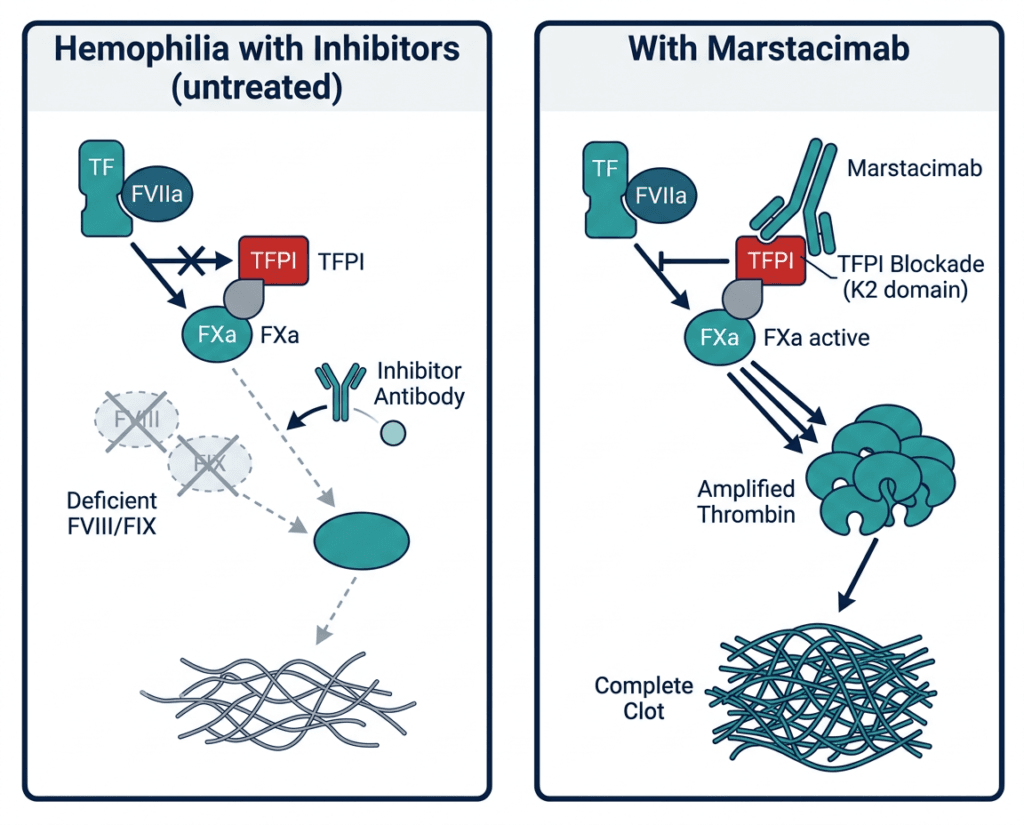
    The essentials: On June 8, 2026, the FDA approved an expanded indication for Hympavzi (marstacimab-hncq, Pfizer) to include two additional patient populations: patients aged 12 years and older with hemophilia A or B who have inhibitors, and pediatric patients aged 6 to 11 years with hemophilia A or B with or without inhibitors. Hympavzi was originally approved in October 2024 for patients aged 12 years and older without inhibitors. The complete current indication: routine prophylaxis to prevent or reduce bleeding episodes in adults and pediatric patients aged 6 years and older with hemophilia A (congenital factor VIII deficiency) or hemophilia B (congenital factor IX deficiency), with or without inhibitors. First-in-class designations from the expanded approval: Hympavzi is now the first subcutaneous non-factor therapy available for children aged 6 to 11 years with hemophilia B. Mechanism: Hympavzi targets the Kunitz 2 domain of tissue factor pathway inhibitor (TFPI), a natural anticoagulant that brakes the initiation of coagulation. By inhibiting TFPI, marstacimab restores the coagulation pathway in a way that works regardless of whether the patient is deficient in factor VIII or factor IX, and regardless of whether inhibitory antibodies are present against those factors. This is why it works in both hemophilia A and B, and in patients with inhibitors. The clinical basis: Phase 3 BASIS trial (NCT03938792) inhibitor cohort and Phase 3 BASIS KIDS trial (NCT05611801). BASIS inhibitor cohort: 93% reduction in mean treated annualized bleeding rate (ABR) versus on-demand bypassing agent therapy (1.4 [95% CI 0.9 to 2.3] versus 19.8 [95% CI 16.1 to 24.3]; ratio 0.07 [95% CI 0.04 to 0.12]; p less than 0.0001). BASIS KIDS (ages 6 to 17): mean ABR 1.8 versus historical model-based mean ABR 3.6 with prior routine prophylaxis. Pediatric inhibitor subgroup (ages 6 to under 18; n=14): mean ABR 1.4 (99% CI 0.5 to 4.5) versus historical mean ABR 18.9 (99% CI 14.2 to 25.2). Ages 6 to 11 cohort (n=7): mean ABR 1.3 (99% CI 0.5 to 3.4). Warnings: thromboembolic events occurred in 2 of 259 patients in the open-label extension study; hypersensitivity reactions; embryo-fetal toxicity; increased laboratory values of fibrin D-dimer and prothrombin fragment 1.2. Dosing: once weekly subcutaneous injection; available as 75 mg/0.5 mL and 150 mg/mL prefilled syringe or autoinjector pen. No routine treatment-related laboratory monitoring required.

    Hemophilia is, at its core, a disease of imbalance. The coagulation cascade that allows blood to clot and stop bleeding is a tightly regulated system of amplification, and in hemophilia A or B, a critical amplifier is missing or deficient. The consequences, when left untreated or inadequately treated, are relentless: joint bleeds that destroy cartilage and deform limbs, muscle hemorrhages that compress nerves and blood vessels, and intracranial bleeding that can be fatal. For patients with a specific complication called inhibitors, even the standard replacement therapy stops working, leaving them in a position where a category of medications designed to save their lives has become ineffective against their own immune response.

    Hympavzi (marstacimab-hncq), originally approved in October 2024, takes an entirely different approach to hemophilia prophylaxis. Rather than replacing the deficient clotting factor, it blocks a natural brake on the coagulation system: tissue factor pathway inhibitor (TFPI). On June 8, 2026, the FDA expanded Hympavzi’s approved indication to two of the groups most in need of this approach: patients with hemophilia A or B who have inhibitors (where factor replacement therapy either cannot work or works inadequately), and children aged 6 to 11 years, the youngest pediatric age group that can benefit from a once-weekly subcutaneous prophylactic therapy.

    This post covers what hemophilia is, why inhibitors represent such a significant clinical challenge, how the TFPI mechanism works and why it is effective across both hemophilia types and inhibitor-positive patients, what the BASIS and BASIS KIDS trial data shows, and what the expanded approval means for families and clinicians managing these patients.


    What Hemophilia Is: A Brief Overview

    Hemophilia is a rare, X-linked recessive bleeding disorder caused by deficiency or dysfunction of specific coagulation factors. Two major types are recognized:

    Hemophilia A is caused by deficiency or dysfunction of factor VIII (FVIII). It is the more common type, affecting approximately 1 in 5,000 male births.

    Hemophilia B is caused by deficiency or dysfunction of factor IX (FIX). It affects approximately 1 in 25,000 male births.

    Both conditions result in a dysfunctional coagulation cascade, the sequential activation of clotting proteins that ultimately converts fibrinogen to fibrin and forms a stable blood clot. Without adequate FVIII or FIX activity, the intrinsic pathway of coagulation cannot amplify adequately, resulting in delayed, insufficient clot formation. Minor injuries that healthy individuals handle without consequence become prolonged bleeding events in hemophilia. Spontaneous joint and muscle bleeds, which occur without obvious trauma, are a hallmark of severe hemophilia and are responsible for the progressive arthropathy (joint destruction) that historically defined the long-term morbidity of the disease.

    The standard of care for moderate to severe hemophilia has been prophylactic factor replacement: infusing FVIII or FIX concentrate on a scheduled basis, typically two to three times per week for IV formulations or less frequently for extended half-life products, to maintain factor levels high enough to prevent spontaneous bleeding. This approach has dramatically improved outcomes over the past four decades. It requires, however, venous access and intravenous administration, which is particularly challenging in young children whose veins are small and who may require port placement.

    The inhibitor problem

    Inhibitors are neutralizing antibodies against the infused clotting factor, most commonly FVIII in hemophilia A. They develop in approximately 30% of patients with severe hemophilia A and in a smaller proportion of hemophilia B patients, typically early in treatment. When inhibitors are present, the infused factor is rapidly neutralized before it can participate in clotting, and standard prophylaxis becomes ineffective.

    Managing hemophilia with inhibitors has historically required bypassing agents, products that activate the coagulation cascade at steps downstream of where FVIII and FIX normally act: recombinant factor VIIa (NovoSeven) and activated prothrombin complex concentrate (aPCC, FEIBA). These agents work differently from standard factor replacement and are less precisely dosed, making achieving predictable bleeding protection more challenging. Their use is also expensive, requires intravenous administration, and when used on-demand (only when bleeding occurs) rather than prophylactically, leaves patients with significant residual bleeding burden.

    Why non-factor therapies are a breakthrough for inhibitor patients The development of non-factor hemostatic therapies, which restore hemostasis by mechanisms that bypass the deficient factor entirely, represents one of the most significant advances in hemophilia management in decades. Emicizumab (Hemlibra), approved in 2017 for hemophilia A with inhibitors, was the first such therapy and demonstrated dramatic reductions in bleeding rates in a population that had previously had very limited prophylactic options. It works by bridging FIXa and FX, mimicking the co-factor function of FVIII specifically. However, because emicizumab bridges FIXa (factor IX in activated form), it works only in hemophilia A: it provides no benefit in hemophilia B because FIX is not a bridging partner for its mechanism. Marstacimab’s TFPI inhibition mechanism is active in both hemophilia A and hemophilia B regardless of inhibitor status, because it restores hemostasis upstream of where either FVIII or FIX deficiency disrupts the cascade. This is why Hympavzi’s expanded indication covers both hemophilia types and both inhibitor-positive and inhibitor-negative patients.

    The Science: How Marstacimab Works

    Tissue factor pathway inhibitor (TFPI) is a naturally occurring anticoagulant protein. It functions as a feedback inhibitor of the extrinsic pathway of coagulation: after tissue factor and factor VIIa initiate clotting in response to vascular injury, TFPI rapidly inhibits the TF-FVIIa-FXa complex, effectively braking the initial clotting signal after it has had time to initiate.

    In healthy individuals, this brake is appropriate. The extrinsic pathway generates only a small initial burst of thrombin, and the intrinsic pathway (which requires FVIII and FIX) amplifies this initial signal to generate the large amounts of thrombin needed for stable clot formation. When FVIII or FIX is deficient, the initial thrombin burst generated by the extrinsic pathway is inadequate, and the amplification step through the intrinsic pathway cannot compensate. TFPI’s braking of the extrinsic pathway further limits the already insufficient hemostatic response.

    Marstacimab is a human monoclonal antibody that targets the Kunitz 2 (K2) domain of TFPI with high specificity. The K2 domain is the site through which TFPI inhibits FXa, a critical downstream clotting protein. By blocking the K2 domain, marstacimab prevents TFPI from inhibiting FXa as efficiently. This allows the coagulation cascade to generate more thrombin from the extrinsic pathway initiation step, partially compensating for the deficient intrinsic amplification. The result is a shift in the coagulation balance toward clot formation even in the absence of adequate FVIII or FIX.

    Critically, this mechanism functions regardless of:

    • Whether the patient is deficient in FVIII (hemophilia A) or FIX (hemophilia B)
    • Whether inhibitory antibodies are present against FVIII or FIX
    • The severity of the underlying factor deficiency

    Because marstacimab acts on a checkpoint in the coagulation cascade that is common to both hemophilia types and is entirely upstream of where inhibitors act against replacement factors, it provides hemostatic coverage across the full breadth of the expanded indication.


    The Original Approval and What the Expansion Adds

    Original approval (October 2024)

    Hympavzi was initially approved in October 2024 for routine prophylaxis in patients aged 12 years and older with hemophilia A without FVIII inhibitors or hemophilia B without FIX inhibitors, based on the Phase 3 BASIS trial in the non-inhibitor cohort.

    The June 2026 expansion

    The June 8, 2026 expansion adds two critically important populations:

    Population 1: Patients aged 12 years and older with hemophilia A or B who have inhibitors. This is the group with the most limited treatment options prior to this approval, for whom on-demand bypassing agents were often the only recourse for bleeding management.

    Population 2: Pediatric patients aged 6 to 11 years with hemophilia A or B, with or without inhibitors. This extends Hympavzi’s reach to younger children, a population in whom venous access for IV therapy is a significant practical challenge, and for whom a once-weekly subcutaneous injection is potentially far more manageable than frequent IV infusions.

    Together, the expanded and original indications give Hympavzi a single consolidated label: routine prophylaxis for adults and pediatric patients aged 6 years and older with hemophilia A or B, with or without inhibitors.


    The Clinical Evidence: BASIS Inhibitor Cohort and BASIS KIDS

    BASIS trial (NCT03938792): the inhibitor cohort data

    BASIS (NCT03938792) was a Phase 3, global, open-label trial evaluating marstacimab in patients with hemophilia A or B with and without inhibitors. The trial included an inhibitor cohort of patients who had previously received on-demand (OD) bypassing agent therapy for bleeding episodes. This population represents the clinical severity of inhibitor disease: patients who had not been on prophylaxis and were relying on reactive treatment when bleeds occurred.

    The primary efficacy comparison in the inhibitor cohort was marstacimab prophylaxis versus on-demand bypassing agent therapy. The results were striking:

    OutcomeMarstacimab prophylaxisOn-demand bypassing agent (historical)Comparison
    Mean treated annualized bleeding rate (ABR)1.4 (95% CI 0.9 to 2.3)19.8 (95% CI 16.1 to 24.3)93% reduction; ratio 0.07 (95% CI 0.04 to 0.12); p less than 0.0001

    Source: Clinical Advisor. Hympavzi Gains Expanded FDA Approval for Hemophilia A and B. June 2026. Hematology Advisor. June 2026. Pfizer press release, June 8, 2026.

    A 93% reduction in mean treated annualized bleeding rate compared to on-demand bypassing therapy is a clinically substantial finding. Patients going from a mean treated ABR of approximately 19.8 bleeds per year to 1.4 bleeds per year is a transformation in disease burden. The most devastating consequence of hemophilia with inhibitors has always been the inability to prevent spontaneous joint bleeds because on-demand therapy, by definition, does not begin until bleeding has already started. Each prevented bleed under prophylaxis is a joint or muscle or organ that did not bleed.

    This comparison is against on-demand therapy because patients in the inhibitor cohort had not previously been on prophylaxis. An interpretive note: comparing against on-demand is a favorable comparison for the active treatment; a head-to-head comparison against existing prophylactic bypassing agent regimens would be more demanding. Nonetheless, the magnitude of the reduction is substantial and clinically meaningful.

    BASIS KIDS trial (NCT05611801): the pediatric data

    BASIS KIDS (NCT05611801) was a Phase 3, global, open-label trial evaluating the safety and efficacy of marstacimab in children aged 1 to 17 years with hemophilia A or B, with or without inhibitors. Interim results from this trial supported the FDA’s expanded approval for the 6-to-11-year age group.

    PopulationMean ABR with marstacimabComparison (historical model-based)
    Ages 6 to 17, all patients (overall BASIS KIDS)1.83.6 (prior routine prophylaxis)
    Ages 6 to under 18 with inhibitors (n=14)1.4 (99% CI 0.5 to 4.5)18.9 (99% CI 14.2 to 25.2)
    Ages 6 to 11 cohort (n=7)1.3 (99% CI 0.5 to 3.4)

    Source: Clinical Advisor. CheckRare. BASIS KIDS NCT05611801.

    The pediatric inhibitor subgroup data is particularly notable: children with hemophilia and inhibitors achieved a mean ABR of 1.4 with marstacimab prophylaxis compared to a historical model-based mean of 18.9 with on-demand bypassing therapy. For the youngest cohort (ages 6 to 11), the mean ABR of 1.3 indicates that the same degree of bleeding rate reduction is achievable in younger children.

    The comparison in BASIS KIDS against historical model-based rates (rather than a randomized parallel arm) is appropriate for a pediatric rare disease trial, where randomizing young children to a control arm receiving inferior therapy would be ethically difficult and practically challenging. The historical modeling approach uses well-characterized natural history data from the hemophilia population to provide a reference benchmark.


    What Makes This Approval Particularly Significant

    The hemophilia B inhibitor gap

    The most significant first-in-class designation from this expansion is that Hympavzi is now the first subcutaneous non-factor therapy available for children aged 6 to 11 years with hemophilia B. This deserves specific explanation.

    Emicizumab (Hemlibra), the landmark non-factor therapy approved for hemophilia A with inhibitors in 2017, works by bridging activated factor IXa and factor X, mimicking the cofactor function of FVIII. This mechanism is specific to hemophilia A: it does not provide any benefit in hemophilia B because factor IXa is not the relevant enzyme that needs a cofactor. Patients with hemophilia B and inhibitors have therefore had no approved subcutaneous prophylactic non-factor therapy option. For them, marstacimab’s TFPI inhibition mechanism, which is indifferent to whether the underlying deficiency is in FVIII or FIX, represents the first approval in this category.

    Once-weekly subcutaneous administration without routine laboratory monitoring

    Hympavzi is administered once weekly by subcutaneous injection. The therapy does not require routine treatment-related laboratory monitoring, which distinguishes it from many hemophilia treatments that require regular factor level measurement or trough level testing to guide dosing. For families managing pediatric hemophilia, reducing the blood draw burden alongside simplifying the injection schedule to once weekly is a meaningful quality-of-life improvement.

    Patients aged 12 years and older may self-inject after proper training. For children aged 6 to 11, caregiver administration is expected.


    Safety: What the Prescribing Information Covers

    The prescribing information for Hympavzi includes several important warnings:

    Thromboembolic events: Two thromboembolic events occurred among 259 patients in the open-label extension study. Because marstacimab shifts the coagulation balance toward clot formation by removing the TFPI brake on the extrinsic pathway, the theoretical risk of thrombosis is inherent to its mechanism of action. Monitor patients for signs and symptoms of thromboembolic events. The absolute rate was low (2 of 259 patients in the extension), but the mechanism-based concern means clinical vigilance is appropriate.

    Laboratory changes: Increases in fibrin D-dimer and prothrombin fragment 1.2 have been observed with marstacimab. These are laboratory markers of coagulation activation and fibrin turnover. They are consistent with the drug’s mechanism (enhanced coagulation pathway activity) but require awareness in clinical monitoring. Do not interpret elevated D-dimer as diagnostic for thrombosis without clinical correlation in patients receiving marstacimab.

    Hypersensitivity reactions: As with all monoclonal antibodies, hypersensitivity reactions including anaphylaxis may occur. Patients should be informed of the symptoms and instructed to seek immediate medical attention if they occur.

    Embryo-fetal toxicity: Based on the mechanism of action (promoting coagulation), there is a potential for fetal harm. Females of reproductive potential should use effective contraception during treatment.

    Common adverse reactions (2% or greater): Injection site reactions, headache, pyrexia, arthralgia, diarrhea, pruritus, and rash.


    What This Means for Patients and Families

    For patients with hemophilia A or B who have inhibitors

    This is the population for whom this expansion matters most urgently. Inhibitor-positive patients, particularly those with hemophilia B inhibitors, have had no approved subcutaneous non-factor prophylactic therapy before this date. The BASIS inhibitor cohort’s 93% reduction in treated ABR compared to on-demand bypassing therapy represents a shift from a reactive management strategy to an active preventive one, with the bleed rate reduction that entails.

    If you or a family member has hemophilia with inhibitors and has been managed with on-demand bypassing agents, a conversation with your hematologist about whether Hympavzi is an appropriate prophylactic option is warranted.

    For families of children aged 6 to 11

    For young children with hemophilia, IV access for factor infusions has historically been the most practically difficult aspect of management, often requiring port placement and the risks that entails. A once-weekly subcutaneous injection administered by a caregiver at home, without routine blood draws for monitoring, represents a materially simpler treatment paradigm for this age group. The BASIS KIDS data showing a mean ABR of 1.3 in the 6-to-11 cohort supports the clinical adequacy of this approach.

    For children with hemophilia B specifically, this is the first approved subcutaneous non-factor prophylactic therapy in this age group, filling a gap that emicizumab’s mechanism could not address.

    For clinicians managing hemophilia

    The complete current Hympavzi indication covers hemophilia A and B, with or without inhibitors, in patients aged 6 years and older. This is a single once-weekly subcutaneous platform applicable across the majority of the hemophilia population. For patients who are appropriate candidates, the elimination of routine treatment-related laboratory monitoring removes a significant ongoing management burden.

    The thromboembolic warning and the D-dimer/prothrombin fragment 1.2 elevations associated with marstacimab require clinical awareness, particularly in patients who may develop thrombotic risk factors over time (surgery, immobilization, pregnancy). Risk-benefit discussions individualized to each patient’s circumstances remain the appropriate framework.

    For related HED coverage on other rare hematologic disease approvals in 2026, see our post on KRESLADI, the first gene therapy approved for severe leukocyte adhesion deficiency type I and our post on Decnupaz (pivekimab sunirine) approved for blastic plasmacytoid dendritic cell neoplasm.


    Sources

    Pfizer FDA approval press release: U.S. FDA Approves Pfizer’s HYMPAVZI for the Treatment of Two Additional Hemophilia A or B Patient Populations with Significant Medical Need. Pfizer. June 8, 2026.

    Drugs.com approval news: U.S. FDA Approves Pfizer’s Hympavzi for the Treatment of Two Additional Hemophilia A or B Patient Populations with Significant Medical Need. drugs.com. June 8, 2026.

    BioPharm International clinical coverage: FDA Expands Pfizer’s Hympavzi Approval to Pediatric Hemophilia Patients and Those with Inhibitors. biopharminternational.com. June 2026.

    Hematology Advisor (BASIS inhibitor data): Hympavzi Gains Expanded FDA Approval for Hemophilia A and B. hematologyadvisor.com. June 2026.

    Clinical Advisor detailed summary: Hympavzi Gains Expanded FDA Approval for Hemophilia A and B. clinicaladvisor.com. June 2026.

    Conexiant clinical summary: FDA Expands Marstacimab Indication in Hemophilia A and B. conexiant.com. June 2026.

    CheckRare clinical coverage: FDA Expands Approval of Hympavzi (Marstacimab) for Patients With Hemophilia. checkrare.com. June 2026.

    BASIS trial registration: NCT03938792. ClinicalTrials.gov.

    BASIS KIDS trial registration: NCT05611801. ClinicalTrials.gov.

    Priority Review grant (sBLA): FDA Grants Priority Review for HYMPAVZI sBLA. Pfizer. 2026.

    Hympavzi original approval (October 2024): Hympavzi FDA Approval History. drugs.com.

    Hympavzi prescribing information: HYMPAVZI (marstacimab-hncq) Prescribing Information. Pfizer. 2026.

    TFPI biology and marstacimab mechanism: Tissue Factor Pathway Inhibitor. PMC6126283.

    Coagulation cascade: Coagulation Studies. StatPearls. NCBI.

    Hemophilia A overview: Hemophilia A. StatPearls. NCBI.

    Hemophilia B overview: Hemophilia B. StatPearls. NCBI.

    Hemophilia inhibitors: Factor VIII Inhibitors in Hemophilia A. PMC7155173.

    CDC hemophilia overview: Hemophilia. CDC.

    Patient resources: National Hemophilia Foundation | World Federation of Hemophilia | Pfizer Hympavzi patient support

    Disclaimer: Health Evidence Digest provides general information about FDA approvals and health research for educational purposes. This content is not a substitute for professional medical advice. Hemophilia management is complex and requires individualized assessment by a hematologist experienced in bleeding disorders. Decisions about switching to or initiating Hympavzi should be made in consultation with a treating hematologist who can assess the patient’s inhibitor status, bleeding history, current prophylaxis regimen, and individual risk-benefit profile.
  • BPDCN Has Been Diagnosed in Hundreds of Americans Each Year With Almost No Approved Treatment Options. Decnupaz Just Changed That.

    BPDCN Has Been Diagnosed in Hundreds of Americans Each Year With Almost No Approved Treatment Options. Decnupaz Just Changed That.

    📌 The essentials On May 27, 2026, the FDA approved Decnupaz (pivekimab sunirine-pvzy, AbbVie) for adults with blastic plasmacytoid dendritic cell neoplasm (BPDCN), an ultra-rare and aggressive hematologic malignancy. This is the second FDA-approved therapy for BPDCN and the first CD123-directed antibody-drug conjugate to receive FDA approval. Decnupaz is a first-in-class agent approved for both treatment-naive and relapsed or refractory BPDCN, making it applicable across all lines of therapy. Regulatory designations: Breakthrough Therapy Designation, Orphan Drug Designation, Priority Review. The clinical basis: Phase 1/2 CADENZA trial (NCT03386513), 84 adult patients (33 treatment-naive, 51 relapsed or refractory), open-label, single-arm. Primary endpoint: complete remission or clinical complete remission (CR/CRc) rate. Treatment-naive: 69.7% CR/CRc rate (95% CI 51.3 to 84.4%) at 21.5 months median follow-up; median duration of CR/CRc 9.7 months. Relapsed or refractory: 15.7% CR/CRc rate (95% CI 7.0 to 28.6%) at 24.1 months median follow-up; median duration of CR/CRc 9.2 months. Bridging to transplant: 39.4% of treatment-naive patients proceeded to post-study stem cell transplantation, a critical finding in a disease where bridging to transplant is a primary treatment goal. Boxed warning: hepatotoxicity including hepatic veno-occlusive disease (VOD). Dosing: 0.045 mg/kg intravenously over 15 to 30 minutes once every 3 weeks (21-day cycle).

    There are diseases that most physicians will never see in a career, not because they are mild or easily ignored, but because they are so rare that the entire diagnosed population in the United States numbers in the hundreds per year. Blastic plasmacytoid dendritic cell neoplasm is one of them.

    BPDCN is an aggressive blood cancer that arises from plasmacytoid dendritic cell precursors, presenting most often in older adults as skin lesions combined with bone marrow involvement and sometimes rapid spread to other organs. It carries a historically poor prognosis: median overall survival in historical series without transplantation has ranged from 8 to 14 months. The only previously approved targeted therapy for BPDCN was tagraxofusp (Elzonris), a CD123-directed cytotoxin approved in 2018, leaving a significant gap particularly in the relapsed and refractory setting.

    On May 27, 2026, the FDA approved Decnupaz (pivekimab sunirine-pvzy), a first-in-class CD123-directed antibody-drug conjugate developed by AbbVie (originally by ImmunoGen before AbbVie’s 2024 acquisition), for adult patients with BPDCN in both treatment-naive and relapsed or refractory settings. The approval is based on the CADENZA trial, which enrolled 84 patients across a disease population so rare that the trial itself represents one of the largest BPDCN clinical datasets ever assembled.


    What BPDCN Is and Why It Is So Difficult to Treat

    The cell of origin

    BPDCN arises from the malignant transformation of plasmacytoid dendritic cell precursors, a rare subset of immune cells that normally circulate in blood and reside in lymphoid tissues. Plasmacytoid dendritic cells (pDCs) are specialized innate immune cells responsible primarily for producing large quantities of type I interferons in response to viral infection. In BPDCN, these precursors undergo malignant transformation and proliferate in a manner that is neither classically leukemic nor typically lymphomatous but shares features of both.

    The disease was historically confusing to classify, previously known as agranular CD4+ CD56+ hematodermic neoplasm or blastic NK-cell lymphoma before its origin from pDC precursors was established. Its current classification as a distinct entity in the World Health Organization classification of hematologic malignancies reflects this now-understood biology.

    Clinical presentation and typical course

    BPDCN presents most commonly in adults over 60, with a strong male predominance (approximately 3:1 male-to-female ratio). The hallmark presentation is cutaneous involvement: bruise-like or reddish-brown skin lesions, nodules, or widespread plaques that can be widespread on the body surface. Bone marrow involvement is present in most patients at diagnosis, and peripheral blood involvement (leukemic phase) develops in many. The liver, spleen, and lymph nodes are other common sites.

    An important clinical complexity is that BPDCN frequently presents concurrently with or evolves from other hematologic malignancies, including chronic myelomonocytic leukemia (CMML), myelodysplastic syndromes (MDS), and other myeloid neoplasms. In the CADENZA trial, 11 of the 33 treatment-naive patients had prior or concurrent cancer diagnoses in addition to BPDCN, reflecting real-world disease complexity.

    Disease progression is typically rapid. Without effective treatment, the course from initial presentation to systemic organ involvement can be weeks to months.

    The CD123 target: why BPDCN is uniquely susceptible CD123, the interleukin-3 receptor alpha chain (IL-3Rα), is a cell surface protein that is highly and consistently overexpressed on BPDCN cells across virtually all patients with the disease. IL-3 signaling through CD123 promotes the survival and proliferation of pDC precursors, and in BPDCN, this overexpression is not incidental but functionally important to the malignant cell’s biology. The near-universal CD123 overexpression in BPDCN makes it one of the best-matched malignancies for CD123-targeted therapy of any cancer type. Both approved BPDCN therapies, tagraxofusp and now Decnupaz, exploit this target. The CADENZA trial required CD123 positivity confirmed by flow cytometry or immunohistochemistry for enrollment, ensuring that all patients in the trial had the target expression pattern needed for the drug to work.

    How Decnupaz Works: A First-in-Class ADC Mechanism

    Decnupaz (pivekimab sunirine-pvzy) is an antibody-drug conjugate (ADC) with three distinct components:

    The antibody: A high-affinity anti-CD123 monoclonal antibody that binds specifically to CD123 expressed on BPDCN cells. When the antibody binds CD123, the drug-receptor complex is internalized into the cell.

    The linker: A cleavable linker that connects the antibody to the payload. After internalization, the linker is cleaved by intracellular enzymes, releasing the active payload inside the cancer cell.

    The payload: An indolinobenzodiazepine pseudodimer (IGN), a potent DNA alkylating agent that alkylates DNA and causes single-strand DNA breaks without crosslinking. The mechanism of single-strand DNA damage without crosslinking is pharmacologically distinct from conventional alkylating chemotherapy, which typically crosslinks DNA. This distinction is designed to produce cytotoxicity in the targeted cancer cells while limiting some of the toxicity patterns associated with conventional alkylators.

    This mechanism is what makes pivekimab sunirine a first-in-class agent: no previously approved drug uses an indolinobenzodiazepine pseudodimer payload in an ADC. The combination of the CD123-targeting antibody with this specific payload represents a novel mechanistic approach to BPDCN treatment.

    Decnupaz differs from tagraxofusp in mechanism: tagraxofusp is a CD123-directed cytotoxin that consists of IL-3 fused to truncated diphtheria toxin, producing cell killing through a protein synthesis inhibition mechanism. Decnupaz delivers a DNA-damaging payload via ADC technology, offering a different mechanism of action for patients who have failed or cannot receive tagraxofusp.


    The CADENZA Trial: Full Results

    Design

    CADENZA (NCT03386513) is a multicenter, open-label, single-arm Phase 1/2 trial that enrolled adults aged 18 and older with BPDCN with CD123 positivity confirmed by flow cytometry or immunohistochemistry and no evidence of active central nervous system disease. Two distinct cohorts were enrolled:

    • Treatment-naive BPDCN (n=33): patients with no prior BPDCN-directed systemic therapy
    • Relapsed or refractory BPDCN (n=51): patients who had received at least one prior line of therapy

    The primary efficacy endpoint was the rate of complete remission (CR) or clinical complete remission (CRc). CR was defined as complete resolution of all BPDCN manifestations with full hematologic recovery. CRc was defined as complete resolution of all BPDCN manifestations with incomplete hematologic recovery (analogous to the CRi designation used in AML).

    Primary endpoint results: treatment-naive cohort

    OutcomeTreatment-naive BPDCN (n=33)
    CR/CRc rate69.7% (95% CI 51.3 to 84.4%)
    Number of patients achieving CR/CRc23 of 33
    Median follow-up21.5 months
    Median duration of CR/CRc9.7 months (95% CI 2.9 to not estimable)
    Patients proceeding to post-study stem cell transplantation39.4% (13 of 33)
    Median overall survival (all treatment-naive, n=33)16.6 months (95% CI 11.4 to not reached)
    12-month OS rate64% (95% CI 44.9 to 77.5%)
    18-month OS rate44% (95% CI 26.7 to 60.3%)

    Primary endpoint results: relapsed or refractory cohort

    OutcomeRelapsed or refractory BPDCN (n=51)
    CR/CRc rate15.7% (95% CI 7.0 to 28.6%)
    Number of patients achieving CR/CRc8 of 51
    Median follow-up24.1 months
    Median duration of CR/CRc9.2 months (range 2.7 to 27.6 plus months)

    Source: CADENZA trial, NCT03386513. FDA approval notice, May 27, 2026. OncLive and Targeted Oncology clinical coverage.

    The transplant bridge finding: the most clinically important secondary result

    In the treatment-naive cohort, 39.4% of patients (13 of 33) proceeded to post-study stem cell transplantation after achieving response with Decnupaz. This finding is critically important in BPDCN because allogeneic stem cell transplantation is the only treatment approach associated with potential long-term cure in this disease. The primary role of induction therapy in BPDCN is often conceptualized as achieving a remission deep enough to bridge the patient to transplant while they remain in adequate condition to tolerate it.

    A CR/CRc rate of 69.7% in treatment-naive patients, with 39.4% successfully bridging to transplant, represents a meaningful clinical achievement for a disease where achieving remission adequate for transplant eligibility has historically been extremely difficult.

    The durability finding in the relapsed or refractory cohort also deserves specific attention: the median CR/CRc duration of 9.2 months in heavily pretreated patients, in a setting where overall response rates are low (15.7%), means that the patients who do respond achieve durable remissions comparable in length to those seen in the treatment-naive setting. This suggests that the drug’s mechanism produces meaningful responses when it works, across disease stages.

    Why single-arm trial data is accepted for ultra-rare cancer approvals BPDCN affects an estimated 500 to 1,000 patients per year in the United States. Running a randomized controlled trial with a placebo or active comparator arm in a disease this rare would take many years of enrollment, during which patients in the control arm would face disease progression without the study drug. The FDA routinely accepts single-arm evidence for ultra-rare malignancies when: the disease has an established and poor natural history; the effect size (here, 69.7% CR/CRc versus historical rates well below this) is large enough to be interpretable without a concurrent control; and adequate regulatory designations (Breakthrough, Orphan) are in place. The CADENZA approval follows this same logic used for tagraxofusp in 2018 and for multiple other ultra-rare cancer approvals. The absence of a randomized comparator reflects the rarity of the disease, not a weakness in the evidence standard applied.

    Safety: What the Prescribing Information Covers

    Boxed warning: hepatotoxicity including hepatic veno-occlusive disease

    Decnupaz carries a boxed warning for hepatotoxicity, including hepatic veno-occlusive disease (VOD), also called sinusoidal obstruction syndrome. VOD is a serious condition in which small hepatic veins are obstructed, causing liver damage that can range from mild and self-limiting to severe and fatal. It is a recognized complication of certain chemotherapy regimens and stem cell transplantation conditioning and can be life-threatening when severe.

    The boxed warning means:

    • Liver function tests must be monitored before each dose and as clinically indicated throughout treatment
    • Dose modifications or discontinuation are required for significant hepatotoxicity
    • Patients proceeding to stem cell transplantation after Decnupaz require careful management of VOD risk in the transplant setting

    Warnings and precautions

    Infusion-related reactions (IRRs): Infusion-related reactions occurred in clinical trials. Patients should be premedicated per the prescribing information before each infusion and monitored throughout administration. For severe reactions, the infusion should be stopped and not restarted.

    Edema: Fluid retention and edema are documented with CD123-targeted therapies in BPDCN. Monitor for new or worsening edema, particularly in patients with baseline cardiac or renal disease.

    Sulfite allergic reactions: Decnupaz contains sodium metabisulfite, which can cause allergic-type reactions including anaphylaxis and bronchospasm in susceptible individuals. The risk is higher in patients with asthma. Patients should be asked about sulfite sensitivity before initiating therapy.

    Embryo-fetal toxicity: Based on the mechanism of action (DNA alkylation), Decnupaz can cause fetal harm. Females of reproductive potential should use effective contraception during treatment and for at least 6 months after the final dose. Males with female partners of reproductive potential should use effective contraception during treatment and for at least 4 months after the final dose.


    Dosing and Administration

    ParameterDetails
    Dose0.045 mg/kg intravenously once every 3 weeks (21-day cycle)
    Infusion durationApproximately 15 to 30 minutes
    Dose calculationBased on actual body weight
    CyclesContinue until disease progression or unacceptable toxicity
    FormulationLyophilized cake for injection; requires reconstitution prior to administration
    PremedicationPer prescribing information; required before each infusion

    What This Approval Means in Context

    Decnupaz vs. tagraxofusp

    Decnupaz is the second approved therapy for BPDCN. Tagraxofusp (Elzonris), approved in 2018, remains the reference treatment for newly diagnosed BPDCN and demonstrated an overall response rate of 90% in treatment-naive patients in its pivotal trial. However, tagraxofusp carries a boxed warning for capillary leak syndrome, a serious and potentially life-threatening vascular complication that limits its use in some patients.

    Decnupaz offers a mechanistically distinct option across both treatment-naive and relapsed settings, with a different toxicity profile. No head-to-head comparison between tagraxofusp and Decnupaz exists; the choice between them in the treatment-naive setting will depend on institutional experience, patient-specific factors including comorbidities that affect tolerance of each product’s boxed warning risks, and the treating hematologist’s clinical judgment.

    The approval of Decnupaz for relapsed or refractory disease is particularly significant because tagraxofusp’s pivotal data was primarily in the treatment-naive setting, and until now there has been no approved targeted therapy specifically for patients who have progressed after first-line treatment.

    The AbbVie acquisition context

    Pivekimab sunirine was originally developed by ImmunoGen, Inc., a company that pioneered ADC technology and developed multiple ADCs including mirvetuximab soravtansine (Elahere) for ovarian cancer. In early 2024, AbbVie acquired ImmunoGen for approximately $10.1 billion, a transaction that included pivekimab sunirine in the pipeline. The BLA for Decnupaz was submitted to the FDA in September 2025 and approved May 27, 2026.


    For Patients and Clinicians

    For patients diagnosed with BPDCN

    BPDCN is rare enough that most patients will be referred to specialized hematology centers with experience in this disease shortly after diagnosis. Treatment decisions for BPDCN, including the choice between Decnupaz and tagraxofusp in treatment-naive disease, and whether to pursue stem cell transplantation, belong with a board-certified hematologic oncologist familiar with this specific diagnosis.

    Decnupaz is now an FDA-authorized option for adults with BPDCN in any line of therapy. For patients who have relapsed after prior treatment, including tagraxofusp, this is the first approved targeted therapy available in that setting.

    The Leukemia and Lymphoma Society (LLS) and NORD maintain current clinical information on BPDCN including specialist referral resources. For clinical trial opportunities, ClinicalTrials.gov lists currently enrolling studies for BPDCN. AbbVie’s patient support program provides access resources for Decnupaz at abbvie.com/BPDCN.

    For related HED coverage of other ADC approvals and hematologic malignancy treatment advances in 2026, see our post on Inqovi plus venetoclax, the first all-oral AML regimen for treatment-ineligible patients, and our post on the Immgolis biosimilar approval and the TNF inhibitor market for autoimmune conditions.


    Sources

    FDA approval announcement: FDA approves pivekimab sunirine-pvzy for blastic plasmacytoid dendritic cell neoplasm, an ultra-rare hematologic malignancy. FDA.gov. May 27, 2026.

    AbbVie press release: AbbVie Announces FDA Approval of Decnupaz (pivekimab sunirine-pvzy) for the Treatment of Blastic Plasmacytoid Dendritic Cell Neoplasm. abbvie.com. May 27, 2026.

    Drugs.com approval news: FDA Approves Decnupaz (pivekimab sunirine-pvzy) for the Treatment of Blastic Plasmacytoid Dendritic Cell Neoplasm. drugs.com. May 27, 2026.

    ASCO Post clinical summary: BPDCN: FDA Approves Pivekimab Sunirine-pvzy. ascopost.com. May 2026.

    CancerNetwork detailed coverage: FDA Approves Pivekimab Sunirine in Rare Hematologic Malignancy. cancernetwork.com. May 2026.

    Targeted Oncology full trial summary: FDA Approves Pivekimab Sunirine for BPDCN. targetedonc.com. May 2026.

    OncLive OS data coverage: FDA Approves Pivekimab Sunirine for Blastic Plasmacytoid Dendritic Cell Neoplasm. onclive.com. May 2026.

    ONS clinical summary: FDA Approves Pivekimab Sunirine-Pvzy for Blastic Plasmacytoid Dendritic Cell Neoplasm. ons.org. May 2026.

    CURE magazine coverage: FDA OKs Decnupaz for Adults With Blastic Plasmacytoid Dendritic Cell Neoplasm. curetoday.com. May 2026.

    Medscape coverage: FDA Approves Novel Targeted Therapy for Rare Blood Cancer. medscape.com. May 2026.

    CADENZA trial registration: NCT03386513. ClinicalTrials.gov.

    Tagraxofusp FDA approval (reference): FDA approves tagraxofusp-erzs for blastic plasmacytoid dendritic cell neoplasm. FDA.gov. 2018.

    BPDCN disease overview: Blastic Plasmacytoid Dendritic Cell Neoplasm. StatPearls. NCBI.

    BPDCN GARD overview: Blastic Plasmacytoid Dendritic Cell Neoplasm. rarediseases.info.nih.gov.

    Hepatic VOD reference: Hepatic Veno-Occlusive Disease. PMC6016375.

    ADC overview: Antibody-Drug Conjugate. cancer.gov.

    Breakthrough Therapy Designation: Breakthrough Therapy. FDA.gov.

    Orphan Drug Designation: Designating an Orphan Product. FDA.gov.

    AbbVie acquisition of ImmunoGen: AbbVie Completes Acquisition of ImmunoGen. abbvie.com.

    Patient resources: Leukemia and Lymphoma Society: BPDCN | NORD: BPDCN | NIH GARD: BPDCN | ClinicalTrials.gov: BPDCN

    Disclaimer: Health Evidence Digest provides general information about FDA approvals and health research for educational purposes. This content is not a substitute for professional medical advice, diagnosis, or treatment. BPDCN is an ultra-rare malignancy requiring specialist care. Treatment decisions should be made in close consultation with a board-certified hematologic oncologist with experience in rare blood cancers.
  • Fasenra Just Got a Third Approved Indication. Here Is What Hypereosinophilic Syndrome Is and What the NATRON Trial Data Actually Shows.

    Fasenra Just Got a Third Approved Indication. Here Is What Hypereosinophilic Syndrome Is and What the NATRON Trial Data Actually Shows.

    📌 The essentials On May 13, 2026, the FDA approved Fasenra (benralizumab, AstraZeneca) for the treatment of adults and pediatric patients aged 12 years and older with hypereosinophilic syndrome (HES) without an identifiable non-hematologic secondary cause. This is Fasenra’s third FDA-approved indication, joining severe eosinophilic asthma (approved 2017) and eosinophilic granulomatosis with polyangiitis (EGPA, approved 2022). On May 21, 2026, the European Medicines Agency’s CHMP issued a positive opinion recommending EU approval of Fasenra for HES (as part of a label update also covering severe asthma and EGPA). The clinical basis: Phase 3 NATRON trial (NCT04191304), published in Nature Medicine on March 31, 2026, enrolling 133 patients with HES (67 benralizumab, 66 placebo), 24 weeks, randomized double-blind placebo-controlled. Primary endpoint: 65% reduction in risk of first HES flare (HR 0.35; 95% CI 0.18 to 0.69; p=0.0024). All secondary endpoints met, including 66% reduction in annualized flare rate (0.41 versus 1.23 flares/year), 92% reduction in risk of hematologic relapse (HR 0.08; p less than 0.0001), and significant improvement in patient-reported fatigue by week 4. Dosing: 30 mg subcutaneous injection once every 4 weeks (different from the loading dose schedule used in asthma). Fasenra is the second anti-eosinophil biologic approved for HES, after mepolizumab (Nucala, approved 2020).

    Hypereosinophilic syndrome (HES) is a condition most people have never heard of. Most primary care providers encounter it rarely if at all. And for the approximately 30,000 to 200,000 Americans estimated to be living with it, that relative unfamiliarity often means years of unexplained symptoms, difficult diagnoses, and limited treatment options.

    On May 13, 2026, the FDA approved Fasenra (benralizumab) for HES, making it the second targeted biologic approved for this rare condition and the first approved for patients as young as 12. The pivotal trial behind the approval, NATRON, was published in Nature Medicine and met all of its endpoints, including a clinically meaningful reduction in flares, a striking near-elimination of hematologic relapse risk, and the first statistically significant improvement in fatigue ever demonstrated in a Phase 3 HES trial.

    This post covers what HES is and why it is hard to diagnose and treat, how benralizumab works, what every NATRON endpoint showed, and what this approval means for patients and clinicians navigating this condition.


    What Hypereosinophilic Syndrome Is

    Eosinophils are a type of white blood cell that normally account for less than 5% of circulating leukocytes. They are part of the immune system’s response to parasitic infections and play a role in allergic inflammation. In healthy adults, the normal eosinophil count is below 500 cells per microliter of blood.

    HES is defined by three criteria: a blood eosinophil count of 1,500 cells per microliter or higher, persisting for more than one month; evidence of eosinophil-mediated organ or tissue damage; and exclusion of identifiable secondary causes for the eosinophilia.

    When eosinophils are persistently elevated and activated, they infiltrate tissues throughout the body and release toxic granule proteins that damage the organs they contact. The damage is cumulative and organ-agnostic: any tissue can be affected. The most common sites of involvement include the lungs, skin, gastrointestinal tract, and heart. Eosinophilic heart disease, including Loeffler endocarditis, is one of the most serious and potentially fatal complications, with thrombus formation, valvular damage, and restrictive cardiomyopathy all documented.

    HES is not one disease: the subtypes matter clinically HES is a heterogeneous group of disorders, not a single entity. The classification includes: myeloproliferative HES, driven by a clonal eosinophil proliferation (the FIP1L1::PDGFRA fusion gene is the most common driver); lymphocytic variant HES, where an abnormal T-cell clone produces excess IL-5; idiopathic HES, where no underlying driver is identified; familial HES; and HES associated with other conditions. The NATRON trial specifically excluded patients with FIP1L1::PDGFRA-positive myeloproliferative HES, because those patients typically respond to imatinib (a tyrosine kinase inhibitor) and represent a distinct pathophysiology. The trial also required patients to be corticosteroid-responsive. The approved indication similarly excludes patients with an identifiable non-hematologic secondary cause. Clinicians should confirm these criteria before prescribing.

    HES is rare, with an estimated U.S. prevalence of 0.3 to 6.3 cases per 100,000 persons, but the true prevalence is likely underestimated due to diagnostic challenges. The condition can present with a wide and non-specific symptom spectrum: weight loss, fever, cough, chest pain, abdominal pain, skin rash, and neurological symptoms are all documented. Many patients spend years cycling through specialist consultations before a diagnosis is established. In the NATRON trial population, the mean time from first HES symptom appearance to enrollment was more than 8 years.


    The Disease Burden That NATRON Was Designed to Measure

    The NATRON trial population reflects what HES looks like in clinical practice. Of the 133 enrolled patients (median age 51, range 14 to 87 years, 61.7% female):

    • Most commonly involved organs were the lungs (35.6%), skin (25.3%), and gastrointestinal tract (21.8%)
    • 39.1% had experienced 2 HES flares in the prior 12 months; 36.8% had experienced 3 or more
    • Mean time since first HES symptoms was more than 8 years; mean time since diagnosis was nearly 5 years
    • Mean baseline PROMIS Fatigue T-score was 55.1, a score indicating clinically significant fatigue burden (population mean is 50; higher scores indicate worse fatigue)
    • Mean blood eosinophil count at baseline was 1,960 cells per microliter

    The flare definition used in NATRON is clinically meaningful: a flare required evidence of new or worsening HES clinical manifestations or laboratory abnormalities that resulted in hospitalization, or an increase in oral corticosteroid dose of at least 10 mg per day for at least 2 days, or the addition of new cytotoxic or immunosuppressive therapy. These are genuine clinical events with real consequences, not surrogate biomarker changes.


    How Benralizumab Works in HES

    Benralizumab is a humanized, afucosylated monoclonal antibody targeting the alpha subunit of the interleukin-5 receptor (IL-5Rα). IL-5 is the primary cytokine driving eosinophil production, maturation, survival, and activation. By binding IL-5Rα directly on eosinophils and their precursors (rather than binding the IL-5 ligand itself, as mepolizumab does), benralizumab triggers antibody-dependent cell-mediated cytotoxicity (ADCC) through natural killer cells, producing rapid and near-complete depletion of blood and tissue eosinophils within days of the first injection.

    The afucosylation engineering is the key pharmacological innovation that distinguishes benralizumab from mepolizumab within the anti-IL-5 class. By removing a fucose sugar from the antibody’s Fc region, the modified antibody binds Fc-gamma receptor IIIa on NK cells with much higher affinity, dramatically enhancing the ADCC-driven cell killing. This mechanism produces a more rapid and more complete eosinophil depletion than IL-5 ligand blocking alone.

    In HES, the downstream consequence of this eosinophil depletion is reduced tissue infiltration, less release of eosinophil granule proteins that damage organs, and a lower risk of the inflammatory flares that drive clinical worsening and organ damage. The NATRON data confirms that this biological effect translates to clinically meaningful outcomes.


    The NATRON Trial: All the Numbers

    Design

    NATRON (NCT04191304) was a Phase 3, multicenter, randomized, double-blind, placebo-controlled study. Eligible patients were aged 12 years and older, FIP1L1::PDGFRA-negative, with HES flare signs or symptoms at screening or at least 2 flares in the prior year, and confirmed corticosteroid-responsive disease. Patients were randomized 1:1 to benralizumab 30 mg or placebo subcutaneously every 4 weeks, on top of stable background HES therapy, for a 24-week double-blind treatment period.

    Primary endpoint

    OutcomeBenralizumab (n=67)Placebo (n=66)
    Patients with first HES flare19.4%42.4%
    Risk of first flare (HR)0.35 (95% CI 0.18 to 0.69)Reference
    p-value0.0024
    Flare risk reduction65%

    The primary endpoint was met with a hazard ratio of 0.35, meaning patients on benralizumab had only 35% of the flare risk of placebo-treated patients. The Kaplan-Meier curves separated early and continued to diverge, with benralizumab-treated patients maintaining lower flare risk throughout the 24-week observation period.

    Key secondary endpoints (all statistically significant)

    OutcomeBenralizumabPlaceboEffect size and significance
    Proportion with HES flares22.4%45.5%OR 0.31 (95% CI 0.14 to 0.69); p=0.0033
    Annualized flare rate0.41 flares/year1.23 flares/yearRR 0.34 (95% CI 0.18 to 0.63); p=0.0008
    Risk of hematologic relapseHR 0.08 (95% CI 0.03 to 0.20)Referencep less than 0.0001; 92% risk reduction
    PROMIS Fatigue improvement at Week 24LS mean difference vs placebo: −4.72Reference95% CI −7.64 to −1.80; p=0.0017
    Fatigue improvement onsetBy Week 4Sustained to Week 24

    Source: Ogbogu PU, Roufosse F, Akuthota P, et al. Benralizumab versus placebo for hypereosinophilic syndrome: a randomized, placebo-controlled phase 3 trial. Nat Med. Published online March 31, 2026. doi:10.1038/s41591-026-04315-8. NATRON NCT04191304.

    The hematologic relapse endpoint, defined as blood eosinophil count rising above 1,000 cells per microliter after confirmed depletion, showed a 92% risk reduction with benralizumab. This near-elimination of hematologic relapse reflects the drug’s mechanism: near-complete eosinophil depletion from the first dose, sustained throughout the dosing period.

    The fatigue endpoint is clinically important and worth highlighting. HES-related fatigue is one of the most commonly reported and most disabling symptoms in the condition. The NATRON PROMIS Fatigue results are the first statistically significant improvement in patient-reported fatigue from a Phase 3 HES trial. The fact that the improvement was detectable by week 4, after just the first monthly injection, and sustained to week 24, is a meaningful signal that the biological effect is rapid and durable.

    What PROMIS Fatigue measures and why a difference of 4.72 points is clinically meaningful The PROMIS (Patient-Reported Outcomes Measurement Information System) Fatigue Short Form 7a is a validated, standardized questionnaire assessing fatigue severity and impact over the previous 7 days. Scores are T-scored to a general population mean of 50, with higher scores indicating worse fatigue. The NATRON population had a mean baseline score of 55.1, indicating a clinically significant fatigue burden above population norms. A difference of 4.72 points is consistent with published minimally important difference thresholds for PROMIS Fatigue in chronic disease populations, generally estimated at 4 to 6 points. The improvement therefore exceeds the threshold for clinical meaningfulness, not just statistical significance.

    Safety

    The safety profile of benralizumab in NATRON was consistent with its well-established profile from seven years of use in severe asthma. Crucially, the overall adverse event rate was similar between groups: 64.2% in the benralizumab arm versus 66.7% with placebo, and serious adverse events occurred at virtually identical rates (7.5% versus 7.6%). This parity in overall adverse event burden, combined with a substantially better efficacy profile, is what the FDA reviewed in establishing a favorable benefit-risk balance.

    The most common adverse reactions in the HES population (occurring in 5% or more of benralizumab-treated patients and more frequently than placebo) were headache, hypersensitivity reactions (including urticaria, papular urticaria, and rash), and influenza-like illness. The adolescent patients (aged 12 to 17) in the trial had safety and tolerability results consistent with adults.


    Where Benralizumab Fits in HES Treatment

    Before discussing how benralizumab fits into HES management, it is worth acknowledging that the treatment landscape for HES remains relatively underdeveloped compared to more common eosinophilic conditions.

    The standard treatment for HES has historically been high-dose oral corticosteroids, which effectively suppress eosinophils and reduce symptoms but carry well-known long-term toxicity including osteoporosis, weight gain, diabetes, infections, and adrenal suppression. Patients on chronic steroids for HES accumulate organ damage from both the disease and the treatment.

    Imatinib (Gleevec) is the first-line agent for FIP1L1::PDGFRA-positive myeloproliferative HES, which is excluded from both the Fasenra and Nucala approvals.

    Mepolizumab (Nucala, GSK) was approved for HES in adults in 2020, as the first targeted anti-IL-5 agent for this indication, based on the Phase 3 EXPLORER trial showing a 50% reduction in the risk of HES worsening.

    Benralizumab now adds a second biologic option, with a 65% flare risk reduction and the additional advantages of near-complete eosinophil depletion (versus partial reduction with mepolizumab), once-monthly dosing throughout treatment (versus monthly loading then quarterly dosing with mepolizumab after the first three doses), and a pediatric indication down to age 12 (mepolizumab is approved for adults only in HES).

    Benralizumab vs. mepolizumab in HES: what the data comparison suggests No head-to-head trial comparing benralizumab and mepolizumab in HES has been conducted, and cross-trial comparisons are methodologically unreliable. The EXPLORER trial (mepolizumab) enrolled 108 patients and showed 50% reduction in HES worsening; NATRON enrolled 133 patients and showed 65% reduction in flare risk. The patient populations, flare definitions, and time periods differed in ways that make numerical comparison inappropriate. What is appropriate to note is that both drugs reduce eosinophils via the IL-5 pathway and both have demonstrated meaningful clinical benefit in HES. The mechanistic distinction (receptor blockade with direct eosinophil depletion versus ligand blockade with partial reduction) may matter more in individual patients with high eosinophil burden or disease that is incompletely controlled on mepolizumab. The choice between them will ultimately depend on prescriber experience, patient-specific factors, and in some cases prior response to one agent.

    Dosing: An Important Difference From the Asthma and EGPA Schedule

    Clinicians already prescribing Fasenra for severe asthma or EGPA should note that the dosing schedule for HES is different.

    For severe asthma: 30 mg every 4 weeks for the first 3 doses, then 30 mg every 8 weeks thereafter.

    For EGPA and HES: 30 mg once every 4 weeks throughout treatment. No switch to an every-8-week schedule.

    This distinction matters for prescription writing, patient counseling, and specialty pharmacy dispensing. Patients should receive a clear explanation that their dosing schedule differs from what they may have read about Fasenra in the asthma context.

    Administration: subcutaneous injection into the upper arm, thigh, or abdomen. Can be administered by a healthcare provider or by self-injection after proper training.


    What Patients and Caregivers Should Know

    Who is this approval for?

    Adults and pediatric patients aged 12 years and older with HES that does not have an identifiable non-hematologic secondary cause, and specifically FIP1L1::PDGFRA-negative disease. If you have been diagnosed with HES and are currently managing the condition with oral corticosteroids or other systemic therapies with inadequate control or significant side effects, Fasenra is now an FDA-authorized option to discuss with your hematologist or allergist-immunologist.

    When to involve a specialist

    HES is a rare condition that requires specialist expertise for accurate diagnosis and management. Hematologists, allergist-immunologists, and in some cases rheumatologists or pulmonologists depending on organ involvement are the specialists most experienced with HES diagnosis and treatment. Because the condition is rare, specialized centers with multi-disciplinary eosinophilia programs (several are affiliated with academic medical centers in the United States) often have the most experience with the full diagnostic workup, including genetic testing for FIP1L1::PDGFRA and lymphocytic variant HES markers.

    Patient support

    The American Partnership for Eosinophilic Disorders (APFED) is the primary patient advocacy organization for eosinophilic conditions in the United States and maintains updated resources on HES including a specialist referral network. The Hypereosinophilic Syndrome Research Program at NIH through the National Institute of Allergy and Infectious Diseases has been a leading center for HES research and may have open clinical trials. The National Organization for Rare Disorders (NORD) maintains a current clinical overview of HES.

    For related HED coverage on other biologic approvals in eosinophilic conditions, see our post on Trimbow, the first single-inhaler triple therapy for uncontrolled asthma, and our post on Fasenra’s companion indication in EGPA and the broader role of anti-IL-5 biologics in eosinophilic inflammation.


    Sources

    FDA approval announcement: FDA approves benralizumab (Fasenra) for hypereosinophilic syndrome. FDA.gov. May 13, 2026.

    AstraZeneca US press release: FASENRA approved in US for hypereosinophilic syndrome. astrazeneca-us.com. May 14, 2026.

    NATRON primary publication (Nature Medicine): Ogbogu PU, Roufosse F, Akuthota P, et al. Benralizumab versus placebo for hypereosinophilic syndrome: a randomized, placebo-controlled phase 3 trial. Nat Med. Published online March 31, 2026. doi:10.1038/s41591-026-04315-8.

    NATRON ACAAI 2025 abstract (Annals of Allergy): Benralizumab for patients with hypereosinophilic syndrome: A randomized, double-blind, placebo-controlled phase 3 trial (NATRON). Ann Allergy Asthma Immunol. November 2025.

    NATRON full results (AstraZeneca press release, November 2025): Statistically significant NATRON Phase III trial results for hypereosinophilic syndrome show Fasenra delayed time to first flare. astrazeneca.com.

    NATRON trial registration: NCT04191304. ClinicalTrials.gov.

    EMA CHMP positive opinion (May 21, 2026): Fasenra. EMA. ema.europa.eu.

    PharmExec FDA approval coverage: FDA Approves Fasenra for Hypereosinophilic Syndrome. pharmexec.com. May 2026.

    Pulmonology Advisor NATRON coverage: Add-On Benralizumab Effective in Hypereosinophilic Syndrome. pulmonologyadvisor.com.

    NATRON design paper (Blood/ASH 2023): The Phase 3 NATRON Study Evaluating Benralizumab in Patients with Hypereosinophilic Syndrome: Study Design and Patient Characteristics. Blood. 2023.

    HES GARD overview: Hypereosinophilic Syndrome. rarediseases.info.nih.gov.

    HES StatPearls: Hypereosinophilic Syndrome. StatPearls. NCBI.

    Eosinophil biology: Eosinophils. StatPearls. NCBI.

    Benralizumab mechanism (afucosylation and ADCC): Anti-IL-5 and IL-5Rα biologics: mechanisms and clinical evidence. PMC7186825.

    Eosinophilic heart disease: Cardiac Manifestations in Hypereosinophilic Syndrome. PMC5454610.

    Mepolizumab HES FDA approval: FDA approves mepolizumab for treatment of hypereosinophilic syndrome. FDA.gov.

    PROMIS Fatigue instrument: PROMIS Adult Measures: Fatigue. healthmeasures.net.

    Corticosteroids overview: Corticosteroids. StatPearls. NCBI.

    Fasenra prescribing information: FASENRA (benralizumab) Prescribing Information. AstraZeneca. 2026.

    Patient resources: American Partnership for Eosinophilic Disorders (APFED) | NIH HES Research Program (NIAID) | NORD: Hypereosinophilic Syndrome | ClinicalTrials.gov: HES

    Disclaimer: Health Evidence Digest provides general information about FDA approvals and health research for educational purposes. This content is not a substitute for professional medical advice, diagnosis, or treatment. Hypereosinophilic syndrome requires accurate diagnosis and specialist management. Treatment decisions should be made in consultation with a qualified allergist-immunologist or hematologist experienced in eosinophilic conditions.
  • A Child’s Legs Grow Stiffer Every Year. For Decades, Nothing Could Stop It. The FDA Just Approved the First Drug That Addresses Why.

    A Child’s Legs Grow Stiffer Every Year. For Decades, Nothing Could Stop It. The FDA Just Approved the First Drug That Addresses Why.

    📌  The essentials Drug: Loargys (pegzilarginase-nbln) — a PEGylated recombinant human arginase-1 enzyme. FDA approval type: Accelerated approval, February 23, 2026. Based on reduction of plasma arginine as a surrogate endpoint. Continued approval may depend on confirmatory trial results. Developer: Immedica Pharma (Stockholm/Chicago). Indication: Treatment of hyperargininemia in adult and pediatric patients 2 years of age and older with Arginase 1 Deficiency (ARG1-D), in conjunction with dietary protein restriction. What makes it first-in-class: First and only FDA-approved therapy proven to lower arginine levels in ARG1-D. Prior management was symptomatic only — dietary restriction and ammonia scavengers. Neither addressed endogenous arginine production. Key trial results (PEACE, n=32): 90.5% of pegzilarginase patients normalized plasma arginine at 24 weeks vs 0% on placebo. Mean plasma arginine reduced from 354 to 86 μmol/L (72% reduction, p<0.0001). Administration: Intravenous infusion once weekly, administered in a healthcare setting. Subcutaneous administration was offered in the long-term extension. Critical warning: Boxed warning for life-threatening hypersensitivity reactions including anaphylaxis. Requires administration under direct healthcare supervision with emergency support available. Availability: Estimated available in the U.S. from April 2026. Patient support: There for Rare program (Immedica).

    The parents of a child with Arginase 1 Deficiency learn quickly that the disease does not announce itself with a dramatic crisis. There is no sudden collapse. There is no dramatic fever. Instead, something subtler and harder to name: the child who was walking begins to walk differently. The legs become stiffer. The gait changes. Developmental milestones come later than expected, or not at all. The child who could run begins to struggle with stairs.

    Many of these families spent years before diagnosis being told it was cerebral palsy, or hereditary spastic paraplegia, or developmental delay without a clear cause. The correct diagnosis, when it finally came, offered a name for what was happening but not a way to stop it. Management meant strict dietary protein restriction, which is genuinely difficult to maintain in a young child, and ammonia scavenger drugs that addressed one downstream consequence of the disease without touching the core problem: too much arginine in the blood, accumulating every day, slowly damaging the nervous system.

    On February 23, 2026, the FDA granted accelerated approval to Loargys (pegzilarginase-nbln) for the treatment of hyperargininemia in patients aged 2 and older with Arginase 1 Deficiency. It is the first drug approved that directly addresses the underlying biochemical defect — replacing the missing enzyme, lowering arginine, and in long-term studies, improving the very spasticity that defines this disease.

    What Is Arginase 1 Deficiency and Why Does Arginine Damage the Nervous System?

    The urea cycle is the biochemical pathway the liver uses to convert ammonia, a toxic byproduct of protein metabolism, into urea for excretion. The cycle involves eight enzymes working in sequence. Arginase 1 is the final enzyme in the cycle: it cleaves the amino acid arginine into urea and ornithine, the last step before ammonia-derived waste leaves the body.

    In ARG1-D, both copies of the ARG1 gene are mutated (autosomal recessive inheritance), and arginase-1 enzyme activity is severely reduced or absent. Arginine, which cannot be cleared, accumulates persistently in the blood and cerebrospinal fluid. Normal plasma arginine is below 100 micromolar (μmol/L). Patients with ARG1-D typically present with levels of 300 to 500 μmol/L. It is this chronic arginine elevation, and the accumulation of arginine’s toxic metabolites including guanidino compounds, that causes progressive neurological damage.

    Unlike most other urea cycle disorders, ARG1-D is not primarily characterized by hyperammonemia crises. Ammonia levels are often near-normal, because the blocked urea cycle step is at the end of the pathway. This is part of why the disease is different from other urea cycle disorders and why managing ammonia does not meaningfully control ARG1-D.

    How ARG1-D typically presents and why it is so often misdiagnosed Clinical manifestations in ARG1-D are typically absent in the newborn period and early infancy, despite the metabolic defect being present from birth. Symptoms usually first appear between ages 1 and 3 years. The most common initial presentation is spasticity of the lower limbs, followed by developmental delay and loss of previously acquired motor milestones. Because spasticity and gait abnormalities in young children are common features of cerebral palsy and hereditary spastic paraplegia, ARG1-D is frequently misdiagnosed as one of these conditions. A systematic review found that diagnostic delays are common, driven by limited disease awareness, the absence of hyperammonemic crises (which would more immediately suggest a urea cycle disorder), and inconsistent availability of newborn screening programs that could detect elevated arginine at birth. ARG1-D is listed on the Recommended Uniform Screening Panel (RUSP) for U.S. newborn screening, but inclusion varies by state, and the sensitivity of screening for ARG1-D using standard amino acid profiling has been debated. For families who receive a diagnosis late, the neurological damage that has already accumulated during the years of missed diagnosis is not fully reversible. This is the clinical argument for early diagnosis and early treatment.

    How Loargys Works: Replacing the Enzyme, Not Just Managing Its Absence

    Pegzilarginase is a recombinant human arginase-1 enzyme produced using genetic engineering, then modified by attaching polyethylene glycol (PEG) chains to its surface. This PEGylation serves two purposes: it extends the enzyme’s half-life in the bloodstream, making once-weekly dosing sufficient, and it reduces immunogenicity, lowering the risk that the immune system will produce antibodies that neutralize the enzyme.

    When pegzilarginase is administered intravenously, it acts as an exogenous source of the arginase-1 activity the patient’s own cells cannot provide. It circulates in the blood and catalyzes the conversion of arginine to ornithine and urea, just as endogenous arginase-1 would in a person without the deficiency. This directly lowers plasma arginine levels toward the normal range.

    This mechanism addresses the fundamental limitation of dietary protein restriction: even with strict dietary control, the body continues to produce arginine endogenously through the first part of the urea cycle. Restricting dietary protein reduces the amount of arginine coming in from food, but it cannot stop the liver from producing arginine from within. Pegzilarginase clears both sources.

    The PEACE Trial: What the Clinical Data Shows

    Trial design

    The PEACE trial (NCT03921541) was a Phase 3, randomized, double-blind, placebo-controlled study conducted at 19 sites in 7 countries (United States, Canada, United Kingdom, Austria, France, Germany, and Italy). It enrolled 32 patients aged 2 years and older with genetically confirmed ARG1-D. Patients were randomized 2:1 to receive IV pegzilarginase (n=21) or matched placebo (n=11) once weekly for 24 weeks. Patients continued their existing individualized disease management (dietary restriction, ammonia scavengers) throughout.

    A sample size of 32 in a randomized controlled trial is small by conventional standards. It is large for a disease with a median prevalence of 1 in 1,000,000. The PEACE trial enrolled what was, at the time, the largest prospectively studied ARG1-D cohort ever assembled, and it is the first randomized, blinded, placebo-controlled clinical trial ever conducted in this disease.

    Primary endpoint: plasma arginine reduction

    MeasurePegzilarginasePlacebo
    Plasma arginine at baseline354.0 μmol/L (geometric mean)464.7 μmol/L
    Plasma arginine at week 2486.4 μmol/L426.6 μmol/L
    Mean percent reduction72% (p<0.0001)No meaningful change
    Mean absolute reduction−312 μmol/L (95% CI −384 to −239)
    Patients reaching target (<200 μmol/L)90.5%0%
    Patients reaching normal levels (<100 μmol/L)90.5%0%

    Source: PEACE trial, eClinicalMedicine (Lancet). 2024;68:102400. doi:10.1016/j.eclinm.2023.102400. NCT03921541.

    The 90.5% versus 0% normalization rate is the most arresting number in the entire dataset. No patient on placebo brought their plasma arginine into the normal range; nearly all patients on pegzilarginase did. The clinical trial design, in which dietary management continued in both arms, means this difference is attributable specifically to the enzyme replacement therapy, not to dietary changes.

    Mobility outcomes: secondary endpoints and long-term extension data

    The primary endpoint of the PEACE trial was plasma arginine reduction, the surrogate measure on which accelerated approval was granted. Secondary endpoints examined functional mobility using validated instruments: the Gross Motor Function Measure (GMFM-D and GMFM-E subscales), timed walk tests, and the 6-minute walk test. These endpoints showed a positive trend in the pegzilarginase arm during the 24-week trial period.

    The more clinically compelling functional data comes from the long-term extension (LTE) studies, which followed patients receiving pegzilarginase for up to 5 years. Published in 2025, these combined results from Study 102A (n=14, up to 5 years) and the PEACE LTE (n=31, up to 3 years) showed:

    • Spasticity improved in 84% of patients, as measured by the Modified Ashworth Scale (MAS).
    • 12 patients achieved MAS 0, meaning no detectable spasticity at all.
    • Six-minute walk test (6MWT) distances improved across the cohort, reflecting real-world functional mobility gains.
    • Gross Motor Function Measure scores improved in the D and E subscales (standing and walking/running/jumping), which are the most clinically relevant for patients with ARG1-D.
    • Plasma arginine remained suppressed at normal or near-normal levels throughout the extension period.
    • An Italian real-world case series also documented that when treatment was interrupted for 13 months after the trial concluded, arginine levels returned and spasticity worsened; when treatment was restarted, benefits resumed. This discontinuation-rechallenge observation is the strongest indirect evidence that the biochemical normalization drives the functional improvement.
    Why this is accelerated approval and what that means The FDA approved Loargys under the accelerated approval pathway, which allows earlier access to drugs for serious conditions based on a surrogate endpoint reasonably likely to predict clinical benefit. For Loargys, the surrogate is plasma arginine reduction. The rationale is well-established in the ARG1-D literature: persistent arginine elevation is the proximal driver of neurological damage in this disease. Normalizing arginine is mechanistically sound as a predictor of clinical benefit. Continued approval may depend on confirmatory trial results demonstrating actual clinical benefit such as improved functional outcomes. The long-term extension data described above, while not the confirmatory trial, provides the strongest available evidence that arginine normalization does translate into meaningful spasticity reduction and mobility improvement. For families: accelerated approval means the FDA has determined the drug works on a meaningful surrogate and that the benefit outweighs the risk given the severity of the disease. It does not mean clinical benefit is fully confirmed. The full evidence picture will emerge from the confirmatory studies.

    Safety: The Anaphylaxis Warning That Requires In-Clinic Administration

    Boxed warning: hypersensitivity reactions including anaphylaxis

    Loargys carries a boxed warning for life-threatening hypersensitivity reactions, including anaphylaxis. This risk is the primary reason the drug must be administered under direct supervision in a healthcare setting with emergency support immediately available. Reactions can occur during or after infusion. For this reason, Loargys is not a self-administered home therapy — every dose requires a scheduled clinic or infusion center visit.

    Signs of a hypersensitivity reaction that require immediate intervention include hives, difficulty breathing, swelling of the face or throat, rapid or irregular heartbeat, dizziness, and loss of consciousness. Patients and families should be counseled on these symptoms before each infusion.

    Other adverse reactions

    The most common adverse reactions in the PEACE trial were vomiting, pyrexia (fever), infusion-associated reactions, and constipation. These are manageable in most cases. The real-world Italian case series, following three pediatric patients over years of treatment, did not report serious safety events apart from infusion reactions. The prescribing information also includes a precaution for embryo-fetal toxicity, relevant for patients of reproductive age.

    Practical Details: Dosing, Administration, and Patient Support

    FeatureDetails
    RouteIntravenous infusion (30 minutes)
    FrequencyOnce weekly
    SettingHealthcare setting with direct supervision; emergency support required
    Available formulationsSingle-dose vials: 2 mg/0.4 mL and 5 mg/1 mL
    Subcutaneous optionAvailable in long-term extension phase; ask treating metabolic specialist about current access
    Used alongsideDietary protein restriction (required); ammonia scavengers if applicable
    AvailabilityEstimated available in U.S. from April 2026
    Patient supportThere for Rare program (Immedica): financial assistance and nonmedical education support
    ContraindicationsKnown hypersensitivity to pegzilarginase or excipients
    Pediatric useApproved from age 2 years; most clinical trial participants were pediatric or young adults

    What This Means for Families Affected by ARG1-D

    For a disease affecting roughly 1 in 1,000,000 people, ARG1-D has generated a disproportionate amount of research attention over the past decade, driven substantially by patient advocacy. The Arginase 1 Deficiency Foundation, established by families directly affected by the disease, has been one of the forces accelerating clinical development and raising the standard of care expectations for this patient community.

    The clinical significance of this approval should be understood in its proper context. Most patients diagnosed with ARG1-D today are children or young adults who have already accumulated some neurological damage before treatment can begin, because diagnosis often comes late. Loargys does not reverse established neurological damage. What the long-term extension data shows is that it can halt or reduce ongoing spasticity progression and improve functional mobility in patients who begin treatment. The most meaningful benefit likely comes with early treatment, before accumulated damage is severe.

    For newly diagnosed patients identified through newborn screening or early clinical presentation, Loargys represents the possibility of intervening before significant neurological damage accumulates. For older patients who have been managing on dietary restriction and ammonia scavengers alone, it represents the first drug that can actually bring arginine to normal levels and the only approved therapy with evidence of functional benefit.

    The weekly infusion requirement is a real burden for families, many of whom already manage complex dietary protocols and multiple specialist appointments. The availability of subcutaneous administration in the extension period, if it eventually becomes part of the approved label, would substantially reduce that burden. This is worth monitoring as post-marketing data accumulates.

    Resources for families and clinicians

    For families navigating an ARG1-D diagnosis, the Arginase 1 Deficiency Foundation (a1d.org) provides patient and family support resources, clinical trial information, and a community of families with direct experience of this disease. The National Urea Cycle Disorders Foundation (nucdf.org) covers the full spectrum of urea cycle disorders and maintains a specialist referral directory. For Loargys access and patient support, the There for Rare program is available through immedicaus.com.

    Sources

    FDA accelerated approval announcement: FDA grants accelerated approval to pegzilarginase-nbln (Loargys) for treatment of hyperargininemia in patients with ARG1-D. FDA.gov. February 23, 2026.

    Immedica press release: U.S. FDA has granted accelerated approval of Loargys (pegzilarginase-nbln) for treatment of hyperargininemia in patients 2 years and older with Arginase 1 Deficiency. Immedica Pharma. February 23, 2026.

    Endocrinology Advisor: FDA Grants Accelerated Approval to Loargys for Arginase 1 Deficiency. endocrinologyadvisor.com. February 25, 2026.

    Drugs.com history: Loargys (pegzilarginase-nbln) FDA Approval History. drugs.com.

    PEACE trial primary publication (eClinicalMedicine): Efficacy and safety of pegzilarginase in arginase 1 deficiency (PEACE): a phase 3, randomized, double-blind, placebo-controlled, multi-centre trial. eClinicalMedicine (The Lancet). 2024;68:102400. doi:10.1016/j.eclinm.2023.102400. PMC10825663.

    Long-term extension study: Long-Term Efficacy and Tolerability of Pegzilarginase in Arginase 1 Deficiency: Results of Two International Multicentre Open-Label Extension Studies. PubMed PMID 40714964.

    Italian real-world case series (MDPI): Pegzilarginase in Arginase 1 Deficiency: Clinical and Biochemical Effects of Treatment Initiation, Discontinuation and Re-Initiation. MDPI Children. 2026;13(5):610.

    ARG1-D systematic review (prevalence/diagnosis): Epidemiology, methods of diagnosis, and clinical management of patients with ARG1-D: A systematic review. PubMed PMID 36049366.

    Natural history systematic review: Natural history of arginase 1 deficiency and the unmet needs of patients: A systematic review of case reports. JIMD Reports. PMC9259395.

    Misdiagnosis/clinical review (PMC): Arginase 1 deficiency: a treatable form of spastic paraplegia. PMC12394256.

    Trial registration: PEACE: A Phase 3 Study of Pegzilarginase in Patients With Arginase 1 Deficiency. NCT03921541. clinicaltrials.gov.

    Patient resources: Arginase 1 Deficiency Foundation: a1d.org; National Urea Cycle Disorders Foundation: nucdf.org; Immedica patient support: immedicaus.com

    Disclaimer: Health Evidence Digest provides general information about FDA approvals and health research for educational purposes. This content is not a substitute for professional medical advice. Loargys is approved under the accelerated approval pathway, and continued approval may depend on confirmatory trial results. Treatment decisions for ARG1-D should be made in consultation with a metabolic specialist or biochemical geneticist experienced in urea cycle disorders.
  • A Fatal Childhood Disease Has No Treatment. A Gene Therapy with Eight Years of Data Is Now Under FDA Review. Here Is What the Evidence Shows.

    A Fatal Childhood Disease Has No Treatment. A Gene Therapy with Eight Years of Data Is Now Under FDA Review. Here Is What the Evidence Shows.

    📌 The essentials On April 2, 2026, the FDA accepted for review the resubmitted Biologics License Application (BLA) for UX111 (rebisufligene etisparvovec), an AAV9 gene therapy developed by Ultragenyx Pharmaceutical for Sanfilippo syndrome Type A (MPS IIIA). PDUFA date: September 19, 2026. Regulatory history: the FDA previously granted UX111 Priority Review in February 2025. The BLA was originally submitted, received a Complete Response Letter, and was resubmitted in January 2026 with additional long-term clinical data agreed upon with the FDA. The clinical basis: up to 8 years of follow-up showing sustained, significant reductions in CSF heparan sulfate and continued functional improvements compared with natural history, including a 23.2-point Bayley-III cognitive gain (p less than 0.0001) in early-stage patients and median 63.98% CSF heparan sulfate reduction (p less than 0.001). If approved: UX111 would be the first approved therapy for MPS IIIA. There are currently no disease-modifying treatments for this condition. The disease: Sanfilippo syndrome Type A is a rare, fatal lysosomal storage disorder causing progressive neurodegeneration in young children, with a median life expectancy of approximately 15 years.

    Some diseases are called rare because they affect a small number of people. Sanfilippo syndrome is rare in a different sense. It is rare in the way that makes people who learn about it stop mid-sentence. It is a genetic disease that affects young children, causes their nervous systems to progressively deteriorate, and kills most of them in their teenage years. It has no approved treatment.

    Children with Sanfilippo syndrome often appear developmentally normal in early infancy. The first signs, typically behavioral changes and developmental regression, usually emerge between ages 2 and 6, after parents have already formed complete pictures of who their child is. Then the regression accelerates. Language disappears. Motor skills deteriorate. Most children lose the ability to walk, eat independently, and communicate. Median life expectancy is approximately 15 years.

    On April 2, 2026, Ultragenyx Pharmaceutical announced that the FDA has accepted for review its resubmitted Biologics License Application for UX111 (rebisufligene etisparvovec), a one-time intravenous gene therapy for Sanfilippo syndrome Type A. The FDA set a PDUFA action date of September 19, 2026. The clinical data behind this application includes up to eight years of follow-up in treated patients, and the results represent the most robust evidence ever generated for a potential treatment of this disease.

    This post covers what Sanfilippo syndrome Type A is and what it does to the children who have it, how UX111 works, what the clinical trial data actually shows, the regulatory history that preceded this acceptance, and what families and clinicians need to understand about where the program stands.


    What Sanfilippo Syndrome Type A Is

    Mucopolysaccharidosis type III (MPS III), also known as Sanfilippo syndrome, is a group of four subtypes (A, B, C, and D) caused by different enzyme deficiencies, all of which result in the accumulation of heparan sulfate, a long-chain sugar molecule, within cells throughout the body. The brain is particularly affected because neurons are especially sensitive to this toxic accumulation.

    Sanfilippo syndrome Type A (MPS IIIA) is the most common and most severe subtype. It is caused by mutations in the SGSH gene, which encodes the enzyme sulfamidase (also called heparan-N-sulfatase). Without functional sulfamidase, heparan sulfate cannot be broken down and accumulates progressively in lysosomes throughout neural and other tissues.

    The disease follows a characteristic three-phase progression:

    Phase 1: Developmental delay or regression, typically appearing between ages 2 and 6. Behavioral symptoms are often prominent, including hyperactivity, aggression, and sleep disturbance. This phase can last several years.

    Phase 2: Severe neurological decline. Language is lost, motor skills deteriorate, and seizures become common. Behavioral symptoms often intensify before this phase.

    Phase 3: Final stage, characterized by profound neurological impairment, loss of ambulation, and complete dependence for all care. Death typically occurs between ages 10 and 20 in most patients, though some survive longer.

    An estimated 3,000 to 5,000 children worldwide have MPS IIIA. In the United States, approximately 1 in 100,000 live births is affected. There are currently no approved disease-modifying treatments in any country.

    The heparan sulfate accumulation problem: why it is so damaging and so hard to treat Heparan sulfate (HS) is a normal component of the extracellular matrix and cell surface in virtually all tissues. The breakdown of heparan sulfate requires a sequential series of enzymes; if any one of them is deficient, partially broken-down HS fragments accumulate in lysosomes. The accumulation is not static: it worsens progressively with age as the substrate burden grows. In the brain, heparan sulfate accumulation triggers inflammatory pathways, impairs autophagy (the cellular waste-disposal process), and causes progressive neuronal death. Because the blood-brain barrier prevents large proteins like enzyme replacements from reaching the central nervous system in therapeutic concentrations, the standard treatment approach for many lysosomal storage disorders, enzyme replacement therapy (ERT), has not been effective for MPS IIIA. ERT can address peripheral manifestations but cannot adequately cross the blood-brain barrier to address the primary site of pathology. This is why gene therapy, which can deliver a functional gene directly into cells that will express the enzyme continuously, is being pursued as the mechanism most likely to address the neurological aspects of the disease.

    How UX111 Works

    UX111 (rebisufligene etisparvovec) is an adeno-associated virus serotype 9 (AAV9) gene therapy. AAV9 is selected for CNS applications because it can cross the blood-brain barrier and transduce neurons efficiently after intravenous administration, which is the critical property that makes it suitable for addressing the neurological pathology in MPS IIIA.

    The therapy delivers a functional copy of the SGSH gene under the control of a promoter designed to drive expression in cells throughout the body, including the central nervous system. Once transduced, cells begin producing functional sulfamidase enzyme, which can then begin breaking down the accumulated heparan sulfate substrate. The enzyme produced in transduced cells can also be taken up by neighboring, non-transduced cells through a process called cross-correction, extending the therapy’s reach beyond the cells directly infected by the viral vector.

    UX111 is administered as a single intravenous infusion. It is not a continuous therapy requiring repeated dosing. The one-time administration is designed to provide durable gene expression over years, which is both the key clinical advantage and one of the central questions the FDA’s review will focus on: how durable is the effect, and for how long?

    The therapy was originally developed by Abeona Therapeutics before being transferred to Ultragenyx, which completed the clinical development program and built out manufacturing capacity. If approved, UX111 will be manufactured entirely within the United States at Andelyn Biosciences in Columbus, Ohio, and at Ultragenyx’s gene therapy manufacturing facility in Bedford, Massachusetts.


    The Clinical Evidence: Eight Years of Follow-Up Data

    The BLA accepted by the FDA on April 2, 2026 is built on a clinical program that has been running since 2015. The primary study is NCT02716246, a Phase 1/2/3 gene transfer clinical trial conducted across multiple sites.

    The data package includes two categories of evidence that together form the basis for the accelerated approval application: biomarker data (cerebrospinal fluid heparan sulfate levels) and functional clinical data across multiple developmental domains.

    Biomarker evidence: CSF heparan sulfate reduction

    Cerebrospinal fluid heparan sulfate (CSF-HS) is the primary biomarker for MPS IIIA disease activity. Elevated CSF-HS directly reflects the accumulation of toxic substrate in the CNS. Sustained reduction of CSF-HS is the proposed intermediate clinical endpoint for the accelerated approval, as agreed with the FDA during the prior clinical review.

    Across the trial cohort, UX111 produced a median reduction of approximately 63.98% in CSF-HS levels (p less than 0.001) over a median follow-up of approximately 4.8 years. An earlier data analysis using time-normalized area under the curve (AUC) methodology to capture cumulative substrate reduction across the full follow-up period found a mean reduction of 63% (p less than 0.0001). The reductions were sustained and not limited to early post-treatment timepoints, supporting the durability of the gene expression.

    Functional clinical data: separation from natural history

    Because MPS IIIA is a progressive disease with a well-characterized natural history trajectory, treated patients can be compared to what the expected course of the disease would be without intervention. This natural history comparison is the primary method for evaluating functional benefit in the absence of a randomized placebo-controlled trial, which is not ethically feasible in a fatal pediatric disease.

    Outcome measureFindingStatistical significance
    Bayley-III cognitive composite (early-stage patients)+23.2-point gain versus natural historyp less than 0.0001
    Communication skills retentionMaintained beyond ages when untreated peers typically lose languageSignificant separation from natural history
    AmbulationContinued walking beyond expected loss age in many treated patientsSignificant separation from natural history
    Self-feedingRetained in treated patients beyond typical loss age in untreated peersSignificant separation from natural history
    CSF heparan sulfate reductionMedian 63.98% reductionp less than 0.001
    Follow-up durationUp to 8 years; median approximately 4.8 yearsLongest follow-up in any MPS IIIA therapeutic program

    Source: Ultragenyx press release February 3, 2026. WORLDSymposium 2026 presentation. NCT02716246.

    The 23.2-point Bayley-III cognitive gain in early-stage patients is the most clinically striking number in the dataset. The Bayley Scales of Infant and Toddler Development (Bayley-III) is a standardized developmental assessment. A 23-point gain against a natural history trajectory that is declining represents the children treated with UX111 not just slowing their decline but functioning meaningfully better than where their disease would have taken them without treatment.

    The consistency of the results across age groups and disease severity levels at enrollment is also significant. Children who were treated at earlier stages of disease showed the largest functional gains, which is consistent with the biology: gene therapy that reduces substrate accumulation is more effective when there is less existing neuronal damage to overcome. But even children treated at more advanced disease stages showed meaningful separation from natural history in terms of skill retention.

    Ultragenyx’s Chief Scientific Officer characterized the data at the time of the BLA resubmission as demonstrating “a remarkable and unprecedented separation from the natural history of Sanfilippo syndrome through more than eight years of follow-up, with children in their teens retaining skills at an age when many of their untreated peers have sadly lost them.”


    The Regulatory History: Why This Is a Resubmission

    Understanding why this is a resubmitted BLA rather than an initial submission requires knowing what happened the first time.

    Ultragenyx originally submitted the UX111 BLA to the FDA and received a Complete Response Letter, meaning the FDA determined the application was not approvable as submitted and identified deficiencies that needed to be addressed before approval could be considered.

    The specific deficiencies cited in the CRL centered on the evidentiary standard for the intermediate clinical endpoint supporting accelerated approval. The FDA’s position was that additional long-term clinical data on neurological function would be needed to support the proposed surrogate endpoint of CSF-HS reduction as reasonably likely to predict clinical benefit. Ultragenyx and the FDA agreed during subsequent discussions on what additional data would be required, and the company continued following patients and collecting data.

    The resubmission in January 2026, accepted on April 2, 2026, includes those agreed-upon longer-term data. The FDA’s acceptance with a PDUFA date confirms that the agency considers the resubmission complete and the identified deficiencies addressed. It does not guarantee approval but indicates that the evidentiary package meets the threshold for full review.

    The FDA granted the UX111 BLA Priority Review in February 2025, which compresses the review timeline from the standard 12 months to 6 months. The September 19, 2026 PDUFA date reflects Priority Review timing from the January 2026 resubmission.

    What accelerated approval means for UX111 Accelerated approval is an FDA pathway that allows approval of drugs for serious conditions based on a surrogate or intermediate clinical endpoint that is reasonably likely to predict clinical benefit, rather than requiring demonstration of direct clinical benefit in pivotal trials. For UX111, the proposed surrogate endpoint is CSF heparan sulfate reduction, which is biologically linked to the neurological pathology: less HS accumulation in the CNS should translate to less neuronal damage and better preservation of function. The additional clinical data in the resubmission, showing functional gains on Bayley-III and other measures alongside the CSF-HS reductions, provides supporting evidence that the surrogate is tracking real neurological benefit. If UX111 receives accelerated approval, continued approval would be contingent on verification of clinical benefit in a confirmatory trial. This is the standard condition of accelerated approval across all indications. For a disease as rare as MPS IIIA, designing and executing a confirmatory trial after approval raises its own logistical questions that the field will need to navigate.

    Regulatory Designations and Their Significance

    UX111 holds multiple regulatory designations in the United States and Europe, each reflecting a different aspect of its development program:

    DesignationGrantorWhat it means
    Priority ReviewFDA (February 2025)Compresses review timeline to 6 months from standard 12
    Regenerative Medicine Advanced Therapy (RMAT)FDAIntensive FDA guidance and interaction; eligibility for accelerated approval, priority review, rolling review
    Fast TrackFDAMore frequent FDA meetings; rolling review eligibility
    Rare Pediatric DiseaseFDAEligible for priority review voucher upon approval
    Orphan DrugFDA7 years market exclusivity; tax credits for clinical development
    PRIME designationEMAEnhanced early dialogue and guidance for promising medicines
    Orphan Medicinal ProductEMAEuropean market exclusivity for 10 years

    The Rare Pediatric Disease designation is worth specific attention. If UX111 is approved under this designation, Ultragenyx would receive a Priority Review Voucher (PRV) that can be used by the company or sold to another pharmaceutical company to accelerate a different drug’s FDA review. These vouchers have sold for hundreds of millions of dollars and represent a significant financial incentive structure that Congress created specifically to encourage development of therapies for rare pediatric diseases.


    Safety: What the Clinical Program Shows

    Across the clinical trials with follow-up of up to 8 years, UX111 has maintained what Ultragenyx describes as an acceptable and favorable safety profile. No unexpected or serious safety signals have been identified in the long-term follow-up data.

    The general safety considerations for AAV9 gene therapy apply to UX111:

    Immune responses: AAV capsid can trigger immune responses. Patients with pre-existing immunity to AAV9 (neutralizing antibodies) are typically screened and may be ineligible for treatment. The immune response to the viral vector is a key safety monitoring point in the weeks immediately following infusion.

    Liver enzyme elevations: Transient elevations in liver enzymes are a known effect of AAV gene therapies, reflecting immune-mediated responses to transduced hepatocytes. Corticosteroid prophylaxis is used to manage these responses and has been incorporated into the treatment protocol.

    Long-term gene expression: While durable expression is the goal, the long-term behavior of AAV9 in pediatric patients who are still growing and developing is an area of ongoing monitoring. The 8-year follow-up data is reassuring on this point but continued surveillance is appropriate.

    Genotoxicity: Insertional mutagenesis from AAV vectors is considered low-risk compared to integrating viral vectors, but it is not zero, and long-term registry follow-up is standard practice for gene therapy recipients.

    The full prescribing information, when and if it is issued, will contain the complete safety profile from the clinical program.


    What This Means for Families Affected by MPS IIIA

    If your child has been diagnosed with Sanfilippo syndrome Type A, or you are supporting a family navigating this diagnosis, here is what the September 19, 2026 PDUFA date means and does not mean:

    BLA acceptance is not approval. The FDA has accepted the application for review and set a decision target date. The agency will conduct its own independent analysis of all submitted data. The outcome could be approval, a request for additional information, or another Complete Response Letter.

    The PDUFA date is a target, not a guarantee. Decisions can come on or before the PDUFA date. The FDA could also extend the review if it identifies issues requiring additional analysis.

    Earlier treatment appears to produce better outcomes. The clinical data consistently shows that children treated at earlier disease stages had larger functional gains. If UX111 is approved, treatment timing relative to disease stage will likely be a central clinical consideration.

    No treatment is currently approved. While the BLA is under review, MPS IIIA remains without any disease-modifying approved therapy. Families should continue working with metabolic disease specialists at centers with lysosomal storage disorder expertise.

    Clinical trial participation remains available. NCT02716246 continues to follow existing participants. Families interested in clinical trial options can search ClinicalTrials.gov for currently enrolling studies.

    The most current patient-facing resources are maintained by the National MPS Society, which provides disease information, family support, and physician referral guidance. The NORD rare disease database also maintains a current overview of MPS IIIA. The NIH Genetic and Rare Diseases Information Center provides clinical and research information including ongoing trial listings.

    For context on how the FDA has approached other gene therapy approvals for rare pediatric diseases, including the recent approval of the first gene therapy for genetic deafness, see our post on Otarmeni and what the first gene therapy approval under the CNPV program means for the field.


    Sources

    FDA BLA acceptance press release: Ultragenyx Announces U.S. FDA Acceptance of BLA Resubmission for UX111 AAV Gene Therapy to Treat Sanfilippo Syndrome Type A (MPS IIIA). GlobeNewswire. April 2, 2026.

    BLA resubmission press release: Ultragenyx Resubmits Biologics License Application for UX111. Ultragenyx IR. January 30, 2026.

    Long-term clinical data press release: Ultragenyx Announces Positive Longer-Term Data Demonstrating Treatment with UX111 Gene Therapy Results in Sustained, Significant Reductions in CSF-HS. GlobeNewswire. February 3, 2026.

    CSF-HS correlation data: Ultragenyx Announces Data Demonstrating Treatment with UX111 Results in Significant Reduction in Heparan Sulfate Exposure in Cerebrospinal Fluid. Ultragenyx IR.

    Clinical trial registration: NCT02716246. Phase I/II/III Gene Transfer Clinical Trial of scAAV9.U1a.HsGSH for MPS IIIA. ClinicalTrials.gov.

    MPS IIIA disease overview: Mucopolysaccharidosis Type IIIA. StatPearls. NCBI.

    Heparan sulfate and MPS IIIA biology: Heparan Sulfate Proteoglycans in Neurodegeneration. PMC5026768.

    NIH GARD MPS IIIA: Mucopolysaccharidosis type IIIA. rarediseases.info.nih.gov.

    Accelerated approval pathway: Accelerated Approval. FDA.gov.

    RMAT designation: Regenerative Medicine Advanced Therapy Designation. FDA.gov.

    Rare Pediatric Disease PRV: Rare Pediatric Disease Priority Review Voucher Program. FDA.gov.

    Bayley-III assessment: Bayley Scales of Infant and Toddler Development. PMC6052512.

    ERT limitations in MPS: Enzyme Replacement Therapy for Lysosomal Storage Disorders. PMC5814258.

    Patient resources: National MPS Society | NORD: MPS III | NIH GARD | ClinicalTrials.gov: MPS IIIA

    Disclaimer: Health Evidence Digest provides general information about FDA regulatory actions and health research for educational purposes. This content is not a substitute for professional medical advice. UX111 (rebisufligene etisparvovec) is not yet FDA-approved. Families navigating a Sanfilippo syndrome Type A diagnosis should work with a metabolic disease specialist at a center with lysosomal storage disorder expertise.