Tag: FDA approvals

  • Opsumit Costs Thousands Per Month and Is One of the Only Drugs Proven to Slow a Fatal Lung Disease, PAH. Five Generics Have Already Been Approved. Here Is What the Science Behind This Rare Disease Actually Shows.

    Opsumit Costs Thousands Per Month and Is One of the Only Drugs Proven to Slow a Fatal Lung Disease, PAH. Five Generics Have Already Been Approved. Here Is What the Science Behind This Rare Disease Actually Shows.

    The essentials: Opsumit (macitentan, Johnson & Johnson/Actelion) is an oral dual endothelin receptor antagonist (ERA) approved for the chronic treatment of adults with pulmonary arterial hypertension (PAH, WHO Group I) to delay disease progression. It generated $1.63 billion in U.S. sales in 2025. Annual costs for patients without adequate coverage can exceed $100,000. The clinical basis: the SERAPHIN trial (NCT00660179), a landmark Phase 3 study that was the first in PAH to use a morbidity and mortality composite as its primary endpoint. Key result: 45% risk reduction in the primary morbidity/mortality composite with macitentan 10 mg versus placebo (HR 0.55; 97.5% CI 0.39 to 0.76; p less than 0.001). Generic approvals: the FDA has approved at least five generic versions of macitentan 10 mg tablets, from manufacturers including Zydus Cadila (first approval), Alembic, MSN Pharmaceuticals, and Sun Pharmaceuticals. Launches were delayed by patent litigation; generic macitentan is now entering the U.S. market. LOE strategy to know: in March 2024, J&J received FDA approval for Opsynvi, a fixed-dose single tablet combining macitentan 10 mg and tadalafil 40 mg, with its own exclusivity period. REMS program: macitentan carries a boxed warning for embryo-fetal toxicity and is available only through the Macitentan-Containing Products REMS program. This requirement applies to all generic versions identically to the brand. Monthly pregnancy testing for females of reproductive potential is required throughout treatment.
    📚 About this series: the 2026 Loss of Exclusivity Watch This is Post 3 of HED’s 2026 Loss of Exclusivity series, tracking the ten major drugs losing U.S. exclusivity this year. The full series covers: Xolair (omalizumab)Pomalyst (pomalidomide) • Opsumit (macitentan) • Januvia/Janumet (sitagliptin) • Simponi (golimumab) • Mavenclad (cladribine) • Gattex (teduglutide) • Trintellix (vortioxetine) • Briviact (brivaracetam) • Xeljanz (tofacitinib). Each post follows the same format: what the drug is and how it works, what the clinical evidence shows, who uses it and why, and what the entrance of competition means for patients, prescribers, and the market.

    Pulmonary arterial hypertension is a disease most people have never heard of. That obscurity is partly a function of its rarity, affecting somewhere between 15 and 50 people per 100,000 depending on the population studied, and partly a function of how it presents. The early symptoms are easy to attribute to something more common: shortness of breath on exertion, fatigue, occasional dizziness. By the time most patients receive a correct diagnosis, the disease has been progressing for months or years.

    PAH is a rare, debilitating, progressive, and life-threatening disease of the pulmonary vasculature, characterized by vascular proliferation and remodeling of small pulmonary arteries. It is defined by a mean pulmonary arterial pressure of 25 mmHg or greater and a pulmonary wedge pressure of 15 mmHg or less. Left untreated, it leads to right heart failure and premature death. Prior to the availability of PAH drug therapies, median survival was 2.8 years, with survival rates of 68%, 48%, and 34% at one, three, and five years respectively.

    Those pre-treatment survival figures tell you everything about why this disease matters clinically and why access to effective therapy is not academic. This is a condition where treatment makes the difference between years of functional life and rapid deterioration toward right heart failure.

    Opsumit (macitentan), developed by Actelion and now owned by Johnson and Johnson following a $30 billion acquisition in 2017, generated $1.63 billion in U.S. sales in 2025. It is one of a small number of drugs with robust evidence of slowing PAH progression, based on a landmark clinical trial that was the first in this disease to use morbidity and mortality as its primary endpoint rather than the exercise-capacity surrogates that earlier trials relied upon.

    The FDA has already approved five generic versions of macitentan 10 mg, with approvals beginning in 2023. However, none were available for sale in the U.S. as of early 2026, held back by patent litigation and settlement timelines. That is now changing.

    This post covers what pulmonary arterial hypertension is, how the endothelin system drives its progression, what made the SERAPHIN trial design genuinely different from what came before, what the data shows, where Opsumit fits in today’s treatment landscape alongside the newer Opsynvi fixed-dose combination, what the REMS requirements mean for patients, and what the entrance of generic competition is likely to mean for a patient population that has faced enormous access barriers for over a decade.


    What Pulmonary Arterial Hypertension Is and Why It Is Not the Same as Regular High Blood Pressure

    The word “hypertension” creates confusion. Pulmonary arterial hypertension has nothing to do with the systemic high blood pressure managed with lisinopril, amlodipine, or hydrochlorothiazide. It is a fundamentally different condition affecting a different vascular bed with different pathological mechanisms and a far more serious prognosis.

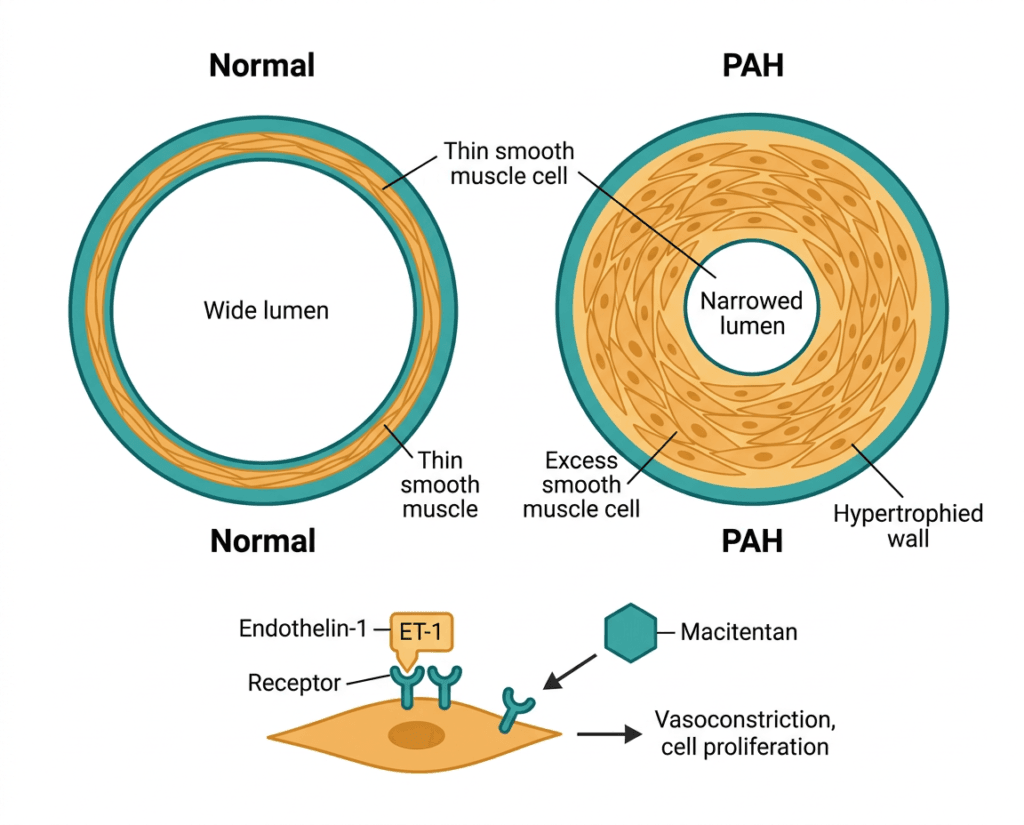
    In PAH, the small pulmonary arteries, the vessels carrying blood from the right side of the heart through the lungs to pick up oxygen, undergo progressive structural remodeling. The vessel walls thicken. The lumens narrow. Abnormal cell proliferation, vasoconstriction, thrombosis, and inflammation converge to create a situation where the right ventricle must work against massively increased resistance to push blood through the lungs. Over time, the right ventricle enlarges and begins to fail.

    Women are more likely to have PAH, with registries reporting a 65 to 80% female predominance. Earlier studies suggested a mean diagnosis age in the 30s; more recent registries suggest a mean age of diagnosis in the 50s. U.S. registry data suggest a 5-year survival rate of approximately 57% from the time of diagnostic right-heart catheterization without treatment.

    The WHO functional classification used in PAH captures the clinical reality of the disease’s progression:

    WHO functional classDescriptionClinical relevance
    Class INo limitation of physical activity; ordinary activity causes no symptomsRare at diagnosis; goal of aggressive treatment
    Class IISlight limitation of physical activity; comfortable at rest; ordinary activity causes dyspnea, fatigue, or presyncopeCommon presentation; treatment initiation typically begins here
    Class IIIMarked limitation of physical activity; comfortable at rest; less-than-ordinary activity causes symptomsMost patients present here; disease significantly limits daily life
    Class IVInability to carry out any physical activity without symptoms; signs of right heart failure may be present at restLate-stage; high mortality risk; often requires IV prostacyclin therapy

    PAH has multiple subtypes. Idiopathic PAH, where no underlying cause is identified, accounts for roughly 39 to 46% of cases. Other forms are associated with connective tissue diseases (particularly systemic sclerosis), congenital heart disease, HIV infection, portal hypertension, and drug or toxin exposures. All share the same pathological vascular remodeling process and are treated with similar targeted therapies.

    The Endothelin System: Why It Matters in PAH

    Three main molecular pathways are dysregulated in PAH and serve as targets for approved therapies: the endothelin pathway, the nitric oxide/cGMP pathway, and the prostacyclin pathway. Macitentan targets the first.

    Endothelin-1 (ET-1) is a peptide produced by vascular endothelial cells. Under normal circumstances, ET-1 plays a regulatory role in vascular tone. In PAH, ET-1 levels in pulmonary arterial tissue are markedly elevated, and the ET-1 system becomes a driver of both vasoconstriction and the abnormal smooth muscle cell proliferation that progressively narrows pulmonary vessels.

    ET-1 exerts its effects through two receptor subtypes: endothelin receptor A (ETA) and endothelin receptor B (ETB). ETA receptors on smooth muscle cells mediate vasoconstriction and proliferation. ETB receptors on endothelial cells mediate ET-1 clearance and nitric oxide release, a vasodilatory signal. This creates a pharmacological distinction between selective ETA blockade (preserving ETB-mediated clearance) and dual ETA/ETB blockade. Ambrisentan is a selective ETA antagonist; bosentan and macitentan are dual antagonists.

    Macitentan was developed by modifying the structure of bosentan to increase efficacy and tissue penetration. Endothelin-1 acts primarily in tissues, in the walls of pulmonary vessels, rather than in the bloodstream. By increasing lipophilicity and receptor affinity, macitentan achieves deeper tissue penetration at a distribution coefficient ratio of 800:1 (lipid phase to aqueous phase), compared with 20:1 for bosentan. Because of its lower dissociation rate, macitentan behaves as what researchers call an insurmountable antagonist in functional assays of pulmonary arterial smooth muscle cells: it holds onto the receptor even when ET-1 concentrations are high. Its predecessors could be displaced from the receptor when ET-1 levels rose, precisely the situation in high-pressure PAH tissue. Macitentan’s pharmacological profile also includes an active metabolite, ACT-132577, that contributes to its prolonged duration of action. The slow receptor dissociation kinetics that differentiate macitentan from other ERAs were demonstrated in pulmonary arterial smooth muscle cell-based assays and were central to its development rationale.


    The SERAPHIN Trial: Why This Was a Different Kind of Evidence

    Most PAH drug trials before SERAPHIN were short, typically 12 to 16 weeks, and used a single surrogate endpoint: the six-minute walk distance (6MWD), a measure of how far a patient can walk in six minutes. 6MWD is a reasonable proxy for functional capacity, but it is not a clinical outcome. Patients can walk further and still progress to clinical worsening, hospitalization, or death.

    SERAPHIN (NCT00660179) was designed differently. It enrolled 742 patients and was the first PAH trial to use a morbidity and mortality composite as its primary endpoint rather than a surrogate. Patients were randomized to macitentan 3 mg, macitentan 10 mg, or placebo for a median duration of approximately 100 weeks. The primary endpoint was a composite of: worsening of PAH (defined by specific criteria), initiation of intravenous or subcutaneous prostanoid therapy, atrial septostomy, lung transplantation, or death from any cause. These are real clinical events, not surrogate measures.

    EndpointPlaceboMacitentan 3 mgMacitentan 10 mg
    Primary morbidity/mortality event (% of patients)46.4%38.0%31.4%
    Hazard ratio versus placebo0.70 (97.5% CI 0.52 to 0.96)0.55 (97.5% CI 0.39 to 0.76)
    Risk reduction versus placebo30%45%
    p-value (10 mg)p less than 0.001
    Change in 6MWD at Month 6+7.4 m+12.5 m
    Median treatment durationapproximately 99.5 weeksapproximately 103.9 weeks

    Source: Pulido T et al. Macitentan and Morbidity and Mortality in Pulmonary Arterial Hypertension. NEJM. 2013;369(9):809–818. doi:10.1056/NEJMoa1213917. SERAPHIN trial, NCT00660179.

    Two sub-analyses from SERAPHIN are particularly important for clinical practice. For patients already on background PAH therapy at baseline, macitentan 10 mg reduced the primary endpoint risk by 38% versus placebo. For treatment-naive patients, the risk reduction was 55%. The benefit existed whether or not patients were already being treated with another PAH agent, which validated macitentan’s use in both combination and monotherapy settings.

    One caveat: there was a trend toward a macitentan-related reduction in death, but this was not statistically significant. SERAPHIN was not powered to detect a difference in mortality alone, and in a progressive disease where clinical deterioration likely precedes death, mortality was unlikely to be recorded as the first event. SERAPHIN proved macitentan reduces clinical worsening. It did not individually establish a mortality benefit, though the overall composite is clinically meaningful.

    Dr. Sanjay Mehta, MD, FRCPC, FCCP, Professor of Medicine at the University of Western Ontario and SERAPHIN investigator, has described the study as demonstrating that macitentan significantly reduced the risk of morbidity and mortality in both treatment-naive patients and patients already on background therapy, with the benefit observed for several important indicators of PAH progression.


    Where Macitentan Fits in Today’s PAH Treatment Landscape

    The PAH treatment landscape in 2026 is considerably more complex than it was when Opsumit was approved in October 2013. Current guidelines recommend combination therapy targeting multiple pathways simultaneously as the standard approach for most patients, rather than sequential monotherapy as was the norm for the first decade of targeted PAH treatment.

    PathwayDrug classApproved agents
    Endothelin pathwayEndothelin receptor antagonists (ERAs)Bosentan (Tracleer), Ambrisentan (Letairis), Macitentan (Opsumit)
    Nitric oxide/cGMP pathwayPDE5 inhibitorsSildenafil (Revatio), Tadalafil (Adcirca)
    Nitric oxide/cGMP pathwaySoluble guanylate cyclase stimulatorsRiociguat (Adempas)
    Prostacyclin pathwayProstacyclin analogues and receptor agonistsEpoprostenol (IV), Treprostinil (IV/SC/inhaled/oral), Iloprost (inhaled), Selexipag (Uptravi)

    Current guidelines from the European Society of Cardiology and the American Heart Association/American Thoracic Society recommend starting most patients with at least dual combination therapy at diagnosis, typically an ERA plus a PDE5 inhibitor. Macitentan and tadalafil have become one of the most commonly prescribed combination regimens, which is precisely the clinical rationale behind J&J’s development of Opsynvi.

    Opsynvi: J&J’s LOE response strategy

    On March 22, 2024, the FDA approved Opsynvi, a single-tablet combination of macitentan 10 mg and tadalafil 40 mg, for the chronic treatment of adults with PAH (WHO Group I and WHO Functional Class II to III). Opsynvi may be used in patients who are treatment-naive or who are already on an ERA, PDE5 inhibitor, or both.

    The Opsynvi fixed-dose combination carries its own unique period of exclusivity, giving Johnson and Johnson a commercial product intended to mitigate revenue loss from generics of macitentan alone. This is a well-established pharmaceutical lifecycle strategy: develop a fixed-dose combination with its own patent protection before the individual component loses exclusivity. For patients, Opsynvi represents a simpler regimen, one tablet once daily instead of two separate pills, which has clinical value when guidelines call for dual-pathway treatment regardless of risk stratification.

    The approval was based on data from the Phase 3 A DUE study, in which the single-pill macitentan and tadalafil combination outperformed either drug as monotherapy, showing greater reductions in pulmonary vascular resistance from baseline to 16 weeks.

    For patients currently on separate macitentan and tadalafil tablets, a transition to Opsynvi is worth discussing with a specialist. For patients where cost is a barrier, generic macitentan used alongside generic or branded tadalafil may be a more accessible path, but that conversation requires specialist guidance on regimen coordination and monitoring.


    The REMS Program: What It Requires and Why It Applies to Generics

    Like pomalidomide (covered in Post 2 of this series), macitentan carries a boxed warning for embryo-fetal toxicity and is available only through a REMS program. The mechanism differs from pomalidomide’s teratogenicity: macitentan causes fetal harm based on animal reproduction studies showing abnormal fetal development at exposures below the human therapeutic dose. The regulatory framework is comparable.

    The Macitentan-Containing Products REMS, covering Opsumit, Opsynvi, and all generics, requires:

    • Females of reproductive potential must enroll in the REMS and comply with monthly pregnancy testing throughout treatment
    • Two forms of contraception are required during treatment and for one month after the last dose
    • Prescribers must be certified to prescribe macitentan-containing products
    • Pharmacies must be certified to dispense them

    These requirements do not disappear when a generic version launches. Generic manufacturers are required to operate under the same REMS framework as the brand-name product. For patients, this means the process of obtaining generic macitentan will not feel substantially different from obtaining Opsumit in terms of safety checkpoints. If you have been on Opsumit for any length of time, you are already enrolled in the program. The brand name changes; the safety process does not.


    The Safety Profile: What the Trial Data and Prescribing Information Show

    A network meta-analysis comparing ERAs in PAH found that compared with placebo, macitentan significantly increased the risk of anemia (RR 3.42; 95% CI 1.65 to 7.07). Within the ERA class, bosentan carried the highest risk of abnormal liver function; ambrisentan carried the highest risk of peripheral edema; and macitentan carried the highest risk of anemia. These distinctions inform drug selection and monitoring choices.

    Safety itemDetailsClinical guidance
    Embryo-fetal toxicity (boxed warning)Macitentan causes fetal harm based on animal data. Contraindicated in pregnancy.REMS enrollment required. Monthly pregnancy testing for females of reproductive potential. Two forms of contraception during treatment and for 1 month after the last dose.
    AnemiaMore common with macitentan than with bosentan or ambrisentan; observed in approximately 13% of SERAPHIN patients versus 3% with placebo.CBC monitoring at baseline, 1 month, and periodically thereafter. Dose reduction or discontinuation may be required for significant anemia.
    Nasopharyngitis and upper respiratory infectionsMost common adverse event overall; reported in approximately 14% of SERAPHIN patients.Generally mild; monitor and manage symptomatically.
    Headache and flushingCommon ERA class effects from peripheral vasodilation.Typically mild and usually resolves with continued treatment.
    HepatotoxicityLess common than with bosentan, which carries a specific liver function monitoring requirement. Liver enzyme elevations reported.Periodic liver function monitoring recommended.
    Peripheral edemaLess common than with ambrisentan.Particularly relevant in patients with right heart failure who may have baseline fluid retention.
    Pulmonary edema in PVODERA therapy can precipitate acute pulmonary edema in patients with pulmonary veno-occlusive disease (PVOD), a related but distinct condition.Macitentan is contraindicated in PVOD. Accurate diagnosis before initiating therapy is essential.
    Drug interactionsMacitentan is metabolized primarily by CYP3A4. Strong CYP3A4 inhibitors (ketoconazole, ritonavir) increase exposure; strong inducers (rifampin) decrease it.Review all concurrent medications before initiating.

    The Generic Landscape: Five Approved, Now Entering the Market

    Orphan disease drug pricing reflects the reality of small patient populations: manufacturers price to recoup development costs over a limited commercial base. Monthly costs for Opsumit run into the thousands of dollars, with annual costs for patients without adequate coverage potentially exceeding $100,000.

    The manufacturers with FDA-approved generic macitentan 10 mg tablets as of 2026:

    ManufacturerApproval notes
    Zydus CadilaFirst approval
    Alembic PharmaceuticalsApproved August 2025
    MSN PharmaceuticalsApproved August 2025
    Sun PharmaceuticalsApproved August 2025
    Additional manufacturersFurther approvals expected as remaining patent disputes resolve

    Market entry for generic macitentan has been delayed relative to the FDA approval dates because of patent litigation. Johnson and Johnson holds multiple layers of patent protection on macitentan, including compound, formulation, and method-of-use patents, and has used settlement agreements to control generic entry timing. This is a common dynamic in the rare disease pharmaceutical market and is not unique to macitentan.

    Several factors specific to PAH as a disease category shape the generic transition differently from more common conditions:

    PAH treatment is managed by specialists at certified PAH centers, and those specialists are appropriately conservative about switching stable patients to alternative formulations. In a disease where clinical worsening can progress rapidly and hospitalizations carry serious mortality risk, treatment changes are never made casually.

    PAH patients are typically on multiple medications simultaneously, an ERA, a PDE5 inhibitor, and sometimes a prostacyclin agent. Coordinating a generic switch across a complex regimen requires specialist oversight.

    The Opsynvi combination product creates a commercial counterweight: patients already on both macitentan and tadalafil have a clinically reasonable path to consolidate onto a single branded pill rather than take two generic pills separately. Whether that simplification justifies the price difference is a judgment that will play out differently across payer and patient circumstances.


    What This Means for Patients

    If you are currently taking Opsumit, do not make any changes to your regimen without discussing it with your PAH specialist. In a disease this serious, where treatment interruption or dosing errors carry real clinical risk, the appropriate channel for a formulary transition is through your prescribing center, not a pharmacist acting unilaterally.

    What should prompt that conversation: if your insurer notifies you of a formulary change toward generic macitentan, ask your specialist to review the transition with you. The clinical content of the treatment is identical. The REMS enrollment carries over. The switch should be medically straightforward, but any change in an active PAH regimen is worth documenting in your clinical record.

    For patients who have been diagnosed with PAH but face barriers to accessing Opsumit through inadequate insurance coverage, prior authorization hurdles, or cost-sharing burdens: the arrival of generic competition over the next 12 to 24 months should create new formulary access opportunities. The Pulmonary Hypertension Association maintains a patient services team and can assist with navigating access and financial assistance resources. Johnson and Johnson’s patient assistance program for Opsumit also remains available while the brand is on the market.

    For patients not yet on PAH-targeted therapy who may have been waiting for cost reasons: the right starting point is always a referral to a center with PAH expertise, not a generic launch. PAH management requires right-heart catheterization for definitive diagnosis, risk stratification, and an individualized treatment plan that accounts for disease severity, associated conditions, and treatment goals.

    For related HED coverage on how biosimilar and generic market entry intersects with complex disease management, see Post 2 of this series on generic pomalidomide (Pomalyst) and the persistent REMS requirements that apply across brand and generic versions, and our post on Immgolis and Immgolis Intri, the first biosimilars to golimumab (Simponi), which also covers why FDA approval does not equal immediate commercial availability when patent litigation is involved.


    Sources

    SERAPHIN primary publication: Pulido T et al. Macitentan and Morbidity and Mortality in Pulmonary Arterial Hypertension. New England Journal of Medicine. 2013;369(9):809–818. doi:10.1056/NEJMoa1213917.

    SERAPHIN trial registration: NCT00660179. ClinicalTrials.gov.

    Opsynvi FDA approval (March 2024): FDA approves macitentan and tadalafil (Opsynvi) for pulmonary arterial hypertension. FDA.gov.

    A DUE trial registration: NCT03903172. ClinicalTrials.gov.

    Opsynvi A DUE trial coverage: FDA Approves Macitentan, Tadalafil Combination Tablet for PAH. AJMC. March 2024.

    Opsumit FDA approval: FDA approves macitentan (Opsumit) for pulmonary arterial hypertension. FDA.gov. October 2013.

    Optum LOE market context: Blockbuster drug patent expirations in 2026 and what they mean. business.optum.com. April 2026.

    Generic macitentan approvals: Is there a generic for Opsumit? MedxDrg. December 2025.

    Macitentan mechanism and tissue penetration review: Treatment of PAH with the dual ERA macitentan: clinical evidence and experience. PMC6376529.

    ERA slow receptor dissociation kinetics: Gatfield J et al. Slow Receptor Dissociation Kinetics Differentiate Macitentan from Other ERAs. PLOS ONE. 2012. PMC3471877.

    ERA comparative safety network meta-analysis: Comparative safety of endothelin receptor antagonists in PAH. Pulmonary Circulation. 2018. PMID 30069483.

    PAH survival statistics and epidemiology: Emmons-Bell S et al. Prevalence, incidence, and survival of PAH: a systematic review for the GBD 2020 study. Pulmonary Circulation. 2022. doi:10.1002/pul2.12020.

    PAH pathophysiology: Pulmonary Arterial Hypertension. StatPearls. NCBI.

    WHO functional classification in PAH: WHO Functional Classification in Pulmonary Hypertension. PMC6195065.

    SERAPHIN landmark context (PMC): Macitentan in PAH: the SERAPHIN trial. PMC4220429.

    ESC PAH guidelines: ESC/ERS Guidelines for the Diagnosis and Treatment of Pulmonary Hypertension. escardio.org.

    Right-heart catheterization: Right Heart Catheterization. StatPearls. NCBI.

    NHLBI PAH overview: Pulmonary Hypertension. NHLBI.

    FDA REMS resources: REMS Program Resources. FDA.gov.

    Opsumit prescribing information: Opsumit (macitentan) Prescribing Information. Johnson & Johnson/Actelion.

    Janssen patient assistance: Janssen CarePath. janssencarepath.com.

    Patient resources: Pulmonary Hypertension Association | American Thoracic Society patient education | NHLBI Pulmonary Hypertension

    Disclaimer: Health Evidence Digest provides general information about FDA approvals, loss of exclusivity events, and health research for educational purposes. This content is not a substitute for professional medical advice. Pulmonary arterial hypertension is a serious, progressive disease requiring management by specialist physicians at certified PAH centers. Patients should not make any changes to their PAH treatment regimen without consulting their prescribing specialist. Drug pricing information reflects figures at time of publication and is subject to change.
  • Pomalyst Cost $24,000 a Month and Helped Transform Multiple Myeloma From a Death Sentence Into a Manageable Disease. Now It Has Generic Competitors. Here Is What That Means and What the Science Behind It Actually Shows.

    The essentials: Pomalyst (pomalidomide, Bristol Myers Squibb) is the third and most potent immunomodulatory drug (IMiD) approved for multiple myeloma, indicated specifically for adults who have received at least two prior therapies including lenalidomide and a proteasome inhibitor. It is also approved for Kaposi sarcoma. Estimated U.S. annual sales: $2.34 to $3.2 billion depending on measurement period. List price at launch: approximately $24,476 for 21 capsules; a 28-day cycle at the 4 mg dose can exceed $30,000. Generic launches: In March 2026, Breckenridge Pharmaceutical (with NATCO Pharma) and Camber Pharmaceuticals each launched generic pomalidomide capsules in all four dose strengths (1 mg, 2 mg, 3 mg, 4 mg). By mid-2026, at least four generic manufacturers had launched, with more expected. Current generic discount: approximately 23% below brand list price. Historical patterns with oral oncology generics project 50 to 70% discounts once five or more manufacturers are in the market. Critical caveat: the PS-Pomalidomide REMS program applies to all pomalidomide regardless of brand or generic status, due to severe teratogenicity as a thalidomide analogue. Patients cannot obtain generic pomalidomide at a standard retail pharmacy. Specialty pharmacy infrastructure remains the dispensing pathway.
    📚 About this series: the 2026 Loss of Exclusivity Watch This is Post 2 of HED’s 2026 Loss of Exclusivity series, tracking the ten major drugs losing U.S. exclusivity this year. The full series covers: Xolair (omalizumab) • Pomalyst (pomalidomide) • Opsumit (macitentan) • Januvia/Janumet (sitagliptin) • Simponi (golimumab) • Mavenclad (cladribine) • Gattex (teduglutide) • Trintellix (vortioxetine) • Briviact (brivaracetam) • Xeljanz (tofacitinib). Each post follows the same format: what the drug is and how it works, what the clinical evidence shows, who uses it and why, and what the entrance of competition means for patients, prescribers, and the market. Post 1 covered Xolair (omalizumab) and the arrival of its first interchangeable biosimilar.

    Multiple myeloma was, for most of the twentieth century, a disease with very limited treatment options. Median survival after diagnosis in the 1970s was roughly two to three years. The available chemotherapy regimens, primarily melphalan and prednisone, produced responses in some patients but rarely deep ones, and the disease almost always came back in a more aggressive form. Patients who relapsed after first-line treatment had few realistic options.

    Pomalyst (pomalidomide) is the third immunomodulatory agent to receive FDA approval for myeloma: thalidomide was first in 2003, lenalidomide in 2006, and pomalidomide in 2013. Together that class of drugs, called IMiDs (immunomodulatory drugs), became the backbone of a treatment revolution. Multiple myeloma is still not curable for most patients, but median survival has roughly tripled over the past two decades. Pomalidomide’s specific role is in the relapsed and refractory setting: it is the standard option when both lenalidomide and a proteasome inhibitor have already failed.

    In March 2026, the first generic versions of Pomalyst entered the U.S. market. This post covers what pomalidomide is, where it fits in the myeloma treatment landscape, how the cereblon mechanism works, what the clinical evidence shows, why the REMS program persists for generics, and what the entrance of competition is likely to mean for a patient population with enormous financial vulnerability and very limited treatment alternatives.


    What Multiple Myeloma Is and Why the Treatment Landscape Matters

    Multiple myeloma is a cancer of plasma cells, the mature B cells that live in bone marrow and normally produce antibodies. When plasma cells become malignant, they proliferate uncontrollably, crowding out normal blood cell production, secreting abnormal proteins (monoclonal immunoglobulins or M proteins) that damage kidneys and other organs, and eroding bone through activation of osteoclasts. The result is a disease that attacks from multiple angles simultaneously: anemia from marrow crowding, bone pain and fractures from skeletal destruction, kidney failure from M protein accumulation, and immune suppression from the displacement of normal immune cells.

    The American Cancer Society estimated 35,730 new cases of multiple myeloma in the U.S. in 2023. It is predominantly a disease of older adults, with a median age at diagnosis of around 70, and is more common in Black Americans than white Americans at roughly double the incidence rate, a disparity attributed to both genetic and structural factors. The International Myeloma Foundation notes this racial disparity as one of the most significant equity gaps in oncology.

    The treatment landscape has been reshaped over the past 20 years by three overlapping drug classes: IMiDs (thalidomide, lenalidomide, pomalidomide), proteasome inhibitors (bortezomib, carfilzomib, ixazomib), and monoclonal antibodies (daratumumab, elotuzumab, isatuximab). These classes are now routinely used in combination, producing response rates and survival durations that were not achievable when melphalan-prednisone was the standard of care. CAR-T cell therapy and bispecific antibodies are the newest frontier for heavily pretreated patients.

    Pomalidomide occupies a specific niche within this landscape. It is not a first-line drug. Its approved indication is for patients who have received at least two prior therapies including lenalidomide and a proteasome inhibitor, patients who are by definition in later lines of treatment. When pomalidomide is prescribed, the patient has already been through multiple other options. The clinical bar in this population is real, and the drug meets it.


    The Science: How Pomalidomide Works

    Pomalidomide belongs to the thalidomide analogue family, but understanding it requires moving past the historical context of thalidomide and into the modern molecular biology of what these drugs actually do.

    The mechanism centers on a protein called cereblon (CRBN), a substrate receptor of the CRL4-CRBN ubiquitin ligase complex. Every cell manages its protein inventory through the ubiquitin-proteasome pathway: proteins that need to be destroyed are tagged with ubiquitin molecules and delivered to the proteasome for degradation. E3 ubiquitin ligases perform the tagging, guided by substrate adaptor proteins toward specific targets.

    When pomalidomide binds to cereblon, it changes which proteins the CRL4-CRBN complex targets for ubiquitination and destruction. Specifically, pomalidomide induces ubiquitination and proteasomal degradation of two key transcription factors: Ikaros (IKZF1) and Aiolos (IKZF3), which regulate immune cell development and homeostasis. The downregulation of Ikaros and Aiolos leads to sequential downregulation of c-Myc followed by IRF4, both transcription factors that myeloma cells depend on for survival. Without them, the malignant plasma cell loses the ability to sustain itself and undergoes apoptosis.

    The immune system benefit operates through a parallel pathway. Pomalidomide enhances T cell activation through cereblon-mediated effects on IL-2 and TNF-alpha production, effectively turning up the immune system’s capacity to recognize and attack myeloma cells at the same time it turns off the myeloma cells’ internal survival programs.

    Pomalidomide is a third-generation IMiD, more potent than both thalidomide and lenalidomide at inducing cereblon-mediated degradation of Ikaros and Aiolos. Critically, it retains activity in many patients who have become resistant to lenalidomide. While both drugs use the same cereblon mechanism, their binding affinities and degradation kinetics differ enough that lenalidomide resistance does not automatically confer pomalidomide resistance. This is the clinical rationale for its use in the lenalidomide-refractory setting.

    Dr. Paul G. Richardson, MD, Clinical Director of the Jerome Lipper Center for Multiple Myeloma at Dana-Farber Cancer Institute, has characterized pomalidomide as filling an unmet need for patients in this setting, a description consistent with the regulatory and clinical data that supported its FDA approval.

    The cereblon mechanism and resistance Patients whose tumors have acquired resistance through cereblon pathway alterations, including low IKZF1 expression, are less likely to respond to pomalidomide and have inferior overall survival. Patients with the lowest quartile of IKZF1 expression show reduced response rates to pomalidomide-dexamethasone and worse survival outcomes. Biomarker-informed prescribing, including cereblon expression assessment, is an active area of research. The next-generation cereblon E3 ligase modulatory drugs (CELMoDs), including iberdomide and mezigdomide, are being studied specifically in patients who have become resistant to pomalidomide through cereblon pathway alterations.

    What the Clinical Evidence Shows

    Pomalidomide is almost always used in combination. The core backbone is pomalidomide plus low-dose dexamethasone (Pd), with additional agents added for more aggressive disease or based on patient characteristics.

    The MM-003 trial was the pivotal Phase 3 study supporting Pomalyst’s February 2013 FDA approval. It enrolled 455 patients with relapsed and refractory myeloma who had received at least two prior lines of therapy including lenalidomide and bortezomib, and who had progressed on or within 60 days of their last therapy. Patients were randomized to pomalidomide plus low-dose dexamethasone versus high-dose dexamethasone alone.

    RegimenTrialKey populationORRMedian PFS
    Pom + Dex (Pd)MM-0032 or more prior lines, Len/Bort refractoryapproximately 31% vs. 10% control15.7 weeks vs. 8 weeks
    Pom + Bortezomib + Dex (PVd)OPTIMISMM1 to 3 prior lines82%11.2 months
    Pom + Daratumumab + Dex (DPd)APOLLO1 or more prior lines, Len-refractory69%12.4 months
    Pom + Isatuximab + Dex (IsaPd)ICARIA-MM2 or more prior lines, Len/PI refractory60.4%11.5 months

    The triplet combinations substantially improved outcomes over doublet therapy, particularly response depth and duration. The CD38 monoclonal antibodies daratumumab and isatuximab have synergized especially well with the pomalidomide backbone, targeting myeloma cells through multiple simultaneous mechanisms.

    For MM-003 specifically: the pomalidomide arm achieved an overall response rate of approximately 31% versus 10% for dexamethasone alone, median PFS of 15.7 weeks versus 8 weeks, and median overall survival of 12.7 months versus 8.1 months. In a patient population where both a prior IMiD and proteasome inhibitor had already failed, those are meaningful differences.


    The REMS Requirement: What It Is and Why It Applies to Generics Too

    This is the most practically important point to understand about pomalidomide’s transition to generic availability: the Risk Evaluation and Mitigation Strategy (REMS) program does not go away when generics launch.

    Pomalidomide is only available through the PS-Pomalidomide REMS program because it is a thalidomide analogue. Thalidomide’s teratogenicity is not a historical footnote. In the late 1950s and early 1960s, thalidomide prescribed for morning sickness caused an estimated 10,000 children to be born with severe limb defects worldwide. That history is the reason REMS programs exist as a regulatory category.

    Under the REMS requirements:

    • Females of reproductive potential must have two negative pregnancy tests before starting pomalidomide treatment: the first within 10 to 14 days prior to initiating therapy, the second within 24 hours prior to prescribing, then weekly during the first month, then monthly thereafter
    • Two forms of contraception are required during treatment and for 4 weeks after treatment ends
    • Males must always use a latex or synthetic condom during any sexual contact with females of reproductive potential while taking pomalidomide and for up to 4 weeks after discontinuing treatment, because pomalidomide is present in semen
    • Prescribers must be certified, patients must be enrolled, and pharmacies must verify REMS compliance before dispensing

    The generic manufacturers launching pomalidomide in 2026 are required to operate under the same REMS framework. This is not optional and there is no generic shortcut around these requirements. For patients, this means the process of obtaining generic pomalidomide will not feel substantially different from obtaining the brand-name product in terms of safety checkpoints. The paperwork and the monitoring requirements remain identical. The cost is what changes.


    The Safety Profile: What Two Decades of IMiD Experience Shows

    Pomalidomide’s safety profile is well-characterized from both clinical trials and post-marketing experience with the broader IMiD class.

    Safety itemDetailsClinical guidance
    Embryo-fetal toxicitySevere: pomalidomide is a known teratogen as a thalidomide analogue. Contraindicated in pregnancy.REMS enrollment required. Two negative pregnancy tests before initiation. Two contraceptive methods required throughout treatment.
    Venous and arterial thromboembolismDVT and PE are common with IMiDs. Risk is elevated with dexamethasone and other combination agents.Aspirin prophylaxis for low-risk patients; anticoagulation (LMWH or warfarin) for higher-risk patients. Discuss with prescriber before initiating.
    NeutropeniaMost common grade 3 or 4 hematologic toxicity; occurs in more than 40% of patients in some trials.Regular CBC monitoring required. Dose adjustments per prescribing information. G-CSF support as clinically indicated.
    Anemia and thrombocytopeniaCommon; reflect both disease burden and treatment effect.CBC monitoring; transfusion support as needed.
    Peripheral neuropathyLess common with pomalidomide than with thalidomide; not a primary concern at typical doses.Monitoring required; dose modification if neuropathy develops.
    InfectionsIncreased risk due to disease-related and treatment-related immune suppression.PCP prophylaxis and varicella-zoster (shingles) prophylaxis both standard during treatment.
    Second primary malignanciesRisk observed with IMiD-based regimens; reported in post-marketing data.Benefit-risk discussion with oncologist; ongoing monitoring.

    The most clinically impactful day-to-day management challenge is thromboembolism risk. IMiDs have a well-established pro-thrombotic effect, and all patients on pomalidomide-containing regimens require some form of anticoagulation or antiplatelet prophylaxis based on their individual risk profile. This must be factored into the treatment plan before the first capsule is dispensed.


    The Generic Landscape: Who Has Launched and What Competition Looks Like

    The current list price for Pomalyst runs approximately $24,476 for 21 capsules across all dose strengths. At the standard 4 mg dosing, a 28-day cycle can exceed $30,000 before insurance. This is not a drug the uninsured can access without assistance, and even insured patients often face substantial cost-sharing.

    The companies that have launched or received FDA approval for generic pomalidomide as of mid-2026:

    Generic manufacturerPartnerStatus
    Breckenridge PharmaceuticalNATCO PharmaLaunched March 2026; all four dose strengths
    Camber PharmaceuticalsLaunched March 2026; 1 to 4 mg in bottles of 21
    Multiple additional manufacturersVariousFDA-approved; launch timing per settlement agreements

    By mid-2026, approximately six manufacturers had received FDA approval for pomalidomide, with four commercially available. Generic versions are currently priced at approximately $18,900 for 21 capsules, about 23% less than the brand-name price.

    That 23% discount is a start, but not the destination. Historical patterns from other oral oncology drugs show that with five or more generic competitors established, discounts in the 50 to 70% range become achievable. Whether that happens within 12 or 36 months depends on how quickly additional manufacturers launch, how aggressively specialty pharmacy benefit managers push conversion, and how Bristol Myers Squibb responds with its own pricing and contracting.

    Why the REMS program changes the generic distribution picture Most generic drugs can be dispensed at any retail pharmacy once approved. Pomalidomide cannot, regardless of brand or generic status. Specialty pharmacies that dispense pomalidomide must be enrolled in the REMS program. This limits distribution to specialty channels and means patients will not be able to fill generic pomalidomide at a standard retail pharmacy. The specialty pharmacy infrastructure remains the dispensing pathway for all versions of the drug. This creates a practical constraint on market dynamics: the competition is among specialty pharmacies enrolled in the REMS program, not the broader retail pharmacy market. For patients, this means the process of switching to a generic requires working within the existing specialty pharmacy network rather than simply requesting a generic substitution at a neighborhood drugstore.

    What This Means for Patients

    Multiple myeloma patients in the relapsed and refractory setting carry high financial toxicity. The term financial toxicity has entered the oncology literature to describe the pattern in which cancer treatment costs create their own form of harm: patients rationing medication, skipping cycles, or declining treatment because of inability to pay. In a disease where treatment continuity directly affects outcomes, financial barriers to access are not just an economic problem. They are a clinical one.

    Generic pomalidomide does not immediately solve this. A 23% discount on a $24,000-per-month drug is meaningful in absolute terms but leaves the drug well out of reach for uninsured patients without assistance programs. The insurance infrastructure, prior authorizations, specialty tier cost-sharing, and step therapy requirements, does not simply vanish when a generic enters the market.

    What the generic landscape does create is pressure on the entire pricing structure. When specialty pharmacy benefit managers can route patients to lower-cost generic equivalents, net prices for the brand fall through rebate renegotiation. Insurers and PBMs who have been paying full WAC for Pomalyst now have leverage they did not have before. Formulary preferences will shift. Over 24 to 36 months, the realistic net cost of pomalidomide therapy across all payers should be materially lower than it was when the brand held exclusive market position.

    For patients currently on Pomalyst: if your insurer notifies you of a formulary switch to generic pomalidomide, the clinical content of your treatment is not changing. The active ingredient, the dosing, the REMS requirements, and the safety monitoring are identical. A brief conversation with your oncologist to confirm the transition is prudent, not because the generic is inferior, but because any change in an active treatment regimen is worth documenting.

    For patients who have been told pomalidomide could be part of their treatment plan but have faced access barriers: the middle of 2026 and into 2027 is the period to revisit. Ask your oncologist and your specialty pharmacy specifically about generic pomalidomide availability and current pricing. The BMS patient assistance program for Pomalyst may also have adjusted its thresholds as generic competition has entered. Eligible commercially insured patients may pay as little as $0 per one-month supply through the BMS copay assistance program, up to a maximum benefit of $15,000 per calendar year.


    Where Pomalidomide Fits in the Evolving Myeloma Landscape

    A caveat worth stating explicitly: generic pomalidomide becoming more affordable does not mean pomalidomide is the right treatment for every relapsed and refractory myeloma patient in 2026. The treatment landscape continues to evolve rapidly.

    CAR-T cell therapies targeting BCMA, including ciltacabtagene autoleucel (Carvykti) and idecabtagene vicleucel (Abecma), have produced deep and durable responses in heavily pretreated patients and are moving earlier in the treatment sequence. Bispecific antibodies targeting BCMA or GPRC5D, including teclistamab, elranatamab, and talquetamab, are showing impressive response rates as outpatient therapies without the manufacturing lead time of CAR-T. The IMiD class is not being replaced; it is increasingly being used in conjunction with these newer modalities.

    CELMoDs, the next-generation cereblon E3 ligase modulatory drugs developed to overcome IMiD resistance, represent the class’s own frontier. Drugs like iberdomide and mezigdomide are being studied in patients who have become resistant to pomalidomide through cereblon pathway alterations, taking the same fundamental biology and engineering around the resistance mechanisms that limit pomalidomide’s long-term utility.

    The value of generic pomalidomide is not only that it makes an existing drug cheaper. It makes a drug with meaningful clinical activity in a population of patients who have run through other options available to more of the patients who need it, at a moment when it may be combined with newer agents in ways that were not available when Pomalyst first launched in 2013.

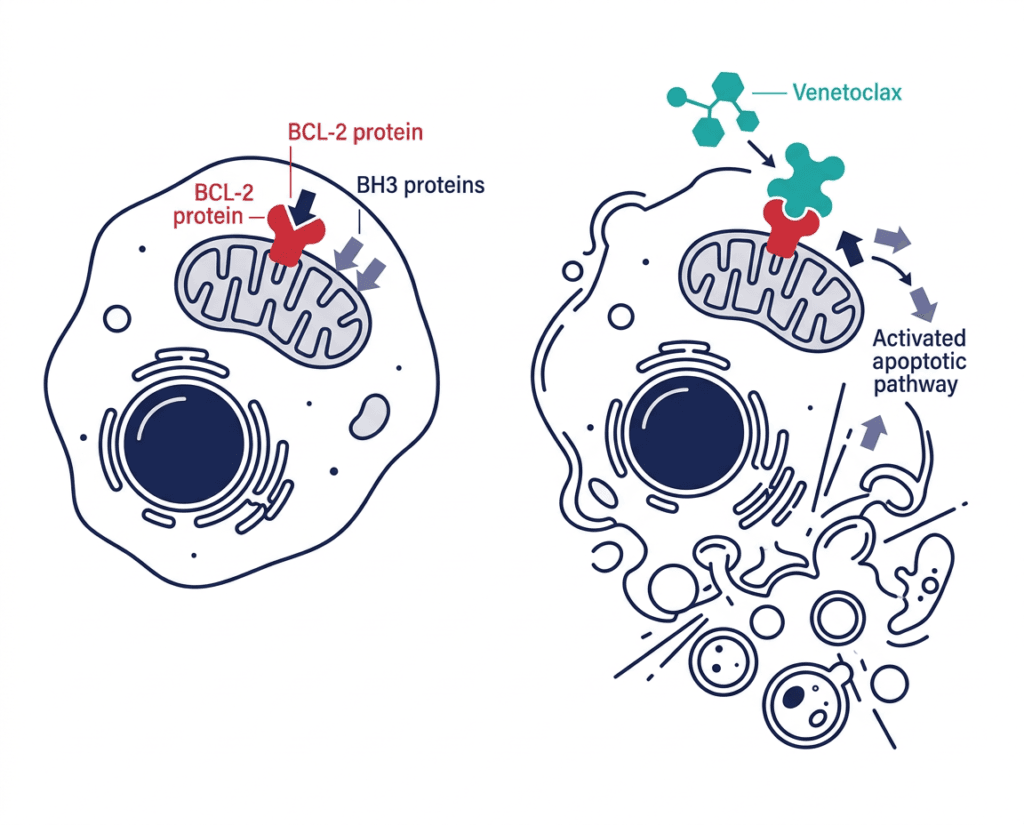
    For related HED coverage on the biosimilar and generic drug access landscape in 2026, see our post on the first generic venetoclax approval and what it means for CLL and AML patients and Post 1 of this series covering Xolair (omalizumab) and its first interchangeable biosimilar.


    Sources

    Breckenridge/NATCO launch announcement: Breckenridge Pharmaceutical Launches Pomalidomide Capsules in the United States. BioSpace. March 2, 2026.

    Camber launch: Camber launches generic Pomalyst. Drug Store News. March 2026.

    NATCO Pharma sales data: Natco Pharma launches generic blood cancer treatment in US. Business Standard. March 3, 2026.

    Generic availability (Drugs.com): Generic Pomalyst Availability. drugs.com.

    Pricing data: Pomalyst Prices, Coupons, Copay Cards and Patient Assistance. drugs.com.

    LOE market context (Optum Rx): Blockbuster drug patent expirations in 2026 and what they mean. business.optum.com. April 2026.

    Pomalidomide mechanism (IKZF1/IKZF3/cereblon): Kronke J et al. Lenalidomide causes selective degradation of IKZF1 and IKZF3 in multiple myeloma cells. Science. 2014;343:301–305. doi:10.1126/science.1244851.

    IMiD mechanisms review: Immunomodulatory Drugs in Multiple Myeloma: Mechanisms of Action and Clinical Experience. Drugs. 2017. PMID 28205024.

    Cereblon/Ikaros/Aiolos degradation kinetics: Zhu YX et al. Rate of CRL4CRBN substrate Ikaros and Aiolos degradation underlies differential activity of lenalidomide and pomalidomide. Blood Cancer Journal. 2015.

    MM-003 pivotal trial: San Miguel J et al. Pomalidomide plus low-dose dexamethasone versus high-dose dexamethasone alone for patients with relapsed and refractory multiple myeloma: final analysis of the phase 3 randomised open-label MM-003 trial. Lancet Oncol. 2013;14(11):1055-1066.

    OPTIMISMM trial: Richardson PG et al. Pomalidomide, bortezomib, and dexamethasone for patients with relapsed or refractory multiple myeloma: final analysis of OPTIMISMM. NEJM. 2019.

    APOLLO trial: Dimopoulos MA et al. Daratumumab plus pomalidomide and dexamethasone versus pomalidomide and dexamethasone alone in previously treated multiple myeloma (APOLLO). Lancet Oncol. 2021.

    ICARIA-MM trial: Attal M et al. Isatuximab plus pomalidomide and low-dose dexamethasone versus pomalidomide and low-dose dexamethasone in patients with relapsed and refractory multiple myeloma (ICARIA-MM). Lancet Oncol. 2019.

    Pomalyst prescribing information and REMS: POMALYST (pomalidomide) capsules Prescribing Information. Bristol Myers Squibb.

    PS-Pomalidomide REMS program: POMALYST REMS. pomalyst-rems.com.

    FDA REMS resources: REMS Program Resources. FDA.gov.

    Thalidomide teratogenicity: Thalidomide. StatPearls. NCBI.

    Cereblon mechanism review: Cereblon and IMiD pharmacology. PMC4565721.

    Ubiquitin-proteasome pathway: Ubiquitin-Proteasome Pathway. StatPearls. NCBI.

    Proteasome inhibitors in myeloma: Proteasome Inhibitors in Multiple Myeloma. PMC6360300.

    CD38 monoclonal antibodies: Anti-CD38 Therapies in Multiple Myeloma. PMC7248059.

    Financial toxicity in oncology: Financial Toxicity in Cancer Care. PMC6354973.

    DVT/PE risk with IMiDs: Thromboembolism. StatPearls. NCBI.

    Neutropenia: Neutropenia. StatPearls. NCBI.

    Multiple myeloma overview: Multiple Myeloma. American Cancer Society.

    Carvykti FDA approval: FDA approves ciltacabtagene autoleucel for relapsed or refractory multiple myeloma. FDA.gov.

    BMS patient assistance: BMS Access Support. bmsaccesssupport.bmscustomerconnect.com.

    Patient resources: International Myeloma Foundation | Multiple Myeloma Research Foundation | HealthWell Foundation

    Disclaimer: Health Evidence Digest provides general information about FDA approvals, loss of exclusivity events, and health research for educational purposes. This content is not a substitute for professional medical advice. Multiple myeloma treatment decisions are complex and highly individualized. Patients should consult their hematologist-oncologist before making any changes to their treatment regimen. Drug pricing information reflects figures at time of publication and is subject to change.
  • Xolair Has Dominated the Severe Asthma and Allergy Market for Two Decades. Now Biosimilars Are Coming. Here Is What $3.7 Billion in Annual Sales and 20 Years of Clinical Evidence Actually Tells Us About Who Benefits Most.

    Xolair Has Dominated the Severe Asthma and Allergy Market for Two Decades. Now Biosimilars Are Coming. Here Is What $3.7 Billion in Annual Sales and 20 Years of Clinical Evidence Actually Tells Us About Who Benefits Most.

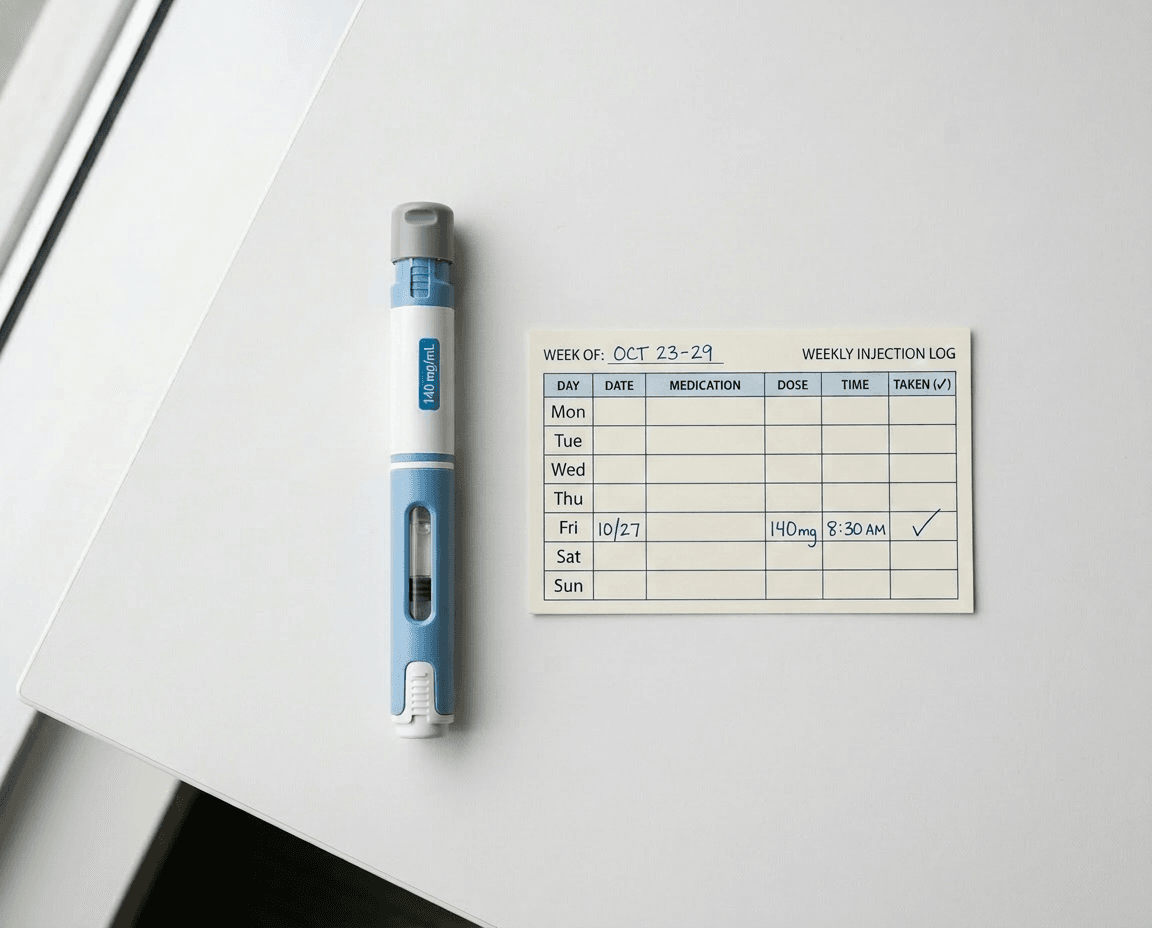
    📌 The essentials Xolair (omalizumab, Genentech/Novartis) is the most commercially significant drug losing U.S. exclusivity in 2026, with $3.7 billion in 2025 U.S. sales. It is a humanized anti-IgE monoclonal antibody approved for four indications: moderate-to-severe persistent allergic asthma (2003), chronic idiopathic urticaria (2014), chronic rhinosinusitis with nasal polyps (2020), and IgE-mediated food allergy (2024). The first U.S. biosimilar, Omlyclo (omalizumab-igec, Alvotech/Teva), was approved by the FDA in March 2025 with interchangeable designation, meaning pharmacists can substitute it for a Xolair prescription at the counter without contacting the prescriber. Commercial launch is expected by September 1, 2026 per a settlement agreement between Genentech/Roche and Alvotech/Teva. The access gap this LOE addresses: Xolair’s list price ranges from approximately $1,400 to $2,800 or more per dose, with annual costs of $20,000 to $35,000 or higher. The most common reason an eligible patient does not receive omalizumab is not clinical. It is the price. Biosimilar competition has the potential to change that.
    📚 About This Series: The 2026 Loss of Exclusivity Watch Each year, Health Evidence Digest tracks the drugs entering the competitive generic and biosimilar market, the moment when decades of brand-name exclusivity end and the healthcare system’s long wait for more affordable alternatives begins. In 2026, ten major drugs are losing U.S. exclusivity, representing a combined estimated $17 billion or more in annual sales. This is Post 1 of 10. The drugs in this series: Xolair (omalizumab) • Pomalyst (pomalidomide) • Opsumit (macitentan) • Januvia/Janumet (sitagliptin) • Simponi (golimumab) • Mavenclad (cladribine) • Gattex (teduglutide) • Trintellix (vortioxetine) • Briviact (brivaracetam) • Xeljanz (tofacitinib). Each post follows the same format: what the drug is and how it works, what the clinical evidence shows, who uses it and why, and what the entrance of competition means for patients, prescribers, and the market.

    For a drug that most people have never heard of, omalizumab has quietly become one of the most important medications in allergy and asthma medicine. Sold as Xolair by Genentech (a Roche subsidiary) and Novartis, it generated $3.7 billion in U.S. sales in 2025, making it the most commercially significant drug among the top 10 losing exclusivity in 2026. For the patients who take it, it can be life-changing. For the healthcare system, its arrival into a competitive biosimilar market is potentially a turning point for access to a class of treatment that has historically been gated behind high costs and strict eligibility criteria.

    This post covers what omalizumab actually does, how it works at a molecular level, what two decades of clinical evidence say about its benefits and limitations, who it helps most, and what the entrance of biosimilar competition, including Omlyclo (omalizumab-igec), expected to launch by September 2026, is likely to mean for patients and prescribers.


    What Omalizumab Is: A 20-Year Overview

    Omalizumab was first approved by the FDA in 2003 for moderate-to-severe persistent allergic asthma in adults and adolescents, a time when biologics for asthma were essentially nonexistent. It was genuinely novel: the first anti-IgE monoclonal antibody, targeting the immunological root cause of allergic disease rather than just suppressing symptoms downstream.

    Over the following two decades, its approved indications expanded substantially. Today, Xolair is approved in the U.S. for four distinct conditions:

    IndicationPopulationYear approvedAdministration
    Moderate-to-severe persistent allergic asthmaAdults and adolescents 12 years and older; inadequately controlled by inhaled corticosteroids with perennial allergen sensitization2003Subcutaneous injection every 2 or 4 weeks
    Chronic idiopathic urticaria (CIU/CSU)Adults and adolescents 12 years and older with symptoms inadequately controlled by antihistamines2014Subcutaneous injection every 4 weeks
    Chronic rhinosinusitis with nasal polyps (CRSwNP)Adults 18 years and older inadequately controlled by nasal corticosteroids2020Subcutaneous injection every 2 or 4 weeks
    IgE-mediated food allergyAdults and children 1 year and older to reduce allergic reactions (not a cure; used alongside allergen avoidance)2024Subcutaneous injection every 2 or 4 weeks, weight/IgE-based dosing

    The food allergy indication, approved in February 2024, significantly expanded the potential patient population and generated substantial public attention. For the first time, families managing severe food allergies had access to an FDA-approved treatment that could reduce (though not eliminate) the risk of a serious reaction from accidental exposure. The approval was based on the OUtMATCH trial, which showed that after 16 to 20 weeks of treatment, 67% of omalizumab-treated participants could tolerate a 600 mg peanut protein dose without moderate-to-severe allergic symptoms, compared to 7% of placebo-treated participants.


    The Science: How Anti-IgE Therapy Actually Works

    To understand why omalizumab matters, it helps to understand IgE (immunoglobulin E), the antibody class at the center of allergic disease.

    In allergic individuals, the immune system has become sensitized to specific environmental antigens: pollen, pet dander, dust mites, mold, certain foods. When exposed to these antigens, specialized immune cells called B cells produce IgE antibodies targeted against them. These IgE antibodies then bind to high-affinity receptors (FcεRI) on mast cells and basophils, white blood cells that patrol tissues and mucous membranes. The IgE sits there, primed.

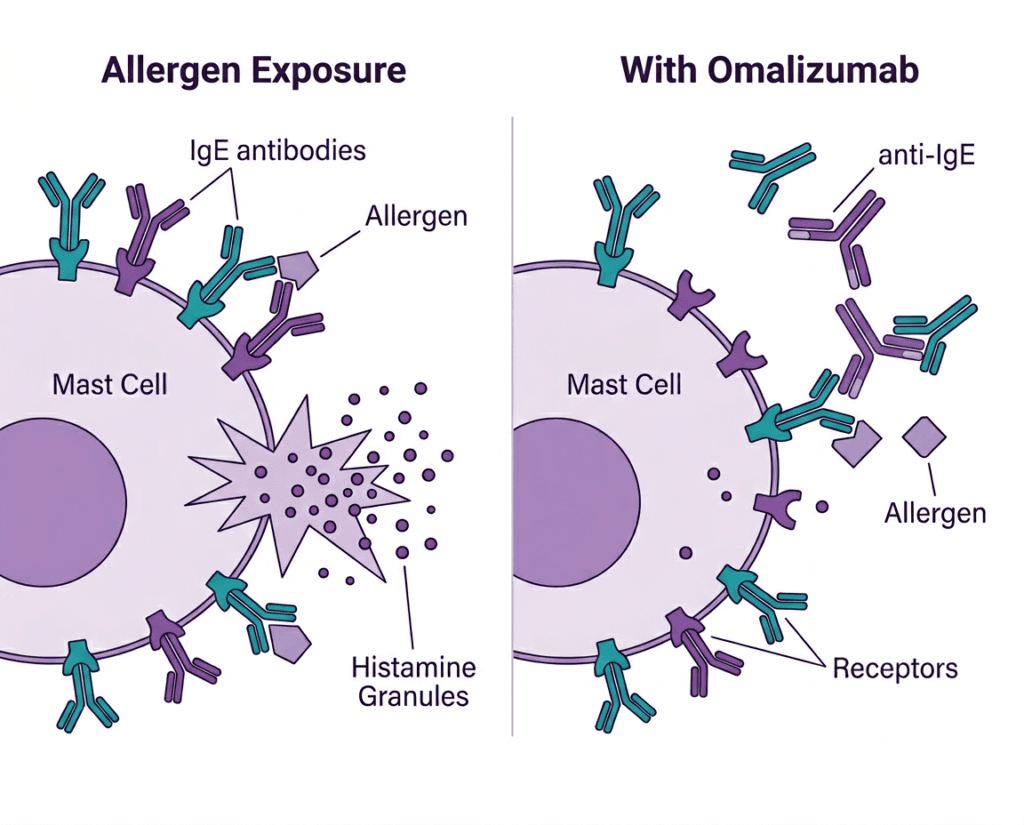
    When the sensitized person is re-exposed to the allergen, it binds to the IgE already docked on those cells, cross-linking adjacent IgE molecules. This cross-linking triggers the cell to degranulate, releasing a cascade of inflammatory mediators including histamine, leukotrienes, prostaglandins, and cytokines. The result is the classic allergic response: bronchoconstriction in asthma, urticaria wheals in hives, mucus hypersecretion in rhinosinusitis, and anaphylaxis in severe food allergy reactions.

    Where omalizumab intervenes in the allergic cascade Omalizumab is a humanized monoclonal antibody that binds specifically to the constant region (Cε3 domain) of free IgE in circulation, the IgE that is floating in the bloodstream before it can bind to mast cells and basophils. By capturing free IgE, omalizumab prevents it from loading onto the FcεRI receptors on mast cells. With fewer IgE-loaded receptors available, allergen exposure produces a much weaker degranulation response, or none at all. Over weeks and months of treatment, FcεRI receptor expression on mast cells and basophils also decreases, a downstream effect that further reduces the cellular machinery available for allergic responses. Critically, omalizumab does not block allergen-specific IgE that is already bound to mast cells. It only captures free circulating IgE. This is why dosing is based on the patient’s baseline total serum IgE level and body weight: higher IgE levels require higher doses to adequately capture the circulating IgE pool.

    Two Decades of Clinical Evidence: What It Shows and What It Does Not

    Allergic asthma: the foundational indication

    The clinical evidence base for omalizumab in moderate-to-severe allergic asthma is one of the most extensive in respiratory medicine. The pivotal trials and post-marketing studies have consistently shown:

    OutcomeEvidenceClinical significance
    Asthma exacerbation reductionApproximately 25 to 50% reduction in exacerbation rates versus placebo in pivotal trials; sustained in long-term registry dataHigh: exacerbations drive hospitalizations, ER visits, and oral steroid burden
    Corticosteroid sparingReduction in inhaled corticosteroid dose; reduced need for oral corticosteroid rescueHigh: reduces steroid-related side effects including bone loss and metabolic effects
    Quality of life (AQLQ scores)Clinically meaningful improvements in validated asthma QoL scores across multiple trialsModerate to high: patient-reported outcomes aligned with clinical endpoints
    Exacerbation seasonality (PROSE study)47% reduction in fall exacerbations versus guideline-based care in low-income inner-city childrenHigh: real-world evidence from the population historically least able to access the drug
    Real-world effectivenessPROSPERO registry and other post-marketing data confirm effectiveness broadly consistent with trial results over 5 or more yearsModerate: real-world data generally aligns with RCT findings

    The critical qualification in the allergic asthma data is eligibility: omalizumab only works in patients who have documented IgE-mediated allergic sensitization (positive skin test or RAST) to a perennial allergen. It does not work for non-allergic asthma, a meaningful subset of severe asthma patients. Patient selection, confirming allergic phenotype before initiating therapy, is essential and is required by the prescribing information.

    Chronic idiopathic urticaria: the evidence is cleaner

    For chronic idiopathic urticaria (CSU), the evidence base is particularly strong. The three pivotal GLACIAL, ASTERIA I, and ASTERIA II trials all demonstrated significant reductions in itch severity, hive activity, and overall disease burden compared to placebo, with 150 mg and 300 mg doses both showing benefit. The 300 mg dose is generally more effective.

    What makes the CIU/CSU evidence distinctive is that it does not require IgE-mediated sensitization to a specific allergen. The mechanism in CIU/CSU is less fully understood but involves IgE’s role in mast cell activation through different pathways. Patients with CIU who have failed antihistamines have historically faced a frustrating situation with limited alternatives. Omalizumab changed that calculus.

    Nasal polyps and food allergy: newer indications, growing evidence

    The CRSwNP approval in 2020 was supported by the POLYP 1 and POLYP 2 trials showing meaningful reductions in nasal polyp score and nasal congestion severity versus placebo. The food allergy OUtMATCH data is discussed above. Both are real expansions of evidence, though the food allergy data in particular warrants honest framing: omalizumab does not desensitize patients or cure food allergy. It raises the threshold for a reaction, giving families more margin for accidental exposures. It is not a replacement for allergen avoidance, epinephrine auto-injectors, or allergen immunotherapy where appropriate.


    Who Uses Xolair and Who Has Not Been Able To

    The gap between who benefits from omalizumab and who actually receives it is significant, and that gap is almost entirely price-driven.

    Eligible patients include: people with moderate-to-severe allergic asthma who have documented IgE sensitization and inadequate control on inhaled corticosteroids; patients with chronic hives unresponsive to antihistamines; adults with nasal polyps after nasal corticosteroid failure; and children as young as 1 year old with certain food allergies. This is a substantial patient population.

    Xolair’s list price is approximately $1,400 to $2,800 or more per dose depending on the dose administered, with most patients receiving injections every 2 to 4 weeks. Annual costs can reach $20,000 to $35,000 or more. Genentech offers a patient support program, but access has remained limited for uninsured and underinsured patients, and prior authorization requirements have historically created barriers even for insured patients.

    The most common reason an eligible patient does not receive omalizumab is not clinical. It is the price. This is the core public health significance of the 2026 loss of exclusivity: if biosimilar competition drives meaningful price reductions, the gap between who can benefit and who actually accesses treatment should narrow.


    The Biosimilar Landscape: Omlyclo and What Comes Next

    In March 2025, the FDA approved Omlyclo (omalizumab-igec), the first U.S. biosimilar to Xolair, developed by Alvotech and commercialized in the U.S. by Teva. The FDA also designated Omlyclo as an interchangeable biosimilar, the more valuable regulatory designation that allows pharmacists to substitute it for Xolair at the counter without a new prescription, subject to state pharmacy laws.

    Omlyclo is approved for all four of Xolair’s indications and all dosing presentations. It is expected to enter the U.S. market by September 1, 2026 per a settlement agreement between Genentech/Roche and Alvotech/Teva.

    ProductCompanyStatusInterchangeable?Expected U.S. launch
    Xolair (omalizumab)Genentech / Novartis (Roche)Reference product; approved 2003N/AAvailable now
    Omlyclo (omalizumab-igec)Alvotech / TevaFDA approved March 2025Yes, interchangeable designationBy September 1, 2026
    TEV-574 and other pipeline biosimilarsMultiple companiesIn development/filingTBD2026 to 2027

    The interchangeable designation for Omlyclo is clinically and commercially significant. Unlike the majority of recently approved denosumab biosimilars, including Teva’s own PONLIMSI which did not receive interchangeable designation, Omlyclo can be automatically substituted at the pharmacy in most states. This is the mechanism that drives faster market conversion and stronger price competition.

    What interchangeability means at the pharmacy counter In the U.S., a biosimilar with an interchangeable designation can be substituted by a pharmacist for the reference product without calling the prescribing physician, provided state pharmacy law allows it, which most states do. This is the same standard that applies to generic small-molecule drugs, and it significantly reduces the friction of market conversion. A prescriber can always specify “brand medically necessary” to prevent substitution. But in routine practice, interchangeability allows formulary managers and pharmacists to automatically route patients to the lower-cost biosimilar as it enters the market, which is what drives meaningful price competition. For patients: if your insurer’s formulary adds Omlyclo as a preferred alternative, you may be automatically switched at your next fill unless your physician specifies otherwise. This is worth a brief conversation with your allergist or pulmonologist when the switch happens, not because biosimilars are less safe or effective, but to ensure the transition is coordinated and that your dose and administration schedule are clearly confirmed.

    What Patients Need to Know About the Transition

    Is a biosimilar omalizumab as safe and effective as Xolair?

    Yes. Biosimilar approval requires demonstration of no clinically meaningful differences in safety, purity, and potency compared to the reference product. The FDA’s biosimilar approval pathway includes analytical similarity data, pharmacokinetic/pharmacodynamic studies, and clinical data. For Omlyclo specifically, the FDA reviewed a comprehensive data package before granting both biosimilar and interchangeable designations, a higher regulatory bar than biosimilar approval alone.

    The mechanism, the molecular target, and the clinical effects are identical. Patients should not expect any change in how the medication works.

    Will the price actually go down, and by how much?

    This is where honest uncertainty is warranted. The U.S. biosimilar market has not always delivered the dramatic price reductions seen in Europe, for structural reasons covered in our post on PONLIMSI and the denosumab biosimilar market. Xolair’s manufacturer has tools available, rebate arrangements with PBMs, patient assistance programs, and patient loyalty programs, that can complicate the competitive dynamics.

    The interchangeable designation for Omlyclo is a meaningful advantage that most denosumab biosimilars lacked. And the omalizumab biosimilar market is at an earlier stage, meaning Omlyclo enters with a stronger competitive position as the sole biosimilar initially, before additional competitors arrive. The denosumab precedent showed first-mover biosimilars entering at 14 to 15% below reference list price. Whether omalizumab biosimilar pricing follows that pattern or goes deeper will depend on how many competitors enter and how aggressively PBMs and insurers push conversion. Patients should watch their formulary notifications and talk to their prescribers if they have concerns about a formulary switch.

    What about patients on the food allergy indication?

    Omlyclo is approved for the food allergy indication, same as Xolair. The 2024 food allergy approval specifically expanded access to children as young as 1 year old, a population for which omalizumab had not previously been approved for any indication. The dosing calculation based on body weight and total serum IgE level applies the same way for the biosimilar.

    For families managing severe food allergies, a formulary switch to Omlyclo should not change the clinical management plan. The same dosing schedule, the same monitoring for injection-site reactions, and the same need for continued allergen avoidance and epinephrine auto-injectors as rescue medication all apply.


    The Safety Profile: What Two Decades of Use Has Shown

    With 20 years of post-marketing surveillance and millions of patients treated, omalizumab’s safety profile is unusually well-characterized for a biologic.

    Safety itemDetailsClinical guidance
    AnaphylaxisRare but real: approximately 0.1 to 0.2% of patients in post-marketing surveillance. Most reactions occur within 2 hours of the first three injections.All omalizumab injections must be given in a healthcare setting. Patients must be observed for at least 30 minutes after each of the first 3 injections and 30 minutes for subsequent injections. Prescribers should have anaphylaxis treatment available.
    Injection site reactionsMost common adverse event: redness, warmth, pain at injection site. Typically mild and self-limiting.Usually manageable with cold compress and rotating injection sites.
    Malignancy (boxed warning)FDA added a boxed warning in 2009 based on post-marketing data. The absolute risk increase is small and uncertain, and longer-term data has been reassuring, but the warning remains on the label.Discuss with prescriber in patients with active or prior malignancy; clinical judgment required.
    Parasitic infection susceptibilityIgE plays a role in defense against helminth infections. Theoretical risk, primarily seen in endemic areas.Relevant for patients living in or traveling to regions with high helminth prevalence.
    Churg-Strauss / EGPACases of eosinophilic granulomatosis with polyangiitis reported in asthma patients on omalizumab. Causal relationship not established; may reflect unmasking as oral steroid dose is reduced.Monitor for vasculitic symptoms including rash, worsening pulmonary symptoms, and peripheral neuropathy during steroid tapering.
    Cardiovascular eventsPost-marketing EXCELS study showed a small numerical increase in cardiovascular and cerebrovascular events in the omalizumab arm versus a comparison population, though not statistically significant.Cardiovascular risk should be considered in individual patient assessment.

    What the Loss of Exclusivity Means for the Market

    Xolair’s LOE is one of the most commercially consequential in 2026, not because of its current sales alone, but because of what access expansion could mean for underserved patient populations.

    In severe allergic asthma, the patients most likely to benefit from anti-IgE therapy are disproportionately likely to be low-income and uninsured. Inner-city asthma, the disease burden concentrated in urban neighborhoods with poor air quality and high allergen exposure, is one of the strongest settings where omalizumab efficacy has been demonstrated. The PROSE study, one of the most important real-world omalizumab trials, was conducted specifically in low-income inner-city children: it showed a 47% reduction in fall exacerbations compared to guideline-based care. Those are exactly the patients who historically could not afford the drug.

    If biosimilar competition drives Omlyclo’s net cost down meaningfully, even 20 to 30%, formulary access should broaden. More insurers and Medicaid programs are likely to add omalizumab to preferred formulary tiers. Prior authorization criteria may loosen. The public health downstream of genuine price competition in this market is real.


    What This Means for Patients Right Now

    If you are currently on Xolair and well-controlled, there is no clinical reason to change anything. What you should do is watch for formulary notifications from your insurer about transitions to Omlyclo when it launches in the second half of 2026. If a switch is planned, a brief check-in with your allergist or pulmonologist is worthwhile, not because the biosimilar is different, but because a care transition is always an opportunity to confirm your current dose and schedule are still appropriate.

    If you have been told omalizumab might help you but could not access it because of cost, 2026 and 2027 may be the window where that changes. Biosimilar competition tends to improve formulary access before it dramatically reduces list prices. Ask your prescriber to revisit the conversation when Omlyclo is available.

    For prescribers: the eligibility criteria have not changed. Documenting IgE sensitization and baseline total IgE is still required before initiating, and dosing is still based on the body weight/total IgE nomogram. The biosimilar approval does not alter the clinical eligibility framework. It only changes the pricing and access picture.

    For related HED coverage on how biosimilar market entry actually works in practice and why regulatory approval does not automatically translate to patient savings, see our post on PONLIMSI and the denosumab biosimilar landscape and our post on Langlara and what interchangeable insulin biosimilar approvals mean for patient access.


    Sources

    Xolair FDA approval history: FDA Drug Approvals: Xolair (omalizumab). fda.gov.

    Omlyclo FDA biosimilar approval, March 2025: FDA Biosimilar and Interchangeable Products. fda.gov.

    LOE market context (Optum Rx): Blockbuster Drug Patent Expirations in 2026 and What They Mean. business.optum.com. April 29, 2026.

    LOE market context (FDCELL): Top 10 Drugs Losing U.S. Patent Protection in 2026. fdcell.com. March 18, 2026.

    OUtMATCH Trial (food allergy): Wood RA et al. Omalizumab for the Treatment of Multiple Food Allergies. New England Journal of Medicine. 2024;390:889–899. doi:10.1056/NEJMoa2312382.

    PROSE Study (inner-city asthma): Teach SJ et al. Preseasonal treatment with either omalizumab or an inhaled corticosteroid boost to prevent fall asthma exacerbations. J Allergy Clin Immunol. 2015;136(6):1476–1485. PMID 26535077.

    GLACIAL, ASTERIA I and II trials (CIU): Maurer M et al. Omalizumab for the treatment of chronic idiopathic or spontaneous urticaria. New England Journal of Medicine. 2013;368:924–935. doi:10.1056/NEJMoa1215372.

    POLYP 1 and 2 trials (nasal polyps): Gevaert P et al. Omalizumab is effective in allergic and nonallergic patients with nasal polyps and asthma. J Allergy Clin Immunol. 2013;131:110–116.

    Xolair prescribing information: Xolair (omalizumab) Prescribing Information. Genentech/Novartis. gene.com.

    Xolair pricing reference: Xolair pricing. GoodRx. goodrx.com. Updated 2026.

    Omalizumab StatPearls: Omalizumab. StatPearls. NCBI.

    IgE biology: Immunoglobulin E. StatPearls. NCBI.

    Mast cells and basophils: Mast Cells. StatPearls. NCBI.

    Anaphylaxis: Anaphylaxis. StatPearls. NCBI.

    Non-allergic asthma: Asthma. StatPearls. NCBI.

    Chronic idiopathic urticaria: Chronic Urticaria. PMC4496130.

    FDA biosimilar development: Biosimilar Development, Review, and Approval. FDA.gov.

    Genentech patient support: Genentech Access Solutions: Xolair. genentech-access.com.

    Patient resources: Asthma and Allergy Foundation of America | American Academy of Allergy, Asthma and Immunology: Find an Allergist | FARE: Food Allergy Research and Education

    Disclaimer: Health Evidence Digest provides general information about FDA approvals, loss of exclusivity events, and health research for educational purposes. This content is not a substitute for professional medical advice. Decisions about transitioning between omalizumab products, including Xolair and biosimilars, should be made in consultation with your prescribing allergist, pulmonologist, or other qualified clinician. Drug pricing information reflects figures at time of publication and is subject to change.
  • Asthma Patients Across the U.S. Have Been Rationing Inhalers Because They Could Not Afford Them. Two Generic Approvals Just Changed That.

    Asthma Patients Across the U.S. Have Been Rationing Inhalers Because They Could Not Afford Them. Two Generic Approvals Just Changed That.

    The essentials: two inhaler generic approvals Generic Flovent HFA (fluticasone propionate 44 mcg per actuation, Glenmark Specialty SA): FDA approved March 3, 2026. First true generic equivalent of Flovent HFA. Controller inhaler for maintenance treatment of asthma in adults and pediatric patients aged 4 and older. GSK discontinued brand-name Flovent in December 2023; authorized generics that replaced it triggered insurance coverage and pricing problems that caused patients, particularly children and Medicaid patients, to stop taking their controller medication. Glenmark received a Competitive Generic Therapy (CGT) designation with 180 days of market exclusivity. Flovent HFA 44 mcg had approximately $520 million in annual U.S. sales. Generic Ventolin HFA (albuterol sulfate 90 mcg per actuation, Cipla USA): FDA approved April 22, 2026. First AB-rated generic equivalent of Ventolin HFA (GlaxoSmithKline). Rescue inhaler for treatment or prevention of bronchospasm in patients aged 4 and older, and for prevention of exercise-induced bronchospasm. The U.S. albuterol market is valued at approximately $1.5 billion. Manufactured at Cipla’s dedicated inhalation facility in Fall River, Massachusetts. What this means for patients: these are the same drugs in the same devices. The generics have been demonstrated bioequivalent and therapeutically equivalent to the brand-name products. If your pharmacist substitutes either generic at the counter, the clinical effect is identical.

    Asthma affects approximately 25 million Americans, including 4.6 million children. It kills an estimated 3,500 people in the United States each year. Most of those deaths are preventable with appropriate medication. And a significant proportion of Americans with asthma are not taking their medication as prescribed, not because they do not want to, but because they cannot afford it.

    The two most essential classes of asthma medication, a daily inhaled corticosteroid (ICS) controller to prevent inflammation and attacks, and a short-acting beta2-agonist (SABA) rescue inhaler for acute bronchospasm, have spent the past decade as some of the most expensive everyday medications in the American pharmacy. A Ventolin HFA inhaler without insurance has historically run $50 to $80 per canister. A Flovent HFA 44 mcg inhaler has cost $200 or more per month out of pocket. For patients who need both and lack adequate insurance coverage, the inhaler bill can exceed $3,000 per year for what should be standard, widely accessible management of a common chronic condition.

    Between March and April 2026, the FDA approved the first true generics for both inhalers. This post covers why inhaler generics have been so slow to arrive, why the Flovent situation is more complicated than it first appears, what these approvals mean practically for patients and prescribers, and why the path from approval to affordability is not as automatic as it should be.


    Why Asthma and Why These Two Inhalers

    The disease

    Asthma is a chronic inflammatory disease of the airways characterized by variable airflow obstruction, bronchial hyperresponsiveness, and underlying airway inflammation. In susceptible individuals, airways become swollen, narrowed, and clogged with mucus in response to triggers including allergens, exercise, cold air, respiratory infections, pollution, and emotional stress.

    Between 5 and 10% of Americans have an asthma diagnosis, with higher prevalence in low-income communities, communities of color, and urban environments with elevated air pollution. Asthma disproportionately affects Black and Puerto Rican Americans, who have higher hospitalization and death rates than white Americans with asthma, a disparity driven by a combination of environmental exposures, healthcare access barriers, and medication affordability.

    Why two inhalers are needed: the controller-rescue distinction

    The standard two-drug approach to asthma management reflects two distinct clinical needs:

    The controller inhaler (inhaled corticosteroid, ICS): taken daily whether or not symptoms are present. Fluticasone propionate (Flovent) is an ICS that suppresses the chronic airway inflammation underlying asthma, reducing the frequency and severity of attacks over time. ICS therapy is the most effective long-term preventive treatment for persistent asthma and is recommended for all but the mildest cases by major asthma guidelines. When taken consistently, ICS reduces asthma hospitalizations, emergency department visits, and deaths. When stopped, airway inflammation returns, attacks become more frequent, and outcomes worsen.

    The rescue inhaler (short-acting beta2-agonist, SABA): used during or immediately before an attack or exercise-induced symptoms. Albuterol (Ventolin, Proventil) relaxes the smooth muscle around the airways within minutes, producing rapid bronchodilation that relieves acute bronchospasm. It is the cornerstone of acute symptom management.

    The distinction matters for the generic story: the controller inhaler is a daily maintenance medication where consistent, affordable access directly prevents hospitalizations. The rescue inhaler is an emergency tool where access failures can be immediately life-threatening.


    The Flovent Discontinuation Disaster: Why a Generic Was Urgently Needed

    The generic fluticasone propionate story is not simply a matter of patent expiration and market entry. There is a specific policy failure in the background that makes the Glenmark approval more urgent.

    In December 2023, GlaxoSmithKline discontinued Flovent HFA and Flovent Diskus, citing an Inflation Reduction Act provision that would have required GSK to pay rebates on pediatric medicines classified as “small molecule” drugs. Rather than pay those rebates, GSK discontinued the branded product and replaced it with so-called “authorized generic” versions, essentially the same drug under a different commercial arrangement, sold through a partnership with Prasco.

    The authorized generic distinction matters because of how drug formularies work. Authorized generics are not subject to the same FDA bioequivalence approval process as true generics; they are sold by the brand manufacturer or its licensee under the same NDA as the brand. Because they do not go through the standard generic approval pathway, they are often not placed on generic formulary tiers by pharmacy benefit managers. In many insurance plans, the authorized generic fluticasone ended up at a higher copay tier than the brand-name Flovent had been, because brand-name formulary positioning depends on rebate negotiations that the authorized generic was not structured to provide.

    The result was that many patients found their affordable Flovent suddenly replaced by a technically identical drug at a higher out-of-pocket cost. A 2025 published study found that children stopped using inhaled corticosteroids after Flovent was discontinued, particularly children on Medicaid, increasing their risk of asthma attacks.

    This is the public health context for the Glenmark approval. The FDA’s own statement at the time of approval specifically noted the access problem: Acting CDER Director Tracy Beth Høeg stated that the agency anticipated that the first true generic would bring “increased availability and reduced costs” specifically because a true generic approved through the standard ANDA pathway is subject to the same formulary positioning as other generics.

    The authorized generic vs. true generic distinction: why it matters for your wallet When a brand-name drug is discontinued and replaced by an authorized generic, insurance formulary tiers do not automatically reclassify it as a low-cost generic. This is because formulary tier placement is negotiated between pharmacy benefit managers and drug manufacturers based on rebates. Authorized generics made by the original manufacturer are often not competitive on rebates with true generics manufactured independently. When a true generic receives FDA approval through the ANDA pathway, it enters the generic formulary tier automatically, and pharmacists can substitute it for any prescription written for the brand-name drug. This is the mechanism that drives real price competition. Glenmark’s fluticasone propionate, having received FDA approval through the standard process, is now positioned to be placed on generic formulary tiers by insurers, which is what will determine whether patients see lower copays.

    Why Inhaler Generics Take So Much Longer Than Pill Generics

    Albuterol and fluticasone are not new molecules. Albuterol has been used in medicine since the 1960s. Fluticasone has been on the market since 1994. Their small-molecule drug patents expired long ago. And yet first generic inhalers for Ventolin HFA took until 2026 and for Flovent HFA until 2026. Why?

    The answer is in the delivery system. An inhaled aerosol is not just the drug; it is the combination of drug, propellant, and device. When the pharmaceutical industry transitioned from chlorofluorocarbon (CFC) propellants to hydrofluoroalkane (HFA) propellants in the early 2000s following the Montreal Protocol on ozone-depleting substances, every inhaler essentially became a new drug-device combination. And drug-device combinations, unlike simple tablets or solutions, are substantially harder to demonstrate bioequivalent.

    For an inhaled aerosol to be AB-rated (substitutable at the pharmacy), the FDA requires demonstrating that the generic delivers the same drug dose to the same location in the lung as the brand-name product. This requires showing pharmacokinetic equivalence (that the same amount of drug enters the bloodstream), and in vitro aerosol performance equivalence (that the particle size distribution, delivered dose, and inhaler performance match). The manufacturing precision required to produce a metered-dose inhaler that consistently delivers the correct dose in the correct particle size is considerably more demanding than manufacturing a tablet.

    This regulatory and manufacturing complexity created a long gap between small-molecule patent expiry and actual generic availability for HFA inhalers. Cipla’s approval as the first AB-rated Ventolin generic, manufactured at a new dedicated inhalation facility in Fall River, Massachusetts, reflects years of investment in that specialized manufacturing capability.


    What Patients and Prescribers Should Know

    Generic fluticasone propionate HFA (Glenmark): for daily asthma control

    What it is and who it is for: A maintenance inhaled corticosteroid for adults and children aged 4 and older with asthma requiring daily preventive therapy. It is identical in drug, dose, and expected clinical effect to Flovent HFA 44 mcg.

    How to use it: Two inhalations twice daily, morning and evening. Rinse your mouth with water and spit after each use without swallowing. This is the single most important adherence step for ICS inhalers, reducing the risk of oropharyngeal candidiasis (oral thrush), a well-known and entirely preventable complication of inhaled corticosteroid use. Many patients skip the rinse and experience oral thrush unnecessarily.

    What it does not do: It is not a rescue inhaler and will not relieve an acute asthma attack. Always carry a separate rescue inhaler (albuterol) and use the controller inhaler consistently even on days without symptoms.

    Contraindicated for: Primary treatment of status asthmaticus or acute asthma attacks requiring intensive measures. Patients with hypersensitivity to fluticasone propionate or any component of the formulation.

    Common adverse effects: Oropharyngeal candidiasis (thrush), hoarseness, immunosuppression effects with long-term high-dose use, slowed growth in children (with long-term use at higher doses, though this effect has been assessed as clinically small relative to the benefit of adequate asthma control).

    Generic albuterol sulfate HFA (Cipla): the rescue inhaler

    What it is and who it is for: A short-acting beta2-agonist (SABA) for relief of acute bronchospasm and prevention of exercise-induced bronchospasm in adults and children aged 4 and older. It is the rescue inhaler: use it when symptoms occur or are about to occur, not as a daily maintenance therapy.

    How to use it: 2 puffs every 4 to 6 hours as needed for bronchospasm. For prevention of exercise-induced bronchospasm: 2 puffs 15 to 30 minutes before exercise. Shake before each use. If using more than twice a week for symptom relief (excluding pre-exercise use), this is a signal that asthma is not adequately controlled on current therapy and that the prescribing clinician should review the management plan.

    Contraindicated for: Hypersensitivity to albuterol.

    Common adverse effects: Tremor, palpitations, tachycardia, headache, dizziness, throat irritation. Most adverse effects are mild and transient at recommended doses.


    The Bigger Picture: The Inhaler Cost Problem in American Asthma Care

    The arrival of these generics is a meaningful improvement in access. It is not a complete solution.

    The United States has the highest asthma medication costs of any high-income country. American patients pay up to 10 times more for asthma inhalers than patients in comparable countries. A Ventolin HFA that costs $50 without insurance in the U.S. costs under $10 in Canada, France, or the United Kingdom. The gap is driven by a combination of patent protection on drug-device combinations, lack of government price negotiation authority, and the rebate structure of the pharmacy benefit management system.

    The consequences are documented and serious. Studies consistently show that a substantial proportion of U.S. asthma patients report rationing medication due to cost, including cutting back on daily controller therapy and relying more heavily on rescue inhalers. This pattern, using rescue inhalers more and controller inhalers less, is associated with worse asthma control, more frequent attacks, and higher hospitalization rates. In a 2023 analysis, cost-related asthma medication adherence problems were most pronounced in uninsured patients, Medicaid patients, and patients in Southern states with lower Medicaid expansion uptake.

    Generic entry begins to address this. The market for Flovent HFA 44 mcg is significant, with annual sales in the U.S. estimated at about $520 million, highlighting both the clinical importance of the medication and the potential impact of the generic entrant on pricing and access. The total U.S. albuterol market is valued at approximately $1.5 billion, per February 2026 IQVIA data. Both of these markets have been essentially brand-name only for years. Generic competition in both simultaneously, for the first time, represents a structural shift in access.

    For patients, the practical question is not list price but formulary tier and out-of-pocket cost. As insurers and pharmacy benefit managers update their formularies to include the new generics, patients who previously paid high copays for brand-name or authorized generic inhalers should see reductions. This process takes weeks to months depending on the plan and the formulary update cycle.


    Resources for Patients Who Cannot Afford Asthma Inhalers Now

    For patients who need affordable asthma inhalers immediately, before insurance formulary changes take effect:

    • GoodRx: provides real-time pricing comparisons for albuterol and fluticasone at pharmacies near you. GoodRx discount cards often bring the cash price of generics below the insured copay for some plans.
    • NeedyMeds: database of patient assistance programs and lower-cost options for asthma medications.
    • Asthma and Allergy Foundation of America: maintains current information on asthma medication assistance programs and treatment resources.
    • GSK patient assistance programs: for patients who still need Flovent authorized generics, GSK has patient support resources.
    • Mark Cuban’s Cost Plus Drugs: lists fluticasone and albuterol generics at significant discounts compared to retail pharmacy cash prices.

    For related HED coverage of medication access and the gap between approval and affordability in other drug classes, see our post on PONLIMSI and why 19 denosumab biosimilar approvals have not produced the price reductions patients expected, and our post on Langlara and interchangeable insulin biosimilar approvals, where the same structural issues between approval and real-world affordability play out.


    Sources

    FDA generic Flovent HFA announcement: FDA approves first generic of Flovent HFA for treatment of asthma. FDA.gov. March 3, 2026.

    Cipla generic Ventolin HFA press release: Cipla Receives U.S. FDA Approval for First AB-Rated Generic of Ventolin HFA. PRNewswire. April 23, 2026.

    AJMC Flovent generic coverage: FDA Approves First Generic Fluticasone Propionate Inhaler, Boosting Affordable Asthma Care. ajmc.com. March 2026.

    Pulmonology Advisor Flovent generic coverage: Glenmark to Launch First Generic Version of Flovent HFA. pulmonologyadvisor.com. March 2026.

    Medscape generic Flovent clinical review: Generic Flovent Approval Expands Options for Asthma. medscape.com. March 9, 2026.

    Allergy and Asthma Network Flovent background: New Generic Replaces Discontinued Flovent. allergyasthmanetwork.org. March 2026.

    Managed Healthcare Executive Flovent access analysis: FDA approves first generic of Flovent for asthma. managedhealthcareexecutive.com. March 2026.

    Drug Store News albuterol market data: Cipla receives FDA nod for first generic Ventolin HFA. drugstorenews.com. April 2026.

    BioSpace Cipla coverage: Cipla Receives U.S. FDA Approval for First AB-Rated Generic of Ventolin HFA. biospace.com. April 2026.

    Contract Pharma Glenmark coverage: Glenmark Gets FDA Nod for Fluticasone Propionate Inhalation Generic. contractpharma.com. March 2026.

    NHLBI asthma overview: Asthma. NHLBI.

    CDC asthma data: Asthma Surveillance Data. cdc.gov.

    Asthma StatPearls: Asthma. StatPearls. NCBI.

    Fluticasone StatPearls: Fluticasone. StatPearls. NCBI.

    Inhaler cost disparity research: Comparison of Asthma Medication Prices in the US versus Other Countries. PMC6996413.

    Montreal Protocol and HFA transition: Montreal Protocol on Substances That Deplete the Ozone Layer. EPA.gov.

    Authorized generics explained: Authorized Generic Drugs. FDA.gov.

    Patient resources: Asthma and Allergy Foundation of America | GoodRx inhaler pricing | NeedyMeds | Cost Plus Drugs | NHLBI Asthma Action Plan

    Disclaimer: Health Evidence Digest provides general information about FDA approvals and health research for educational purposes. This content is not a substitute for professional medical advice, diagnosis, or treatment. Asthma management should be overseen by a qualified healthcare provider. Do not change your inhaler regimen without consulting your prescribing clinician. If your pharmacist substitutes a generic inhaler, confirm the substitution with your provider at your next visit if you have any questions about device technique.
  • Venetoclax Has Transformed Blood Cancer Treatment for Nearly a Decade. A Generic Version Just Became Available for the First Time. Here Is What Patients With CLL and AML Need to Know.

    Venetoclax Has Transformed Blood Cancer Treatment for Nearly a Decade. A Generic Version Just Became Available for the First Time. Here Is What Patients With CLL and AML Need to Know.

    The essentials: On May 15, 2026, the FDA approved venetoclax tablets (Dr. Reddy’s Laboratories) in three strengths, 10 mg, 50 mg, and 100 mg, as the first generic version of Venclexta (venetoclax, AbbVie/Genentech). Venclexta has been on the market since April 2016 and at its brand list price costs thousands of dollars per month, making it inaccessible or unaffordable for many patients who need it. The generic is therapeutically equivalent to the brand-name product: the same molecule, the same doses, the same clinical indications. What venetoclax is approved for: adults with chronic lymphocytic leukemia (CLL) or small lymphocytic lymphoma (SLL), including as part of multiple combination regimens, and adults with newly diagnosed AML who are 75 years or older or have comorbidities precluding intensive chemotherapy, in combination with azacitidine, decitabine, or low-dose cytarabine. Recent additional approval: in February 2026, the FDA also approved venetoclax plus acalabrutinib as the first all-oral, fixed-duration combination for previously untreated CLL. What the generic approval means in practice: competition between generic and brand-name manufacturers typically drives price reduction over time. How quickly and how substantially prices fall depends on how many generic manufacturers enter the market and on formulary and pharmacy benefit manager decisions. For patients currently on Venclexta: your pharmacist may substitute the generic at the counter; check with your oncologist and pharmacist about what to expect at your next fill. For patients considering venetoclax therapy: the generic approval is the beginning of an access improvement story; real-world pricing at pharmacies will emerge over the coming weeks and months.

    Few drugs in the history of blood cancer treatment have had as broad and rapid an impact as venetoclax. When the FDA first approved it in April 2016, it validated a decade of research into BCL-2 (B-cell lymphoma-2) as a cancer survival target and introduced a mechanism of action, apoptosis restoration, that was entirely distinct from chemotherapy or the kinase inhibitors that preceded it in the same patient populations.

    In the nearly decade since, venetoclax has accumulated FDA approvals across multiple blood cancer indications, generated pivotal trial data with some of the most compelling remission rates ever seen in chronic lymphocytic leukemia and AML, and become a cornerstone of treatment regimens ranging from CLL to multiple myeloma to myelodysplastic syndromes. It is taken by hundreds of thousands of patients. And until May 15, 2026, every one of them required a brand-name drug at brand-name pricing.

    On May 15, 2026, Dr. Reddy’s Laboratories received the first FDA generic approval for venetoclax, ending the brand exclusivity that AbbVie and Genentech have held since 2016. For a drug with a monthly list price that has historically exceeded $10,000, the arrival of generic competition is a meaningful moment for patients and payers.

    This post covers what venetoclax is, the science behind why it works, its complete approved indication landscape, the safety profile clinicians and patients need to understand, and what the generic approval means practically.


    What BCL-2 Is and Why Blocking It Kills Cancer Cells

    Understanding venetoclax requires understanding a fundamental principle of cancer biology: cancer cells have learned to cheat death.

    Normal cells have a built-in self-destruction mechanism called apoptosis, programmed cell death. When a cell is damaged, mutated, or simply no longer needed, internal signaling pathways trigger a cascade that dismantles the cell from within. This mechanism is one of the body’s primary defenses against cancer: cells that accumulate oncogenic mutations are normally eliminated by apoptosis before they can proliferate into a tumor.

    Many cancer cells, particularly blood cancers including CLL, SLL, AML, and multiple myeloma, escape this mechanism by overexpressing BCL-2, a protein that resides on the outer membrane of mitochondria and functions as a survival signal. BCL-2 works by binding and sequestering BH3-only proteins, the molecules that would normally activate the apoptotic cascade. By flooding the cell with BCL-2, cancer cells effectively disable their own self-destruct mechanism, allowing them to accumulate, resist chemotherapy, and evade the immune system.

    Venetoclax is an oral, highly selective BCL-2 inhibitor. It was discovered through a collaboration between AbbVie and Genentech using fragment-based drug design, specifically engineered to mimic the BH3 domain of pro-apoptotic proteins. By binding to BCL-2 with extremely high affinity, venetoclax displaces the sequestered BH3-only proteins, freeing them to activate the mitochondrial apoptotic pathway. The result is rapid apoptotic cell death, within hours of exposure in susceptible cells, in cancer cells that have been surviving by BCL-2-mediated cheating.

    Why BCL-2 inhibition produces tumor lysis syndrome (TLS): the critical safety concept Venetoclax works so effectively, and so rapidly, in BCL-2-dependent cancer cells that its primary serious risk is a direct consequence of its efficacy. When large numbers of cancer cells die rapidly, they release their intracellular contents, including potassium, phosphate, uric acid, and other electrolytes, into the bloodstream simultaneously. This electrolyte release is called tumor lysis syndrome (TLS). Severe TLS can cause dangerous elevations in potassium (leading to fatal cardiac arrhythmias), elevated phosphate (causing calcium to drop, risking seizures and cardiac dysfunction), elevated uric acid (causing kidney damage), and acute kidney failure. This is why venetoclax requires a careful ramp-up dosing schedule rather than starting at the full therapeutic dose. The ramp-up, beginning at 20 mg daily and escalating weekly over 5 weeks to 400 mg in CLL, is specifically designed to kill cancer cells gradually enough to allow the kidneys and other organs to clear the cellular debris without being overwhelmed. Pre-treatment assessment of TLS risk is mandatory. Patients at high risk (large lymph nodes, high lymphocyte counts) require hospitalization and intravenous hydration for at least the first dose of each ramp-up step. Understanding TLS is the single most important safety concept for any clinician initiating venetoclax therapy.

    Venetoclax’s Complete FDA-Approved Indication Landscape

    Over nearly a decade, venetoclax has accumulated multiple approved indications, alone and in combination, making its approved use landscape one of the most complex of any hematologic oncology drug currently available. As of May 2026, the approved indications are:

    CLL and SLL indications

    Indication 1: CLL or SLL monotherapy Originally approved April 2016 for adult patients with CLL or SLL with 17p deletion who had received at least one prior therapy. Expanded in 2018 to all adult patients with CLL or SLL who had received at least one prior therapy, regardless of 17p deletion status.

    Indication 2: CLL/SLL with obinutuzumab (first-line) Venetoclax plus obinutuzumab (Gazyva) for previously untreated adults with CLL or SLL, approved May 2019. Based on the CLL14 trial showing superior PFS with the combination versus chlorambucil plus obinutuzumab (HR 0.31; p less than 0.0001).

    Indication 3: CLL/SLL with rituximab (relapsed or refractory) Venetoclax plus rituximab for adults with CLL or SLL who have received at least one prior therapy, approved June 2018. Based on the MURANO trial.

    Indication 4: CLL/SLL with acalabrutinib (first-line) — February 2026 Venetoclax plus acalabrutinib (Calquence) for previously untreated adult patients with CLL without 17p deletion or TP53 mutation, approved February 20, 2026. The first all-oral, fixed-duration combination regimen for first-line CLL. Based on the Phase 3 AMPLIFY trial showing 3-year PFS of 76.5% with the doublet versus 66.5% with chemoimmunotherapy (HR 0.65; p=0.004). Treatment duration is fixed at 14 cycles, offering the potential for time off treatment.

    AML indications

    Indication 5: AML combination therapy (older or comorbid adults) Venetoclax in combination with azacitidine, decitabine, or low-dose cytarabine for newly diagnosed AML in adults aged 75 or older or with comorbidities precluding intensive induction chemotherapy, initially approved November 2018 under accelerated approval and confirmed with full approval based on the VIALE-A trial (azacitidine combination, OS 14.7 months versus 9.6 months with placebo; HR 0.66; p less than 0.001).

    Indication 6: AML with Inqovi (decitabine/cedazuridine) — May 2026 As covered in our recent post on the Inqovi plus venetoclax approval, this May 13, 2026 approval created the first all-oral HMA/BCL-2 combination, providing an alternative to the intravenous azacitidine plus venetoclax regimen.

    Other indications (off-label uses with evidence)

    Beyond its FDA-approved indications, venetoclax has substantial evidence and is widely used in clinical practice for:

    • Relapsed or refractory multiple myeloma in patients with t(11;14) translocation
    • Mantle cell lymphoma in combination with BTK inhibitors
    • Various MDS regimens as covered in our Inqovi post

    The CLL Disease Landscape: Who Uses Venetoclax and Why

    Chronic lymphocytic leukemia is the most common leukemia in adults in Western countries, affecting approximately 200,000 Americans and resulting in 18,000 new diagnoses each year in the United States. It is a cancer of mature B lymphocytes that accumulates in the blood, bone marrow, and lymph nodes. Unlike many cancers, CLL often has an indolent course, with many patients living years without requiring treatment, but once treatment is needed, the disease is incurable without allogeneic stem cell transplantation.

    For years, the standard for fit CLL patients was chemoimmunotherapy (FCR, fludarabine-cyclophosphamide-rituximab), and for unfit patients, chlorambucil-based combinations. The BCL-2 inhibitor and BTK inhibitor eras, beginning with ibrutinib in 2013 and venetoclax in 2016, fundamentally transformed the landscape. These targeted oral therapies achieved response rates and progression-free survival outcomes that surpassed decades of chemotherapy development, without the myelosuppression and infectious complications of chemotherapy regimens.

    The February 2026 AMPLIFY-based approval of venetoclax plus acalabrutinib represents the current apex of this evolution: an all-oral, time-limited regimen that eliminates the need for intravenous infusions and offers fixed-duration treatment followed by a treatment-free interval, the first time that has been achievable in the first-line CLL setting without any IV component.


    The AML Disease Landscape: The Population That Needed Venetoclax Most Urgently

    The story of venetoclax in AML is inseparable from the demographics of the disease. Acute myeloid leukemia has a median diagnosis age of approximately 68 years, and for older adults with significant comorbidities, the only prior option was supportive care or low-intensity chemotherapy with response rates below 20% and median survival under 6 months.

    The standard curative-intent treatment for AML, the “7+3” induction regimen of cytarabine and anthracycline, requires weeks of inpatient hospitalization and produces early mortality rates of 10 to 15% in older patients. For a 78-year-old with heart failure, the treatment could kill before the leukemia did.

    The VIALE-A trial (venetoclax plus azacitidine versus azacitidine alone in elderly or comorbid AML) showed median overall survival of 14.7 months in the combination arm versus 9.6 months in the azacitidine-alone arm, with a composite complete remission rate of 66.4% versus 28.3%. For a population with no prior options offering anything close to these numbers, venetoclax-based therapy was transformative.


    Safety: What Every Patient and Clinician Must Know

    Boxed warning: Tumor lysis syndrome

    The most serious risk with venetoclax is TLS, described in detail in the callout box above. Every patient initiating venetoclax must be assessed for TLS risk before starting, and the ramp-up dosing schedule must be followed precisely. Clinicians unfamiliar with venetoclax initiation should review the full prescribing information carefully before the first prescription.

    TLS prophylaxis requirements:

    • Hydration: begin 1 to 2 days before each ramp-up dose; continue at least 24 hours after each ramp-up dose
    • Anti-hyperuricemic agent: allopurinol should be initiated 2 to 3 days before the first dose
    • Electrolyte and renal function monitoring: before each ramp-up dose and at specific intervals after

    Additional boxed warning: serious infections

    Venetoclax can cause severe and fatal infections. Neutropenia is common, particularly with combination regimens. Grade 3 or 4 neutropenia occurs in approximately 50 to 60% of patients on venetoclax-based combinations. Monitor complete blood counts before each cycle and as clinically indicated.

    Common serious adverse reactions

    Neutropenia: Most common grade 3 or 4 toxicity. Granulocyte colony-stimulating factor (G-CSF) may be required. Dose interruption or reduction per prescribing information guidance.

    Thrombocytopenia: Platelet count monitoring required before each cycle.

    Anemia: Common across all indications and combination regimens.

    Serious infections: Pneumonia, sepsis, and other serious infections have been reported. Monitor closely for febrile episodes.

    Nausea and diarrhea: Most common non-hematologic adverse events; typically manageable with dose modification and supportive care.

    Pregnancy

    Venetoclax can cause fetal harm based on its mechanism of action. Females of reproductive potential should use effective contraception during treatment and for at least 30 days after the last dose.


    The Generic Approval: What the Hatch-Waxman Pathway Means

    The Dr. Reddy’s generic approval came through the Abbreviated New Drug Application (ANDA) pathway, the regulatory mechanism created by the Drug Price Competition and Patent Term Restoration Act of 1984 (Hatch-Waxman Act). Under this pathway, a generic applicant must demonstrate that its product is bioequivalent to the brand-name drug, meaning it produces the same drug concentration in the bloodstream over time, without repeating the extensive safety and efficacy clinical trials that established the drug’s value.

    Dr. Reddy’s filed ANDA 214733 and challenged Venclexta’s patents with a Paragraph IV certification, asserting that the patents were invalid or not infringed. AbbVie and Genentech sued in the U.S. District Court for the District of Delaware in 2020 to block the generic, triggering the standard 30-month litigation stay. The litigation resolved, the last Venclexta regulatory exclusivity expired in 2026, and the FDA approved the generic on May 15, 2026.

    This is the standard pathway through which generic competition enters the U.S. drug market for virtually every major small-molecule medication after patent and exclusivity expiration.

    What generic entry means for pricing: expectations and reality The pattern of price competition following first-generic entry for high-cost oncology drugs is well-established but often slower and less complete than patients hope for. For a drug like Venclexta with a monthly list price historically exceeding $10,000, the first-generic price typically enters at 15 to 30% below the brand list price. Meaningful price competition, 50% or more below brand list price, typically requires multiple generic manufacturers entering the market. For any given patient, the actual out-of-pocket cost depends not on the list price but on their specific insurance coverage, their pharmacy benefit manager’s formulary decisions, whether the generic or brand-name is preferred on their plan, and what assistance programs are available. AbbVie’s existing patient assistance programs for Venclexta and the generic manufacturer’s own pricing strategies will both affect real-world access. Patients currently on Venclexta with inadequate coverage should discuss the generic option with their oncologist and pharmacist as the first step to understanding whether switching to the generic reduces their out-of-pocket costs.

    What This Means for Patients Currently on Venclexta or Starting Venetoclax

    For patients currently on Venclexta

    In most states, a pharmacist can substitute a generic for a brand-name drug at the counter without calling the prescriber, as long as the generic has been rated therapeutically equivalent (AB-rated) by the FDA. If Dr. Reddy’s venetoclax receives an AB rating, your pharmacist may substitute it automatically when you fill or refill your prescription. The clinical effect will be identical: the same molecule, same doses, same therapeutic outcomes.

    If you have concerns about the substitution, you or your prescriber can request “dispense as written” (DAW) on your prescription. However, for generic small-molecule drugs with established bioequivalence, there is no clinical reason to prefer the brand-name over the generic from a therapeutic perspective.

    One practical note: Venetoclax has a complex titration schedule, particularly at initiation. If you have recently completed ramp-up and are at a stable maintenance dose, switching to the generic is straightforward. If you are mid-ramp-up, discuss the timing of any formulation switch with your oncologist to avoid any disruption to your dosing schedule.

    For patients being newly prescribed venetoclax

    Your pharmacist will likely dispense the generic by default, as it will typically be the lower-cost formulary-preferred option. You will receive the same drug at the same doses. The ramp-up schedule, TLS monitoring requirements, and safety monitoring parameters are identical for generic and brand-name venetoclax.

    For related HED coverage of recent venetoclax approvals and the expanding landscape of venetoclax-based regimens, see our post on the Inqovi plus venetoclax approval creating the first all-oral AML regimen and our venetoclax coverage index for a full archive of related posts.


    Sources

    FDA generic approval: Venetoclax tablets 10 mg, 50 mg, 100 mg. ANDA 214733. Dr. Reddy’s Laboratories. Approved May 15, 2026. FDA.gov.

    Drugs.com venetoclax drug information: Venetoclax: Uses, Dosage, Side Effects and Warnings. drugs.com.

    AbbVie/Genentech Venclexta prescribing information: Venclexta (venetoclax) Prescribing Information. AbbVie Inc. and Genentech. Updated 2026.

    Venetoclax plus acalabrutinib AMPLIFY trial approval: FDA Approves Combination Treatment of Venclexta and Acalabrutinib for Previously Untreated CLL. AbbVie/Genentech press release. February 20, 2026.

    AMPLIFY trial (acalabrutinib-venetoclax): Pharmacy Times AMPLIFY coverage. pharmacytimes.com. February 2026.

    VIALE-A trial (venetoclax + azacitidine AML): DiNardo CD, Jonas BA, Pullarkat V, et al. Azacitidine and Venetoclax in Previously Untreated Acute Myeloid Leukemia. NEJM. 2020;383(7):617-629.

    MURANO trial (venetoclax + rituximab CLL): Seymour JF, Kipps TJ, Eichhorst B, et al. Venetoclax-Rituximab in Relapsed or Refractory Chronic Lymphocytic Leukemia. NEJM. 2018;378(12):1107-1120.

    CLL14 trial (venetoclax + obinutuzumab): Fischer K, Al-Sawaf O, Bahlo J, et al. Venetoclax and Obinutuzumab in Patients with CLL and Coexisting Conditions. NEJM. 2019;380(23):2225-2236.

    FDA original venetoclax approval (2016): FDA approves venetoclax for CLL with 17p deletion. FDA.gov. April 2016.

    BCL-2 inhibitor mechanism review: BCL-2 Inhibitors in Hematologic Malignancies. PMC8626879.

    Apoptosis: Apoptosis. StatPearls. NCBI.

    CLL overview: Chronic Lymphocytic Leukemia. American Cancer Society.

    AML overview: Acute Myeloid Leukemia. American Cancer Society.

    Hatch-Waxman Act and ANDA pathway: Abbreviated New Drug Application. FDA.gov.

    Patent challenge history: Venclexta patent and exclusivity data. DrugPatentWatch.

    Patient resources: Leukemia and Lymphoma Society: CLL | Leukemia and Lymphoma Society: AML | AbbVie Venclexta patient support | NCI CLL information | NCI AML information

    Disclaimer: Health Evidence Digest provides general information about FDA approvals and health research for educational purposes. This content is not a substitute for professional medical advice, diagnosis, or treatment. Venetoclax (generic or brand) carries a boxed warning for tumor lysis syndrome and requires specific ramp-up dosing with mandatory TLS risk assessment and monitoring. Initiation must be supervised by a qualified hematologist or oncologist. Patients currently on Venclexta should not make any changes to their regimen without guidance from their treating oncologist.
  • Up to 76% of People With Alzheimer’s Disease Experience Agitation. The First Non-Antipsychotic Drug Approved for It Just Arrived.

    Up to 76% of People With Alzheimer’s Disease Experience Agitation. The First Non-Antipsychotic Drug Approved for It Just Arrived.

    The essentials: On April 30, 2026, the FDA approved Auvelity (dextromethorphan HBr and bupropion HCl, Axsome Therapeutics) for the treatment of agitation associated with dementia due to Alzheimer’s disease in adults. This is the first FDA-approved treatment for Alzheimer’s disease agitation that is not an antipsychotic, and only the second FDA-approved drug for this indication overall. Auvelity’s first approved indication was major depressive disorder in adults (August 2022). The mechanism: dextromethorphan is an uncompetitive NMDA receptor antagonist and sigma-1 receptor agonist; bupropion serves as a CYP2D6 inhibitor that slows dextromethorphan metabolism, substantially increasing dextromethorphan blood levels. Auvelity is a first-in-class treatment combining NMDA antagonism and sigma-1 modulation for agitation in Alzheimer’s disease. Regulatory designation: Breakthrough Therapy Designation (2020). The clinical basis: Phase 3 ADVANCE-1 trial (NCT03226522, 5-week parallel-group RCT, n=308) and Phase 3 ACCORD-2 randomized withdrawal trial (NCT04947553, 26-week randomized withdrawal among responders). ADVANCE-1 primary endpoint: statistically significant reduction in Cohen-Mansfield Agitation Inventory (CMAI) total score at week 5 versus placebo. ACCORD-2 primary endpoint: significantly longer time to relapse (HR 0.276; p=0.001) and lower relapse incidence (8.4% vs. 28.6%) in those continuing Auvelity versus switched to placebo. Important nuance: ADVANCE-2, a second 5-week parallel-group trial (n=408), missed its CMAI primary endpoint, though secondary measures showed numerical improvements. Boxed warning: increased risk of suicidal thoughts and behaviors (antidepressant class warning). Serious risks in elderly patients: seizures, elevated blood pressure, mania. Dosing: one tablet (45 mg dextromethorphan / 105 mg bupropion) twice daily.

    Agitation in Alzheimer’s disease is one of the most distressing and difficult-to-manage aspects of the condition, for patients and for caregivers alike. It is not simply behavioral inconvenience. It encompasses excessive motor activity, verbal aggression, physical aggression, emotional distress, disinhibition, and disruptive irritability. It occurs in an estimated 40 to 76% of people with Alzheimer’s disease over the course of their illness. It is among the leading drivers of nursing home placement. It contributes to caregiver burnout. And until April 30, 2026, the only FDA-approved drug for it was brexpiprazole (Rexulti), an atypical antipsychotic that carries a boxed warning for increased mortality in elderly patients with dementia-related psychosis.

    That warning, applied class-wide to all antipsychotics in this population, has made prescribers appropriately cautious. Antipsychotics are associated with increased risk of death in elderly dementia patients, an association serious enough to generate the FDA’s black box in 2005 for typical antipsychotics and 2008 for atypical antipsychotics. They have nonetheless been widely used off-label for Alzheimer’s agitation because the need was so severe and the alternatives so limited.

    On April 30, 2026, the FDA approved the first non-antipsychotic option. Auvelity (dextromethorphan-bupropion) targets NMDA receptors and sigma-1 receptors through a mechanism entirely distinct from dopamine receptor blockade, providing a pharmacological approach that does not carry the mortality warning applied to antipsychotics in this population.

    The clinical data behind the approval requires honest presentation: it is more nuanced than the headline suggests, and families and clinicians deserve a complete picture.


    What Alzheimer’s Disease Agitation Is and Why It Is So Hard to Treat

    Defining agitation in the context of dementia

    Agitation in Alzheimer’s disease is formally defined as behavior that includes at least one of three domains: excessive motor activity (pacing, handwringing, rocking); verbal aggression (screaming, cursing, threatening); or physical aggression (hitting, biting, scratching). To meet a clinical threshold for treatment, these behaviors must be associated with distress in the patient, represent a change from premorbid behavior, and not be solely attributable to another medical cause or psychosis.

    The Cohen-Mansfield Agitation Inventory (CMAI), the instrument used as the primary efficacy measure in ADVANCE-1, is a validated 29-item scale assessing the frequency of specific agitated behaviors on a scale from 1 (never) to 7 (several times per hour). Higher scores indicate more frequent agitation. The CMAI is the most widely used and well-validated agitation measure in Alzheimer’s disease research and has been accepted by the FDA as a primary endpoint in this indication.

    The pathophysiology behind agitation in Alzheimer’s disease

    Agitation in Alzheimer’s disease is not simply a behavioral response to cognitive decline. It reflects specific neurobiological changes in the Alzheimer’s brain: degeneration of the prefrontal cortex and its connections impairs impulse control and emotional regulation; locus coeruleus neurodegeneration disrupts norepinephrine signaling affecting arousal and stress responses; and aberrant glutamate signaling through NMDA receptors contributes to the excitotoxic and dysregulated neuronal activity associated with agitation and other behavioral symptoms.

    This neurobiological basis for agitation is what makes the NMDA antagonist mechanism of dextromethorphan a rational pharmacological target, distinct from the dopamine-based mechanism of antipsychotics.

    Why off-label antipsychotics have remained standard despite the mortality risk The FDA issued boxed warnings for both typical and atypical antipsychotics in dementia patients between 2005 and 2008, following multiple trials and pharmacovigilance analyses showing a 1.6 to 1.7-fold increased risk of death versus placebo in elderly patients with dementia-related psychosis and behavioral disturbances. Despite this warning, antipsychotics (particularly quetiapine, risperidone, and haloperidol) have continued to be widely prescribed for Alzheimer’s agitation off-label, because the severity of unmanaged agitation creates a real and urgent clinical need that outweighs the mortality risk for many patients in institutional settings. The lack of an approved non-antipsychotic alternative for more than 15 years is the direct reason for this uncomfortable clinical reality. The approval of brexpiprazole in 2023 addressed the first part of the gap: an FDA-approved indication for Alzheimer agitation. But it is still an antipsychotic carrying the same mortality warning. Auvelity addresses the second part: a genuinely mechanistically distinct option without that class-level mortality warning.

    How Auvelity Works in Alzheimer’s Disease Agitation

    Auvelity’s pharmacology in Alzheimer’s disease agitation reflects the same mechanism that supported its 2022 approval for major depressive disorder, applied to a different behavioral target.

    Dextromethorphan: the pharmacologically active agent

    Dextromethorphan (DXM) is a synthetic morphinan compound familiar as the cough-suppressing active ingredient in many over-the-counter cold preparations. At the doses used in Auvelity, which are substantially higher than OTC cough suppressant doses, it acts as an uncompetitive NMDA receptor antagonist and a sigma-1 receptor agonist.

    NMDA receptor antagonism: NMDA receptors are glutamate receptors involved in synaptic plasticity, learning, and memory but also in excitotoxic signaling when overactivated. In Alzheimer’s disease, aberrant NMDA receptor activity is implicated in both neurodegeneration and behavioral dysregulation. Blocking these receptors, as memantine (Namenda) does (memantine is an FDA-approved NMDA antagonist for moderate to severe Alzheimer’s cognitive symptoms), may reduce the neurochemical substrate for agitation. DXM’s NMDA antagonism is uncompetitive, meaning it binds the receptor channel in its open state, providing a rapid blocking effect that differs pharmacodynamically from memantine’s competitive inhibition.

    Sigma-1 receptor agonism: The sigma-1 receptor is a chaperone protein in the endoplasmic reticulum of neurons involved in neuroplasticity, neuroprotection, and neurotransmitter regulation. Sigma-1 agonism may have independent anxiolytic and neuroprotective effects relevant to Alzheimer’s disease behavioral symptoms.

    Bupropion: the pharmacokinetic enabler

    Bupropion is an aminoketone antidepressant that inhibits CYP2D6, the hepatic enzyme responsible for metabolizing dextromethorphan. When taken alone, DXM is rapidly metabolized by CYP2D6 and does not achieve sustained therapeutic blood levels for neuropsychiatric indications. Bupropion’s CYP2D6 inhibition blocks this metabolism, dramatically increasing DXM blood levels and duration of action, achieving therapeutic NMDA and sigma-1 receptor engagement that OTC doses of DXM cannot.

    This pharmacokinetic partnership is the core mechanism behind Auvelity’s design: bupropion is not chosen for its antidepressant properties in this combination (the bupropion-alone arm in ADVANCE-1 was terminated for futility, confirming bupropion alone has no meaningful effect on Alzheimer’s agitation) but because it makes DXM pharmacologically effective at lower doses with better tolerability.


    The Clinical Evidence: Two Trials, a Complete Picture

    The FDA’s approval is based on two Phase 3 trials: ADVANCE-1 (positive) and ACCORD-2 (positive). A third trial, ADVANCE-2, also informed the totality of evidence but missed its primary endpoint and deserves honest presentation.

    ADVANCE-1 (NCT03226522): the 5-week parallel-group primary efficacy trial

    ADVANCE-1 was a randomized, double-blind, 5-week, parallel-group, placebo-controlled Phase 3 trial in adults with Alzheimer’s disease and moderate to severe agitation. The trial enrolled 308 patients across three arms: Auvelity (n=152), placebo (n=156), and bupropion alone (n, terminated early for futility).

    Primary endpoint: Change in CMAI total score from baseline at week 5.

    Auvelity versus placebo (CMAI change): Auvelity was statistically significantly superior to placebo in reducing CMAI total score at week 5. The improvement was consistent with clinically meaningful agitation reduction.

    Key secondary endpoint: A statistically significantly greater proportion of Auvelity-treated patients were rated by clinicians as “minimally improved” or better on the modified Alzheimer’s Disease Cooperative Study Clinical Global Impression of Change (mADCS-CGIC) at week 5.

    Bupropion-alone arm: Terminated for futility at a planned interim analysis, confirming that bupropion alone has no clinically meaningful effect on Alzheimer’s agitation. This is an important finding: it confirms that the efficacy of Auvelity is attributable to the pharmacological effect of enhanced DXM rather than to bupropion’s antidepressant or dopaminergic properties.

    ACCORD-2 (NCT04947553): the 26-week randomized withdrawal durability trial

    ACCORD-2 used a different trial design: an open-label lead-in phase in which all patients received Auvelity, followed by randomization (only among responders who achieved sustained response) to continue Auvelity or switch to placebo for up to 26 weeks. This enriched randomized withdrawal design is appropriate for evaluating whether response is maintained over longer treatment periods.

    Open-label lead-in findings: Patients showed rapid CMAI improvement during the lead-in phase, with a mean reduction of 20.4 points at week 6 (46% reduction from baseline). Approximately 69% achieved at least a 30% response, qualifying them for the randomized withdrawal phase.

    Randomized withdrawal phase primary endpoint: Time to relapse of agitation symptoms.

    OutcomeContinue AuvelitySwitch to placebo
    Hazard ratio for relapse0.276Reference
    p-value0.001
    Relapse incidence8.4%28.6%

    Patients continuing Auvelity experienced significantly longer time to relapse and substantially lower relapse incidence than those switched to placebo. The approximately 72% reduction in relative relapse risk over 26 weeks confirms durable maintenance of the anti-agitation response.

    The important design caveat: Because ACCORD-2 enrolled only patients who had responded to Auvelity before randomization, its relapse findings should be interpreted in the context of an enriched responder population. It confirms that Auvelity works in those who respond; it cannot speak to what proportion of all Alzheimer’s agitation patients will respond.

    ADVANCE-2: the missed primary endpoint, presented honestly

    ADVANCE-2 was a second 5-week parallel-group trial in 408 participants with Alzheimer’s agitation. Unlike ADVANCE-1, it missed its primary endpoint: the between-group difference in CMAI change at week 5 was −13.8 in the Auvelity arm versus −12.6 in the placebo arm, not reaching statistical significance. Secondary measures showed numerical improvements but these were not formally significant given the failed primary endpoint.

    The FDA’s approval despite ADVANCE-2’s failure reflects the totality of evidence approach: ADVANCE-1 met its primary endpoint, ACCORD-2 met its primary endpoint with a compelling relapse reduction effect, the bupropion-futility finding provides mechanistic clarity, and the long-term safety data is favorable. The difference between ADVANCE-1 and ADVANCE-2 results in the same endpoint is not fully explained and represents genuine clinical uncertainty about the magnitude of benefit in all patients.

    This is important information for families and clinicians: Auvelity works meaningfully for many patients, but the clinical evidence includes one failed parallel-group trial, and not every patient should be expected to respond.


    Auvelity’s Second Indication: How This Differs From the MDD Approval

    Auvelity was first approved in August 2022 for major depressive disorder in adults, based on the GEMINI and ASCEND trials demonstrating rapid antidepressant effects. The Alzheimer’s agitation indication uses the same drug at the same dose but for a neurobiologically and clinically distinct target.

    This creates some complexity for prescribers:

    • The boxed warning for suicidal thoughts in adolescents and young adults is a class effect from the antidepressant pharmacology of bupropion; while the approved Alzheimer’s agitation indication covers elderly adults (who are at lower background risk of this complication), the warning is still on the label
    • In Alzheimer’s disease patients specifically, separating depression from agitation is clinically important: depression is very common in Alzheimer’s disease, and Auvelity’s dual indication means it may be considered for patients who have both conditions, though the trials studied these separately
    • Drug interactions relevant to bupropion’s CYP2D6 inhibition are the same across indications

    Auvelity’s Place in Alzheimer’s Disease Agitation Treatment

    With this approval, two drugs now have FDA approval for Alzheimer’s disease agitation:

    DrugCompanyMechanismApproval dateBoxed warning
    Brexpiprazole (Rexulti)Otsuka/LundbeckAtypical antipsychotic (partial D2 agonist)May 2023Increased mortality in elderly patients with dementia-related psychosis
    Auvelity (dextromethorphan-bupropion)Axsome TherapeuticsNMDA antagonist/sigma-1 agonistApril 30, 2026Suicidal thoughts (antidepressant class); no dementia mortality warning

    The absence of a dementia-specific mortality warning on Auvelity does not mean it is risk-free in this population. It means its mechanism (NMDA antagonism rather than dopamine receptor blockade) does not carry the class-level mortality association established for antipsychotics. Individual patient risk-benefit assessment by a qualified clinician familiar with the patient’s full medical picture remains essential.

    For patients who are not appropriate candidates for antipsychotic therapy, including those with Parkinson’s disease or Lewy body dementia where antipsychotics carry heightened risk, Auvelity may be a particularly relevant option.


    Safety: What the Prescribing Information Covers

    Boxed warning

    Increased risk of suicidal thoughts and behaviors: All antidepressants, including bupropion (a component of Auvelity), carry a class-level boxed warning for increased risk of suicidal thoughts and behaviors in children, adolescents, and young adults. The Alzheimer’s agitation indication is in elderly adults, where this risk is substantially lower, but the warning is present on the label. Monitor for clinical worsening and emergence of suicidal thoughts in all patients.

    Warnings specific to elderly Alzheimer’s patients

    Seizure risk: Bupropion is associated with dose-dependent seizure risk. This risk is relevant in elderly Alzheimer’s patients who may have underlying cerebrovascular disease, which independently increases seizure risk. The seizure warning in the prescribing information is particularly relevant in patients with prior seizures, CNS tumors, or concurrent medications that lower the seizure threshold.

    Elevated blood pressure and hypertension: Bupropion inhibits norepinephrine reuptake, which can elevate blood pressure. Monitor blood pressure before starting and periodically during treatment. In elderly patients with cardiovascular disease, this is a clinically important consideration.

    Activation of mania or hypomania: Relevant primarily for patients with undiagnosed or undertreated bipolar disorder.

    Common adverse events (occurring in at least 5% and more than twice placebo in ADVANCE-1)

    Dizziness, nausea, headache, diarrhea, somnolence, dry mouth, hyperhidrosis.

    Drug interactions

    Because bupropion is a CYP2D6 inhibitor, Auvelity will increase the plasma concentration of other CYP2D6-metabolized drugs (including many antidepressants, antipsychotics, beta-blockers, and opioids). Review the full prescribing information for the complete interaction table. This is particularly relevant in elderly patients on multiple medications.


    Dosing

    One extended-release tablet (dextromethorphan 45 mg / bupropion 105 mg) taken twice daily, morning and evening. Do not crush, cut, or chew the extended-release tablet. The tablet can be taken with or without food.


    For Patients, Families, and Caregivers

    What Auvelity is and is not

    Auvelity is a treatment for agitation in Alzheimer’s disease. It is not a cognitive enhancer, does not slow disease progression, and is not a substitute for existing Alzheimer’s disease treatments such as donepezil, memantine, or lecanemab. It specifically targets one of the most disabling behavioral symptoms of Alzheimer’s disease.

    What to expect if starting treatment

    If Auvelity is prescribed, the ACCORD-2 open-label data showed that meaningful agitation improvement became apparent within the first several weeks of treatment, with about 69% of patients achieving at least a 30% improvement by week 6. Not all patients will respond. If no meaningful improvement is seen after an adequate trial, this should prompt discussion with the prescribing clinician about alternative management strategies.

    Caregiver considerations

    Alzheimer’s disease agitation is one of the most significant drivers of caregiver distress and burnout. The availability of a non-antipsychotic FDA-approved option may facilitate earlier treatment consideration in patients where clinicians or families have been reluctant to start antipsychotic therapy.

    The Alzheimer’s Association maintains current resources on managing behavioral symptoms in Alzheimer’s disease, including agitation, with clinical guidance for families navigating these decisions. The Family Caregiver Alliance provides practical support resources specifically for dementia caregivers. The National Institute on Aging maintains current information on all FDA-approved Alzheimer’s treatments.

    For related HED coverage on Alzheimer’s disease treatment advances and FDA approvals, see our post on AVLAYAH, the first gene therapy crossing the blood-brain barrier to reach neurons in Hunter syndrome for context on how the BBB problem in neurological disease is being approached across conditions, and our post on Ocrevus expanding to pediatric multiple sclerosis as another example of 2026 approvals expanding the treatment toolkit for neurological conditions.


    Sources

    FDA press announcement: FDA Approves First Non-Antipsychotic Drug to Treat Agitation Associated with Dementia. FDA.gov. April 30, 2026.

    Axsome Therapeutics press release: Axsome Therapeutics Announces FDA Approval of Auvelity (dextromethorphan HBr and bupropion HCl) for the Treatment of Agitation Associated with Dementia due to Alzheimer’s Disease. GlobeNewswire. April 30, 2026.

    Drugs.com approval news: Axsome Therapeutics Announces FDA Approval of Auvelity for Agitation Associated with Dementia. drugs.com. April 30, 2026.

    Psychiatric Times detailed clinical summary: FDA Approves Auvelity for Treatment of Agitation in Alzheimer Disease. psychiatrictimes.com. May 2026.

    NeurologyLive detailed coverage: FDA Approves AXS-05 as New Treatment for Alzheimer Disease Agitation. neurologylive.com. May 2026.

    Neurology Advisor: Auvelity Gains Approval for Agitation in Alzheimer Disease. neurologyadvisor.com. April 2026.

    Conexiant clinical summary: FDA Approves Auvelity for Agitation in Alzheimer’s Disease. conexiant.com. April 2026.

    AJMC: FDA Approves Dextromethorphan-Bupropion for Agitation Due to Alzheimer Disease. ajmc.com. May 2026.

    Pharmacy Times: FDA Approves First Non-Antipsychotic Treatment for Agitation Associated with Alzheimer Disease. pharmacytimes.com. 2026.

    Consultant360: FDA Approves Auvelity for Agitation in Alzheimer Disease Dementia. consultant360.com. May 2026.

    ADVANCE-1 trial registration: NCT03226522. ClinicalTrials.gov.

    ACCORD-2 trial registration: NCT04947553. ClinicalTrials.gov.

    Brexpiprazole Alzheimer agitation FDA approval: FDA approves brexpiprazole for agitation associated with Alzheimer’s disease dementia. FDA.gov. May 2023.

    Auvelity prescribing information: Auvelity (dextromethorphan HBr and bupropion HCl) Prescribing Information. Axsome Therapeutics. 2026.

    Alzheimer’s disease agitation overview: Neuropsychiatric Symptoms in Alzheimer’s Disease. PMC8461428.

    CMAI instrument: Cohen-Mansfield Agitation Inventory. PMC5880688.

    NMDA receptor antagonism in AD: NMDA Receptor Antagonists in Alzheimer’s Disease. PMC5542145.

    Sigma-1 receptor: Sigma-1 Receptor in Neurological Disorders. PMC6370317.

    Dextromethorphan pharmacology: Dextromethorphan. StatPearls. NCBI.

    Bupropion: Bupropion. StatPearls. NCBI.

    CYP2D6: CYP2D6. StatPearls. NCBI.

    Memantine FDA approval: FDA approves memantine for moderate to severe Alzheimer’s disease. FDA.gov.

    Agitation StatPearls: Agitation and Delirium in Elderly. StatPearls. NCBI.

    Patient resources: Alzheimer’s Association: Behavioral Symptoms | Family Caregiver Alliance | National Institute on Aging: Alzheimer’s Treatments

    Disclaimer: Health Evidence Digest provides general information about FDA approvals and health research for educational purposes. This content is not a substitute for professional medical advice, diagnosis, or treatment. Auvelity carries a boxed warning for suicidal thoughts and behaviors associated with antidepressant medications. Decisions about treatment for Alzheimer’s disease agitation, including whether Auvelity is appropriate for a specific patient, should be made in close consultation with a qualified neurologist, geriatric psychiatrist, or geriatrician familiar with the patient’s complete medical history, current medications, and clinical circumstances.
  • If Someone in Your Household Has COVID-19, There Is Now an FDA-Approved Pill to Help Prevent You From Getting It Too.

    If Someone in Your Household Has COVID-19, There Is Now an FDA-Approved Pill to Help Prevent You From Getting It Too.

    The essentials: On May 29, 2026, the FDA approved Xocova (ensitrelvir, Shionogi) for post-exposure prophylaxis (PEP) of COVID-19 in adults and adolescents aged 12 years and older who have been exposed to an individual with COVID-19. This is the first and only oral therapy approved in the United States to help prevent COVID-19 after exposure. No previously approved treatment or prophylaxis option for post-exposure prevention of COVID-19 has existed in the United States. The clinical basis: Phase 3 SCORPIO-PEP trial (NCT05897541), 2,387 participants aged 12 and older, global randomized double-blind placebo-controlled, published in the New England Journal of Medicine on May 14, 2026. Primary endpoint: 67% reduction in risk of symptomatic COVID-19 through day 10 (2.9% ensitrelvir vs. 9.0% placebo; risk ratio 0.33; 95% CI 0.22 to 0.49; p less than 0.0001). High-risk subgroup: 76% relative risk reduction (2.4% vs. 9.9%; RR 0.24). Safety: adverse event rates nearly identical between groups (15.1% vs. 15.5%); no treatment-related dysgeusia (altered taste), which affected many patients on nirmatrelvir-ritonavir (Paxlovid). Dosing: 375 mg (3 tablets) on day 1, then 125 mg (1 tablet) daily on days 2 to 5, initiated within 72 hours of symptom onset in the exposed household contact. Not approved for treatment of active COVID-19 in the U.S. Important context: the prior PEP trials of nirmatrelvir-ritonavir and molnupiravir did not meet their primary endpoints; SCORPIO-PEP is the first and only Phase 3 oral antiviral PEP trial to do so.

    COVID-19 has been a fact of life since 2020. More than five years later, it remains endemic: the CDC estimated between 3.8 million and 12.4 million new COVID-19 cases in the United States between October 2025 and May 2026, resulting in as many as 240,000 hospitalizations and 42,000 deaths. The vaccines changed the acute mortality picture. The antivirals, primarily nirmatrelvir-ritonavir (Paxlovid), changed the treatment picture for high-risk individuals once infected. What has never existed is a tool for the gap between those two interventions: an oral option that someone can take after being exposed to a household member with COVID-19, before they become infected themselves.

    On May 29, 2026, that gap closed. The FDA approved ensitrelvir (Xocova) as the first oral option to help prevent COVID-19 after exposure, for adults and adolescents aged 12 years and older following contact with an individual with COVID-19. The pivotal SCORPIO-PEP trial, the only Phase 3 study of an oral antiviral to meet the primary endpoint of preventing symptomatic COVID-19 following exposure, was published in the New England Journal of Medicine two weeks before the approval.


    What Post-Exposure Prophylaxis Means and Why It Is a Different Goal Than Treatment

    To understand what Xocova does and does not do, it is worth being precise about the concept of post-exposure prophylaxis (PEP).

    Post-exposure prophylaxis is the use of a drug or intervention after confirmed or probable exposure to a pathogen, with the goal of preventing infection or disease before symptoms develop. The classic example is HIV PEP: a combination of antiretroviral drugs taken for 28 days after a potential HIV exposure, which significantly reduces the risk of infection if started promptly. The same principle applies to rabies post-exposure vaccination and to some bacterial infections.

    COVID-19 PEP is conceptually identical but pharmacologically distinct: in this case, the goal is to prevent SARS-CoV-2 from establishing productive infection in the body of someone who has just been exposed to an infected person, by suppressing viral replication in the earliest window before the viral load grows to symptomatic levels.

    What this means for understanding Xocova:

    Xocova is not a treatment for active COVID-19 infection in the United States. It is not taken once you have symptoms. It is taken when you have been exposed and do not yet have symptoms. The timing window is critical: it must be initiated within 72 hours of symptom onset in the index case (the household member with COVID-19), which in practice means within days of knowing that someone in your home is infected.


    What Ensitrelvir Is: The 3CL Protease Mechanism

    Ensitrelvir is a SARS-CoV-2 main protease (3CL protease, or Mpro) inhibitor. This is the same general class of target as nirmatrelvir (the active component of Paxlovid), but ensitrelvir is a chemically distinct molecule developed independently by Shionogi through a research collaboration with Hokkaido University.

    The SARS-CoV-2 3CL protease is an enzyme that is essential for viral replication. After the virus enters a cell and its RNA is translated into a large polyprotein, the 3CL protease cleaves this polyprotein into the functional viral components needed to assemble new virus particles. Without this cleavage, functional viral replication cannot proceed. By blocking the 3CL protease, ensitrelvir prevents the virus from producing the components it needs to replicate, suppressing the viral load in exposed individuals before it can rise to the level that produces symptoms and transmission.

    How ensitrelvir differs from nirmatrelvir (the active component of Paxlovid) Both ensitrelvir and nirmatrelvir target the 3CL protease, but they are structurally different molecules with different pharmacological profiles. Nirmatrelvir requires co-administration with ritonavir as a pharmacokinetic booster because it is rapidly metabolized by CYP3A4 in the liver; ritonavir inhibits CYP3A4, extending nirmatrelvir’s half-life. This ritonavir requirement creates the significant drug-drug interaction problem that limits Paxlovid use in many patients on common medications. Ensitrelvir does not require a pharmacokinetic booster. It has adequate oral bioavailability and a sufficiently long half-life on its own. This means Xocova does not carry the same extensive drug interaction liability that makes Paxlovid unusable in patients on many common medications (statins, blood thinners, immunosuppressants, anticonvulsants). Ensitrelvir is still a CYP3A4 substrate and inhibitor and has its own drug interaction considerations (discussed in the safety section), but the interaction profile is less extensive than ritonavir-boosted nirmatrelvir.

    The SCORPIO-PEP Trial: Full Results

    Why this trial matters beyond just this approval

    The findings differ from prior postexposure prophylaxis trials of nirmatrelvir-ritonavir and molnupiravir, which did not show statistically significant protection against COVID-19 in household contacts. Understanding why those trials failed contextualizes why SCORPIO-PEP succeeded.

    The nirmatrelvir-ritonavir PEP trial (EPIC-PEP) did not meet its primary endpoint. The molnupiravir PEP trial similarly did not demonstrate statistically significant protection. These failures were attributed in part to late initiation windows (up to 5 days post-exposure rather than 72 hours post-symptom onset), less strict illness definitions, and different patient populations. The SCORPIO-PEP researchers suggested that earlier treatment initiation, within 72 hours following symptom onset in the index patient, along with a stricter illness definition, may have contributed to the observed efficacy.

    Design

    SCORPIO-PEP (NCT05897541) was a global, randomized, double-blind, placebo-controlled Phase 3 trial enrolling participants at sites in the United States, Europe, Asia, and Latin America. The trial enrolled 2,387 participants aged 12 years and older who tested negative for SARS-CoV-2 and had no symptoms at enrollment despite exposure to a household member with symptomatic COVID-19.

    Key eligibility requirements:

    • Age 12 years or older
    • Negative SARS-CoV-2 test at baseline (RT-PCR confirmed at central laboratory)
    • No COVID-19 symptoms at enrollment
    • Household exposure to a member with symptomatic COVID-19
    • Treatment initiated within 72 hours of symptom onset in the index household case

    Primary endpoint definition: Laboratory-confirmed (central PCR) SARS-CoV-2 infection plus at least one of 14 prespecified COVID-19 symptoms lasting at least 48 hours, through day 10.

    Randomization: 1:1 to ensitrelvir or placebo. Participants were randomly assigned to receive ensitrelvir (375 mg on day 1 and 125 mg on days 2 to 5) or placebo, once daily, and began treatment within 72 hours of when the household member with COVID-19 began showing symptoms.

    Primary analysis population: 2,041 participants with laboratory-confirmed negative baseline tests (excluding 346 who tested positive at baseline and were therefore already infected at enrollment).

    Primary endpoint results

    Outcome through Day 10Ensitrelvir (n=1,030)Placebo (n=1,011)Comparison
    Symptomatic COVID-192.9% (30 patients)9.0% (91 patients)
    Risk ratio0.33Reference95% CI 0.22 to 0.49
    Relative risk reduction67%p less than 0.0001

    Source: Hayden FG, Ohmagari N, et al. Ensitrelvir COVID-19 Post-exposure Prophylaxis in Household Contacts. New England Journal of Medicine. Published May 14, 2026. doi:10.1056/NEJMoa2506186. SCORPIO-PEP NCT05897541.

    A 67% relative risk reduction means participants in the ensitrelvir arm were approximately three times less likely to develop symptomatic COVID-19 after household exposure. The absolute risk reduction is 6.1 percentage points (9.0% minus 2.9%), implying that approximately 16 to 17 people would need to receive Xocova to prevent one case of symptomatic COVID-19 from a household exposure.

    High-risk subgroup: the most clinically relevant finding

    The prespecified high-risk subgroup showed a 76% relative risk reduction (2.4% vs. 9.9%; RR 0.24), strengthening the rationale for post-exposure prevention beyond vaccination alone. This subgroup included participants with risk factors for severe COVID-19, the population for whom preventing infection carries the most meaningful clinical consequence. Among participants with risk factors for severe illness, COVID-19 developed in 9 of 382 participants assigned to ensitrelvir and 37 of 374 assigned to placebo.

    The higher relative risk reduction in the high-risk subgroup (76% versus 67% overall) suggests that the drug’s preventive benefit is at least as strong in the people who need it most. This is the group that matters most clinically: older adults, immunocompromised individuals, people with cardiovascular disease or diabetes, and others for whom even a mild COVID-19 infection can trigger worsening of underlying conditions or long COVID.

    Secondary and exploratory findings

    In post-hoc analyses, viral loads and symptom scores appeared lower among ensitrelvir recipients who had infection at baseline or developed infection during the study, suggesting antiviral activity even in those who became infected. This is consistent with the drug’s mechanism, as protease inhibition reduces viral replication regardless of the infection stage.

    Safety

    Xocova was generally well tolerated, with similar rates of adverse events across groups (15.1% in the Xocova group and 15.5% in the placebo group). The most common adverse events (regardless of causality) occurring in greater than or equal to 1% of the Xocova group and at a greater frequency compared to placebo were headache, diarrhea, and cough. There were no reports of altered taste (dysgeusia) attributed to Xocova in the trial.

    The absence of dysgeusia is clinically notable. Altered taste is one of the most commonly reported adverse effects of nirmatrelvir-ritonavir (Paxlovid), affecting a significant proportion of patients and sometimes leading to premature discontinuation. The clean tolerability profile of Xocova in the PEP trial, with adverse events statistically indistinguishable from placebo, supports its suitability for use in asymptomatic or presymptomatic individuals who may have no particular reason to tolerate medication side effects.


    Who Xocova Is and Is Not For

    The approved population

    Xocova is approved for adults and adolescents aged 12 years and older who have been exposed to a person in their household with COVID-19. There is no age cutoff at the upper end, meaning the approval covers older adults, who are among those most likely to benefit from prevention.

    The label says “household contact” specifically. The SCORPIO-PEP trial enrolled household contacts, meaning people living in the same home as an infected person. This reflects the highest-risk exposure scenario (prolonged close contact, shared indoor air space), and this is where the evidence was generated.

    Critical timing requirement

    Xocova must be initiated within 72 hours of the symptom onset of the infected household contact. This is not a treatment taken when you start feeling sick; it is a prevention taken when you learn that someone in your home is sick. The logistics of this matter practically: you will need to have a prescription in advance or be able to obtain one quickly, because the 72-hour window can close rapidly.

    Who should discuss Xocova with their prescriber first

    Several groups have specific considerations before using Xocova:

    Drug interactions: Ensitrelvir is a CYP3A4 substrate and inhibitor. While it does not require ritonavir boosting, it can affect the levels of other CYP3A4-metabolized medications and can have its own levels affected by strong CYP3A4 inducers or inhibitors. Review the full prescribing information or consult a pharmacist before initiating in patients on chronic medications.

    Immunocompromised patients: While this group is among those most likely to benefit, they may also have complex drug regimens that require interaction screening before initiating Xocova.

    Pregnancy and breastfeeding: Safety data in pregnancy is limited. The decision to use Xocova during pregnancy should involve a discussion with a clinician familiar with the patient’s overall situation.

    Patients who have already been vaccinated and boosted: The trial enrolled participants with diverse vaccination backgrounds. Whether current vaccination status meaningfully modifies the incremental benefit of Xocova PEP is not yet established by the trial data. For high-risk patients, particularly those who are immunocompromised and may have blunted vaccine responses, Xocova may provide meaningful additional protection on top of vaccination.

    Who Xocova is not for in the U.S.

    Xocova is not approved in the United States for the treatment of active COVID-19 infection. If you have COVID-19 symptoms, Xocova is not the appropriate option; nirmatrelvir-ritonavir (Paxlovid) or remdesivir (Veklury) are the relevant approved treatments for symptomatic disease. Xocova is specifically for prevention in people who have been exposed but are not yet symptomatic.


    Dosing

    DayDoseNumber of tablets
    Day 1 (loading dose)375 mg3 tablets (125 mg each)
    Days 2 to 5125 mg once daily1 tablet per day
    Total treatment duration5 days
    Timing requirementBegin within 72 hours of symptom onset in the exposed household contact
    AdministrationOral, with or without food

    The Regulatory Context: Japan, Global Status, and the Path to the U.S.

    Ensitrelvir’s regulatory history is global and worth understanding:

    Xocova received emergency regulatory approval in Japan in November 2022 and full approval in March 2024 for the treatment of COVID-19 based on results from SCORPIO-SR, a Phase 3 study conducted in Asia during the Omicron-dominant phase of the pandemic. Ensitrelvir is also approved in Japan and Singapore for post-exposure prophylaxis.

    The approval occurred ahead of the Prescription Drug User Fee Act (PDUFA) action date of June 16, 2026, meaning the FDA completed its review approximately 2.5 weeks before the scheduled deadline. The U.S. approval is specifically and only for post-exposure prophylaxis; treatment of active infection is not approved in the United States. Wockhardt has submitted a Marketing Authorization Application to the European Medicines Agency; regulatory reviews are also ongoing in other jurisdictions.

    This is a meaningful distinction: ensitrelvir has been approved and used in Asia for treatment and prevention; the FDA’s U.S. approval is limited to the PEP indication where the Phase 3 evidence base is strongest and the clinical need is most clearly defined.


    What This Means for COVID-19 Prevention Going Forward

    The approval of Xocova represents a genuine expansion of the COVID-19 prevention toolkit. The current landscape before this approval offered vaccines for prophylaxis and antivirals for treatment, but no pharmacological bridge for the household exposure scenario, which is one of the highest-risk settings for transmission.

    The SCORPIO-PEP data suggests several populations that may benefit most:

    Older adults in congregate settings: COVID-19 disproportionately affects older adults with greater risk for severe illness and death in close-community settings, such as long-term care facilities. When a COVID-19 case is identified in a long-term care facility, Xocova PEP for exposed residents aged 12 and older is now a pharmacologically supported prevention strategy.

    Immunocompromised individuals: Those with impaired vaccine responses, including transplant recipients, patients on immunosuppressive therapy, and patients with hematologic malignancies, have limited protection from vaccination alone. PEP with Xocova provides an additional layer of prevention after household exposure.

    Caregivers of high-risk individuals: A caregiver who lives with and provides daily assistance to an older adult with multiple comorbidities has both personal and protective reasons to prevent becoming a COVID-19 vector. If a household member develops COVID-19, PEP for the caregiver reduces the risk of transmission to the high-risk person they serve.

    Long COVID prevention: People diagnosed with COVID-19 had increased rates of both new and worsening neurologic, cardiovascular, respiratory, and renal conditions during the year following infection. Preventing acute infection prevents the downstream risk of these post-COVID complications for individuals who successfully avoid infection with Xocova.

    For related HED coverage of COVID-19 treatment and prevention developments, see our coverage of nirmatrelvir-ritonavir (Paxlovid) and its drug interaction challenges and our post on Foundayo (orforglipron) and the post-marketing safety requirements for newer antivirals and metabolic drugs for context on how the FDA approaches post-marketing surveillance for novel mechanisms in new populations.


    Sources

    FDA approval / Shionogi press release: Shionogi Announces FDA Approval of XOCOVA (ensitrelvir), the First and Only Oral Option to Help Prevent COVID-19 Following Exposure. businesswire.com. May 31, 2026.

    Drugs.com approval news: FDA Approves Xocova (ensitrelvir), the First and Only Oral Option to Help Prevent COVID-19 Following Exposure. drugs.com. June 1, 2026.

    SCORPIO-PEP primary NEJM publication: Hayden FG, Ohmagari N, et al. Ensitrelvir COVID-19 Post-exposure Prophylaxis in Household Contacts. New England Journal of Medicine. Published May 14, 2026. doi:10.1056/NEJMoa2506186.

    SCORPIO-PEP trial registration: NCT05897541. ClinicalTrials.gov.

    Shionogi NEJM publication announcement: New England Journal of Medicine Publishes Shionogi Study Demonstrating Ensitrelvir Prevents COVID-19 Following Exposure. shionogi.com. May 14, 2026.

    Contagion Live approval coverage: FDA Approves Ensitrelvir as First Oral Post-Exposure Prevention Option for COVID-19. contagionlive.com. May 2026.

    Patient Care Online: FDA Approves Xocova as First Oral COVID-19 Postexposure Prophylaxis Option. patientcareonline.com. June 2026.

    PharmExec coverage: FDA Approves Xocova as First Oral Post-Exposure Covid-19 Prevention Therapy. pharmexec.com. June 2026.

    Pharmacy Times SCORPIO-PEP results: Ensitrelvir Demonstrates Significant COVID-19 Post-Exposure Prophylaxis Efficacy in Phase 3 Trial. pharmacytimes.com. 2026.

    Conexiant clinical summary: Ensitrelvir Reduced COVID After Household Exposure. conexiant.com. June 2026.

    Cardiology Advisor pre-approval coverage: Ensitrelvir Under Review for COVID-19 Postexposure Prophylaxis. thecardiologyadvisor.com. September 2025.

    Xocova prescribing information: XOCOVA (ensitrelvir) Prescribing Information. Shionogi. 2026.

    Paxlovid FDA approval: FDA approves nirmatrelvir-ritonavir (Paxlovid) for treatment of COVID-19. FDA.gov.

    Ensitrelvir mechanism: Ensitrelvir as a SARS-CoV-2 Protease Inhibitor. PMC9941555.

    3CL protease and SARS-CoV-2 replication: SARS-CoV-2 Main Protease Structure. PMC9941555.

    Post-exposure prophylaxis concept: Post-Exposure Prophylaxis. StatPearls. NCBI.

    HIV PEP reference: HIV Post-Exposure Prophylaxis. CDC.

    CYP3A4 drug interactions: CYP3A4. StatPearls. NCBI.

    Patient resources: CDC COVID-19 information | Xocova patient information | CDC COVID-19 treatments and prevention

    Disclaimer: Health Evidence Digest provides general information about FDA approvals and health research for educational purposes. This content is not a substitute for professional medical advice, diagnosis, or treatment. Xocova is a prescription medication approved only for post-exposure prophylaxis (PEP) of COVID-19 and is not approved for the treatment of active COVID-19 infection in the United States. Patients with COVID-19 symptoms should contact their healthcare provider. The 72-hour initiation window after symptom onset in the exposed household contact is a firm requirement.
  • Resistant Gram-Negative UTIs Just Got a New Weapon. Here Is What Zaynich Is and What the ENHANCE-1 Trial Data Shows.

    Resistant Gram-Negative UTIs Just Got a New Weapon. Here Is What Zaynich Is and What the ENHANCE-1 Trial Data Shows.

    📌 The essentials On May 29, 2026, the FDA approved Zaynich (cefepime and zidebactam, Wockhardt) for the treatment of adults with complicated urinary tract infections (cUTI), including pyelonephritis, caused by susceptible Gram-negative pathogens. What makes it mechanistically distinctive: zidebactam is a non-beta-lactam beta-lactamase inhibitor that acts as a beta-lactam enhancer, functioning both as a beta-lactamase inhibitor and as an independent antibacterial agent targeting PBP2. This dual role allows the combination to overcome multiple resistance mechanisms including carbapenem-hydrolyzing metallo-beta-lactamases (MBLs), which no currently approved beta-lactam/beta-lactamase inhibitor combination can address. Approved organisms: Escherichia coli, Klebsiella pneumoniae, Proteus mirabilis, Enterobacter cloacae complex, and Pseudomonas aeruginosa. The clinical basis: Phase 3 ENHANCE-1 trial (NCT04979806), 530 patients, double-blind, randomized 2:1 Zaynich versus meropenem. Primary endpoint: composite clinical cure and microbiologic response rate 89.0% with Zaynich versus 68.4% with meropenem (difference +20.6%; 95% CI 12.3 to 29.5). Non-inferiority and superiority both achieved. Dosing: 3 g (cefepime 2 g plus zidebactam 1 g) intravenous infusion every 8 hours for 7 to 10 days, infused over 1 hour. Dose adjustment required for renal impairment. Regulatory designations: Qualified Infectious Disease Product (QIDP), Fast Track. Global status: also approved in India May 27, 2026; EMA Marketing Authorization Application submitted.

    Complicated urinary tract infections are not the same as the straightforward UTIs that can be treated with a few days of oral antibiotics. They involve the upper urinary tract (pyelonephritis, kidney infection), occur in patients with structural or functional urinary tract abnormalities, affect hospitalized patients or those with indwelling urinary catheters, or are caused by pathogens that resist the antibiotics typically used for uncomplicated infections. In the United States, cUTIs account for more than 600,000 hospitalizations annually, and the proportion caused by multidrug-resistant (MDR) Gram-negative bacteria is growing.

    The antimicrobial resistance crisis in Gram-negative bacteria is not a future problem. It is a present clinical reality. Carbapenem-resistant Enterobacteriaceae (CRE) and carbapenem-resistant Pseudomonas aeruginosa are among the pathogens designated by the CDC as urgent threats. Carbapenems, the last-resort antibiotics for many Gram-negative infections, are failing against an expanding proportion of resistant organisms. New antibiotics that can overcome carbapenem resistance mechanisms, particularly metallo-beta-lactamases, are a clinical priority.

    On May 29, 2026, the FDA approved Zaynich (cefepime and zidebactam), the first approved antibiotic combination in which the beta-lactamase inhibitor component also functions as an independent antibacterial agent. The ENHANCE-1 trial showed not only non-inferiority to meropenem (a carbapenem and the current gold standard for complicated Gram-negative infections) but superiority: a 20.6 percentage point higher composite cure rate. For an antibiotic trial, that is a striking result.


    The Antimicrobial Resistance Context: Why New Gram-Negative Antibiotics Matter

    Antimicrobial resistance in Gram-negative bacteria operates through several distinct mechanisms that have made treatment of serious infections increasingly challenging.

    Beta-lactamase enzymes: the central resistance mechanism

    Beta-lactamases are enzymes produced by bacteria that break down the beta-lactam ring, the core structure of penicillins, cephalosporins, and carbapenems. By hydrolyzing the beta-lactam ring, these enzymes inactivate the antibiotic before it can reach its target (penicillin-binding proteins, or PBPs) on the bacterial cell wall.

    The major beta-lactamase classes relevant to Gram-negative resistance include:

    • Extended-spectrum beta-lactamases (ESBLs): Inactivate most penicillins and cephalosporins. Very common in E. coli and Klebsiella. Previously manageable with carbapenems.
    • KPC-type carbapenemases (Klebsiella pneumoniae carbapenemase): Inactivate carbapenems. Now widespread in Klebsiella, Enterobacter, and other Enterobacterales.
    • Metallo-beta-lactamases (MBLs) including NDM, VIM, and IMP: Also inactivate carbapenems. Critically, unlike serine-based carbapenemases, MBLs use a zinc-dependent mechanism that conventional serine-beta-lactamase inhibitors (clavulanate, tazobactam, avibactam) cannot block.

    The MBL gap is the most clinically urgent. Approved combinations such as ceftazidime-avibactam (Avycaz) and meropenem-vaborbactam (Vabomere) are effective against KPC-producing organisms but cannot inhibit MBL-producing bacteria. For patients with MBL-producing infections, treatment options have been extremely limited.

    Why Pseudomonas aeruginosa is a separate challenge

    Pseudomonas aeruginosa is an intrinsically resistant Gram-negative bacterium that combines multiple resistance mechanisms: it produces beta-lactamases, it can upregulate efflux pumps that expel antibiotics from the cell, and it can downregulate outer membrane porins that antibiotics use to enter. Many standard cephalosporins have limited activity against Pseudomonas; cefepime has historically been among the more active cephalosporins against this pathogen, making it a rational backbone for the Zaynich combination.

    Why zidebactam is different from all previously approved beta-lactamase inhibitors All previously approved beta-lactamase inhibitors (clavulanate, sulbactam, tazobactam, avibactam, vaborbactam, relebactam) work by inhibiting beta-lactamase enzymes, preventing them from destroying the antibiotic partner. Zidebactam does this too, but it also independently targets PBP2 in Gram-negative bacteria, the same penicillin-binding protein targeted by carbapenems. By directly occupying PBP2, zidebactam restores susceptibility to cefepime in bacteria that have become resistant through beta-lactamase production, because even if some residual beta-lactamase activity breaks down cefepime molecules, zidebactam’s independent PBP2 targeting contributes directly to bacterial cell wall disruption. This beta-lactam enhancer mechanism is what makes Zaynich active against MBL-producing organisms where avibactam-containing combinations fail. Avibactam cannot inhibit MBLs; zidebactam bypasses the need to inhibit them.

    How Zaynich Works: The Dual Mechanism in Detail

    Zaynich combines two drugs that act synergistically through distinct but complementary mechanisms targeting the Gram-negative bacterial cell wall:

    Cefepime: the fourth-generation cephalosporin

    Cefepime is a fourth-generation cephalosporin with good activity against both Gram-negative and some Gram-positive organisms. In Enterobacterales, cefepime primarily targets PBP3 and PBP1a/1b. In Pseudomonas aeruginosa, it targets PBP3. PBP binding inhibits cell wall synthesis, ultimately causing bacterial lysis. Cefepime’s advantage over earlier cephalosporins is its stability against many (but not all) beta-lactamases and its enhanced ability to penetrate Gram-negative outer membranes.

    Zidebactam: the beta-lactam enhancer

    Zidebactam is a novel synthetic molecule classified as a diazabicyclooctane (DBO), structurally similar to avibactam and relebactam. Its two mechanisms work simultaneously:

    As a beta-lactamase inhibitor: Zidebactam inhibits serine-beta-lactamases including Class A (ESBLs, KPC), Class C (AmpC), and Class D (OXA) beta-lactamases, protecting cefepime from enzymatic degradation. Importantly, it is also active against several serine-carbapenemases, extending coverage to KPC-producing organisms.

    As a direct PBP2 targeting agent: Zidebactam binds PBP2 with high affinity in Gram-negative pathogens. This independent bactericidal action contributes to cell wall disruption independent of its beta-lactamase inhibitory role. For MBL-producing organisms (NDM, VIM, IMP), where the MBL enzyme cannot be inhibited by any current serine-targeting inhibitor, zidebactam’s PBP2 binding provides direct antibacterial activity that partially compensates for ongoing cefepime destruction by the MBL. This is the mechanism that gives the combination activity against MBL producers.

    The combined effect is coverage of PBP1a/1b, PBP2, and PBP3 simultaneously in the majority of clinically relevant Gram-negative pathogens, across diverse resistance mechanisms.


    The ENHANCE-1 Trial: Full Results

    Design

    ENHANCE-1 (NCT04979806) was a Phase 3, randomized, double-blind, multicenter, non-inferiority trial. The trial enrolled 530 hospitalized adults at 64 clinical sites in the United States, Europe, Latin America, China, and India.

    Eligible patients: Adults aged 18 and older with a clinical diagnosis of cUTI or acute pyelonephritis, with or without concurrent bacteremia, requiring intravenous antibiotic therapy.

    Randomization: 2:1 to:

    • Zaynich: cefepime 2 g plus zidebactam 1 g (total 3 g) by 1-hour IV infusion every 8 hours for 7 to 10 days (n=352)
    • Meropenem: 1 g by 30-minute IV infusion every 8 hours for 7 to 10 days (n=177)

    Dose adjustments for renal function were specified per protocol for both arms.

    Primary endpoint: Composite of clinical cure and microbiologic response at the test-of-cure (TOC) visit (approximately 7 to 14 days after end of treatment) in the modified microbiological intent-to-treat (mMITT) population.

    Non-inferiority margin: The trial was powered for non-inferiority but also had a pre-specified superiority analysis.

    Primary endpoint results

    Outcome at test-of-cure visitZaynich (n=352)Meropenem (n=177)Treatment difference
    Composite clinical cure and microbiologic response rate89.0%68.4%+20.6% (95% CI 12.3 to 29.5)
    Non-inferiority achievedYesConfidence interval lower bound far above zero
    Superiority achievedYesLower bound of 95% CI (12.3%) above zero

    Source: ENHANCE-1, NCT04979806. Presented at IDSA 2025 Open Forum. Wockhardt press release. June 1, 2026.

    The 20.6 percentage point superiority over meropenem in composite clinical and microbiologic response deserves specific comment. Meropenem is not a weak comparator. It is among the broadest-spectrum, most reliably active intravenous antibiotics available for Gram-negative cUTI, and it was the appropriate comparator given the spectrum of Gram-negative organisms targeted. An antibiotic demonstrating superiority over meropenem in a well-conducted Phase 3 trial is an unusual and clinically meaningful result.

    The likely explanation lies in the patient population and organism mix: a proportion of patients in the trial carried organisms with resistance mechanisms that meropenem could not fully overcome but that Zaynich’s broader mechanism could address. The trial’s global enrollment across geographies with high burdens of ESBL-producing and carbapenem-resistant organisms supports this interpretation.

    Safety

    Zaynich was generally well tolerated in ENHANCE-1. The most common adverse reactions, occurring in at least 2% of Zaynich-treated patients, were diarrhea, hypertension, headache, and hypokalemia. These are consistent with the known safety profiles of the individual components.

    Cefepime-specific safety considerations:

    • Neurotoxicity: cefepime is associated with neurotoxic effects including encephalopathy, myoclonus, and seizures, particularly at high doses or in patients with renal impairment receiving unadjusted doses. The prescribing information specifically warns that serious neurologic adverse reactions have occurred in geriatric patients with renal insufficiency given unadjusted doses of cefepime.
    • Hypersensitivity reactions: including anaphylaxis, consistent with the cephalosporin class.
    • Clostridioides difficile-associated diarrhea (CDAD): as with all antibiotics, C. diff colitis is a risk with broad-spectrum agents.

    Approved Organisms and the Susceptibility Testing Requirement

    Zaynich is approved specifically for cUTI caused by the following susceptible organisms, as determined by appropriate microbiologic testing:

    • Escherichia coli
    • Klebsiella pneumoniae
    • Proteus mirabilis
    • Enterobacter cloacae complex
    • Pseudomonas aeruginosa

    The word “susceptible” is clinically operative. Zaynich should be used when the infecting organism has been confirmed or is strongly suspected to be one of these organisms based on culture and susceptibility data. Empirical use without culture data should follow local epidemiology and institutional antibiotic stewardship guidance.

    The approved coverage does not include Gram-positive organisms, anaerobes, or Acinetobacter species. For patients with polymicrobial infections or suspected Gram-positive co-infection, additional agents may be required.


    Dosing and Administration

    ParameterDetails
    Standard dose3 g (cefepime 2 g plus zidebactam 1 g) IV every 8 hours
    Infusion duration1 hour per infusion
    Treatment duration7 to 10 days
    Renal dose adjustmentRequired for eGFR below 50 mL/min per 1.73m²; see full prescribing information
    Geriatric patientsExtra caution; monitor renal function and adjust dose accordingly given cefepime neurotoxicity risk
    PreparationSterile powder reconstituted per prescribing information instructions before IV infusion

    Regulatory Designations and Context

    Zaynich received two FDA designations reflecting the urgency of the antimicrobial resistance problem it addresses:

    Qualified Infectious Disease Product (QIDP): A designation created by the GAIN Act (Generating Antibiotic Incentives Now) specifically to incentivize development of antibiotics against serious or life-threatening infections, including drug-resistant Gram-negative bacteria. QIDP status provides 5 additional years of market exclusivity, priority review, and fast track eligibility.

    Fast Track designation: Provides more frequent FDA interactions during development and eligibility for rolling review.

    Globally, Zaynich was also approved by the Drugs Controller General of India (DCGI) on May 27, 2026, two days before U.S. approval. Wockhardt has submitted a Marketing Authorization Application (MAA) to the European Medicines Agency (EMA). The drug was made available through expanded access programs in multiple countries before formal approval.


    Where Zaynich Fits in the Antibiotic Landscape for Resistant Gram-Negative cUTI

    The antibiotic options for MDR Gram-negative cUTI have expanded modestly in recent years, with each agent covering a different subset of resistance mechanisms:

    AgentCovers ESBLsCovers KPCCovers MBLs (NDM/VIM/IMP)Covers P. aeruginosa
    Meropenem (carbapenem)YesNo (KPC destroys it)NoYes
    Ceftazidime-avibactam (Avycaz)YesYesNoYes
    Meropenem-vaborbactam (Vabomere)YesYesNoLimited
    Imipenem-cilastatin-relebactam (Recarbrio)YesYesNoYes
    Ceftolozane-tazobactam (Zerbaxa)Yes (limited)NoNoEnhanced P. aeruginosa coverage
    Zaynich (cefepime-zidebactam)YesYesPartial (via PBP2 mechanism)Yes

    The MBL coverage column is the most important for clinical decision-making. For patients with infections confirmed or strongly suspected to be caused by NDM-producing, VIM-producing, or IMP-producing organisms, Zaynich’s PBP2-targeting mechanism provides an option where no previously approved combination is reliably effective. This is the niche where Zaynich represents the most meaningful advance.

    For general ESBL-producing and KPC-producing infections, the clinical choice between Zaynich, ceftazidime-avibactam, meropenem-vaborbactam, or imipenem-relebactam will depend on local susceptibility patterns, institutional formulary decisions, and patient-specific factors.


    Antibiotic Stewardship Considerations

    Zaynich is a broad-spectrum intravenous antibiotic approved for a specific clinical indication. Its role should be guided by antimicrobial stewardship principles:

    • Use based on culture and susceptibility data whenever possible
    • Employ empirically when MDR pathogens are strongly suspected based on prior culture history, recent antibiotic exposure, healthcare-associated acquisition, or local epidemiology
    • De-escalate to narrower-spectrum agents when susceptibility data permit
    • Follow institutional stewardship guidelines and consult infectious disease specialists for complex MDR cases

    For related HED coverage on the regulatory framework that incentivizes antibiotic development and on drug safety monitoring for serious infections, see our post on Hepcludex (bulevirtide) as the first approved treatment for hepatitis delta and our post on Tavneos (avacopan) and the serious liver injury warning in post-market surveillance.


    Sources

    FDA approval / Wockhardt press release: Wockhardt Receives U.S. FDA Approval for ZAYNICH (cefepime and zidebactam). PRNewswire. June 1, 2026.

    Drugs.com approval news: FDA Approves Zaynich (cefepime and zidebactam) for the Treatment of Complicated Urinary Tract Infections. drugs.com. May 30, 2026.

    Urology Times clinical coverage: FDA approves cefepime and zidebactam for complicated UTI. urologytimes.com. May 2026.

    Renal and Urology News: Zaynich Approved for Complicated Urinary Tract Infections in Adults. renalandurologynews.com. June 2026.

    Contemporary OB/GYN: FDA approves cefepime and zidebactam intravenous antibiotic to treat adults with cUTI. contemporaryobgyn.net. June 2026.

    ENHANCE-1 IDSA 2025 Open Forum presentation: Genov P, Mladenov B, Slaitas D, et al. Efficacy of beta-lactam enhancer based zidebactam-cefepime combination (WCK 5222) versus meropenem in adults with cUTI or acute pyelonephritis: global, randomized, double-blind, Phase 3 trial. Open Forum Infectious Diseases. 2026;ofaf695.1402. doi:10.1093/ofid/ofaf695.1402.

    ENHANCE-1 trial registration: NCT04979806. ClinicalTrials.gov.

    Zaynich full prescribing information: ZAYNICH (cefepime and zidebactam) Prescribing Information. Wockhardt. 2026.

    Beta-lactamases and resistance mechanisms: Beta-Lactamase Inhibitors. PMC7279573.

    Complicated UTI overview: Complicated Urinary Tract Infections. StatPearls. NCBI.

    AMR in Gram-negative bacteria: Gram-Negative Bacterial Infections. StatPearls. NCBI.

    Pseudomonas aeruginosa: Pseudomonas aeruginosa Infections. StatPearls. NCBI.

    Cefepime neurotoxicity: Cefepime-Induced Neurotoxicity. PMC7459434.

    Cefepime mechanism: Cefepime. StatPearls. NCBI.

    Cephalosporin hypersensitivity: Cephalosporin Allergy. StatPearls. NCBI.

    C. diff associated diarrhea: Clostridioides Difficile. StatPearls. NCBI.

    CDC AMR urgent threats: CDC Antibiotic Resistance Threats Report. cdc.gov.

    CDC antibiotic stewardship core elements: Core Elements of Antibiotic Stewardship. cdc.gov.

    QIDP and GAIN Act: GAIN Act Frequently Asked Questions. FDA.gov.

    Fast Track designation: Fast Track. FDA.gov.

    Disclaimer: Health Evidence Digest provides general information about FDA approvals and health research for educational purposes. This content is not a substitute for professional medical advice, diagnosis, or treatment. Zaynich is an intravenous antibiotic requiring prescription and clinical oversight. Decisions about antibiotic selection for complicated urinary tract infections should be made by a qualified clinician based on culture and susceptibility data, patient-specific factors including renal function, and institutional antimicrobial stewardship guidelines.

  • The First Needle-Free Mealtime Insulin Option for Children Just Got FDA Approval. Here Is What the INHALE-1 Data Shows, Including the Part That Is More Complicated Than the Headlines Suggest.

    The First Needle-Free Mealtime Insulin Option for Children Just Got FDA Approval. Here Is What the INHALE-1 Data Shows, Including the Part That Is More Complicated Than the Headlines Suggest.

    I have all the data including the nuanced primary endpoint story. This is one of the more interesting approval stories of 2026 because the full ITT analysis technically missed the noninferiority margin but the FDA approved based on the modified ITT. That distinction must be presented honestly and clearly. Here is the full compliant post.


    The First Needle-Free Mealtime Insulin Option for Children Just Got FDA Approval. Here Is What the INHALE-1 Data Shows, Including the Part That Is More Complicated Than the Headlines Suggest.

    By M. Rodriguez, CST/CMA/CCA | Health Evidence Digest

    📌 The essentials On May 29, 2026, the FDA approved Afrezza (insulin human inhalation powder, MannKind Corporation) for use in children and adolescents aged 6 years and older with type 1 or type 2 diabetes. This expands Afrezza’s label beyond adults (approved June 2014) to include pediatric patients for the first time. Afrezza is the first and only inhaled mealtime insulin available to pediatric patients in the more than 100-year history of insulin therapy. The clinical basis: Phase 3 INHALE-1 trial (NCT04974528), 230 children and adolescents aged 4 to 17 years, 26-week randomized open-label comparison of Afrezza plus basal insulin versus multiple daily injections (MDI) of rapid-acting insulin analog plus basal insulin. Published in Diabetes Care, January 2026. Important nuance on the primary endpoint: the full intent-to-treat (ITT) analysis showed a between-group HbA1c difference of 0.435%, narrowly exceeding the prespecified noninferiority margin of 0.4%. This was attributed to a single non-adherent patient. A pre-specified modified ITT (mITT) analysis excluding this patient showed a difference of 0.370%, meeting noninferiority. The FDA approved based on the totality of evidence including the mITT analysis, long-term safety data, lung function data, and 20-plus years of Technosphere inhaled insulin research. Pulmonary safety: no significant difference in lung function between groups at 26 weeks. FEV1 remained within normal range throughout. No serious pulmonary adverse events. Secondary findings: significantly less weight gain and significantly higher treatment satisfaction in Afrezza-treated patients and parents versus MDI. Age minimum: 6 years and older. Price: eligible patients can access Afrezza for $35 or less per month through MannKind Cares.

    Insulin has been injected for more than 100 years. Every child diagnosed with type 1 diabetes has faced the same reality: multiple daily needle sticks, in school, at meals, at sports practice, at birthday parties, at sleepovers. For most of that century, there was no alternative.

    On May 29, 2026, the FDA approved Afrezza (insulin human inhalation powder) for use in children and adolescents aged 6 and older, making it the first needle-free mealtime insulin option ever available to pediatric patients. The drug that has been available to adult patients with diabetes since 2014 can now be prescribed to the children and adolescents for whom injection anxiety, school logistics, and social friction around insulin administration are documented barriers to adherence and glycemic control.

    The clinical evidence behind the approval requires honest presentation. The pivotal trial technically missed its pre-specified primary endpoint in the full analysis, approved based on a modified analysis and a totality of supporting evidence. That is a fact families and prescribers deserve to understand, not a reason to dismiss a drug that addresses one of the most durable unmet needs in pediatric diabetes care.


    Why Needle Anxiety in Children With Diabetes Is a Clinical Problem, Not a Parental Preference

    Needle anxiety in children with diabetes is one of the most consistently documented barriers to optimal insulin therapy in pediatric endocrinology. It is not simply a matter of children disliking injections; it is a behavioral pattern with measurable downstream consequences for glycemic control.

    Fear of injections drives dose skipping, delayed mealtime insulin administration, avoidance of insulin correction doses when blood glucose runs high, and in some cases refusal to initiate or intensify insulin therapy at diagnosis. In school settings specifically, the logistics of supervised insulin administration, the social visibility of the act, and the fear of peer reactions around needles create practical barriers that affect real-world glycemic management differently from how they appear in clinical trials conducted in controlled settings.

    The consequences of suboptimal mealtime insulin dosing in children compound over time. Chronic hyperglycemia accelerates the development of diabetic retinopathy, nephropathy, and neuropathy. In children who spend years with elevated post-meal glucose excursions because they skip or reduce mealtime insulin doses to avoid injections, the long-term risk burden is real and well-established.

    This is the clinical backdrop against which the Afrezza pediatric approval should be understood. Whether inhaled insulin achieves slightly different HbA1c values than injections in a controlled trial is relevant; whether it enables children who currently under-dose or skip mealtime insulin to take it more consistently is equally relevant, and arguably more important for the majority of real-world pediatric patients.


    What Afrezza Is and How the Technosphere Delivery System Works

    Afrezza is an inhaled formulation of recombinant human insulin that uses MannKind’s proprietary Technosphere drug delivery platform to achieve rapid pulmonary absorption. The drug is provided as a dry powder in a foil blister cartridge and is inhaled through a small, pocket-sized inhaler at the start of each meal.

    The Technosphere platform consists of fumaryl diketopiperazine (FDKP) particles, which are engineered to form microparticles that carry insulin into the deep lung. When these particles reach the alveolar surface, they dissolve rapidly in the aqueous lung lining, releasing insulin that is then absorbed into the pulmonary capillary bloodstream. This pulmonary absorption pathway bypasses the subcutaneous tissue depot that slows absorption with injected insulin.

    The pharmacokinetic result is what makes Afrezza clinically distinctive: it is the fastest-acting insulin available. In adults, Afrezza reaches peak insulin concentration within approximately 12 to 15 minutes of inhalation, compared to 55 to 90 minutes for rapid-acting injectable analogs like aspart, lispro, or glulisine. The duration of action is correspondingly shorter, approximately 3 hours, compared to 3 to 5 hours for injectable rapid-acting analogs.

    Why ultra-rapid onset matters for post-meal glucose control Mealtime insulin is meant to blunt the glucose spike that follows carbohydrate absorption. For injected rapid-acting insulin analogs, there is a well-documented mismatch: the insulin starts working 15 to 30 minutes after injection but glucose starts rising almost immediately upon eating. Patients are instructed to inject 15 to 20 minutes before eating, but adherence to pre-meal injection timing is low in practice, particularly in children and adolescents in real-world settings. Afrezza’s rapid onset means it can be inhaled at the start of the meal rather than before and still reach peak effect while glucose is rising from that meal. This timing advantage is pharmacologically meaningful and practically significant in school-age children who cannot predict meal timing, must eat quickly, or cannot leave class early to administer insulin before lunch.

    The INHALE-1 Trial: What the Data Shows, Including the Nuance

    Design

    INHALE-1 (NCT04974528) was a 26-week, open-label, randomized, multicenter Phase 3 clinical trial with a 26-week safety extension, enrolling children and adolescents aged 4 to 17 years with type 1 or type 2 diabetes. The open-label design was necessary because blinding inhaled versus injected insulin in children is not practically feasible.

    Enrollment (n=230): Randomized 1:1 to:

    • Afrezza inhalation powder plus basal insulin (n approximately 115)
    • Multiple daily injections (MDI) of rapid-acting insulin analog plus basal insulin (n approximately 115)

    Primary endpoint: Non-inferiority in change in HbA1c from baseline at 26 weeks, with a prespecified non-inferiority margin of 0.4%.

    Lung safety monitoring: FEV1 (forced expiratory volume in 1 second) and FVC measured at baseline, 12 weeks, and 26 weeks. Serious pulmonary adverse events tracked throughout.

    Key secondary endpoints: Weight change, treatment satisfaction (patients and parents), time in range (blood glucose 70 to 180 mg/dL), hypoglycemia frequency.

    The primary endpoint: what happened and why it matters

    This is the most clinically important and least straightforwardly reported aspect of the INHALE-1 data, and it deserves transparent presentation.

    HbA1c analysisBetween-group difference (Afrezza minus MDI)vs. 0.4% margin
    Full intent-to-treat (ITT) analysis (n=230)+0.435%Exceeds margin — non-inferiority NOT met
    Modified ITT (mITT) analysis (n=229, excluding 1 non-adherent patient)+0.370%Below margin — non-inferiority met

    Source: INHALE-1, NCT04974528. Published Diabetes Care. January 2026. Cardiology Advisor pre-approval coverage. April 2026.

    In the full ITT population, the mean HbA1c change was marginally worse in the Afrezza arm, with a between-group difference of 0.435%. This narrowly exceeded the prespecified non-inferiority margin of 0.4%, meaning the full analysis technically did not meet the primary endpoint as specified.

    According to MannKind and the investigating team, this outcome was driven by a single patient who did not adhere to the study protocol. Excluding this patient in the pre-specified mITT analysis produced a between-group difference of 0.370%, which falls within the 0.4% margin, meeting non-inferiority.

    The FDA approved Afrezza for pediatric use based on the totality of evidence, including the mITT analysis, 26-plus weeks of lung function data showing no meaningful pulmonary effects, 52-week safety extension data, and more than 20 years of Technosphere inhaled insulin research across thousands of patients including prior adult programs.

    It is worth being direct about what this means: the FDA reviewed the evidence and concluded the benefit-risk profile supports approval. The influence of a single non-adherent patient on the ITT analysis, the pre-specified nature of the mITT sensitivity analysis, and the favorable safety, satisfaction, and weight data collectively informed that conclusion. Patients and prescribers should be aware of this nuance; it does not invalidate the approval but it is relevant context for how to weigh the glycemic control evidence.

    Lung function: the key safety endpoint

    Lung function parameterAfrezza armMDI arm
    Mean FEV1 at baseline2.901 L (99.6% predicted)2.948 L (102.3% predicted)
    Mean FEV1 at week 262.934 L (96.6% predicted)2.957 L (98.0% predicted)
    Between-group difference in FEV1 changeNot statistically significantReference
    Serious pulmonary adverse eventsNone reportedNone reported
    Normal FEV1 range maintained throughoutYes, both groupsYes

    The lung function data is the most reassuring finding from INHALE-1 for families with legitimate concerns about what happens to a child’s lungs when they inhale insulin particles for months or years. In INHALE-1, both groups showed small declines in FEV1 percentage of predicted at 26 weeks, with no statistically significant difference between groups and both remaining solidly within normal range throughout.

    No serious pulmonary complications were reported in either group over 26 weeks or through the 52-week safety extension.

    Secondary endpoints: weight and satisfaction

    Secondary endpointFinding
    Weight gain at 26 weeksSignificantly less with Afrezza than MDI
    Treatment satisfaction (patient-reported)Significantly higher with Afrezza
    Parent treatment satisfactionSignificantly higher for parents of Afrezza-treated patients
    Hypoglycemia frequency at 26 weeksNo significant difference between groups

    The weight finding is clinically meaningful. Weight gain is a documented side effect of intensified insulin therapy in children and adolescents, and excess weight gain in a pediatric diabetes population has both metabolic and psychological implications. Less weight gain with equivalent glycemic control is a genuine secondary benefit.

    The treatment satisfaction finding matters for exactly the reason discussed above: a mealtime insulin option that children and parents prefer is more likely to be used consistently, particularly for the dose corrections and meal-related doses that are most commonly skipped.


    The Lung Cancer Warning: What It Means and Does Not Mean for Children

    Adults using Afrezza carry a warning about a potential lung cancer signal observed in adult clinical trials. This is a labeled warning that appears in the prescribing information and requires honest discussion.

    The signal emerged from long-term adult trials and post-market pharmacovigilance in adults with significant histories of smoking. A causal relationship between inhaled insulin use and lung cancer has not been established. The FDA’s assessment for the adult label concluded the benefit-risk profile remained favorable for indicated adult patients while warranting the warning and ongoing monitoring.

    For pediatric patients, several important contextual points apply:

    • The lung cancer signal, to the extent it exists, was observed in adults with long smoking histories
    • INHALE-1 enrolled children specifically excluding prior clinically significant pulmonary disease and requiring baseline normal lung function
    • No oncologic safety signals were observed in INHALE-1 or its extension
    • Afrezza is labeled for pediatric use starting at age 6, and the FDA reviewed pediatric-specific lung function data before granting the approval

    The warning is present in the pediatric label. Parents and prescribers should be aware of it, discuss it in the context of the full benefit-risk picture for an individual child, and continue routine follow-up monitoring of pulmonary function as clinically indicated.


    Safety: The Full Prescribing Information Picture

    Boxed warning (applies to adult label; relevant context for pediatric prescribers):

    • Acute bronchospasm in patients with chronic lung disease (asthma, COPD)
    • Contraindicated in patients with chronic lung disease
    • Lung cancer signal in adults (see above)

    Contraindications:

    • Patients with chronic lung disease including asthma and COPD (increased risk of acute bronchospasm)
    • During episodes of hypoglycemia
    • Hypersensitivity to any component of the formulation

    Warnings and precautions:

    • Acute bronchospasm: patients should have a short-acting bronchodilator available; spirometry is recommended before initiating treatment in patients with mild or moderate lung disease
    • Hypoglycemia: as with all insulins, the risk of hypoglycemia requires monitoring
    • Hypokalemia: insulin drives potassium into cells; monitor in patients at risk
    • Fluid retention and heart failure (applies to combination with thiazolidinediones, not standard pediatric use)

    Lung function monitoring: Perform FEV1 assessment before initiating Afrezza, every 6 months during treatment, and as clinically indicated.


    Who Should and Should Not Use Afrezza

    Appropriate candidates for Afrezza in the pediatric setting

    • Children and adolescents aged 6 and older with type 1 or type 2 diabetes who require mealtime insulin
    • Patients with significant needle anxiety affecting mealtime insulin adherence
    • Patients who frequently skip or reduce mealtime doses due to injection reluctance
    • Patients and families who prefer the flexibility and convenience of inhaled administration for school, social, and athletic contexts
    • Patients with normal baseline lung function per spirometry

    Contraindicated or not appropriate

    • Any patient with asthma, COPD, or other chronic pulmonary disease (absolute contraindication)
    • Patients with FEV1 below 70% predicted (exclude from eligibility per trial criteria)
    • Patients with recent respiratory tract infections (hold until resolved)
    • Patients under 6 years of age
    • Afrezza is not a replacement for basal insulin and cannot be used as a basal insulin; it is a mealtime (prandial) insulin only

    Practical note for younger patients (ages 6 to 7)

    Afrezza administration requires the ability to use the inhaler device correctly and to exhale fully before inhalation. Children aged 6 to 7 may require more practice and caregiver supervision to ensure consistent technique. Pediatric endocrinologists and diabetes educators should assess inhaler technique specifically in younger patients before transitioning to Afrezza independently.


    Dosing

    Afrezza doses are based on the patient’s usual rapid-acting insulin analog dose, converted according to the prescribing information dose conversion table. The drug is available in single-use cartridges of 4 units, 8 units, and 12 units of inhaled insulin. Key dose conversion guidance (from the January 2026 label update providing starting dose guidance for patients switching from insulin pumps or MDI) is available in the full prescribing information.

    Timing: inhale at the beginning of each meal. Do not use during or after a meal. Do not use for correction doses if the patient is already hypoglycemic.


    Access and Cost

    MannKind has announced that eligible patients can access Afrezza for $35 or less per month through its MannKind Cares patient support program. For a condition requiring daily medication for life, this cost point is a meaningful access consideration and compares favorably with list pricing for injectable rapid-acting insulin analogs prior to the insulin price cap legislation and assistance programs currently in effect.

    For related HED coverage on insulin access and recent approvals, see our post on Awiqli, the first once-weekly basal insulin for type 2 diabetes, our post on Langlara and what interchangeable insulin biosimilars mean for affordability, and our post on Linzess expanding to children as young as 2 as another pediatric label expansion approval from the same week.


    Sources

    FDA approval announcement and MannKind press release: MannKind Announces FDA Approval of Afrezza, the First and Only Inhaled Mealtime Insulin for Use in Children and Adolescents Aged 6 and Older Living with Diabetes. GlobeNewswire. May 29, 2026.

    Drugs.com approval news: MannKind Announces FDA Approval of Afrezza for Children and Adolescents Aged 6 and Older. drugs.com. May 29, 2026.

    AJMC clinical summary: FDA Approves Inhaled Insulin for Children, Adolescents With Diabetes. ajmc.com. May 2026.

    Pharmacy Times approval coverage: FDA Approves Afrezza Insulin Inhalation Powder for Children, Adolescents With Type 1 and Type 2 Diabetes. pharmacytimes.com. May 2026.

    HCPLive approval coverage: FDA Approves Inhaled Insulin Afrezza for Pediatric Patients With Diabetes. hcplive.com. May 2026.

    Patient Care Online: FDA Approves First Inhaled Mealtime Insulin for Children and Adolescents With Diabetes. patientcareonline.com. May 2026.

    TechTimes decision day coverage (with primary endpoint nuance): Inhaled Insulin for Children: FDA Reaches Decision Deadline for Afrezza. techtimes.com. May 29, 2026.

    INHALE-1 primary publication: INHALE-1 Phase 3 results. Diabetes Care. January 2026.

    INHALE-1 ADA 2025 presentation: Phase 3 INHALE-1 results presented at 85th ADA Scientific Sessions. Chicago, June 2025.

    INHALE-1 trial registration: NCT04974528. ClinicalTrials.gov.

    sBLA acceptance (October 2025): MannKind Announces US FDA Accepts for Review its Supplemental Biologics License Application (sBLA) for Inhaled Insulin (Afrezza) in Children and Adolescents Aged 4-17 Years. GlobeNewswire. October 13, 2025.

    Cardiology Advisor pre-approval detailed data summary: FDA Drug Approval Decisions Expected in May 2026. thecardiologyadvisor.com. April 2026.

    Afrezza original adult FDA approval (June 2014): FDA approves Afrezza to treat diabetes. FDA.gov. June 2014.

    Afrezza prescribing information: Afrezza (insulin human) Inhalation Powder Prescribing Information. MannKind. 2026.

    Needle anxiety and pediatric diabetes: Fear of Needles and Its Impact on Diabetes Management. PMC8261965.

    Diabetic complications prevention: Preventing Diabetes Problems. NIDDK.

    Patient resources: JDRF (type 1 diabetes) | American Diabetes Association: Mealtime Insulin | MannKind Cares patient support | Afrezza patient website

    Disclaimer: Health Evidence Digest provides general information about FDA approvals and health research for educational purposes. This content is not a substitute for professional medical advice, diagnosis, or treatment. Afrezza is contraindicated in patients with chronic lung disease including asthma and COPD. All decisions about mealtime insulin therapy for children and adolescents with diabetes should be made in close consultation with a pediatric endocrinologist or diabetes care team familiar with the child’s complete health history, current diabetes management, and pulmonary function status.

  • Ruxolitinib Has Worked for 15 Years. Now You Can Take It Once Instead of Twice a Day. Here Is What the Jakafi XR Approval Means in Practice.

    Ruxolitinib Has Worked for 15 Years. Now You Can Take It Once Instead of Twice a Day. Here Is What the Jakafi XR Approval Means in Practice.

    📌 The essentials On May 1, 2026, the FDA approved Jakafi XR (ruxolitinib, Incyte), a once-daily extended-release formulation of ruxolitinib, for the same four indications as the original Jakafi: intermediate- or high-risk myelofibrosis (MF) in adults, polycythemia vera (PV) in adults with inadequate response to or intolerance of hydroxyurea, steroid-refractory acute graft-versus-host disease (GVHD) in adults and pediatric patients aged 12 and older, and chronic GVHD after failure of 1 or 2 lines of systemic therapy in adults and pediatric patients aged 12 and older. This is a new dosage form approval, not a new indication. The indications are identical to the original Jakafi. The clinical basis: a randomized, open-label, 2-period, 2-way crossover bioequivalence study (NCT06555081) in 169 healthy adults, showing that 55 mg Jakafi XR once daily is bioequivalent to 25 mg Jakafi twice daily based on steady-state pharmacokinetic measures. Results presented as an ASH 2025 poster (Gong et al. Blood. 2025;146(suppl 1):5045). Safety of Jakafi XR is established from the extensive controlled studies of the original Jakafi across all approved indications: no new safety signals. Available for pharmacy orders beginning May 8, 2026. Critical practical note: Jakafi XR is not a new drug. It delivers the same ruxolitinib molecule at equivalent systemic exposure in a single daily tablet instead of two. Patients who switch should not expect a different clinical effect; the therapeutic benefit comes from the same mechanism and the same total daily drug exposure.

    Patients with myelofibrosis, polycythemia vera, and graft-versus-host disease have been managing chronic conditions for years on a twice-daily regimen. Twice daily means twice daily: morning and evening, 12 hours apart, building those doses into the rhythm of every single day. For patients who are also managing multiple comorbidities with multiple medications, that twice-daily requirement is one of many adherence demands that can compound into a real burden over time.

    On May 1, 2026, the FDA approved Jakafi XR (ruxolitinib), a once-daily extended-release formulation of a drug that has been the standard of care for myelofibrosis and polycythemia vera since 2011 and for steroid-refractory GVHD since 2019 and 2021. The clinical evidence behind the original Jakafi is unchanged. The new formulation simply delivers the same drug at equivalent systemic exposure in a single morning tablet.

    This is not a clinical advance in the sense of a new drug with new efficacy data. It is a formulation advance, removing one daily dose from the schedule of patients who are likely to be on this drug for years.


    What Ruxolitinib Is and Why These Three Conditions Require Long-Term Treatment

    Ruxolitinib is a selective inhibitor of Janus kinase 1 (JAK1) and JAK2, two enzymes that are central to the signaling pathways mediating inflammatory cytokine responses and hematopoietic cell proliferation. JAK1 and JAK2 mediate signaling from multiple cytokine receptors, and their overactivation is the pathological driver in myelofibrosis, polycythemia vera, and GVHD through distinct but related mechanisms.

    Understanding why patients take ruxolitinib for extended periods requires understanding each of the conditions it treats.

    Myelofibrosis

    Myelofibrosis is a myeloproliferative neoplasm in which progressive bone marrow scarring (fibrosis) disrupts normal blood cell production. The fibrosis is driven by inflammatory cytokine overproduction mediated in large part through JAK-STAT pathway activation, often involving somatic mutations in JAK2, CALR, or MPL. The result is progressive anemia, enlargement of the spleen (splenomegaly), constitutional symptoms including debilitating fatigue, night sweats, and weight loss, and over time, the risk of transformation to acute leukemia.

    Ruxolitinib was the first approved therapy to substantially reduce splenomegaly and improve constitutional symptoms in intermediate- and high-risk MF. It does not typically reverse or halt fibrosis progression, but it durably reduces the inflammatory burden that drives many of the disease’s most disabling manifestations. Most patients with MF who respond to ruxolitinib continue it indefinitely, as disease symptoms return on discontinuation.

    Polycythemia vera

    Polycythemia vera (PV) is a chronic myeloproliferative neoplasm characterized by overproduction of red blood cells, often accompanied by elevated white blood cells and platelets, driven almost universally by the JAK2 V617F mutation. The primary risk is thrombosis: the abnormally high blood cell counts and viscosity substantially elevate the risk of stroke, deep vein thrombosis, pulmonary embolism, and other thrombotic events. First-line management involves phlebotomy and aspirin for low-risk patients, and hydroxyurea for high-risk patients. Ruxolitinib is indicated for patients who have had an inadequate response to or are intolerant of hydroxyurea, providing JAK2-targeted suppression of the malignant clone. Again, this is chronic therapy: patients who achieve hematocrit control and symptom relief on ruxolitinib continue it as long as it is effective and tolerated.

    Graft-versus-host disease

    GVHD is a complication of allogeneic stem cell transplantation in which donor immune cells attack the recipient’s tissues. Acute GVHD typically involves the skin, liver, and gastrointestinal tract; chronic GVHD can affect virtually any organ system and is associated with significant morbidity and mortality. Ruxolitinib, by inhibiting JAK-mediated inflammatory cytokine signaling in donor T cells, reduces the inflammatory cascade driving tissue damage. GVHD patients may require treatment for months to years, again placing this in the category of chronic therapy where dosing schedule matters.

    Why a once-daily formulation matters for chronic blood disease management Patients with MF, PV, and GVHD are frequently older adults with multiple conditions managing multiple daily medications. They may also be managing disease symptoms including fatigue, pain, and cytopenias that affect daily function. In this context, the psychosocial and practical dimension of medication burden is well-documented: adherence to twice-daily regimens is consistently lower than once-daily regimens across all chronic disease areas, even when patients understand the clinical importance of each dose. Studies in conditions from hypertension to HIV have shown that reducing dosing frequency from twice daily to once daily improves adherence by 10 to 20%, with downstream improvements in outcomes that compound over years of treatment. For a drug that works as long as it is taken and loses its effect when stopped, that adherence difference is clinically meaningful.

    The Approval Basis: What Bioequivalence Means and Why It Is the Right Standard Here

    The FDA approved Jakafi XR based on a bioequivalence study, not on a new Phase 3 efficacy trial. This is the correct regulatory approach for a new dosage form of an existing drug with well-established efficacy and safety. Understanding why requires understanding what bioequivalence means and what it does not.

    What the bioequivalence study showed

    The pivotal study (NCT06555081) was a randomized, open-label, 2-period, 2-way crossover study in 169 healthy adult participants. Each participant received both Jakafi XR 55 mg once daily and Jakafi 25 mg twice daily in random order, with a washout period between. The study measured key pharmacokinetic parameters at steady state: AUC (area under the concentration-time curve, measuring total drug exposure) and Cmax (peak drug concentration).

    The FDA’s standard for bioequivalence requires that the 90% confidence interval for the ratio of the test (XR) to reference (IR) geometric means for AUC and Cmax falls within 80 to 125%. Jakafi XR met these criteria, confirming that the once-daily extended-release formulation delivers the same total daily ruxolitinib exposure as the twice-daily immediate-release formulation.

    Results were presented at the 2025 American Society of Hematology Annual Meeting (ASH 2025) in a poster by Gong et al. (Blood. 2025;146(suppl 1):5045).

    Pharmacokinetic differences between XR and IR: what matters clinically The extended-release mechanism produces a different concentration-time profile than immediate release, even when total daily exposure is equivalent. Jakafi IR produces two peak concentrations per day (one after each dose) with a trough in between. Jakafi XR produces a single, broader, lower peak with more consistent drug levels throughout the 24-hour dosing interval. For JAK inhibition, which requires sustained target coverage rather than intermittent high-concentration peaks, the flatter pharmacokinetic profile of once-daily XR is biologically appropriate. The trough concentrations between IR doses might theoretically allow partial JAK pathway reactivation; the XR formulation maintains steadier JAK inhibition. Whether this translates into any measurable clinical difference in efficacy or tolerability is not yet established from comparative clinical trial data, but the pharmacological rationale supports the XR approach.

    Why no new Phase 3 trial was required

    Ruxolitinib has been studied in multiple large Phase 3 trials across all approved indications, involving thousands of patients with substantial follow-up. The COMFORT-I and COMFORT-II trials established its efficacy in MF; RESPONSE trials established its efficacy in PV; REACH2 and REACH3 established its efficacy in acute and chronic GVHD respectively. Requiring a new Phase 3 trial to approve a formulation change that delivers identical drug exposure would delay access to the more convenient dosing form without generating scientifically useful information. The FDA’s bioequivalence pathway is precisely designed for this scenario.


    The Full Jakafi/Jakafi XR Approved Indication Picture

    Both Jakafi (original, twice daily) and Jakafi XR (extended release, once daily) now carry the same four indications:

    IndicationPopulation
    Intermediate- or high-risk myelofibrosis (primary MF, post-PV MF, post-ET MF)Adults
    Polycythemia vera with inadequate response to or intolerance of hydroxyureaAdults
    Steroid-refractory acute GVHDAdults and pediatric patients aged 12 and older
    Chronic GVHD after failure of 1 or 2 lines of systemic therapyAdults and pediatric patients aged 12 and older

    Jakafi XR is not approved for use in children with MF or PV; the MF and PV indications are adults only, identical to the original formulation. The GVHD indications cover pediatric patients aged 12 and older with the same weight and age constraints as the original formulation.


    Safety: What Applies to Jakafi XR

    Because Jakafi XR delivers the same drug at the same systemic exposure, its safety profile is established from the extensive clinical trial database of the original Jakafi across all approved indications. There are no new safety signals from Jakafi XR; the known adverse event profile of ruxolitinib applies in full.

    Most important safety considerations for prescribers and patients:

    Cytopenias: Thrombocytopenia, anemia, and neutropenia are the most common adverse reactions and can be severe. Dose adjustment or temporary interruption may be required based on complete blood count results. Monitoring is required before initiating and regularly during treatment.

    Serious infections: Ruxolitinib increases the risk of serious bacterial, mycobacterial, fungal, and viral infections. Tuberculosis reactivation has been reported. Patients should be evaluated for TB before starting treatment. Progressive multifocal leukoencephalopathy (PML), a serious brain infection caused by JC virus, has been reported rarely with ruxolitinib. Monitoring for signs and symptoms of new neurological symptoms is important.

    Herpes zoster: Reactivation of varicella zoster virus (shingles) occurs at higher rates with ruxolitinib than with many other agents. Varicella zoster vaccination before initiating treatment is recommended where possible.

    Second primary malignancies: Non-melanoma skin cancers and lymphomas have been reported. Periodic skin examinations are recommended.

    Lipid elevations: Increases in cholesterol, LDL, and triglycerides have been reported. Assess lipid levels approximately 8 to 12 weeks after initiating treatment.

    Symptom exacerbation on discontinuation: Abrupt discontinuation or dose reduction of ruxolitinib in MF patients can cause rapid return of splenomegaly, constitutional symptoms, and in rare cases a syndrome resembling hemophagocytic lymphohistiocytosis (HLH). Dose tapering is recommended when discontinuation is necessary.

    Boxed warning: The FDA requires a boxed warning for thrombosis including fatal cases and for serious infections. These risks apply identically to Jakafi XR as to the original Jakafi.


    Dosing: The Key Dose Correspondence Table

    Jakafi XR doses correspond to Jakafi (immediate-release) doses at a 2.2:1 ratio reflecting the once-daily to twice-daily conversion. The standard approved correspondence is:

    Jakafi XR (once daily)Equivalent Jakafi IR doseClinical context
    55 mg once daily25 mg twice dailyStandard MF/PV dose; bioequivalence study dose
    Other XR dosesCorresponding IR twice-daily dosesPer prescribing information; dose adjustments mirror IR guidance

    Administration: Take Jakafi XR orally once daily at approximately the same time each day, with or without food. Swallow tablets whole; do not crush, chew, or split. If a dose is missed, take it as soon as possible on the same day; if the next day has arrived, skip the missed dose.

    Switching from Jakafi IR to Jakafi XR: Patients who are stable on Jakafi IR can switch to the corresponding Jakafi XR dose. No dose change is required; the XR dose that matches their current total daily IR exposure should be used. Because switching does not change drug exposure, no transition period or observation period beyond clinical routine is needed.


    Practical Implications: Who Benefits Most From the Switch

    Not every patient currently on Jakafi needs to switch to Jakafi XR. The clinical effect will be the same. The question is whether once-daily dosing offers enough practical benefit for a given patient to justify the conversation with their hematologist and the pharmacy change.

    Most likely to benefit from switching:

    • Patients who find twice-daily adherence difficult due to variable daily schedules, work constraints, or fatigue affecting evening dose reliability
    • Patients who are managing multiple twice-daily medications and for whom consolidating to once-daily simplifies overall regimen complexity
    • Newly initiating patients for whom once-daily is operationally simpler than twice-daily from the outset
    • Patients who have expressed frustration with the twice-daily scheduling burden to their hematologist

    Unlikely to need switching:

    • Patients who are well-established on Jakafi IR with no adherence concerns
    • Patients for whom the twice-daily timing provides useful structure or reminders anchored to established daily routines

    The key message for patients and clinicians is that Jakafi XR is not a better drug than Jakafi. It is the same drug with a more convenient schedule. In a chronic condition where medication duration is measured in years, a more convenient schedule is a genuine quality-of-life improvement for patients who want it.

    For related HED coverage of other formulation advances improving treatment convenience in chronic conditions, see our post on Awiqli, the first once-weekly basal insulin, which similarly reduced the injection frequency from 365 times per year to 52 for appropriate patients with type 2 diabetes.


    Sources

    FDA approval announcement: FDA approves ruxolitinib extended-release tablets (Jakafi XR). FDA.gov. May 1, 2026.

    Incyte press release: Incyte Announces FDA Approval of Jakafi XR (ruxolitinib) Extended-Release Tablets. businesswire.com. May 1, 2026.

    Drugs.com approval news: Incyte Announces FDA Approval of Jakafi XR for Myelofibrosis, Polycythemia Vera and GVHD. drugs.com. May 2026.

    OncLive clinical coverage: FDA Clears Once-Daily Ruxolitinib Tablets for Myelofibrosis, Polycythemia Vera, and GVHD. onclive.com. May 2026.

    Targeted Oncology coverage: FDA Approves Extended-Release Ruxolitinib Once-Daily for MPNs and GVHD. targetedonc.com. May 2026.

    Cancer Therapy Advisor clinical review: Jakafi XR Approved for Myelofibrosis, Polycythemia Vera, and GVHD. cancertherapyadvisor.com. May 2026.

    CancerNetwork: FDA Approves Ruxolitinib Tablets for Hematologic Malignancies. cancernetwork.com. May 2026.

    CURE magazine coverage: FDA Approves Once-Daily Jakafi XR for Myelofibrosis and Other Conditions. curetoday.com. May 2026.

    Hematology Advisor: Jakafi XR Approved for Myelofibrosis, Polycythemia Vera, and GVHD. hematologyadvisor.com. May 2026.

    ASH 2025 bioequivalence poster: Gong X, Xun Z, Getsy J, McGee R, Mondick J, Punwani N. Bioequivalence of ruxolitinib once-daily extended-release vs twice-daily immediate-release tablets in healthy adults. Blood. 2025;146(suppl 1):5045. doi:10.1182/blood-2025-5045

    Bioequivalence study registration: NCT06555081. ClinicalTrials.gov.

    Jakafi original FDA approval (2011): FDA approves ruxolitinib for myelofibrosis. FDA.gov. November 2011.

    Jakafi prescribing information: Jakafi XR (ruxolitinib) Prescribing Information. Incyte Corporation. 2026.

    FDA bioequivalence guidance: Bioequivalence Studies with Pharmacokinetic Endpoints. FDA.gov.

    Ruxolitinib mechanism overview: Ruxolitinib. StatPearls. NCBI.

    JAK-STAT pathway in MPNs: JAK-STAT Pathway in Myeloproliferative Neoplasms. PMC4207474.

    MF cancer overview: Myelofibrosis. American Cancer Society.

    PV overview: Polycythemia Vera. NHLBI.

    GVHD overview: GVHD Fact Sheet. NCI.

    Patient resources: MPN Research Foundation | Leukemia and Lymphoma Society: Myelofibrosis | National MPN Advocacy and Education | Bone Marrow Transplant Info Network

    Disclaimer: Health Evidence Digest provides general information about FDA approvals and health research for educational purposes. This content is not a substitute for professional medical advice, diagnosis, or treatment. Decisions about switching from Jakafi to Jakafi XR, or initiating ruxolitinib therapy in any approved indication, should be made in consultation with a qualified hematologist familiar with the patient’s full clinical history, current blood counts, and concurrent medications. Do not discontinue or change ruxolitinib doses without medical guidance.